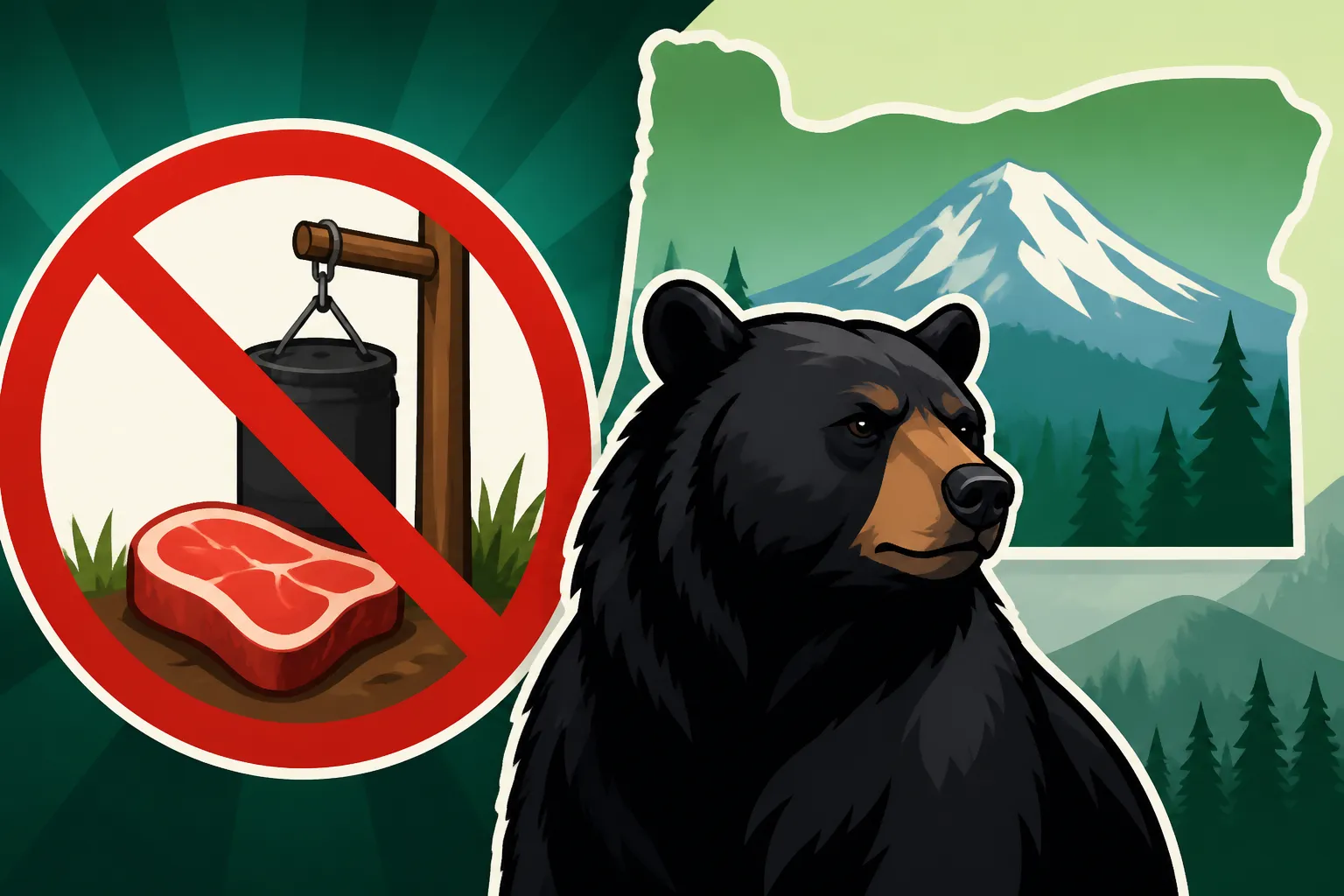
Why Oregon Bear Hunters Cannot Use Bait
If you're an avid bear hunter, especially one who's explored opportunities in other states, you've likely encountered the common question: why can't I use bait for bear hunting in Oregon? It's a perfectly valid frustration, as baiting is a widespread and often effective method elsewhere, making Oregon's strict prohibition feel like an unnecessary hurdle. This comprehensive guide is here to shed light on the historical context, ecological impact, and the very real reasons behind Oregon's bear baiting ban, as well as equipping you with the legal and ethical strategies to successfully hunt bears in the Beaver State.
The Journey to Fair Chase: Understanding Oregon's Hunting Ethics
Oregon's approach to hunting, particularly for apex predators like bears and cougars, has evolved significantly over the decades. The ban on baiting didn't just appear overnight; it's deeply rooted in a philosophical shift towards "fair chase" principles and a nuanced understanding of wildlife management that prioritizes natural behavior and minimizes human-wildlife conflict.
Historical Context of the Ban
Before the current regulations, some forms of baiting might have been used, but the sentiment began to shift in the late 20th century. Public perception, alongside increasing scientific understanding of bear ecology, played a crucial role. Concerns grew about the ethical implications of baiting, particularly regarding the potential for habituating bears to human food sources, leading to a decrease in their natural foraging instincts. This wasn't just about making the hunt harder; it was about preserving the wildness of the hunt and the animals themselves. The ban on baiting, much like the ban on using hounds for cougar hunting, reflected a societal move to ensure hunting practices aligned with a broader conservation ethic, fostering a more challenging and, arguably, more rewarding experience for hunters.
The Evolution Towards Fair Chase
The concept of "fair chase" is central to Oregon's hunting ethos. It means pursuing a wild animal by ethical and lawful methods that do not give the hunter an improper advantage over the animal. Baiting, in many conservation circles, is seen as tipping that balance too far in the hunter's favor, potentially reducing the challenge inherent in tracking and outsmarting a highly intelligent animal like a bear. This principle encourages hunters to develop a deeper understanding of animal behavior, habitat, and tracking skills, rather than relying on an artificial attractant. For many, the true satisfaction comes from the rigorous scout, the patient stalk, and the strategic understanding of the landscape, all of which are amplified when bait is removed from the equation. It pushes hunters to become more attuned to the wild, embracing the full outdoor experience.
Ecological and Ethical Concerns Driving the Prohibition
The reasons behind Oregon's bear baiting ban extend far beyond philosophical fair chase principles; they delve into critical ecological impacts and ethical considerations that directly affect bear populations, other wildlife, and public safety.
Impact on Bear Behavior and Distribution
One of the most significant concerns with baiting is its effect on bear behavior. When bears repeatedly find calorie-rich, easily accessible food sources at bait sites, it can profoundly alter their natural foraging patterns. Bears are incredibly smart and adaptable, and they quickly learn to associate human presence with food. This habituation can lead to bears spending less time foraging naturally, potentially impacting seed dispersal and forest regeneration processes they contribute to. More critically, it can draw bears into closer proximity to human developments, increasing the likelihood of human-bear conflicts, such as bears raiding garbage cans, breaking into cabins, or becoming a nuisance in rural communities. The goal of the ban is to encourage bears to remain wild, relying on natural food sources like berries, nuts, and grubs, and to avoid negative interactions that often result in bears being euthanized for public safety.
Non-Target Species and Environmental Concerns
Bait sites aren't just attractive to bears. They act as magnets for a wide array of non-target species, including raccoons, coyotes, deer, and even domestic animals. This congregation can lead to several problems:
- Disease Transmission: When multiple animals share a common food source, the risk of disease transmission, such as mange or other pathogens, significantly increases, potentially impacting the health of local wildlife populations.
- Altered Movement Patterns: Non-target animals may also alter their natural movement and foraging behaviors, becoming dependent on bait sites, which can have ripple effects through the local ecosystem.
- Environmental Contamination: Depending on the type of bait used, there can be issues with non-biodegradable waste, spoilage, and the introduction of non-native food items, all of which can negatively impact the natural environment.
- Ethical Implications for Other Wildlife: Setting bait for bears invariably means attracting other species that are not legally hunted at the bait site, raising ethical questions about intentionally attracting wildlife that may then become accustomed to human presence in an unhealthy way.
For these reasons, the ban on baiting is seen as a protective measure, not only for bears but for the broader health and ecological balance of Oregon's diverse wildlife populations.
Mastering Bear Hunting in Oregon Without Bait
So, if baiting is out, what's a dedicated bear hunter to do in Oregon? Don't despair! Oregon offers fantastic opportunities for ethical and challenging bear hunting through proven methods like spot-and-stalk and calling. It simply requires a different approach to scouting, preparation, and patience. Many hunters find these methods immensely rewarding, building a deeper connection with the landscape and the animal. For an in-depth look at strategies, check out Bear Hunting in Oregon Without Bait or Hounds.
Legal Methods: Spot-and-Stalk and Calling
Oregon's hunting regulations strictly define legal methods, and for bears, this means focusing on traditional, active hunting techniques.
-
Spot-and-Stalk: This is arguably the most common and effective method for black bears in Oregon. It involves locating bears, often at long distances, and then carefully planning and executing a stalk to get within ethical shooting range. This method is particularly effective during spring when bears emerge from hibernation and seek out tender green vegetation on open hillsides or logging units. Prime areas include south-facing slopes, clearcuts, and recent burns where new growth is abundant. You'll spend a lot of time behind quality optics, glassing expansive areas at dawn and dusk. The key is patience and knowing how to interpret terrain to make a quiet approach. Remember to consider wind direction meticulously to avoid giving away your position. More details on this can be found in Spot-and-Stalk Spring Bear on Oregon's Green Slopes.
-
Calling: While less common than spot-and-stalk, calling can be a highly exciting and effective method for bears, particularly in timbered areas where visibility is limited. Bear calls often mimic the distress cries of prey animals like fawns, rabbits, or even pigs. Bears are opportunistic predators, and these sounds can pique their curiosity, drawing them in for a closer look. This technique requires strategic setup, often with a partner for safety and shot placement, ensuring you have good visibility and an escape route if a bear approaches too closely or too quickly. Practice your calls and understand how sound carries in different terrains.
Scouting and Preparation Without Bait
Successful bear hunting in Oregon hinges on thorough, proactive scouting. Since you can't rely on bait to bring the bears to you, you must go to them.
- Timing and Habitat Knowledge: Bears follow their food sources, and understanding the seasonal availability of different foods is critical. In spring, focus on green-up areas: low-elevation, south-facing slopes, clearcuts, and riparian zones. As summer progresses, bears move higher in elevation, feeding on berries like huckleberries and blackberries. In fall, they shift to hard mast, such as acorns, and will often be found near timber patches and oak groves. Knowing Bear Diet Through the Oregon Seasons will be immensely helpful.
- Sign, Sign, Everywhere a Sign: Look for fresh bear sign: tracks (especially in mud near water sources or along logging roads), scat, rubbed trees (where bears scratch and mark their territory), and overturned rocks or logs from foraging. Pay close attention to trails leading into dense cover or across clearcuts.
- E-Scouting and Mapping Tools: Modern technology is your best friend. Utilize digital mapping applications like GoHunt to analyze terrain, identify potential feeding areas (clearings, berry patches, oak flats), access points, and escape routes. GoHunt's detailed map layers can help you pinpoint historical bear activity, elevation changes, and public land boundaries, making your physical scouting trips far more efficient. Look for recent burns or logging activity, which often lead to new green growth that attracts bears. For a deeper dive into digital tools, consider exploring E-Scouting Oregon Units With Satellite Imagery.
- Physical Scouting: Nothing beats boots on the ground. Hike into potential areas, observing game trails, looking for fresh sign, and identifying good glassing spots. This also helps you understand the lay of the land, wind patterns, and potential challenges for a stalk or pack out. When to hit the woods for scouting? Often months before the season.
Navigating Modern Bear Hunting in Oregon
Hunting bears in Oregon is a true test of a hunter's skills, requiring physical endurance, strategic thinking, and a deep respect for the wild. It’s an adventure that promises immense satisfaction when all the pieces come together.
Leveraging Technology and E-Scouting
In today's hunting world, technology can be a game-changer, even for traditional methods like spot-and-stalk. Beyond GoHunt's mapping capabilities, consider using tools for weather forecasting, wind direction, and even moon phase data, which can influence bear activity. High-quality binoculars and spotting scopes are non-negotiable for spotting bears at a distance. Rangefinders are also essential for accurate shot placement in steep, broken terrain. While trail cameras are legal for scouting, be sure to understand and adhere to Trail Camera Rules on Oregon Public Land to avoid any issues. Remember, technology is a tool to enhance your outdoor skills, not replace them. It helps you narrow down vast landscapes, but ultimately, it's your eyes, ears, and woodsmanship that will lead to success.
Physical Demands and Essential Gear
Hunting bears in Oregon, particularly in the Coast Range or Cascades, can be physically grueling. Expect steep climbs, dense brush, and potentially long pack-outs.
- Physical Fitness: Training for your hunt is paramount. Focus on cardiovascular endurance, leg strength, and carrying a heavy pack over uneven terrain. Preparing your body well in advance can be the difference between a successful hunt and a miserable one. Many of the exercises and preparation for a demanding elk hunt are applicable here; consider reviewing Physical Training for an Oregon Elk Hunt.
- Appropriate Gear: Your gear list should prioritize durability, functionality, and comfort.
- Optics: High-quality binoculars (10x-15x) and a spotting scope (20-60x) on a sturdy tripod are essential for locating bears.
- Footwear: Sturdy, broken-in waterproof boots with good ankle support are critical for navigating steep, often wet, terrain.
- Rain Gear: Oregon weather is famously unpredictable. Investing in reliable Rain Gear That Actually Stays Dry is a must. A sudden downpour can quickly turn a comfortable day into a hypothermia risk if you're unprepared.
- Weapon: A rifle chambered in a cartridge suitable for bears (e.g., .30-06, .300 Win Mag, .338 Win Mag) with accurate, reliable bullets is advisable. For archery hunters, a strong bow setup capable of delivering heavy broadheads with sufficient kinetic energy is necessary.
- Navigation: A GPS device or a reliable smartphone app with downloaded maps is crucial, especially in remote areas without cell service.
- First Aid: Always carry a well-stocked First Aid Kit Items for a Remote Hunt, especially when hunting alone or far from established trails.
- Pack: A good quality pack that can comfortably carry your gear and, hopefully, meat on the way out is vital.
- Understanding Regulations: Familiarize yourself with the Oregon Department of Fish and Wildlife (ODFW) regulations, including season dates (Oregon Spring Bear Season Dates and Oregon Fall Bear General Season), tag requirements (Oregon Cougar and Bear Tags), legal shooting hours, and harvest reporting procedures. Knowing how to differentiate between a boar and a sow, especially if she might have cubs, is an important ethical consideration; learning Judging a Boar From a Sow at Distance can help ensure responsible hunting.
Table: Legal vs. Prohibited Bear Hunting Methods in Oregon
| Method | Status in Oregon | Description | Why (Briefly) |
|---|---|---|---|
| Spot-and-Stalk | Legal | Actively locating bears (often by glassing) and then physically moving to get within ethical shooting range. Relies on hunter's scouting and tracking skills. | Adheres to fair chase principles; promotes active hunting. |
| Calling | Legal | Using vocalizations or electronic calls to mimic distressed prey, attracting bears to the hunter's position. | Considered fair chase; requires skill in calling, setup, and animal knowledge. |
| Tree Stands/Blinds | Legal | Hunting from a stationary elevated position or concealed ground position. (Does not apply to baiting from a stand, just the use of the stand itself.) | Legal as a concealment/observation method, provided no bait is used to attract animals to the stand. |
| Baiting | Prohibited | Placing food or attractants to lure bears to a specific location. | Violates fair chase ethics; alters natural bear behavior; attracts non-target species; increases human-bear conflict risk. |
| Hounding | Prohibited | Using dogs to track, chase, and corner bears (or cougars). | Violates fair chase ethics; animal welfare concerns; voter-approved ban. |
While the initial thought of not being able to use bait might seem daunting, it truly pushes you to become a more skilled and knowledgeable hunter. Embracing Oregon's unique approach to bear hunting offers a deeply rewarding experience in some of the most beautiful and wild country our state has to offer.
Disclaimer
The information provided in this guide is for informational purposes only and is not a substitute for checking the official Oregon Department of Fish and Wildlife (ODFW) hunting regulations. Hunters are responsible for knowing and adhering to all current laws and regulations. Always prioritize safety and ethical hunting practices.