Spot-and-Stalk Spring Bear on Oregon’s Green Slopes
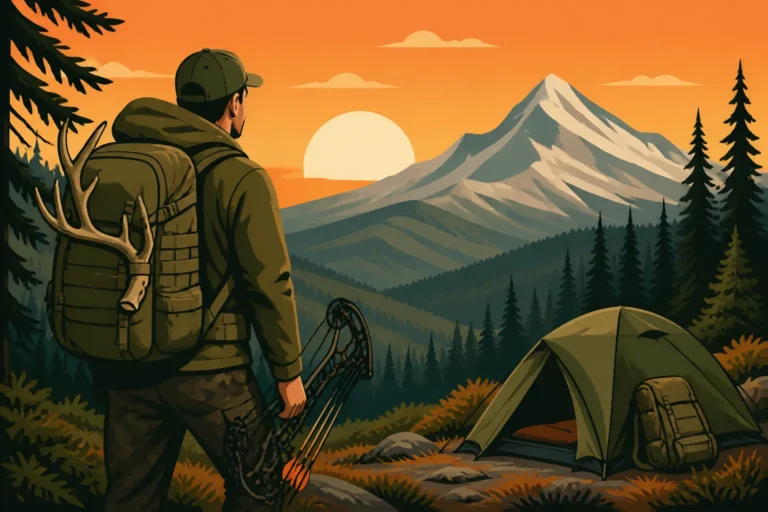
Spring bear hunting in Oregon can feel like trying to find a needle in a haystack, especially when you’re relying solely on your eyes and legs. Without the use of bait or hounds—methods prohibited in Oregon—locating a spring bear on the vast, rapidly greening landscapes of our state presents a unique and often frustrating challenge. This guide is dedicated to helping you master the art of spot-and-stalk spring bear hunting, focusing on where and how to find these elusive animals on Oregon's green slopes and execute a successful hunt.
Understanding Oregon's Spring Bear Season and Regulations
Venturing out for a spring bear in Oregon means understanding the precise rules of engagement. The season is a fantastic opportunity, but it comes with strict guidelines that are crucial for a legal and ethical hunt. Ignoring these details isn't just a minor oversight; it can quickly turn a hopeful trip into a regrettable one.
Navigating Season Dates and Unit Openings
Oregon's spring bear season typically opens in April and can run through May or even into early June, depending on the specific unit. However, not all units open at the same time, and some have quotas that can close the season early. This isn't like general deer season where you just pick a weekend; you absolutely have to check the current Oregon Department of Fish and Wildlife (ODFW) regulations pamphlet each year. These pamphlets are your Bible for hunting, detailing everything from open units to specific dates and any last-minute emergency closures.
It’s easy to get excited and assume a unit you hunted last year will have the same dates, but that’s a dangerous game to play. Always double-check. For example, some units in the Coast Range might open slightly earlier than those in the High Cascades or Eastern Oregon, simply due to elevation and snowmelt patterns. The key is to be flexible and perhaps have a couple of backup areas in mind depending on snowpack and green-up timing, allowing you to adapt if your primary spot is still locked in winter.
Oregon's Specific Bear Hunting Rules
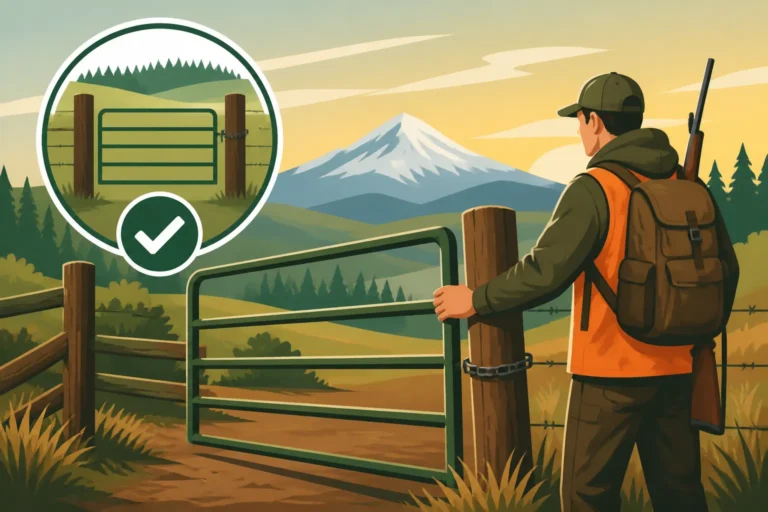
Beyond dates, Oregon has specific rules that shape how we hunt bears. As mentioned, baiting and the use of hounds are illegal for bear hunting here. This puts a strong emphasis on fair chase, making spot-and-stalk the primary and often only effective method for spring hunters. You also need to be acutely aware of weapon restrictions, although for general spring bear, most common hunting rifles and archery setups are permitted.
Another critical regulation is the mandatory harvest reporting. Every bear taken, even if it’s just a tag fill, must be reported to ODFW within a strict timeframe – often within 10 days of the harvest or by a specific date, whichever comes first. There’s a mandatory $25 penalty for failing to report big game harvests, so make sure you understand the rules around Oregon Mandatory Harvest Reporting and the $25 Penalty to avoid unnecessary fines. Remember, these regulations are designed to manage the bear population sustainably, and following them is part of being a responsible hunter.
Locating Bears on Green Slopes
Finding bears on vast, green hillsides in the spring is less about luck and more about understanding their biology and daily routines. They're driven by hunger after denning, and the earliest green-up offers the most nutritious forage.
Understanding Bear Behavior and Food Sources in Spring
As bears emerge from their dens in spring, often in April or early May depending on elevation and local conditions, their primary objective is to replenish lost calories. They aren't looking for berries or acorns yet; those will come later. What they're after are the first tender shoots of grass, clover, forbs, and succulent green plants that burst forth on south-facing slopes. These areas receive the most sun exposure, melting snow sooner and spurring plant growth earlier than shadier, north-facing aspects.
Bears will gravitate to these "salad bars" – areas like avalanche chutes, old clearcuts, logging roadsides, and meadows where new growth is readily available. In the Coast Range, this might mean clearcuts regenerating with lush clover, while in Eastern Oregon, it could be grassy slopes interspersed with bitterbrush and serviceberry sprouts. They're also not opposed to turning over rocks and logs for grubs and insects, which provide a protein boost. Keep an eye out for fresh diggings, scat, and overturned rocks as sign.
Identifying Productive Green-Up Areas
To consistently find bears, you need to think like one. Focus your efforts on slopes that are visibly greening up. This usually means south and southeast-facing slopes at lower to mid-elevations. As the spring progresses and snowlines recede higher, bears will follow that green-up, moving to higher elevations for fresh forage. Early season means looking lower; late season means looking higher.
You'll often find bears feeding in the open on these slopes during cooler parts of the day, typically in the mornings and evenings, retreating to timber or thicker cover during the mid-day sun. These feeding areas might be adjacent to dense timber for quick escape or bedding, so don't just scan the open; pay attention to the transition zones. Using tools like GoHunt's mapping features can be incredibly helpful here, allowing you to scout from home by identifying south-facing aspects, clearcut ages, and potential travel corridors. Look for areas with a mix of open feeding grounds and nearby bedding cover. For more on how to identify these zones, check out our guide on Spotting Bears on Green-Up Slopes.
Essential Gear for Spot-and-Stalk Success
Spot-and-stalk bear hunting isn't a casual stroll; it's a dedicated effort that demands specific gear to increase your odds and ensure your safety. Having the right tools won't guarantee a bear, but lacking them will almost certainly guarantee disappointment.
High-Quality Optics for Long-Range Scouting
This is perhaps the single most important category of gear for spot-and-stalk hunting. Without exceptional optics, you're severely limiting your ability to find bears, especially on large, open slopes. You'll want a quality pair of binoculars, typically 10×42 or 12×50, mounted on a sturdy tripod. This combination allows for long, stable glassing sessions without fatigue, crucial for picking apart distant hillsides. Don't skimp here; cheap glass will cause eye strain and make it harder to differentiate a bear from a shadow or stump.
Beyond binoculars, a good spotting scope (20-60x or 25-75x) is invaluable for confirming what you think you saw, especially when trying to judge a bear's size or sex. Being able to clearly see details from a mile away can save you hours of wasted stalking. Pair these with a lightweight but robust tripod, and you're set for serious glassing. Brands like Swarovski, Zeiss, and Vortex are popular choices among serious hunters for their clarity and durability.
Appropriate Clothing and Footwear for Varied Terrain
Oregon's spring weather is notoriously unpredictable. One moment it's sunny and mild, the next it's a cold downpour, even in late spring. Layering is key. Start with a moisture-wicking base layer, add an insulating mid-layer (fleece or puffy), and top it with a waterproof and windproof outer shell. Even if the forecast looks good, always pack rain gear. I've been caught out in the Coast Range many times where a sunny morning turned into a soaking afternoon. Rain Gear That Actually Stays Dry is a must-read if you hunt Oregon.
For footwear, you need comfortable, supportive, and waterproof boots with good ankle support and aggressive tread. You'll be covering a lot of ground, often on uneven terrain, wet slopes, and through brush. A good pair of broken-in hiking or hunting boots, coupled with quality wool socks, will prevent blisters and keep your feet dry, which is essential for comfort and performance in the field. Think about the types of slopes you'll be traversing – sometimes steep, sometimes slick with mud or wet grass.
| Gear Item | Recommended Specs/Features | Importance Level | Notes |
|---|---|---|---|
| Binoculars | 10×42 or 12×50, ED glass, waterproof, fogproof | Critical | Mounted on tripod for stable glassing. |
| Spotting Scope | 20-60x or 25-75x, high-quality objective lens | High | For confirming sightings, judging size/sex from extreme distances. |
| Tripod | Lightweight, sturdy, quick-release plate for optics | Critical | Essential for stable, long-duration glassing. |
| Backpack | 40-60 liter, comfortable frame, capable of hauling meat | Critical | Must carry essentials, water, and be ready for a heavy pack-out. |
| Layered Clothing | Wicking base, insulating mid, waterproof/windproof outer | Critical | Adaptable to changing Oregon spring weather. |
| Waterproof Boots | High ankle support, aggressive tread, broken-in | Critical | Comfort and traction on wet, steep, and varied terrain. |
| Rangefinder | Angle compensating, accurate out to 1000+ yards | High | Crucial for precise shot placement, especially in steep country. |
| GPS/Mapping App | Handheld GPS or phone with mapping app (e.g., GoHunt) | Critical | Navigation, marking waypoints, identifying public/private land. |
| First Aid Kit | Comprehensive kit for trauma, blisters, snake bites | Critical | Preparedness for remote hunting accidents. |
| Game Bags | Breathable, lightweight, for keeping meat clean and cool | High | Essential for prompt field dressing and packing out. |
Effective Spotting and Glassing Techniques
Spot-and-stalk success hinges almost entirely on your ability to spot a bear before it spots you. This isn't about aimless scanning; it's a methodical process that requires patience, discipline, and a keen understanding of light and landscape.
Systematic Glassing Strategies
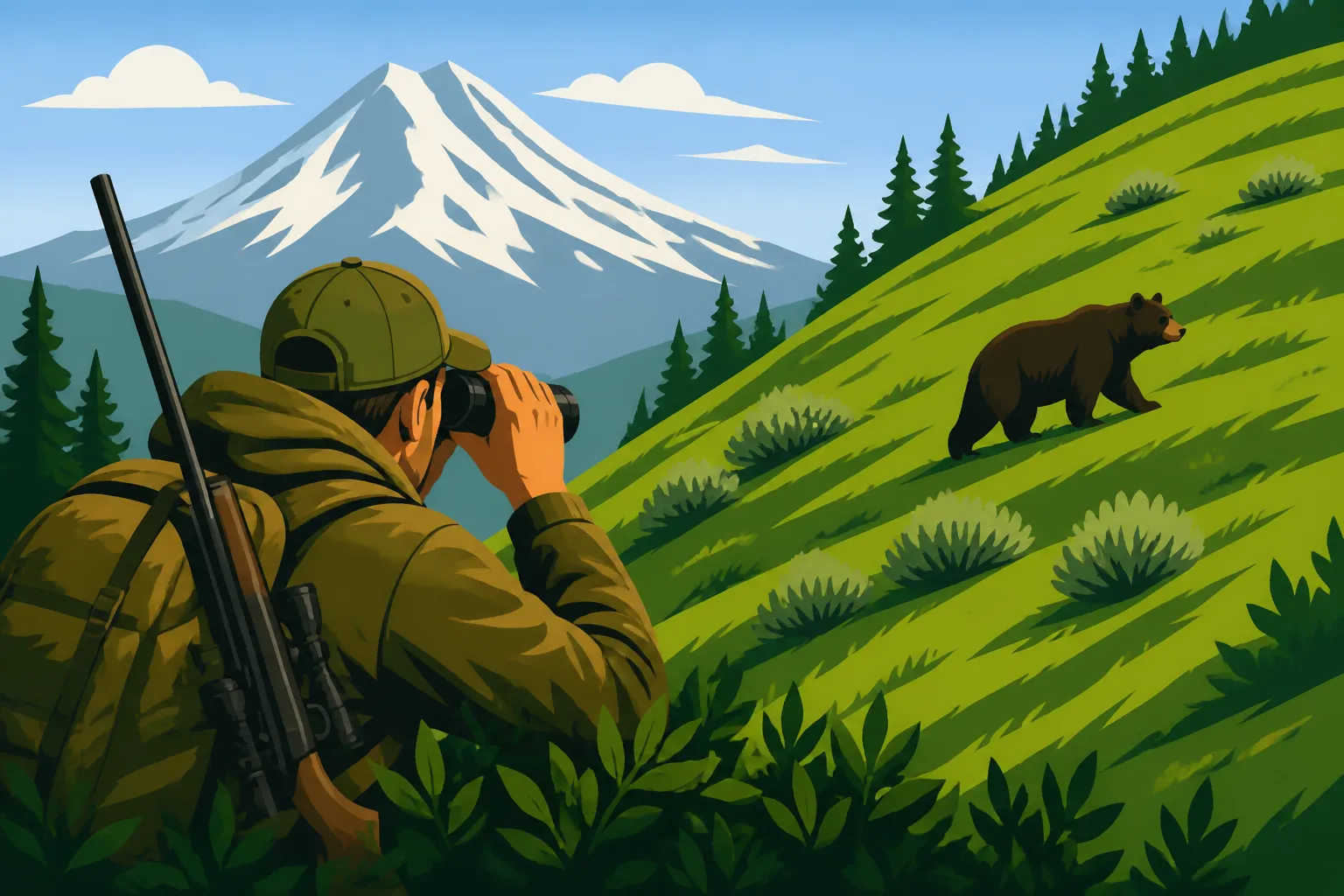
When you reach a good vantage point overlooking expansive green slopes, resist the urge to immediately throw up your binoculars and randomly scan. Instead, adopt a systematic approach. Divide the landscape into manageable grids or sections, then slowly and meticulously glass each section from near to far, left to right, or top to bottom. Use your tripod-mounted binoculars or spotting scope, moving them in very small, overlapping increments. It's often the subtle movement, a patch of darker fur against the green, or a glint of sunlight off a wet nose that gives a bear away.
Pay extra attention to edges where timber meets open slopes, fingers of trees, and draws that funnel into clearings. Bears often use these transition zones for travel or bedding. Also, look at the "negative space" – the areas between the trees and brush. Sometimes, a bear is partially obscured, and only a portion of its body is visible. Don't rush; dedicate at least 20-30 minutes, sometimes much longer, to thoroughly glassing a single promising hillside before moving on. This slow, deliberate process is far more effective than quick, haphazard scanning.
Optimal Times and Conditions for Spotting
Bears are most active during the cooler parts of the day when they are feeding, which means early mornings and late evenings are prime glassing times. In the morning, you might find them still feeding on the open slopes after a night of activity. As the sun gets higher, they'll often retreat into the shade or thicker timber to bed down. In the late afternoon and evening, they'll emerge again to feed until dusk.
Cloudy, overcast days can also be excellent for spotting, as bears tend to be out longer and the flat light can reduce shadows that create optical illusions. Following a spring rain, when everything is fresh and green, can also be a fantastic time. The key is to get to your glassing spot before first light or stay until dark. Be prepared for Spring Bear Hunting Timing by Elevation as the season progresses. The sun's angle is crucial; try to position yourself so the sun is either at your back or to your side, illuminating the slopes you're glassing rather than forcing you to look directly into glare.
The Stalk: Strategy and Execution
Once you've spotted a bear, the real challenge begins. The stalk is a delicate dance of patience, stealth, and tactical decision-making, where one wrong move can send your quarry vanishing into the timber.
Reading the Wind and Terrain
Before you take a single step, assess the wind and terrain. The wind is your absolute top priority; bears have an incredible sense of smell, and if they catch your scent, the game is over. Always approach from downwind. If the wind is swirling or unpredictable, it might be best to wait for more stable conditions or choose a different route entirely. Keep a wind checker handy and use it constantly. You can also monitor tree branches or light vegetation for consistent wind direction.
Next, analyze the terrain between you and the bear. Look for natural cover—draws, ridges, timber patches, or even large rocks—that can conceal your approach. Avoid open areas if possible. Use the contours of the land to your advantage. If the bear is feeding uphill, you might be able to use a parallel ridge to gain elevation before dropping into a draw for your final approach. Understanding how to Read a Travel Management Area Map Before You Drive can also help identify potential stalking routes through varying topography.
Stealthy Movement and Patience
A successful stalk requires agonizingly slow and deliberate movement. Think like a predator. Every step needs to be planned, from where you place your foot to how you shift your weight. Avoid snapping twigs, crunching leaves, or dislodging rocks. If you're moving through brush, push branches aside gently and ensure they don't snap back noisily. Stop frequently, use your binoculars to relocate the bear, and re-evaluate the wind. Bears can move surprisingly fast and quietly, and they might change their feeding patterns or bed down unexpectedly.
Patience is perhaps the most critical virtue. A stalk that looks like it should take 20 minutes could easily stretch into an hour or more. There will be times you need to wait, sometimes for a bear to move behind a ridge, or for the wind to settle. If the bear looks up, freeze. Remain motionless until its head is down and it's focused on feeding again. This isn't a race; it's a chess match. Don't be afraid to back out and try again later if the conditions aren't right. Sometimes, it's better to live to stalk another day than to blow an opportunity with a rushed approach.
Post-Harvest Considerations
Even after a successful shot, the hunt isn't truly over. Ethical harvest means swift and efficient field dressing, proper meat care, and a realistic plan for packing out your hard-earned bear meat.
Field Dressing and Meat Care in Spring Temperatures
Spring temperatures, especially in Oregon, can be mild to warm, which means prompt and thorough field dressing is paramount to prevent meat spoilage. Bears have a thick layer of fat, which insulates the meat and holds heat, accelerating spoilage. As soon as the bear is down, get to it and begin field dressing. Remove the entrails as quickly as possible to allow the body cavity to cool. If legal in your unit, the "gutless method" can be incredibly efficient, allowing you to skin and quarter the animal without ever opening the body cavity, which can be cleaner and faster. For a detailed breakdown, check out our guide on Field Dressing an Elk in Warm Early-Season Weather, which offers principles applicable to bears.
Once field dressed, skin the bear entirely. The hide, with its thick fat, is a major heat trap. Separate the meat from the bone where practical, and get it into good quality, breathable game bags immediately. Do not use plastic bags, as they trap heat and moisture. Hang the meat in the shade, off the ground, to maximize air circulation and cooling. If you’re hunting in a remote area, having a plan for Getting Meat Out Before It Spoils is crucial. Consider carrying a small thermometer to monitor meat temperature; anything above 40°F (4°C) will require active cooling measures.
Packing Out Your Harvest
Packing out a spring bear can be a physically demanding task, especially if you're deep in the backcountry or on steep terrain. Bears, especially mature boars, can weigh hundreds of pounds, and their dense bones and fat make for heavy, awkward loads. A sturdy pack frame is almost a necessity. Break the bear down into manageable quarters, along with the head and hide. Distribute the weight evenly between your pack trips, or if you're hunting with a partner, share the load.
Remember that a bear’s skull must often be presented to ODFW for inspection, and depending on regulations, you might need to keep a specific portion of the hide attached to prove sex. Always consult the regulations for specifics on what to leave on the animal for transport. Plan your pack-out route meticulously, considering the terrain and distance to your vehicle. Hydrate well, take breaks, and don't underestimate the physical exertion. For hunters who train specifically for these types of challenges, our article on Physical Training for an Oregon Elk Hunt offers valuable insights into preparing your body for heavy lifting in rough country, which is equally beneficial for bear hunters.
Disclaimer
Hunting is an inherently dangerous activity. This guide provides general information and best practices but should not replace proper training, experience, or adherence to all local, state, and federal hunting regulations. Always consult the most current Oregon Department of Fish and Wildlife (ODFW) regulations pamphlet before heading into the field. Safety should always be your top priority.