Multi-Day Camps in Oregon’s Roadless Country
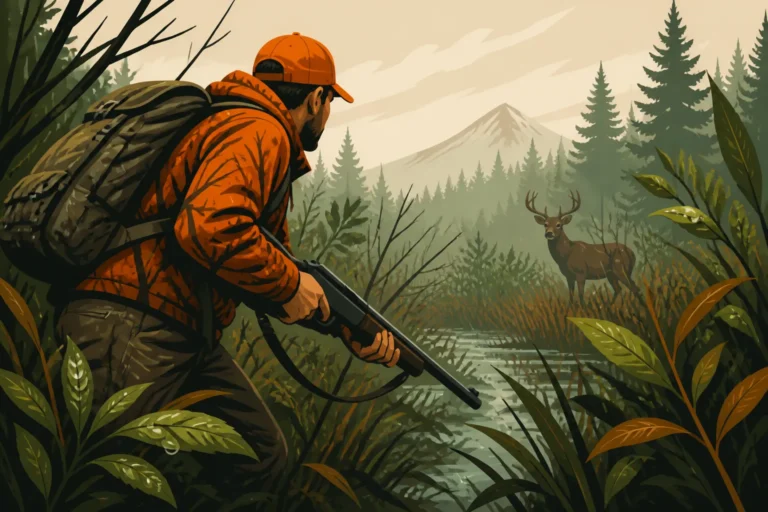
Heading out for a multi-day hunting trip into Oregon's vast roadless country presents a unique set of challenges, from figuring out how to carry enough supplies to ensuring you can get your harvest back out. Many hunters dream of escaping the crowds and truly immersing themselves in the wilderness, but the reality of planning, packing, and executing such a trip can feel overwhelming. This guide is designed to break down the complexities of multi-day camps in Oregon's most remote areas, helping you navigate the logistics, gear, and strategies required to turn that dream into a successful and unforgettable experience.
Navigating Oregon's Roadless and Wilderness Terrain
Oregon offers an incredible expanse of public land, but not all of it is created equal when it comes to vehicle access. Understanding the distinctions between officially designated wilderness areas and other roadless tracts is crucial for planning your multi-day camp, as the rules and challenges can vary significantly. Ignoring these nuances can lead to fines, frustrating delays, or even a failed hunt.
Distinguishing Between Roadless Areas and Designated Wilderness
When we talk about "roadless country" in Oregon, we're broadly referring to any large tracts of land where motorized vehicle access is restricted or completely absent. This can include designated Wilderness Areas, National Forest Roadless Areas, and even vast sections of Bureau of Land Management (BLM) property that simply lack developed roads. Designated Wilderness Areas, like the Eagle Cap Wilderness or Three Sisters Wilderness, are subject to the strictest regulations, often prohibiting even mechanized equipment like mountain bikes or game carts, as outlined in rules like those concerning Oregon Wilderness Rules That Ban Motorized Carts. These are places where you truly earn every mile on foot or with the aid of pack stock.
Outside of official Wilderness, you'll find extensive roadless national forest lands. While these areas might not have the same federal "Wilderness" designation, they are managed with a strong emphasis on preserving their wild character. Often, this means roads are either intentionally closed, fallen into disrepair, or simply were never built. You might encounter old logging roads that have been decommissioned and reclaimed by nature, or vast sections of timber that are simply too steep or rugged for conventional vehicle access. These areas still demand self-sufficiency and robust planning, but they might offer slightly more flexibility in terms of where you can stage your vehicle or use certain non-motorized equipment, depending on specific forest service regulations.
Understanding Access Restrictions and Permits
Before you even start thinking about what tent to bring, you need to understand the rules of the specific area you're targeting. For designated Wilderness Areas, permits are often required for overnight stays, especially in popular zones or during peak seasons. These permits are typically obtained from the local Forest Service office or trailhead kiosks and are essential for managing visitor impact. Failure to secure the necessary permits can result in hefty fines and an abrupt end to your trip. It's not just about compliance; these permits help ensure the long-term health and accessibility of these wild places for everyone.
Beyond permits, familiarizing yourself with the nuances of Travel Management Areas (TMAs) is vital. Many national forests in Oregon utilize TMAs to regulate motorized access, often closing specific roads seasonally or permanently to protect wildlife or sensitive habitats. While some TMAs might have "green roads" open to the public, others will be clearly marked as closed, and venturing beyond these closures can be a serious violation. Resources like the article on Reading a Travel Management Area Map Before You Drive are invaluable for deciphering these maps and avoiding unintended trespass or rule-breaking. Always double-check current regulations with the local ODFW or Forest Service office, as conditions and rules can change rapidly due to fire, weather, or management decisions.
Identifying Prime Hunting Ground in Remote Zones
Hunting in roadless country isn't just about avoiding crowds; it's about accessing game that might be less pressured and more likely to exhibit natural behaviors. These remote areas often serve as critical sanctuaries for elk, deer, and bear, especially during hunting seasons when road systems closer to civilization are buzzing with activity. Large, contiguous blocks of undisturbed habitat provide security cover, diverse forage, and undisturbed migration corridors that are essential for big game. Look for areas with a mix of dense timber, open parks, water sources, and varied topography—the kind of place where an animal can truly disappear.
Topographical maps and satellite imagery are your best friends when scouting these remote zones. Utilize digital tools, like those offered by GoHunt, to identify potential bedding areas on north-facing slopes, south-facing feeding areas, migration routes along saddles and ridges, and critical water sources that might concentrate game in dry conditions. Pay close attention to features that offer natural barriers to human access, such as steep canyons, dense blowdown, or extensive areas of thick brush, as these are often where the most reclusive animals reside. Remember, the tougher it is to get to, the less likely others are to be there, and the more likely you are to find mature animals. This kind of diligent E-Scouting Oregon Units With Satellite Imagery is paramount for success.
Strategic Planning for Your Backcountry Expedition
Embarking on a multi-day hunt in Oregon's roadless country requires meticulous planning. You can't just throw some gear in the truck and hope for the best. Every item, every meal, and every step needs to be considered to ensure your safety, comfort, and ultimately, your success. This is where the real work of a backcountry hunter begins, long before you even step foot on the trail.
Leveraging E-Scouting and Digital Mapping
Modern technology has revolutionized backcountry planning. Before you hit the trail, spend considerable time with satellite imagery, topographical maps, and land ownership overlays on platforms like GoHunt. These tools allow you to virtually explore vast areas from your home, identifying potential access points, hidden benches, water sources, and likely game trails that might be invisible from the ground. Look for natural funnels, pinch points, and areas of diverse habitat that might concentrate animals, such as old burns or clearcuts. Remember, elk behavior can shift after events like wildfires, so understanding Elk Behavior After a Wildfire can give you an edge.
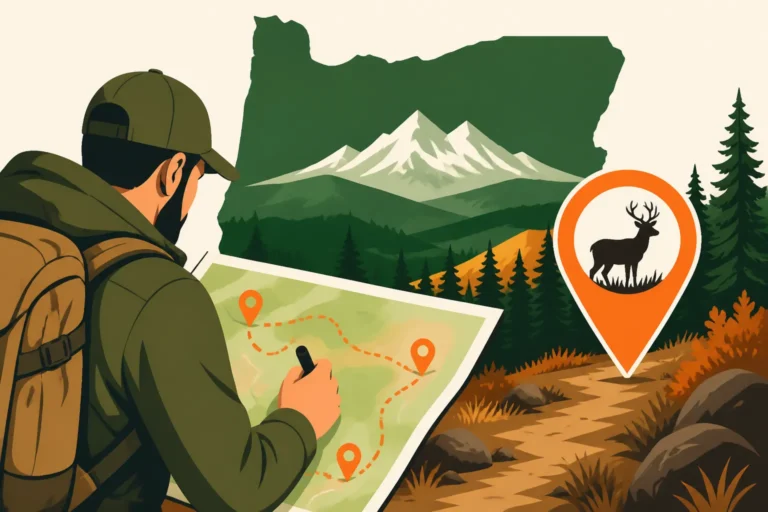
Once you've identified promising areas, use the digital maps to mark potential campsites, emergency egress routes, and likely game crossing points. Plot out your travel routes, paying close attention to elevation changes and potential obstacles. Download these maps to your phone or GPS device for offline use, as cell service will almost certainly be non-existent in true roadless country. Having redundant navigation tools is not just a good idea; it's a necessity. A physical map and compass should always be part of your kit as a backup, regardless of how advanced your digital setup is.
Assembling Your Multi-Day Gear List
Your gear is your lifeline in the backcountry. Every item needs to be functional, durable, and as lightweight as possible. For a multi-day camp, you're essentially carrying your entire existence on your back for days on end. Start with a high-quality backpack that can comfortably carry heavy loads. Your shelter system is critical; a lightweight, durable tent or tarp, appropriate for the expected weather, is non-negotiable. Don't skimp on a sleeping bag and pad, as a good night's rest directly impacts your ability to hunt effectively.
Layered clothing is key to managing Oregon's notoriously unpredictable weather. Think wool or synthetics that wick moisture and insulate even when wet. Crucially, invest in Rain Gear That Actually Stays Dry – you'll thank yourself when an unexpected squall rolls in. Other essentials include a reliable headlamp with extra batteries, a water filter or purification tablets, a small cooking system, and a comprehensive first aid kit. Don't forget items specific to hunting, like optics, your weapon, knives, game bags, and flagging tape. Each item should justify its weight.
Mastering Food and Water Logistics
Fueling your body for sustained effort in rugged terrain is paramount. When planning your meals, prioritize high-calorie, lightweight, and non-perishable options. Dehydrated meals are popular for their convenience, but also consider items like jerky, nuts, dried fruit, energy bars, and hard cheeses. Portion everything out into daily bags to simplify meal prep and manage consumption. A good rule of thumb is to pack an extra day or two's worth of food as an emergency buffer.
Water is even more critical. Carrying all your water for multiple days is usually impractical due to weight. Therefore, identifying reliable water sources on your maps is essential. Always plan to filter or purify all water from natural sources to prevent giardia and other illnesses. A high-quality water filter is a must-have, and it's wise to carry backup purification tablets. Understand the terrain you'll be in; Eastern Oregon's high desert might have fewer water sources than the Coast Range, so your strategy will need to adapt. For extended stays, a larger capacity filter or a gravity filter can make life much easier in camp.
| Item Type | Essential Gear for Multi-Day Backcountry Camp | Key Considerations |
|---|---|---|
| Shelter | Lightweight tent/tarp, sleeping bag, sleeping pad | Weather appropriate, compact, good insulation for expected nighttime lows. |
| Navigation | GPS device (with offline maps), physical map, compass, charger | Redundancy is key. GoHunt maps downloaded offline, learn to use compass without GPS. |
| Clothing | Layered system (base, mid, outer), rain gear, spare socks | Wool/synthetic materials, Rain Gear That Actually Stays Dry is crucial, avoid cotton. |
| Food | High-calorie, lightweight, non-perishable meals, snacks | Dehydrated meals, jerky, nuts, dried fruit, energy bars. Pack extra emergency rations. |
| Water | Water filter/purifier, collapsible bottles/reservoir | Identify reliable sources via e-scouting. Always filter/purify. |
| Safety/First Aid | Comprehensive first aid kit, headlamp, fire starter, whistle | Include items for blisters, cuts, sprains. Extra batteries for headlamp. Consider a satellite messenger for emergencies (like Garmin inReach). First Aid Kit Items for a Remote Hunt provides a checklist. |
| Hunting Specific | Weapon, optics, knives, game bags, flagging tape | Proper cleaning tools for weapon, sharp knives, lightweight and breathable game bags. |
Establishing a Sustainable and Safe Backcountry Camp
Once you've hiked deep into roadless country, your camp becomes your sanctuary. But it's more than just a place to sleep; it's a base of operations that needs to be chosen and managed with care, not only for your comfort and safety but also to preserve the very wilderness you've come to enjoy. Every decision, from where you pitch your tent to how you store your food, has an impact.
Site Selection for Comfort and Ethical Impact
Choosing the right camp spot is a skill developed over many backcountry trips. Look for a flat, well-drained area that's protected from prevailing winds. Avoid setting up directly on game trails or in low-lying areas that might collect cold air or water. Proximity to a reliable water source is a huge convenience, but ensure you camp at least 200 feet away from it to prevent contamination. Also, think about sun exposure; an east-facing spot might get early morning sun to warm your tent, while a west-facing spot could be baking in the afternoon heat.
Beyond comfort, ethical considerations are paramount. Always choose a site that minimizes your impact. Ideally, look for existing, subtle campsites if available, or choose a durable surface like bare soil or rock. Avoid digging trenches or altering the landscape. Consider your visibility from game animals and other hunters. A well-placed camp can provide a strategic advantage by being hidden, but not so remote that you can't access good hunting grounds efficiently. Remember, you're a visitor, and the goal is to leave no trace that you were ever there.
Crucial Bear Safety and Food Storage Practices
Hunting in much of Oregon's backcountry means you're in bear country, and often cougar country too. Proper food storage isn't just a suggestion; it's a critical safety measure for both you and the wildlife. A fed bear is a dead bear, and an encounter with a habituated animal can be extremely dangerous. All food, trash, and scented items (toothpaste, sunscreen, etc.) must be stored securely away from your tent. The gold standard is hanging a bear bag from a tree branch at least 10-12 feet off the ground and 6 feet from the trunk, or using a bear-resistant canister. If you harvest an animal, proper Field Dressing an Elk in Warm Early-Season Weather and immediate handling are key to minimize attractants.
Beyond food, manage game attractants carefully. If you make a kill, hang the meat as far from your main camp as possible, ideally downwind. Change out of bloody clothes before entering your sleeping area. Carry bear spray and know how to use it. Be aware of your surroundings at all times, especially at dawn and dusk. Understanding Oregon Bear Populations Across Oregon can help you anticipate the level of risk in your chosen hunt unit. These precautions are about prevention—avoiding a conflict before it starts—which is always preferable to reacting to one.
Minimizing Your Footprint: Leave No Trace in Practice
The Leave No Trace principles are the bedrock of ethical backcountry travel and camping. This means planning ahead and preparing, traveling and camping on durable surfaces, disposing of waste properly, leaving what you find, minimizing campfire impacts, respecting wildlife, and being considerate of other visitors. For multi-day camps, proper waste disposal is especially important. Pack out everything you pack in, including food scraps and even toilet paper. Use catholes for human waste, dug 6-8 inches deep and 200 feet from water, trails, and camp.
Fires, while tempting for warmth and cooking, should only be made where permitted and safe. Use established fire rings if available, or build small, low-impact fires on durable surfaces. Always ensure your fire is completely out and cold to the touch before leaving it unattended or breaking camp. By diligently adhering to these principles, you help preserve the pristine nature of Oregon's roadless country for future generations of hunters and outdoor enthusiasts. Your goal is for your camp to look as though no one was ever there when you pack up and head home.
Mastering Backcountry Transportation and Game Retrieval
Getting yourself and your gear into remote country is only half the battle. The true test of a multi-day backcountry hunt comes when you have to retrieve a harvested animal. This logistical challenge is often what deters hunters from venturing deep into roadless areas, but with careful planning and the right strategy, it's entirely manageable.
Backpacking vs. Pack Stock: Weighing Your Options
For many hunters, the ultimate self-reliance is backpacking everything in and out. This requires exceptional physical fitness, a dialed-in lightweight gear list, and the mental fortitude to endure multiple heavy loads. When Packing Out an Elk in Oregon's Wilderness Units on your back, you're looking at multiple trips, each potentially carrying 80-100 pounds of meat, hide, and antlers. This method is incredibly rewarding but physically demanding and time-consuming. It's best suited for those who prioritize solitude and self-sufficiency above all else.
Alternatively, utilizing pack stock—horses or llamas—can significantly lighten your load and make accessing deeper country far more feasible. With pack animals, you can bring more creature comforts, extend your stay, and more importantly, get an entire animal out in far fewer trips. Llamas are particularly well-suited for rugged, steep terrain and are known for their quiet demeanor. However, using pack stock requires prior experience, proper animal care, and understanding regulations for their use, especially in designated wilderness areas that may have specific rules regarding weed-free feed. The article on Horse and Llama Packing Into Oregon Backcountry offers more insights into this method.
Utilizing Commercial Packers for Heavy Lifting
If you lack the experience or desire to manage pack animals yourself, hiring a commercial packer is an excellent option for accessing roadless country. These outfitters specialize in transporting gear and game in and out of remote areas using their own stock. You can arrange for a "drop camp" service, where the packer brings your gear to a pre-determined spot, leaves you there to hunt, and then returns on a scheduled date for pickup, or for game retrieval specifically. This allows you to experience the deep backcountry without the logistical burden of stock management.
Commercial packers can be a game-changer, especially after a successful harvest of a large animal like an elk. Imagine taking down a bull five miles deep, knowing you just need to quarter it and then the packer will handle the grueling job of hauling the meat out. This frees you up to focus on the hunt itself, rather than constantly worrying about the physical demands of packing out. Make sure to vet your packer, ensure they are properly licensed and insured, and clearly communicate your expectations and timeline, especially regarding potential game retrieval scenarios.
Field Care and Preservation of Your Hard-Earned Game
Regardless of how you plan to transport your harvest, proper field care is non-negotiable, especially in Oregon's often mild or warm early-season conditions. The moment an animal is down, the clock starts ticking to cool the meat. The "gutless method" is highly favored by backcountry hunters as it allows you to quickly quarter and debone an animal without gutting it, reducing effort and potential contamination, and making the meat easier to handle for packing. Immediately get the meat into breathable game bags and hang it in the shade to allow air circulation. The goal is to get the core temperature of the meat down as quickly as possible.
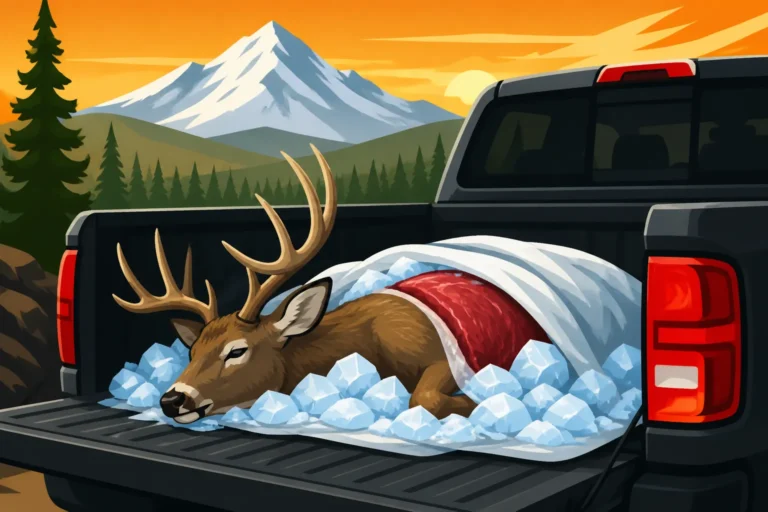
Bring plenty of lightweight, breathable game bags—synthetic ones are often preferred over cotton as they resist bacteria better and dry faster. If you're backpacking, plan for the number of trips and the weight per trip. For an average bull elk, you're looking at 4-6 trips with substantial loads. Once the meat is out of the backcountry, ensuring it stays cool for the drive home is critical. Utilizing coolers and plenty of ice is key for Cooling Meat in a Truck Bed and getting it to a processor or your home freezer in optimal condition.
Cultivating Mental and Physical Readiness for the Wild
Hunting in Oregon's roadless country isn't just about gear and strategy; it's a test of mental and physical fortitude. The wilderness demands respect and preparedness, pushing you beyond your comfort zone. Cultivating resilience in both body and mind is fundamental to a successful and safe multi-day backcountry experience.
Physical Conditioning for Rugged Oregon Terrain
The physical demands of hunting Oregon's backcountry cannot be overstated. You'll be navigating steep slopes, dense timber, uneven ground, and significant elevation changes, all while carrying a heavy pack. This isn't a casual stroll; it's an athletic endeavor. Building a robust fitness regimen well in advance of your hunt is absolutely essential. Focus on cardiovascular endurance through activities like hiking with a weighted pack, trail running, and stair climbing. Incorporate strength training, particularly for your core, legs, and back, as these muscle groups will bear the brunt of the work.
Don't neglect flexibility and mobility exercises to help prevent injuries. Consider training on terrain similar to what you'll encounter during your hunt. If you're going into the steep Cascades or Coast Range, find some hills. If it's Eastern Oregon's rimrock and sage, practice navigating uneven, rocky ground. The article on Physical Training for an Oregon Elk Hunt provides excellent guidance for preparing your body for these strenuous conditions. The fitter you are, the more enjoyable and effective your hunt will be, and the safer you'll be if an emergency arises.
Essential Navigation and Emergency Protocols
Beyond your primary GPS and map, always carry a personal locator beacon (PLB) or a satellite messenger like a Garmin inReach or Zoleo. These devices allow you to send emergency signals or communicate via text when out of cell service, providing a crucial lifeline in a truly remote situation. Regularly check weather forecasts before and during your trip, as conditions in the mountains can change rapidly and dramatically. Be prepared for rain, snow, and sudden temperature drops, even in shoulder seasons.
Develop a detailed trip plan and leave it with a trusted person at home. This plan should include your intended route, camp locations, expected return date, vehicle description, and emergency contact information. In case of an emergency, having someone know your whereabouts and expected timeline can significantly expedite a search and rescue operation. Practice your navigation skills regularly, even when not hunting. Knowing how to confidently read a topographic map and use a compass can be a lifesaver if your electronics fail.
Embracing the Solitude and Challenges of Remote Hunting
The allure of roadless country often stems from the promise of solitude—the chance to disconnect from the modern world and fully immerse yourself in nature. While this can be incredibly therapeutic, it also presents mental challenges. You'll be making decisions independently, facing physical discomfort, and potentially dealing with the emotional highs and lows of hunting without immediate support. Embrace the quiet, observe the subtle signs of the wild, and learn to trust your instincts.
Be prepared for unexpected challenges: a sudden injury, equipment failure, a missed opportunity, or simply extended periods of inclement weather. A positive mental attitude and the ability to problem-solve under pressure are invaluable assets. Remind yourself why you chose this adventure. The grit and determination required to succeed in Oregon's roadless country forge memories and skills that last a lifetime, far beyond the harvest itself.
Disclaimer
The information provided in this guide is for informational purposes only and is not a substitute for official regulations or professional advice. Hunting regulations in Oregon can change. Always consult the current Oregon Department of Fish and Wildlife (ODFW) hunting regulations, Forest Service, and Bureau of Land Management rules for the specific area you plan to hunt before embarking on any trip. Safety is paramount; be prepared, know your limits, and hunt responsibly.