Black Bear Populations Across Oregon
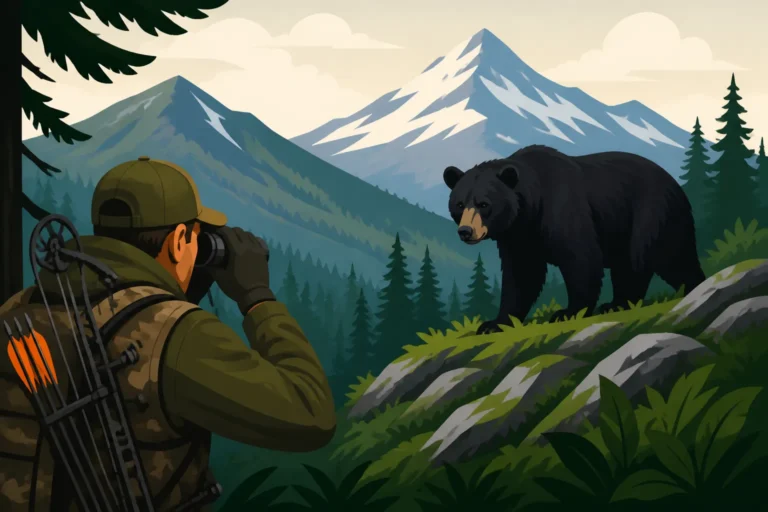
Understanding the ebb and flow of Oregon's black bear populations can sometimes feel like trying to track a ghost in the dense timber. One year, you might see them everywhere, tearing up huckleberry bushes or raiding apple orchards, and the next, they seem to vanish, leaving hunters and wildlife enthusiasts alike scratching their heads about where they've gone. This comprehensive guide will pull back the curtain on the actual state of black bear numbers across our diverse state, delving into how these elusive animals are counted, where they prefer to make their homes, the crucial factors that impact their survival, and how wildlife managers strive to balance bear health with human interests.
Estimating Black Bear Populations in Oregon
Counting creatures that are notoriously shy, solitary, and masters of camouflage like black bears is no easy feat. Unlike deer or elk, which often congregate in open areas or can be spotted in herds, bears are more spread out and prefer the thickest cover, making direct observation challenging at best. The Oregon Department of Fish and Wildlife (ODFW) employs a variety of sophisticated methods to try and get a handle on these elusive numbers, but it's important to remember that these are always estimates, not precise headcounts.
The Challenges of Counting Bears
Imagine trying to count every individual human in Portland if they all lived deep in the most overgrown parts of Forest Park and only came out at night. That's a bit like what wildlife biologists face when trying to quantify bear populations. Black bears are incredibly intelligent and adapt remarkably well to their surroundings, which often means staying hidden from human eyes. Their solitary nature, coupled with their preference for dense forests, makes traditional aerial surveys or roadside counts largely ineffective.
Instead, ODFW relies on a mix of indirect techniques. One common method involves the use of hair snares, which are essentially barbed wire fences set up around bait stations. Bears are naturally curious and attracted to the bait, and as they climb over or under the wire, they leave behind hair samples. These samples contain DNA, allowing biologists to identify individual bears and estimate population density through mark-recapture statistical models. It's a labor-intensive process, but it provides invaluable genetic data. Another crucial component is the analysis of harvest data from hunters, which offers insights into age structures, sex ratios, and general health of the population in hunted areas. Despite these efforts, getting a truly precise number is always going to be an ongoing challenge, meaning biologists are constantly refining their techniques and acknowledging the inherent variability in their estimates.
Current Population Estimates and Trends
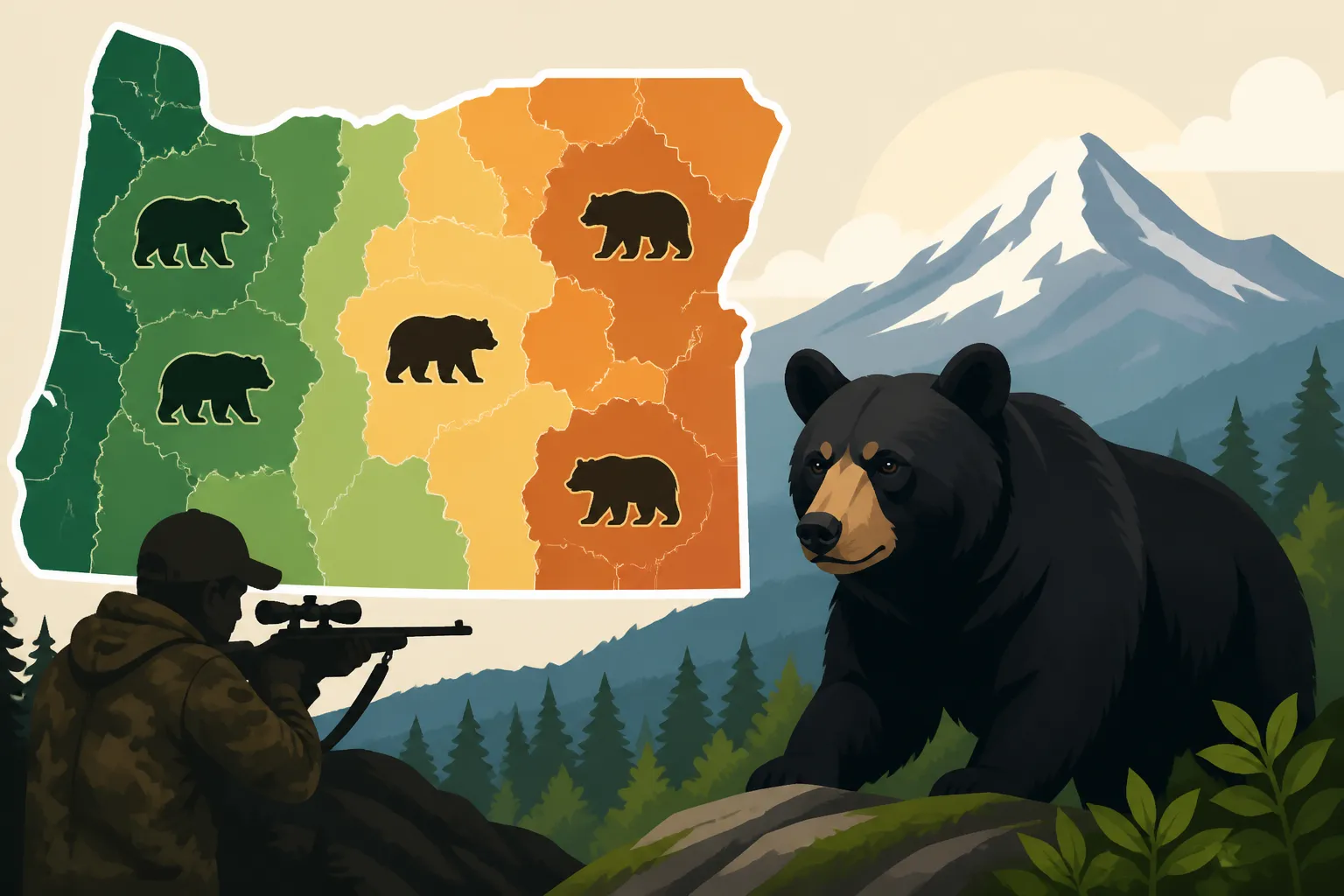
Despite the difficulties, ODFW actively monitors black bear populations, and the general consensus is that Oregon boasts a robust and healthy population, estimated to be somewhere in the range of 25,000 to 35,000 bears statewide. This is a far cry from historical lows experienced during early settlement periods when uncontrolled hunting and habitat destruction significantly reduced their numbers. Thanks to modern wildlife management and conservation efforts, black bears have made a remarkable comeback.
The trend has generally been stable, if not slightly increasing, in many regions, particularly in Western Oregon where habitat remains abundant and food sources are rich. While localized fluctuations can occur due to factors like severe winters, drought impacting berry crops, or increased human development, the overall trajectory has been positive. This healthy population allows for regulated hunting seasons, which are a vital tool for managing populations and preventing conflicts with humans, all while ensuring the long-term sustainability of the species. For hunters looking to understand these trends in specific areas, resources like GoHunt's mapping features can overlay unit boundaries with habitat data, giving you a clearer picture of where bears might be thriving.
Regional Distribution and Habitat Preferences
Oregon is an incredibly diverse state, ranging from the wet, temperate rainforests of the Coast Range to the arid high desert of the east. This variety of landscapes means that black bears, while adaptable, have distinct preferences that dictate where they are most commonly found. Understanding these regional differences is key to appreciating their ecological role and where you might encounter them, whether you're out hunting or just enjoying the wilderness.
Western Oregon: Coast Range and Cascades
If you're looking for prime black bear country in Oregon, the dense, verdant forests of the Coast Range and the western slopes of the Cascade Mountains are where you'll find the highest concentrations. These regions are a bear's paradise, characterized by:
- Dense Timber: Miles upon miles of conifer forests, offering abundant cover for bedding, raising cubs, and escaping detection. The sheer volume of thick understory provides excellent security.
- Consistent Moisture and Forage: Plentiful rainfall supports lush vegetation, which in turn leads to an abundance of berries—huckleberries, blackberries, salal, and elderberries—that bears feast on throughout the summer and fall. These areas are also rich in insects, grubs, and the occasional salmon run, all critical food sources.
- Optimal Breeding Grounds: The combination of ample food, water, and cover creates ideal conditions for reproduction and cub survival.
Units within the Siuslaw, Tillamook, and Willamette National Forests are prime examples of this rich habitat. Hunters pursuing Blacktail Deer Hunting in Oregon's Coastal Clearcuts often encounter bears feeding on the same forage, showcasing the significant overlap in their preferred environments. In these areas, bears can achieve some of the highest densities in the state, leading to robust populations and good hunting opportunities during Oregon Spring and Fall Bear Seasons.
Eastern Oregon: Blue Mountains and High Desert Margins
While Western Oregon is undeniably the bear stronghold, Eastern Oregon also holds significant, albeit often more localized, black bear populations. The landscape here is vastly different—drier, more open, and dominated by ponderosa pine forests, juniper woodlands, and sagebrush steppe. Bears in Eastern Oregon tend to be found in:
- Conifer Forest Islands: The Blue Mountains, Strawberry Mountains, and other isolated mountain ranges provide critical pockets of suitable habitat. Here, bears rely heavily on the higher elevation forests, particularly those with good huckleberry and chokecherry crops, as well as riparian zones along rivers and creeks.
- Resource Dependence: Bears in drier climates are often more dependent on specific water sources and the concentrated food found in river bottoms or mountain meadows. They may travel significant distances between these resources, especially during drought years.
- Lower Densities: Generally, bear densities are lower in Eastern Oregon compared to the west side. However, areas within the Wallowa-Whitman, Umatilla, and Ochoco National Forests can still offer excellent bear hunting, particularly in units with a good mix of timber, water, and forage. Hunters often notice a different pattern of bear movement, with bears potentially being more visible as they traverse open country between food and cover.
It's also worth noting the unique adaptations of bears in these different environments. Western Oregon bears, with their consistent food supply, might grow larger, while Eastern Oregon bears might have more varied diets, incorporating pine nuts, roots, and even antler sheds, as discussed in detail in guides like Bear Diet Through the Oregon Seasons. This regional variation truly highlights the black bear's incredible adaptability across Oregon's varied terrain.
Factors Influencing Oregon's Bear Numbers
Oregon's black bear populations, while currently healthy, are not static. They are constantly influenced by a complex interplay of environmental conditions, food availability, predation, and human activities. Understanding these factors is crucial for wildlife managers to ensure the long-term health and stability of these magnificent animals.
Habitat Quality and Food Availability
The old adage "food, water, and shelter" rings especially true for black bears. Their survival and reproductive success are directly tied to the quality of their habitat and the abundance of seasonal food sources.
- Diverse Forage: Bears are omnivores, and a diverse diet is key to their health. This includes a wide array of berries (huckleberries, blackberries, salmonberries), nuts (acorns, pine nuts), grasses, roots, fungi, insects (ants, grubs), and carrion. In areas where certain food sources are limited due to drought, disease affecting berry crops, or natural cycles, bears may struggle to put on enough fat for hibernation, impacting cub survival rates the following spring. Areas rich in diverse vegetation and a mix of forest ages tend to support healthier bear populations.
- Logging Practices: Modern forestry practices, particularly clearcutting, can have mixed impacts. Fresh clearcuts, over time, can become prolific berry patches, providing a temporary boom in food for bears. However, the initial removal of mature forests also means a loss of critical cover and denning sites. Sustainable forest management that integrates diverse logging techniques and retains riparian buffers is essential for maintaining a healthy mosaic of habitat. We often use tools like GoHunt to analyze satellite imagery, identifying clearcuts and old-growth patches that provide both food and cover for bears.
- Water Sources: Especially in the drier regions of Eastern Oregon, reliable water sources are non-negotiable. Bears need water not just for drinking, but also for wallowing to cool down and for supporting the vegetation that provides their food. Drought conditions can force bears to concentrate around fewer water sources, potentially increasing competition and stress.
Predation, Disease, and Human Interaction
Beyond habitat and food, several other elements weigh heavily on black bear populations, contributing to their natural cycles of recruitment and mortality.
- Natural Predation: While adult black bears have few natural predators other than other bears, cubs can fall prey to larger carnivores like cougars. A healthy population of bears is part of a balanced ecosystem, and their interactions with other species like cougars play a role in maintaining that balance, which is often discussed in topics like Elk Calf Survival and Predation in Oregon. Even with a growing wolf presence in parts of Oregon, their impact on established adult bear populations is generally minimal, though they may occasionally predate on cubs.
- Disease: Fortunately, black bears in Oregon are generally quite healthy. They are not currently facing widespread, devastating diseases. However, wildlife agencies continuously monitor for emerging threats, as disease outbreaks could quickly decimate local populations.
- Human Interaction: This is arguably the most significant non-natural factor.
- Hunting: Regulated hunting is a critical management tool, as highlighted in Bear Hunting in Oregon Without Bait or Hounds. It helps to maintain populations at levels compatible with habitat capacity and reduces human-bear conflicts. Harvest data provides valuable insights into population health.
- Road Mortality: As human development expands, bears are increasingly forced to cross roads, leading to vehicle collisions.
- Agricultural Damage & Depredation: Bears sometimes raid orchards, beehives, or livestock, leading to conflicts with landowners. ODFW issues depredation permits in such cases to mitigate losses and protect human livelihoods.
- Poaching: Illegal hunting remains a concern, undermining conservation efforts and removing animals from the population without proper monitoring.
Understanding When Oregon Bears Den and Emerge is also crucial for minimizing human-bear conflicts, particularly around den sites, and for regulating hunting seasons to avoid disturbance during critical periods.
Black Bear Management and Conservation Efforts
Managing a thriving species like the black bear involves a delicate balance of science, public input, and adaptive strategies. Oregon's approach to black bear management focuses on ensuring sustainable populations while minimizing conflicts with humans and other wildlife. It's a continuous effort that relies heavily on data collection, education, and regulated hunting.
ODFW's Role in Population Management
The Oregon Department of Fish and Wildlife (ODFW) is the primary agency responsible for black bear management. Their work is multifaceted and guided by the best available science:
- Regulated Hunting Seasons: One of the most effective tools for managing a healthy bear population is regulated hunting. Oregon offers both spring and fall bear seasons, with specific tag allocations and rules designed to control harvest pressure. For instance, Oregon explicitly prohibits baiting and the use of hounds for bear hunting, distinguishing its practices from many other states. These regulations are designed to ensure that hunting is challenging and that harvest remains within sustainable limits. Hunters seeking details on specific unit regulations and dates can consult the ODFW regulations, often available through platforms like GoHunt that integrate official data. Understanding the Oregon Spring and Fall Bear Seasons is paramount for any hunter planning to pursue these animals.
- Population Monitoring Programs: As discussed, ODFW employs various techniques, including hair snares, genetic analysis, and mandatory harvest reporting, to track population trends. This data helps biologists assess the effectiveness of current management strategies and make informed decisions about future tag numbers and season structures. The information gathered when hunters report their harvest after purchasing their Oregon Bear Tag Cost is invaluable for these assessments.
- Research and Habitat Protection: ODFW also conducts research into bear ecology, movement patterns, and habitat use to better understand their needs. This knowledge informs efforts to protect critical bear habitat, especially denning sites and important foraging areas.
- Public Education: Educating the public on how to coexist with bears is a significant part of ODFW's mandate. This includes advice on proper food storage in bear country, what to do if you encounter a bear, and how to prevent attracting bears to residential areas.
Balancing Wildlife and Human Needs
The goal of bear management isn't just about the bears themselves; it's also about managing the interactions between bears and people. A healthy, abundant bear population sometimes means increased encounters with humans, which can lead to conflicts.
- Mitigating Conflicts: ODFW works with landowners and communities to address issues like property damage (e.g., to orchards, beehives, livestock) and public safety concerns. This can involve providing advice on deterrents, issuing depredation permits for problem bears, or relocating bears when appropriate and feasible. The aim is always to prevent chronic issues and reduce the need for more drastic measures.
- Conservation of Key Habitats: Protecting and enhancing bear habitat ensures that bears have sufficient space and resources, which in turn can reduce their need to venture into human-dominated areas in search of food. This includes advocating for sustainable land use practices and participating in habitat restoration projects.
- Hunter Contribution to Conservation: Hunters play a crucial role, not just in population management through harvest, but also financially. Revenue generated from the sale of hunting licenses and tags directly funds ODFW's wildlife management, research, and conservation programs, benefiting bears and countless other species. Furthermore, hunters often act as the eyes and ears in remote areas, reporting unusual bear activity or potential issues, contributing to the overall knowledge base for management. Hunters also often learn to discern between animals, such as with Judging a Boar From a Sow at Distance, which aids in selective harvest and management goals.
Oregon's approach acknowledges that thriving bear populations are a sign of healthy ecosystems, and by proactive management, the state can continue to support these iconic animals for generations to come.
Interactions Between Bears and Humans
As black bear populations remain robust and human expansion into traditional bear habitats continues, interactions between these animals and people are inevitable. Understanding how to coexist respectfully and safely with bears is paramount, whether you're a hunter in the deep woods or a homeowner living near a forested edge.
Avoiding Conflicts in Bear Country
The vast majority of human-bear conflicts stem from bears seeking food. Bears are incredibly intelligent and opportunistic, and once they associate humans with an easy meal, problems often arise.
- Proper Food Storage is Key: This cannot be stressed enough. When camping, always store food in bear-resistant containers, hung from a tree, or locked in a vehicle (not in your tent!). If you're backpacking, a bear canister is a mandatory piece of gear in many areas. For those living in rural or semi-rural areas, secure trash cans, remove fallen fruit from orchards, and avoid leaving pet food outside. Even bird feeders can attract bears. Ignoring these simple steps can lead to habituated bears, which often results in them having to be relocated or, tragically, euthanized.
- Managing Waste: Scent control goes beyond just food. Anything with an odor, including toiletries, cooking utensils, and even the clothes you cooked in, should be stored securely.
- Encountering Bears: If you do come across a bear, the general rule is to make noise, make yourself look large, and never run. Running can trigger a chase response. Back away slowly while facing the bear. Most black bears are more scared of you than you are of them and will retreat if given the chance. If a bear approaches you and doesn't retreat, it may be habituated to humans or protecting cubs (though sows with cubs are usually more intent on getting away). In the rare event of a physical attack, fight back aggressively. Knowing what bears typically eat during different times of the year, as detailed in Bear Diet Through the Oregon Seasons, can also help you anticipate their presence in certain areas.
- Know Your Area: Before heading into bear country, check local ODFW advisories or Forest Service alerts for recent bear activity. Tools like GoHunt can often show recent wildlife sightings or areas with known conflicts, giving you a heads-up on potential hot spots.
The Role of Hunters in Population Health
Hunters, through their participation in regulated seasons, contribute significantly to both the management and conservation of Oregon's black bear populations. It's a responsibility that comes with specific duties and benefits.
- Data Contribution: Every hunter who successfully harvests a bear is required to report their kill to ODFW. This harvest data is critical. It provides biologists with information on the number of bears taken, their sex, age, and location. This data, combined with other monitoring techniques, allows ODFW to assess population health, track trends, and adjust management strategies, such as setting tag quotas or modifying season dates for future years. This is part of the broader system that also covers topics like Oregon Cougar and Bear Tags.
- Maintaining Healthy Populations: Regulated hunting helps keep bear populations at ecologically and socially acceptable levels. Without harvest, bear numbers could grow to a point where competition for food intensifies, leading to poorer bear health, increased disease transmission, and more frequent conflicts with humans. Hunters remove individual animals, often larger boars, which can influence the social structure and dispersion of bears, contributing to a more balanced ecosystem.
- Financial Investment in Conservation: The money generated from the sale of hunting licenses and bear tags goes directly back into ODFW's wildlife management and conservation efforts. This includes funding for research, habitat improvement projects, law enforcement (to combat poaching), and public education initiatives that benefit not only bears but all wildlife in Oregon. The Oregon Bear Tag Cost, while an expense for the hunter, is a direct investment in the future of Oregon's wildlife.
- Ethical Hunting Practices: Responsible hunters adhere to all regulations, practice ethical shot placement, and are committed to retrieving and utilizing the meat from their harvest. They understand that their actions reflect on the entire hunting community and that respect for the animal and the resource is paramount. When considering the size of bears, especially if wondering Where Oregon's Biggest Bears Live, ethical hunters focus on the overall health of the population and the quality of the hunting experience, rather than solely on trophy size.
By actively participating in regulated hunting and adhering to best practices for living in bear country, hunters are integral partners in ensuring that black bears continue to thrive across Oregon's diverse landscapes.
Disclaimer
Please remember that hunting regulations, seasons, and wildlife population estimates can change. Always consult the most current Oregon Department of Fish and Wildlife (ODFW) regulations and advisories before planning any hunting trip or engaging in activities in bear country. This guide is for informational purposes only and does not constitute official legal advice or supersede ODFW regulations.