Bull-to-Cow Ratios in Oregon Elk Herds
It's a familiar feeling for many Oregon hunters: you spend days in the backcountry, navigating dense timber or expansive sagebrush, and you see plenty of elk – mostly cows and calves. But where are the bulls? You might hear whispers about a "great unit" with "lots of bulls," but what does that actually mean from a population standpoint? This guide is here to demystify bull-to-cow ratios in Oregon elk herds, helping you understand how these numbers influence your hunting success and what strategies can help you find those elusive antlered animals.
Understanding Bull-to-Cow Ratios in Elk Herds
When we talk about the health and hunting potential of an elk herd, one of the most critical metrics we look at is the bull-to-cow ratio. This isn't just some dry scientific figure; it's a vital indicator that directly impacts your chances of finding a bull and the overall experience of your hunt. Ignoring it is like trying to guess the weather without looking at the sky – you might get lucky, but you're probably going to get wet.
What Exactly is a Bull-to-Cow Ratio?
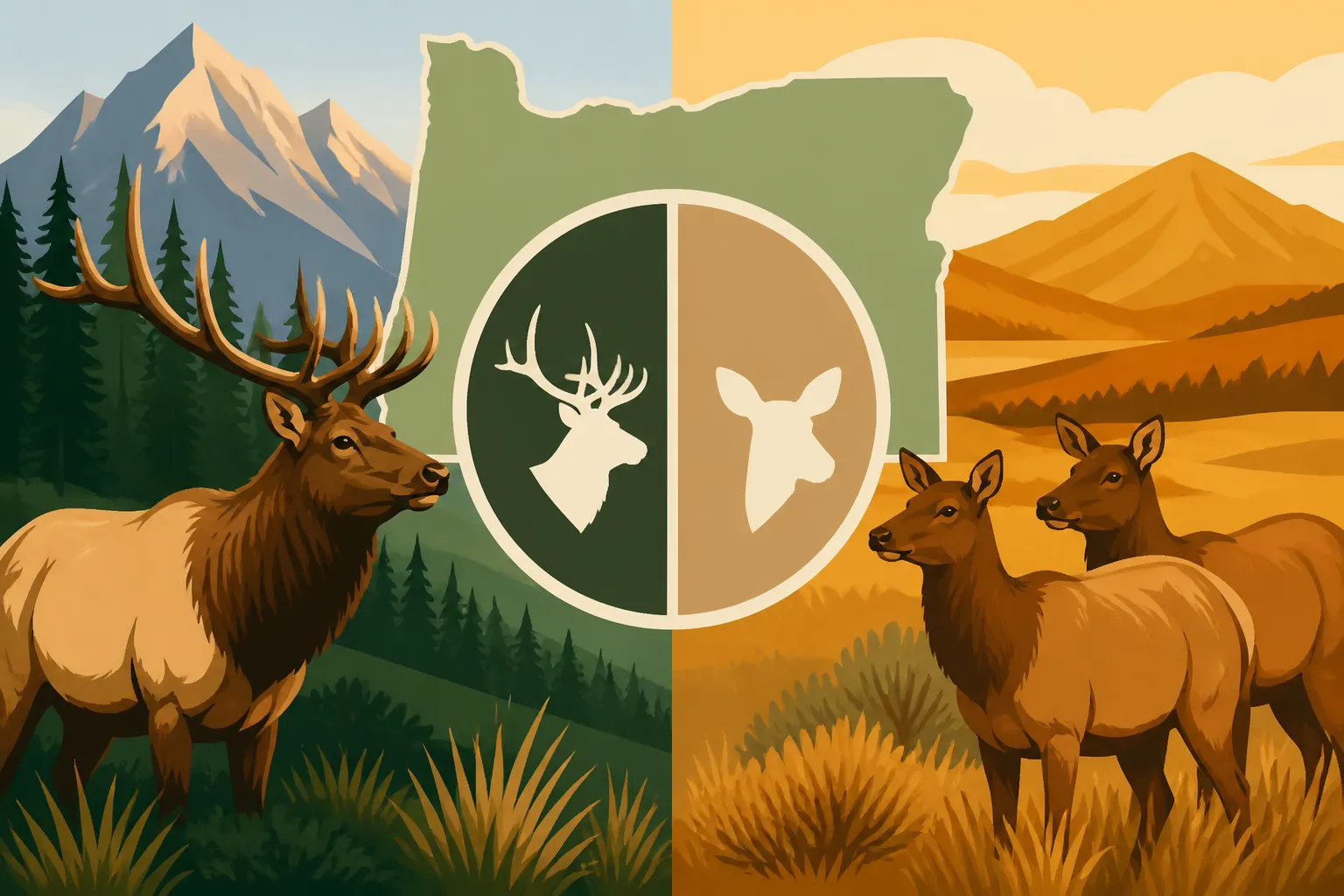
At its core, a bull-to-cow ratio is simply the number of bulls observed per 100 cows in an elk population. So, if a unit has a ratio of 20:100, it means for every 100 cow elk, there are 20 bulls. This number isn't just pulled out of thin air; it's typically derived from post-season surveys conducted by wildlife agencies like the Oregon Department of Fish and Wildlife (ODFW). They might use aerial counts from helicopters, ground observations, or a combination of methods to get a snapshot of the herd composition after the hunting seasons have wrapped up.
For us as hunters, this ratio is incredibly important because it gives us a direct indication of hunting opportunity. A unit with a high bull-to-cow ratio suggests a healthier, more balanced herd with a greater number of bulls available, often including a higher proportion of mature animals. Conversely, a low ratio might point to either intense hunting pressure on bulls, a struggle with calf survival, or a combination of factors that make finding a bull much more challenging. It helps you set realistic expectations for your hunt and guides your research into potential hunting grounds.
Think of it like this: if you're looking to catch a specific type of fish, you'd want to know if the lake you're fishing in has a lot of those fish, or just a few. The bull-to-cow ratio is our "fish count" for elk. It’s a foundational piece of data when you're trying to figure out where to apply for a controlled hunt or which general season unit might offer the best odds for finding a bull. Without this context, every unit looks the same on the map, and we know that's just not the reality on the ground.
Why These Ratios Fluctuate
Elk herds are dynamic, living organisms, and their composition is constantly shifting. Bull-to-cow ratios are far from static; they ebb and flow based on a complex interplay of natural and human-influenced factors. Understanding these fluctuations is key to grasping the full picture beyond just a single number.
One of the most significant factors influencing these ratios is hunting pressure. More tags, longer seasons, or more liberal weapon choices in a particular unit can drastically reduce the bull segment of the population. This is especially true in general season units where hunter numbers are often high. After a few weeks of intense hunting, the remaining bulls can become extremely wary, or simply, there are fewer of them left to pursue. Predation also plays a huge role. In areas with significant populations of predators like cougars and wolves, elk calf survival and even adult bull survival can be impacted, leading to shifts in herd composition.
Beyond hunting and predation, environmental conditions have a profound effect. Harsh winters, for instance, can lead to increased mortality, especially among calves and older animals, which indirectly affects the ratio. Habitat quality, too, is a silent player. Units with abundant, high-quality forage and secure cover tend to support healthier elk populations, including better bull survival and growth. This is where researching Elk Calf Survival and Predation in Oregon can offer deeper insights into the overall health and challenges of specific herds, and why understanding a unit’s specific environmental pressures is so important for hunters.
Lastly, the regulations themselves are a direct mechanism ODFW uses to manage these ratios. Decisions about spike-only hunts versus branch-antlered bull hunts, or the total number of tags issued for either general or controlled seasons, are all strategic choices aimed at achieving specific bull-to-cow ratio goals for a given unit. These rules are constantly being tweaked to balance hunter opportunity with herd health, and sometimes, it can feel like a moving target for us trying to keep up.
How Oregon Manages Elk Ratios for Hunting Success
Oregon's approach to elk management is a balancing act, aiming to provide hunting opportunities while maintaining healthy, sustainable herds. The strategies employed vary considerably across the state, largely dictated by factors like habitat, elk subspecies, and historical hunting pressure. This tiered approach directly influences the bull-to-cow ratios you'll encounter and, by extension, your hunting strategy.
Management Objectives Across the State
ODFW sets specific management objectives for each elk unit, and these objectives often include a target range for the bull-to-cow ratio. These targets aren't arbitrary; they reflect a blend of ecological considerations and hunter demand. For instance, some units might be managed for a higher proportion of older, larger bulls to provide more "trophy" opportunities, which typically means very limited controlled hunts and high point requirements. Other units, often those with general seasons, might have lower bull ratio objectives but aim to provide broader access and more opportunities for hunters to simply fill a tag, regardless of antler size.
The distinct subspecies of elk in Oregon also influence management. The Roosevelt Elk in Western Oregon thrive in dense, wet timber, while the Rocky Mountain Elk in Eastern Oregon prefer more open country and often form larger herds. These ecological differences necessitate different management approaches. For example, managing Roosevelt elk might focus more on habitat access and mitigating timber harvest impacts, whereas Rocky Mountain elk management might prioritize winter range protection and understanding migration corridors. These differing conditions naturally lead to different achievable bull-to-cow ratios, making a one-size-fits-all approach impossible.
Ultimately, the bull-to-cow ratio goals directly impact the number of tags ODFW issues each year for a given unit. If a unit's post-season surveys reveal a ratio below the management objective, ODFW might reduce the number of bull tags for the following season to allow the population to rebound. Conversely, if ratios are healthy or even exceeding objectives, they might increase tag allocations slightly. This delicate calibration is always under review and forms the backbone of how hunting seasons are structured across the state, making annual regulations a critical document for any serious hunter.
The Role of Controlled Hunts and General Seasons
The distinction between controlled hunts and general seasons is paramount when discussing bull-to-cow ratios in Oregon. This fundamental difference in how tags are allocated and access is managed creates vastly different hunting experiences and, consequently, different herd structures. Understanding this is key to deciphering those unit statistics and planning your ideal hunt.
Controlled hunts, which require applying through the Oregon Controlled Hunt Draw Explained process, are designed to limit hunter numbers in specific units, often with the express goal of producing higher bull-to-cow ratios and a greater proportion of mature animals. Because fewer hunters are pursuing a limited number of bulls, these areas often maintain ratios significantly higher than general season units. This translates to a better chance of seeing bulls, hearing more rut activity, and potentially encountering older, larger animals. However, the trade-off is often low draw odds and the need for accumulated preference points to secure a tag. Many hunters use resources like GoHunt to analyze draw odds and strategize their applications for these coveted tags.
On the other hand, general season hunts, which are available over-the-counter or with very high draw odds, typically operate with lower bull-to-cow ratio objectives. The sheer volume of hunters and the broader access means that bulls are subjected to much higher pressure. While you might have more flexibility to hunt a general season unit, you'll often find that the bull population has been significantly reduced or pushed into the densest cover within the first few days of the season. This doesn't mean finding a bull is impossible, but it demands different tactics, often focusing on areas overlooked by others, or understanding how bulls use thick cover. Looking into Oregon General Season Versus Controlled Hunt Tags can further clarify these differences and help you decide which path aligns best with your hunting goals and expectations.
The dynamic of hunter pressure in general seasons can quickly change the on-the-ground reality of bull availability. Even if a unit starts with a decent ratio, sustained pressure can scatter bulls, make them nocturnal, or simply remove many from the population. This highlights why pre-season scouting, especially for general season hunts, is so critical. You're not just looking for elk, you're looking for bull elk that have managed to evade early season pressure, often by finding remote pockets of cover or utilizing less-accessible terrain.
Interpreting Ratios for Your Hunt Planning
Knowing a unit's bull-to-cow ratio is like having a secret weapon in your hunt planning arsenal. It helps you anticipate the kind of hunting experience you'll have and allows you to tailor your strategies accordingly. Whether you're chasing trophy-class animals or just looking to fill your freezer, understanding what these numbers really mean on the ground is invaluable.
High Ratios: What They Mean for Your Hunt
When you're looking at units with consistently high bull-to-cow ratios, you're generally stepping into a different class of hunting opportunity. These are the areas where you're more likely to see a greater number of bulls during your hunt, and often, a higher proportion of mature, branch-antlered animals. This can lead to more intense rut activity in September, creating thrilling calling opportunities, and simply increases your odds of finding a legal bull. It’s also often a sign of excellent habitat and sound long-term management.
These higher ratios are typically found in Oregon's limited-entry controlled hunt units, where tags are scarce and competition is fierce. Examples might include certain units within the Blue Mountains for Rocky Mountain elk or specific zones in the Coast Range managed for Roosevelt elk. If you're fortunate enough to draw one of these tags, you've essentially won the lottery in terms of opportunity. You can afford to be more selective, focusing your efforts on finding the specific animal you're looking for. Tools like GoHunt are incredibly useful for dissecting these unit reports, allowing you to see historical bull-to-cow ratios and analyze draw odds over time, giving you a statistical edge in your application process.
However, a high ratio doesn't necessarily mean an easy hunt. Often, these high-ratio units are remote, rugged, or have challenging terrain, which is precisely why some bulls survive to maturity. Your fitness and willingness to get off the beaten path become crucial. Even in these prime areas, Public Land Scouting in Oregon Before the Draw Results is still paramount. You'll want to identify specific drainages, feed areas, and bedding cover where these bulls are likely to concentrate, rather than just wandering aimlessly hoping to stumble across one.
Low Ratios: Challenges and Opportunities
Hunting in units with lower bull-to-cow ratios presents a different set of challenges, and it's where many general season hunters find themselves. You might encounter plenty of elk, but the visible bulls, especially mature ones, can be few and far between. This often requires a significant shift in hunting strategy and a deep understanding of elk behavior under pressure. The frustration of seeing dozens of cows but no bulls is a common complaint in these areas, and it's a direct result of the population dynamics.
The primary challenge is simply finding a legal bull. They've likely been pressured heavily, becoming more nocturnal, or retreating to the densest, most inaccessible cover they can find. This is where tactics like Still-Hunting Speed in Wet Brush become invaluable, moving slowly and deliberately through thickets where bulls might be hiding. You also need to become a master at Reading Clearcut Edges for Blacktail Bucks (and similarly for elk) or other forms of dense cover, understanding where a pressured animal would seek refuge and how to approach those areas stealthily.
Despite the challenges, opportunities still exist. Low-ratio units often have more liberal tag availability, making them accessible to a wider range of hunters. Success often comes down to meticulous scouting, understanding overlooked pockets of habitat, and being persistent. Focus on areas with limited human access – steep canyons, distant ridges, or private timberlands that might offer walk-in only access. These areas often serve as refugia where a few older bulls can survive the season. When you find a good area, resources like GoHunt can help you cross-reference recent harvest data and unit information to identify specific locations that might produce a bull, even in a unit with a generally low ratio.
Beyond the Numbers: Other Factors to Consider
While bull-to-cow ratios are a critical piece of the puzzle, they're by no means the only factor determining your hunting success. Elk are complex creatures, and their behavior and distribution are influenced by a myriad of environmental variables. Smart hunters always look beyond the raw numbers to integrate a broader understanding of the ecosystem.
Habitat quality is a huge, often underestimated, factor. A unit with excellent forage, abundant water sources, and diverse cover—from dense bedding areas to open feeding grounds—will generally hold more elk and healthier animals, regardless of the baseline ratio. Consider areas that have seen recent wildfires or timber harvest, as these can create new forage opportunities that attract elk. Hunting a Recent Burn for Elk can be incredibly productive, as new growth provides a feast for herbivores. Understanding how elk use their environment in a particular unit, from their travel patterns to their bedding and feeding habits, is paramount.
Weather patterns, too, are game-changers. Early season heat can make elk nocturnal and push them higher in elevation, while a sudden cold snap or early snow can trigger migrations and concentrate animals in wintering areas. The presence of predators, such as wolves or Cougars in Oregon After the Hound Ban, can also profoundly impact elk behavior, making them more vigilant, changing their travel routes, and even influencing herd sizes and distribution. When scouting or planning your hunt, consider these elements. A unit with a decent bull-to-cow ratio might still be a tough hunt if the weather isn't cooperating or if predator pressure has made the elk extremely skittish.
Resources for Understanding Oregon Elk Ratios
Navigating the world of elk ratios and hunt planning can feel daunting, but thankfully, there are numerous resources available to help you make informed decisions. Leveraging these tools can significantly boost your understanding of herd dynamics and improve your chances of success in the field.
ODFW Reports and Statistics
The Oregon Department of Fish and Wildlife (ODFW) is the primary source of official data on elk populations and management. They produce annual reports and statistics that are invaluable for hunters. These documents often include detailed breakdowns of herd composition, harvest data, and, crucially, bull-to-cow ratios for specific units or larger herd ranges. While the information can sometimes be presented in a technical format, it’s the most accurate picture you’ll get directly from the folks managing the herds.
You can typically access these reports through the ODFW website, often under sections related to big game management plans or annual harvest statistics. They'll show you not just the current ratios but also trends over several years, allowing you to see if a unit's bull population is declining, stable, or increasing. This historical perspective is vital because a single year's data point doesn't always tell the whole story. Remember that these ratios are usually unit-wide averages. What you see on one ridge might be very different from what's happening in a distant drainage, which means your E-Scouting Oregon Units With Satellite Imagery and boots-on-the-ground efforts are still critical for pinpointing localized hotspots.
The ODFW reports are also where you'll find information about specific management goals for each unit. Understanding whether a unit is managed for "opportunity" or "quality" can drastically change your expectations and approach. For example, a unit managed for opportunity might have a target ratio of 10-15 bulls per 100 cows, while a quality unit might aim for 20-30 or even higher. This context helps you understand why tag numbers are set as they are and what kind of hunting experience the state is trying to provide.
Digital Scouting Tools and Communities
In today's hunting world, digital scouting tools have become indispensable for delving deeper into elk ratios and overall hunt planning. Platforms like GoHunt offer advanced analytical tools that can take ODFW data and present it in a more digestible, actionable format. These services often track draw odds, harvest success rates, and bull-to-cow ratios for every unit, sometimes providing proprietary insights that help hunters make more strategic application choices. They allow you to compare units side-by-side, quickly identify trends, and understand the point creep in popular units.
Beyond the raw numbers, digital mapping applications such as onX Hunt or Basemaps are fantastic for combining ratio data with the physical landscape. Once you have an idea of a unit's general bull population, you can use these apps to identify potential bull habitat – remote timber stands, north-facing slopes with good bedding cover, areas near secure public/private land boundaries, or historical elk migration corridors. By layering public land boundaries, roads, wilderness areas, and topography, you can virtually scout for those hard-to-reach pockets where bulls might concentrate. This detailed mapping can also help you plan your access points and evaluate the physical demands of a hunt in a specific area, tying into your preparation for things like Physical Training for an Oregon Elk Hunt.
Finally, online hunting forums and communities can provide a wealth of anecdotal information and real-world experiences. While always taking such information with a grain of salt, these platforms allow hunters to share insights, ask questions, and discuss current conditions in various units. You might pick up tips on overlooked areas, specific elk behaviors, or recent changes in herd dynamics that aren't yet reflected in official reports. Combining official data from ODFW, advanced analytics from GoHunt, and the ground-level perspective from mapping tools and fellow hunters creates a comprehensive picture that empowers you to make the most informed decisions for your Oregon elk hunt.
| Ratio Range (Bulls:100 Cows) | Typical Hunt Type | Hunter Experience | Success Rate Outlook | Key Strategy |
|---|---|---|---|---|
| 5-10:100 | General Season | Challenging, few bulls | Low to Moderate (spike focus) | High effort, deep cover, silent hunting |
| 10-15:100 | General/Controlled (high pressure) | Moderate challenge, some mature bulls | Moderate | Early season scouting, calling in thick timber |
| 15-20:100 | Controlled Hunt | Good opportunity, decent mature bulls | Moderate to High | Thorough scouting, patient calling, spot-and-stalk |
| 20-30+:100 | Premium Controlled Hunt | Excellent opportunity, high mature bull presence | High | Selective hunting, focused calling, extensive glassing |
Disclaimer
This article is for general informational purposes only and does not constitute professional advice. Laws, prices and regulations vary by location and change over time. Consult a qualified professional for guidance on your specific situation.