Oregon Cougar Population Numbers
Understanding how many cougars actually roam Oregon's vast landscapes can feel like trying to pin down a ghost. Hunters, landowners, and outdoor enthusiasts alike often wrestle with the true numbers, especially when you hear conflicting reports or observe just how elusive these incredible animals truly are. It’s a common frustration to wonder about the health of the population when direct observation is so rare. This guide will take a deep dive into Oregon's cougar population, exploring how these secretive numbers are estimated, the historical trends that have shaped them, and the critical factors influencing these apex predators across our diverse state.
The Elusive Nature of Counting Cougars in Oregon
Trying to get an accurate count of cougars, also known as mountain lions, in Oregon is a monumental task, akin to counting individual raindrops in a rainforest. Unlike deer or elk, which can sometimes be seen in large herds or even spotted from aerial surveys in open country, cougars are solitary, secretive, and masters of camouflage. This inherent elusiveness makes traditional population counting methods largely ineffective and means wildlife biologists have to get creative, often relying on indirect signs and advanced techniques to piece together the puzzle.
Why Cougars are so Difficult to Count
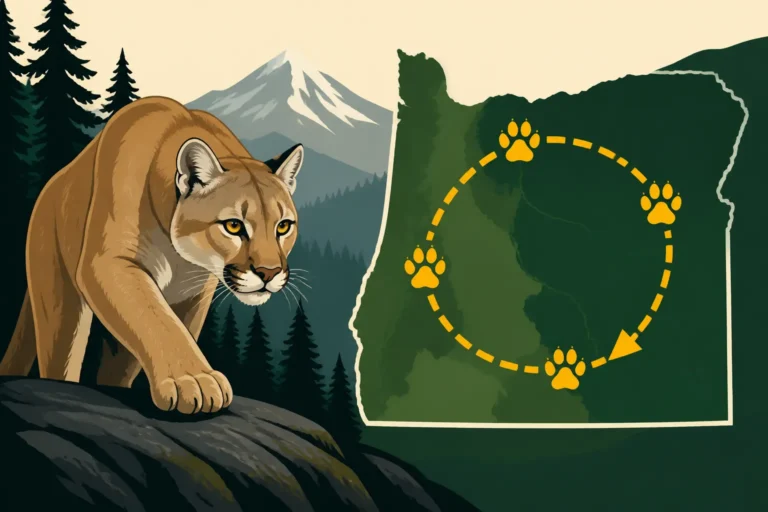
Imagine trying to track a shadow through dense timber or across vast, rocky terrain. That's essentially the challenge with cougars. These magnificent cats are predominantly nocturnal or crepuscular, meaning they are most active at dawn and dusk, when light is low and human activity is generally less. Their coloration blends seamlessly with forest undergrowth, sagebrush, and rock formations, making them incredibly hard to spot even when they are relatively close. Their home ranges can be enormous, with a single male cougar sometimes patrolling hundreds of square miles, further complicating efforts to track and count them. It’s not like counting elk in an open field, where you can get a relatively quick estimate; a cougar might cross multiple counties in a month, leaving very little evidence of its passage.
Furthermore, cougars are acutely aware of their surroundings and generally avoid human contact. They are excellent at remaining hidden, often using thick cover and topographical features to stay out of sight. This avoidance behavior, while beneficial for their survival, means that sightings are rare and opportunistic, providing little consistent data for population models. Even experienced hunters or seasoned backcountry users can spend years in cougar country without ever laying eyes on one, relying instead on tracks, scat, or prey carcasses as evidence of their presence. These factors combined create a significant hurdle for wildlife managers trying to generate precise population figures.
Methods Oregon Uses for Population Estimation
Despite the challenges, the Oregon Department of Fish and Wildlife (ODFW) employs a variety of scientific methods to estimate cougar populations. These aren't simple headcounts but rather sophisticated statistical models based on multiple data sources. One key approach involves extensive scat analysis. Biologists collect cougar droppings, and using DNA extracted from the cells in the scat, they can identify individual animals. Over time, collecting samples from the same area allows them to estimate the number of unique individuals present and, by extension, the population density. This method helps to provide a snapshot of population health and distribution without directly handling the animals.
Another valuable tool is track surveys, particularly in areas with consistent snow cover or soft ground, where cougar tracks can be reliably identified and followed. While not providing an exact count, these surveys offer insights into the presence and relative abundance of cougars in a given region. Trail camera studies are also increasingly utilized, though deploying enough cameras across vast cougar territories to get truly representative data is a logistical challenge. Finally, harvest data, which includes information on cougars taken by licensed hunters, plays a significant role. The ODFW meticulously tracks harvest numbers, locations, and biological information from harvested animals. By integrating these harvest statistics with other field data, biologists can create complex population models that help inform management decisions and provide a working estimate of the statewide cougar population. Hunters using platforms like GoHunt often consult summaries of this data to understand trends in specific hunt units.
Understanding Oregon's Cougar Population Trends
Oregon's cougar population has seen some significant shifts over the last few decades, largely influenced by changes in management philosophy and public sentiment. Understanding these trends requires looking back at historical approaches and then examining how current conditions and policies impact cougar numbers today. It’s a dynamic picture, constantly evolving with ecological changes and human interaction.
Historical Context and the Hound Ban's Impact
Historically, cougars in Oregon were often viewed as varmints or threats to livestock and big game populations. For many years, bounties were placed on them, and hunting with hounds was a primary method of control. This period saw cougar numbers significantly reduced in many areas. However, public perception began to shift, leading to Measure 18 in 1994, which made it illegal to hunt cougars with the aid of dogs. This legislative change profoundly impacted cougar management and the population itself. While hunters can still pursue cougars, the ban on hounds removed one of the most effective tools for harvesting these elusive animals.
Following the hound ban, Oregon's cougar population saw a notable increase in many regions. Without the pressure from hound hunting, cougars were able to expand their ranges and reproduce more successfully. This increase, however, brought new challenges, including more frequent human-wildlife conflicts, particularly with livestock depredation in some rural areas. The period since 1994 has been a learning curve for wildlife managers, balancing conservation goals with the concerns of landowners and the broader public. The debate around "Why Oregon Cougar Hunters Cannot Use Hounds" continues to be a hot topic among various stakeholders, highlighting the complexities of managing this iconic predator.
Current Population Estimates and Regional Differences
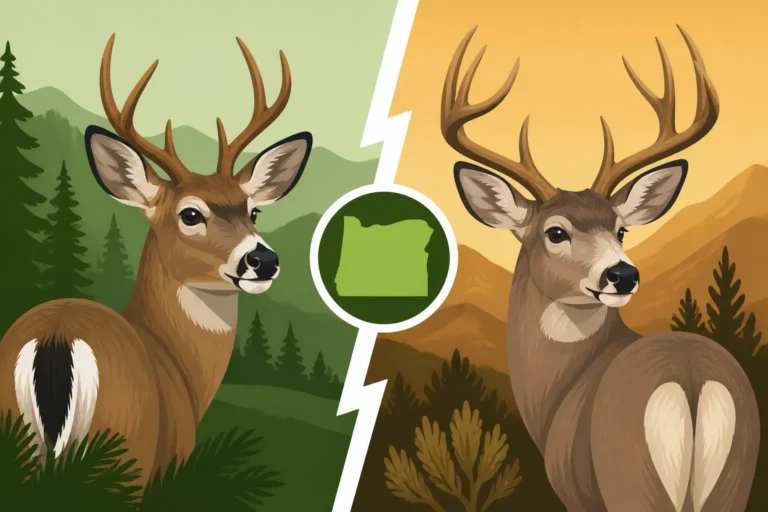
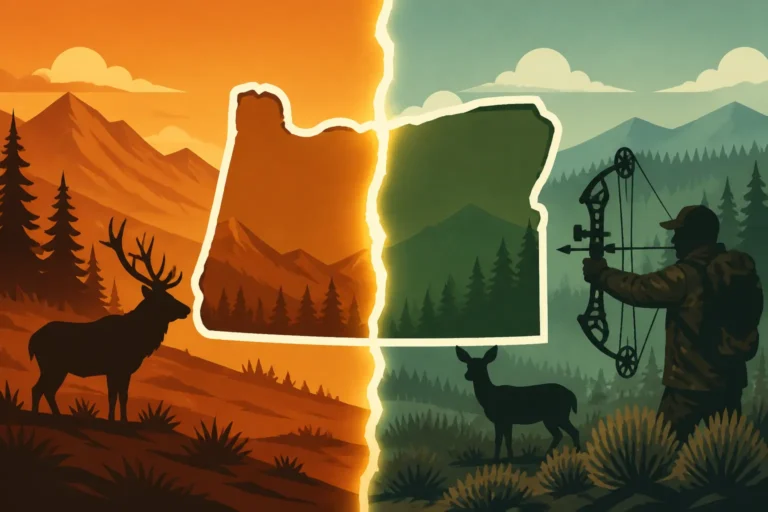
Today, Oregon's cougar population is generally considered healthy and stable, though precise statewide figures are notoriously difficult to confirm. ODFW estimates suggest a population in the low thousands, with significant variations across the state. The highest densities are typically found in Western Oregon, particularly in the Coast Range and the Cascade Mountains. These areas offer abundant prey, such as Columbian blacktail deer and Roosevelt elk, along with vast expanses of dense forest cover that cougars prefer. The mild, wet climate also supports lush vegetation, providing ideal habitat for both cougars and their prey.
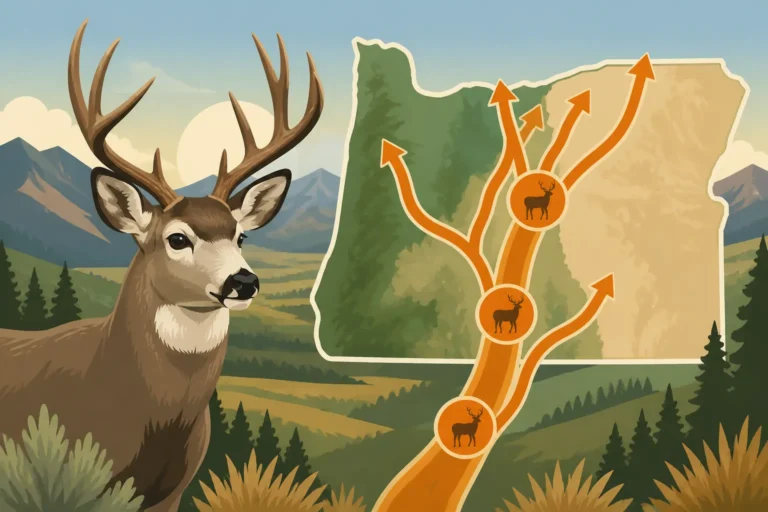
In contrast, Eastern Oregon, with its more arid and open landscapes of sagebrush and juniper, generally supports lower cougar densities. While mule deer and Rocky Mountain elk are present, the less dense cover and harsher climate can limit cougar distribution and survival. However, even in Eastern Oregon, cougars persist in rugged rimrock country and broken timber, often following the distribution of their prey. Understanding "Cougar Territory Size and Movement" is crucial here, as a single animal might cover vast distances in search of food and mates, making it seem like there are more cougars than actual individuals in a given area. These regional differences underscore the importance of localized management strategies rather than a one-size-fits-all approach.
Key Factors Influencing Cougar Numbers and Distribution
Cougar populations, like all wildlife, are not static. They ebb and flow based on a complex interplay of ecological factors. For Oregon's cougars, the availability of their primary food sources, the quality and connectivity of their habitat, and the direct and indirect impacts of human activity are the most significant drivers of their numbers and distribution.
The Role of Prey Availability
At the heart of any predator population is its prey base. For Oregon's cougars, deer and elk are the bread and butter of their diet. A healthy and abundant deer and elk population generally translates to a healthy and robust cougar population. Conversely, declines in deer or elk can put pressure on cougar numbers, affecting reproduction, cub survival, and even increasing competition among cougars for dwindling resources. In Western Oregon, the abundance of blacktail deer provides a consistent food source, allowing cougars to thrive. Similarly, where Roosevelt elk herds are strong, cougars will follow.
In Eastern Oregon, the health of mule deer herds is paramount to cougar survival. Unfortunately, many of Oregon's mule deer herds have faced challenges in recent decades, including habitat loss, disease, and other environmental pressures. This decline in "Cougar Prey and Deer Herd Impact" can directly affect cougar numbers in these regions, potentially leading to lower densities or even localized shifts in cougar distribution as they seek out viable food sources. Cougars are opportunistic hunters, and while they might take smaller animals like raccoons, coyotes, or even domestic livestock if available, deer and elk remain critical for sustaining their populations.
Habitat Quality and Human Development
Cougars are intrinsically linked to their habitat. They require vast, relatively undisturbed areas with ample cover for hunting, resting, and raising cubs. Dense forests, rugged mountain ranges, and expansive wilderness areas provide the ideal environment. These areas offer both the seclusion they crave and the complex terrain that allows them to stalk prey effectively. The Coast Range, the Cascades, and the Blue Mountains all provide excellent cougar habitat due to their size and wild character. GoHunt's mapping tools can be invaluable for hunters to identify these types of prime, undeveloped cougar habitat across different hunt units.
However, human development continually encroaches upon these vital habitats. Urban and suburban sprawl, road construction, logging, and agricultural expansion can fragment cougar territories, making it harder for them to move safely between areas and find suitable mates. While cougars are adaptable and can occasionally be found on the fringes of human settlements, as evidenced by "Cougar Sightings Near Oregon Towns," significant development pressure can lead to localized population declines or force cougars into less optimal areas. Maintaining large, connected blocks of high-quality habitat is essential for the long-term health and stability of Oregon's cougar population.
Hunter Harvest and Management Strategies
Regulated hunter harvest is a critical component of cougar management in Oregon. The ODFW establishes annual harvest quotas for different management zones across the state. These quotas are set based on population estimates, historical harvest data, and a careful consideration of various factors, including prey populations and public safety concerns. The goal of harvest management is not to eradicate cougars but to maintain a healthy population while addressing concerns about depredation on livestock and ensuring public safety. Hunters play a role in this by purchasing "Oregon Cougar Tag Rules and Quotas" and participating in the regulated season.
When cougar populations increase, particularly in areas near human habitation or where depredation incidents rise, the ODFW may adjust quotas to allow for increased harvest. Conversely, if population models suggest a decline, quotas might be reduced to ensure the long-term viability of the species. This adaptive management approach aims to strike a balance between allowing cougars to thrive as a natural component of Oregon's ecosystem and managing their impact on human interests. Hunters who successfully harvest a cougar provide valuable biological data to the ODFW, contributing to the ongoing understanding and management of the species.
The Complexities of Cougar Management in Oregon
Managing cougars in a state as diverse as Oregon is a continuous balancing act. It involves scientific data, public opinion, and the practical realities of managing a top-tier predator in landscapes increasingly shared with humans. The strategies employed by Oregon wildlife managers reflect this ongoing effort to find equilibrium.
The Adaptive Management Approach
Oregon's approach to cougar management is largely adaptive, meaning it's not a rigid set of rules but rather a flexible framework that adjusts based on new data and changing conditions. The ODFW continuously collects information on cougar populations through the methods discussed earlier, as well as through reports of livestock depredation and public sightings. This data is fed into population models, which help biologists understand trends in numbers, reproduction, and mortality. When significant shifts are observed, or when new scientific understandings emerge, management plans can be revised.
This adaptability is crucial because cougar populations, and the ecosystems they inhabit, are always in flux. For instance, a severe winter could impact deer populations, which would then ripple through the cougar population in subsequent years. Or, a change in land use might fragment habitat, necessitating adjustments to local management. Public input also plays a role, as ODFW considers feedback from hunters, ranchers, conservationists, and the general public when developing and refining management policies. It's a dynamic process that requires constant vigilance and a willingness to evolve.
Balancing Human-Wildlife Interactions and Conservation
Perhaps the most challenging aspect of cougar management is balancing the conservation of this magnificent species with the legitimate concerns of people who live, work, and recreate in cougar country. For ranchers, cougars can represent a real economic threat to their livestock, leading to calls for increased management actions. For homeowners in wildland-urban interface areas, "Cougar Sightings Near Oregon Towns" can cause anxiety and safety concerns. While "Cougar Attacks on People in Oregon" are extremely rare, any incident understandably draws significant public attention and underscores the need for effective management.
To mitigate these conflicts, ODFW employs a multifaceted approach. Beyond regulated hunting, they provide resources and advice to landowners on non-lethal deterrents to protect livestock. They also engage in public education campaigns to help people understand cougar behavior, minimize attractants around homes, and know what to do if they encounter a cougar. Conservation efforts focus on maintaining connected habitats and prey bases, ensuring that cougars have wild spaces to thrive away from human development. It's a continuous conversation and an ongoing effort to foster coexistence between humans and one of Oregon's most powerful and iconic native animals. Using resources like GoHunt, hunters can also stay informed about these management changes and understand how they might impact hunting opportunities in different areas.
Disclaimer
This article is for general informational purposes only and does not constitute professional advice. Laws, prices and regulations vary by location and change over time. Consult a qualified professional for guidance on your specific situation.