Elk Numbers in Oregon’s Blue Mountains
If you're like most hunters, you've probably heard a lot of chatter, both hopeful and grim, about the state of elk populations in Oregon, especially when it comes to those majestic herds roaming the Blue Mountains. It can be incredibly frustrating trying to figure out if you're chasing ghosts or if there's genuinely a robust population out there when planning your next adventure. This guide aims to cut through the noise, giving you a detailed look at the factors influencing elk numbers in this iconic region and how that translates to your hunting strategy.
Understanding Blue Mountain Elk Population Dynamics
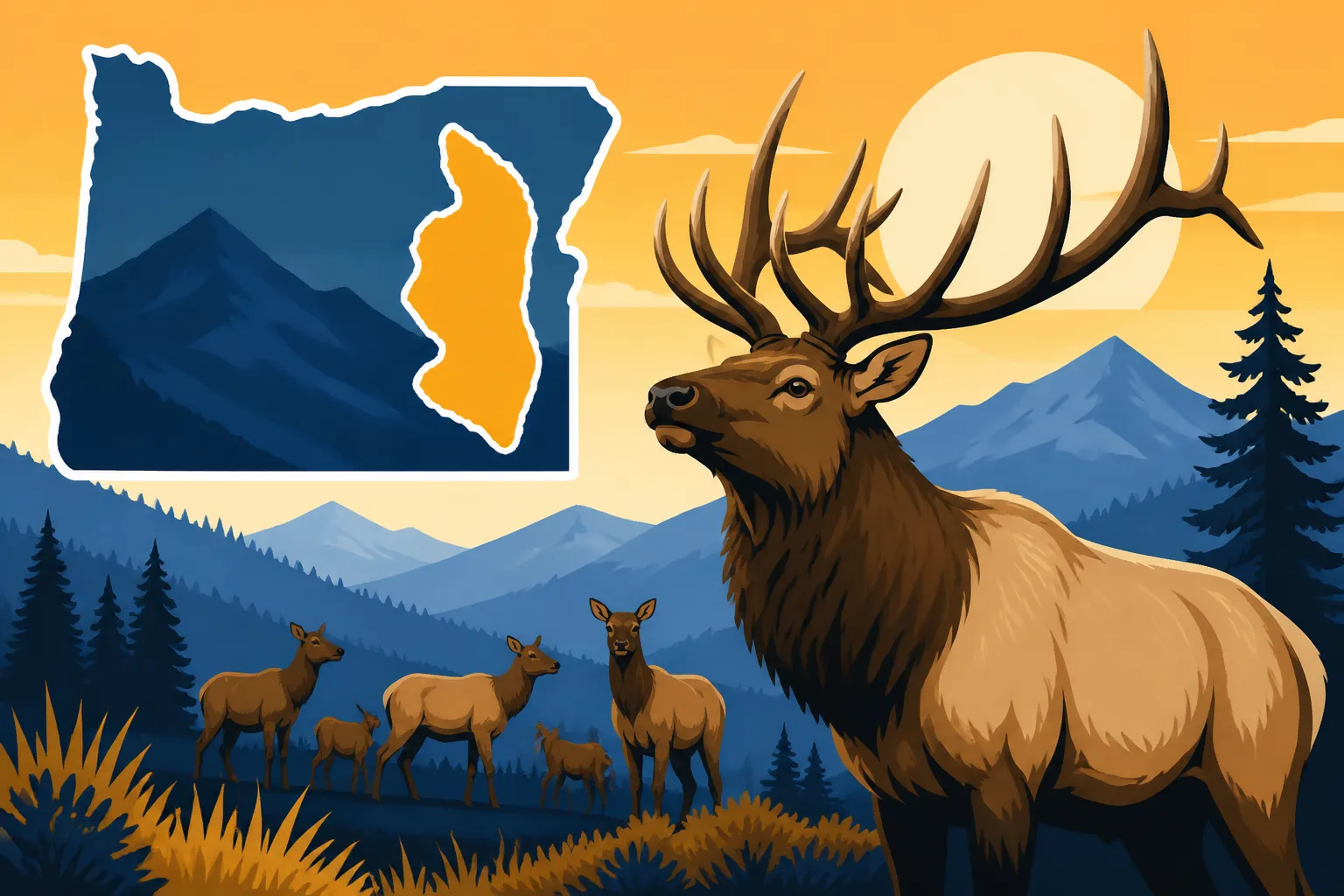
The Blue Mountains of Northeast Oregon represent some of the most classic Rocky Mountain elk country we have in the state. For decades, these mountains have been a destination for elk hunters, drawing folks from all over with the promise of bugling bulls and challenging terrain. But like any wildlife population, the numbers aren't static; they ebb and flow, influenced by a complex web of environmental factors, management decisions, and challenges unique to the region. It's not just about a simple count; it's about understanding the health, distribution, and future trends of these incredible animals.
Historical Context and Current Trends
Back in the day, the Blue Mountains were teeming with elk, and many of us remember stories (or even experienced it ourselves) of seemingly endless herds. The populations generally peaked in the late 1980s and early 1990s, offering some fantastic hunting opportunities. However, since then, things have shifted. While still a stronghold for elk in Oregon, the numbers aren't what they once were across the entire region. This isn't just anecdotal; wildlife biologists track these trends through aerial surveys, harvest reports, and other data collection methods, which all point to a general decline in some areas and stabilization in others. It's a nuanced picture, far from a simple boom or bust, and understanding these trends is key to adjusting your expectations and strategies.
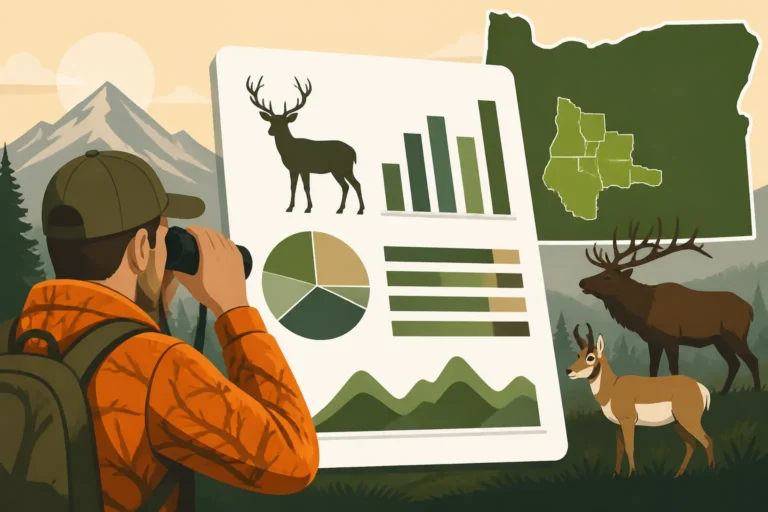
We're seeing a mosaic of conditions. Some areas within the Blue Mountains still hold strong numbers, often where habitat is pristine, predation is managed, and human disturbance is minimized. Other areas, perhaps due to habitat degradation, increased human footprint, or changes in predator populations, have seen more significant drops. It requires diligence to keep up, but resources like the annual big game hunting statistics can offer crucial insights. When looking at the data, it's important to differentiate between general numbers and harvest success rates, as a lower harvest doesn't always mean fewer elk, but could indicate other factors like difficult conditions or changing elk behavior.
Herd Health and Distribution
Beyond just the raw numbers, the health and distribution of the elk herds are paramount. Are the cows producing healthy calves? Are the bulls reaching maturity? Are the elk spread out across their traditional ranges, or are they concentrated in specific pockets? These are the questions that truly inform the health of the overall population. In the Blue Mountains, elk typically thrive in a mix of old-growth timber, regenerating clearcuts, and open meadows. Access to good forage, water, and security cover is essential.
One of the ongoing challenges is how elk utilize the landscape. Sometimes, due to pressure or changes in food sources, elk can shift their core areas, making them harder for hunters to find in traditional spots. They might move higher in elevation, seek out denser timber, or even spend more time on private agricultural lands where hunting access is restricted. This adaptability, while a survival trait for the elk, can certainly make a hunter feel like they're always a step behind. Knowing where to focus your E-Scouting Oregon Units With Satellite Imagery can really pay off here, allowing you to identify these potential new holding areas.
Factors Influencing Elk Numbers in the Blue Mountains
The blue-ribbon elk hunting opportunities of the Blue Mountains are a product of many interacting elements. It's a delicate balance, and when one factor tips too far, it can have a ripple effect on the entire herd. Understanding these forces helps us appreciate the complexities of wildlife management and can even inform where and how we choose to hunt.
Habitat Quality and Availability
Perhaps the single most important factor influencing elk numbers is the quality and availability of their habitat. Elk need a diverse landscape that provides food, water, and cover throughout the year. In the Blue Mountains, this means a mix of lush summer range in high elevation forests, secure bedding areas in dense timber, and accessible winter range in lower elevations. When any of these components are compromised, elk populations suffer.
Forest fires, timber harvesting practices, and human development all play a role in shaping elk habitat. While large wildfires can initially be devastating, a few years down the line, they can create incredible new forage opportunities, leading to changes in where elk concentrate. Conversely, extensive logging without proper regeneration or fragmentation of winter range can push elk into less optimal areas, increasing stress and making them more vulnerable. Learning about Elk Behavior After a Wildfire or how to hunt a recent burn for elk can offer key advantages. It's a constant dynamic, and wise land management is crucial for supporting robust herds.
Predation and Calf Recruitment
Predation is a natural part of any ecosystem, and elk have always had predators. In the Blue Mountains, coyotes and cougars are the primary native predators of elk, especially calves. While a healthy ecosystem can typically sustain a certain level of predation, an imbalance can severely impact calf recruitment – the number of calves that survive to adulthood. If more calves are lost to predators than are born and survive, the population will naturally decline over time.
Wildlife agencies monitor these dynamics closely, looking at calf-to-cow ratios to gauge recruitment success. If these ratios are consistently low, it flags a potential problem. This isn't to say predators are "bad"; they're essential. But when their populations surge, or when other factors like habitat degradation make elk more vulnerable, predation can become a limiting factor for herd growth. Hunters often feel this directly when they see fewer young animals in the woods.
Hunting Pressure and Management Strategies
Hunting itself is a management tool, and how tags are allocated directly impacts elk numbers. The Oregon Rocky Mountain Elk Season Structure is designed to balance hunter opportunity with population goals. This includes setting specific hunt units, limiting tag numbers in controlled hunts, and sometimes adjusting season lengths or weapon choices. The aim is to ensure a sustainable harvest that allows the population to remain healthy and viable for future generations.
If tag numbers are too high, it can put undue pressure on specific herds, leading to declines. Conversely, if tags are too low, a population might grow unchecked beyond the carrying capacity of its habitat, leading to other issues like disease or habitat degradation. It's a constant balancing act for wildlife managers. For hunters, this means some units are much harder to draw than others, reflecting the demand and the specific management goals for that particular area. Resources like GoHunt can be incredibly valuable here, providing data and analysis on draw odds and unit performance, helping you make informed decisions about where to apply.
Interpreting Elk Data for Your Hunt
Knowing the big picture about elk numbers in the Blue Mountains is one thing, but translating that information into a successful hunting strategy is where the rubber meets the road. It's about taking the broad strokes of data and narrowing it down to actionable insights for your specific hunt.
Blue Mountain Specific Herd Data
When planning a hunt in the Blue Mountains, you'll often encounter specific data related to individual units or herd ranges. For instance, you might see details on "Oregon Elk Herd Numbers by Region" or specific units within the Blue Mountains like the Wenaha, Sled Springs, or Starkey. These reports will often provide information on overall population estimates, bull-to-cow ratios, and calf ratios. A high bull-to-cow ratio often indicates a healthy bull population with good age structure, potentially offering better trophy opportunities. Strong calf ratios suggest good herd recruitment and future population growth.
It's crucial to dive into these reports, often available through the state wildlife agency, as they give you a granular view that general "Blue Mountains" talk can't. A unit might show a slight overall decline in total elk, but perhaps its bull ratios are still excellent, or a specific area within it is thriving due to recent habitat improvements. GoHunt provides an excellent platform for digging into this kind of unit-specific data, aggregating information that can save you countless hours of research. Don't just look at the total number; consider the trends and the structure of the herd.
Using Data for Strategic Planning
Once you've absorbed the data, how do you put it to work? First, it helps manage expectations. If you're applying for a unit with historically low draw odds and declining elk numbers, you know you're facing a tough challenge. Conversely, if you've drawn a tag in a unit showing stable or increasing numbers and good bull ratios, you can feel more confident about your chances. This data should inform your application strategy, helping you decide where to focus your preference points.
Beyond the draw, this information helps during scouting. If a unit's report indicates elk are wintering at higher elevations due to mild conditions, that tells you something about where they might be early in the season. If there have been significant fires in recent years, you know to investigate those areas for lush regrowth that might be attracting elk. When you're considering Hunting the Blue Mountains in Northeast Oregon, understanding these localized trends can mean the difference between seeing a few tracks and finding a herd.
The Role of Technology and Local Knowledge
While official reports and online tools are invaluable, combining them with technology and local knowledge creates the most potent strategy. Mapping applications are now essential. Use tools like onX layers to overlay land ownership, recent satellite imagery to spot clearcuts or burns, and topography to identify potential travel corridors or bedding areas. This digital scouting, coupled with the insights gleaned from population data, forms a powerful scouting advantage.
Don't underestimate the power of local knowledge. Talking to forest service personnel, local residents, or even other hunters (who are willing to share, of course) can provide invaluable current conditions. They might know about specific areas where elk are congregating, recent timber sales that have created new forage, or localized pressure points. This ground-truthing of your data and e-scouting efforts can refine your plan and lead you directly to where the elk are. Just remember to always be respectful and cautious when asking for information, and be prepared to put in the legwork yourself. After all, the reward of a hard-earned hunt is what we truly chase.
| Factor | Impact on Blue Mountain Elk Numbers | Implications for Hunters |
|---|---|---|
| Habitat Quality | Direct influence on carrying capacity and distribution. Diverse habitat supports more elk. | Focus on areas with diverse habitat: old growth, clearcuts, water. E-scout for recent changes like burns. |
| Calf Recruitment | Determines future population growth. Low rates lead to decline. | Units with high calf ratios indicate healthier, growing herds and better future opportunities. |
| Predation Pressure | Can limit calf survival, especially in vulnerable populations. | High predator numbers in an area might mean elk are warier or concentrated in more secure cover. |
| Hunting Pressure | Direct management tool, balances population with opportunity. | Affects draw odds and elk behavior. Heavily hunted units might have warier, nocturnal elk. |
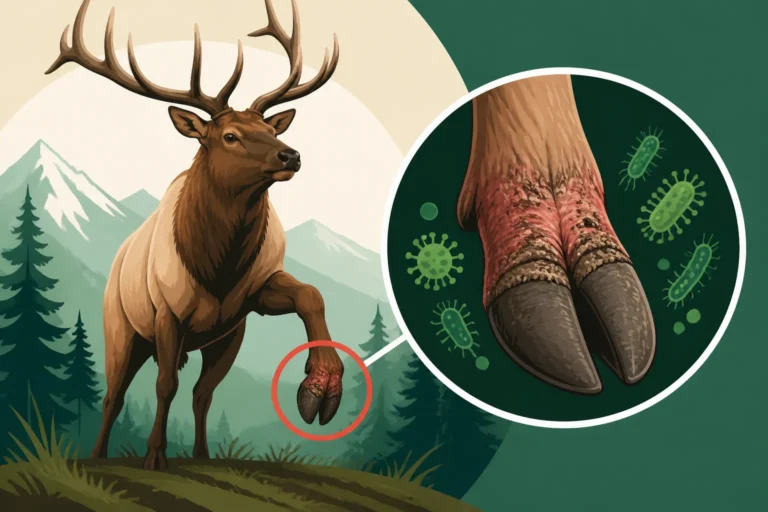
| Disease | Can cause localized die-offs, impact herd health. | Stay informed about disease outbreaks; sick animals should be reported. |
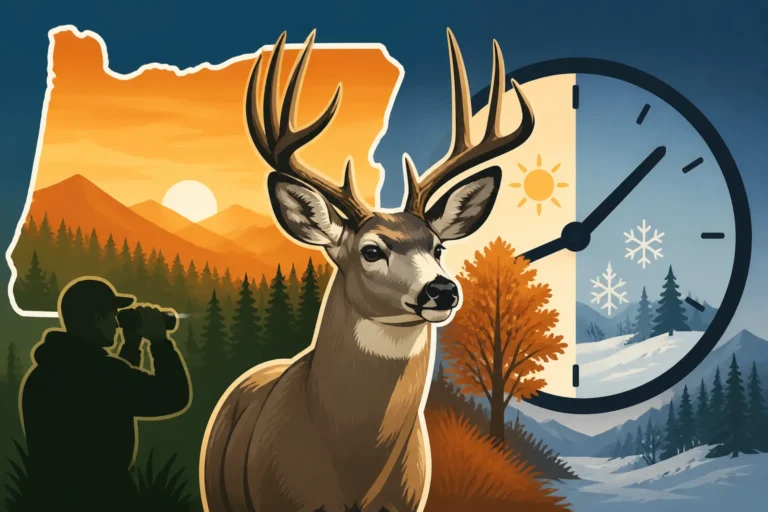
| Weather Patterns | Droughts impact forage/water; harsh winters impact survival. | Mild winters can mean elk are more dispersed. Severe winters can concentrate them. |
Disclaimer
This article is for general informational purposes only and does not constitute professional advice. Laws, prices and regulations vary by location and change over time. Consult a qualified professional for guidance on your specific situation.