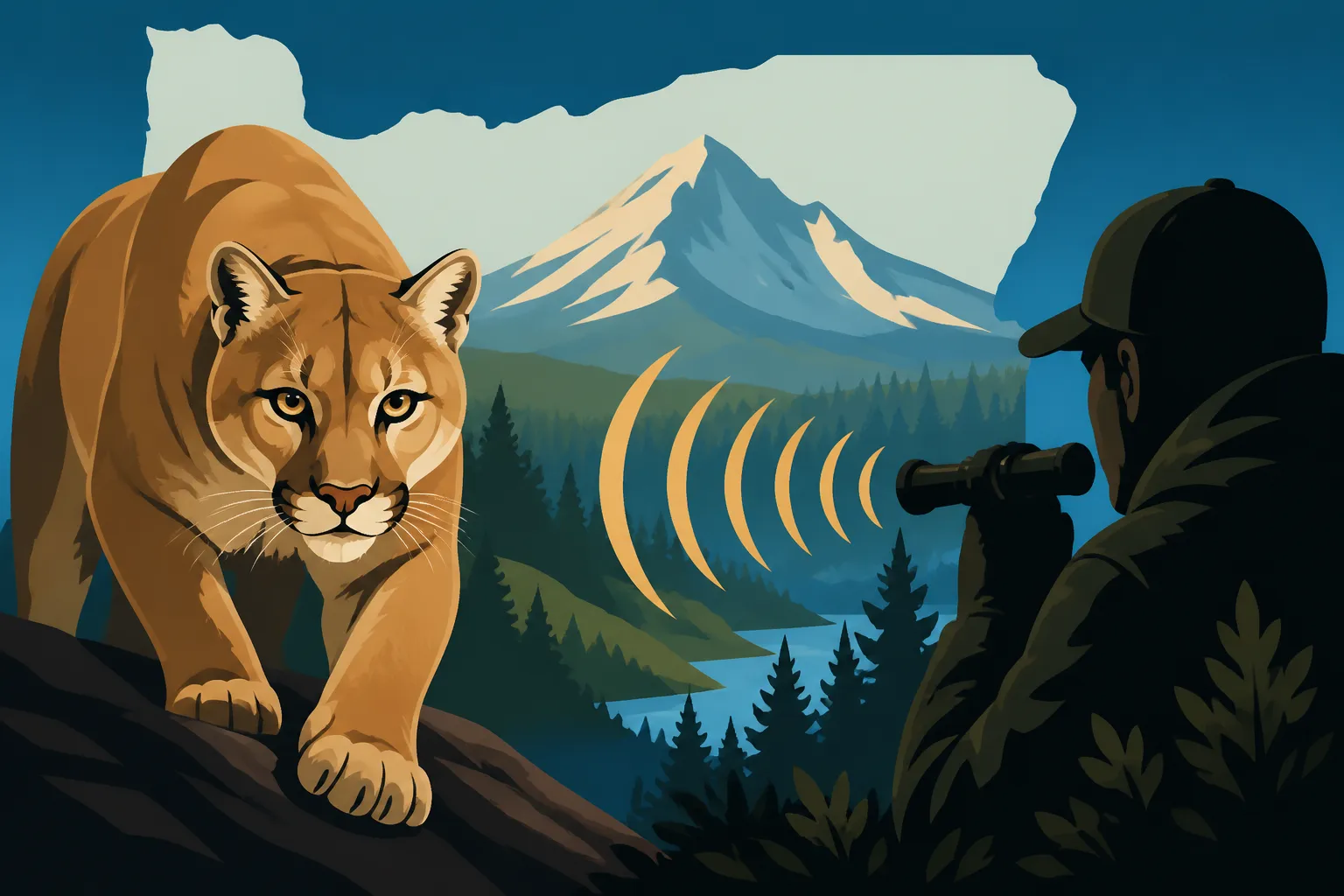
Cougar Calling Sounds That Draw a Cat In
Few things are more frustrating for an Oregon hunter than spending hours, or even days, in prime cougar country, only to feel like you're talking to an empty forest. These elusive predators are masters of stealth, often seeing and hearing you long before you ever know they're there. The challenge isn't just finding their sign, but then figuring out how to actually draw one of these incredible animals into shooting range. This guide is dedicated to demystifying the art of cougar calling, helping you understand the sounds that truly pique a cat's interest and give you a real shot at success in Oregon's diverse landscapes.
Understanding Cougar Prey and Natural Vocalizations
To truly excel at calling in cougars, you have to think like one. What drives them? What sounds grab their attention? Primarily, it’s hunger and the promise of an easy meal. Oregon's cougar population is robust, and they thrive on a diet of opportunity. Knowing what's on their menu and what sounds those menu items make in distress is your first, best step.
The Primary Diet of Oregon Cougars
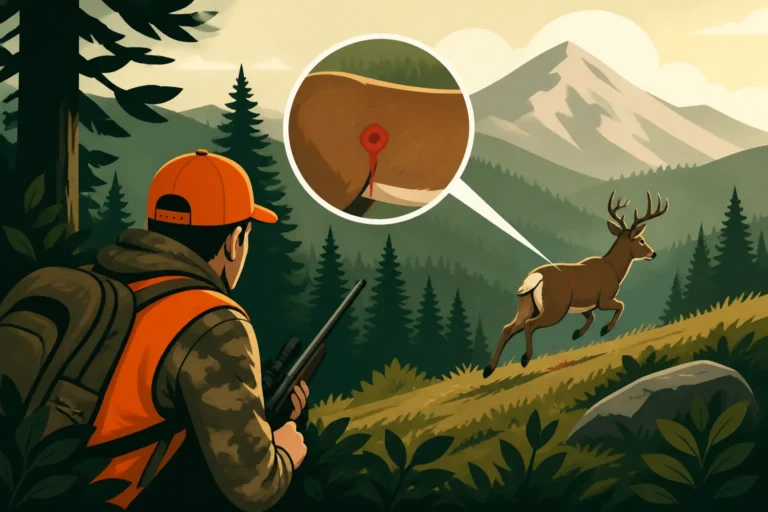
In Oregon, the bread and butter for cougars is deer. Whether you're in the Coast Range with its abundant blacktail deer or the high desert of Eastern Oregon with its mule deer, deer constitute a significant portion of a cougar's diet. A struggling, injured, or young deer represents a low-risk, high-reward meal for a cougar, and they are incredibly tuned into the sounds that signal such an opportunity. This is why calls mimicking fawn or calf distress are often so effective; they tap directly into a cougar's most fundamental hunting instincts.
Beyond deer, cougars are incredibly adaptable predators, and their diet can vary significantly based on location and season. They will readily take advantage of smaller prey like rabbits, raccoons, and even porcupines if deer are scarce or if an easy chance arises. In areas with higher elk populations, especially during calving season, elk calves can also become a target. Knowing the local prey base for the specific area you're hunting can give you an edge in selecting the most appropriate call. For instance, in an area known for strong rabbit populations, a rabbit distress call might be the perfect choice.
The key takeaway here is that cougars are wired to respond to the sounds of vulnerability and struggle. They aren't looking for a fair fight; they're looking for an easy meal. Any sound that suggests an animal is injured, disoriented, or too young to defend itself effectively will register as a potential meal ticket for a hungry cat. Your calling strategy should focus on exploiting this primal instinct.
Recognizing Natural Cougar Sounds
While many predators, like coyotes, are quite vocal, cougars are generally much more reserved. This silence is part of their stealthy hunting strategy, allowing them to remain undetected as they stalk their prey. However, they do make a range of sounds, though most are not typically used to draw them in. Understanding these sounds, even if you're not mimicking them to call, can still deepen your understanding of these fascinating animals.
Cougars are known to make growls, hisses, and snarls, particularly when defending a kill, establishing dominance, or feeling threatened. These are aggressive, warning sounds, and if you hear them, you're likely already too close for comfort. They communicate intent, not an invitation. These vocalizations are rarely, if ever, used in a calling scenario because they signal danger, not opportunity, to another cat, and certainly not to prey.
Occasionally, you might hear a cougar make a low chirp or a "squeaky wheel" sound, often associated with a mother communicating with her kittens or two cats making contact. These are subtle, specific sounds that are not easily replicated and generally don't work as an attractant for hunting purposes. The most effective calling strategies revolve around triggering a cougar's prey drive, not attempting to engage with their rare and complex intraspecies vocalizations. Focus your efforts on the sounds of distress that put an easy meal in their mind.
Deciphering Effective Prey Distress Calls
The core of successful cougar calling lies in replicating the sounds of an animal in distress. This directly appeals to a cougar's predatory instinct – the desire for an easy meal. But not all distress calls are created equal, and understanding the nuances of each can significantly improve your odds.
The Power of Fawn and Calf Distress
Few sounds are as universally effective for attracting large predators as the desperate bleats and bawls of a young deer or elk. Cougars are highly attuned to these frequencies. Imagine a fawn, separated from its mother, crying out in fear and confusion. To a cougar, this isn't just noise; it's a dinner bell. The high-pitched, pleading nature of these calls signals vulnerability, injury, or simply a lack of a protective parent nearby, making the young animal an ideal target.
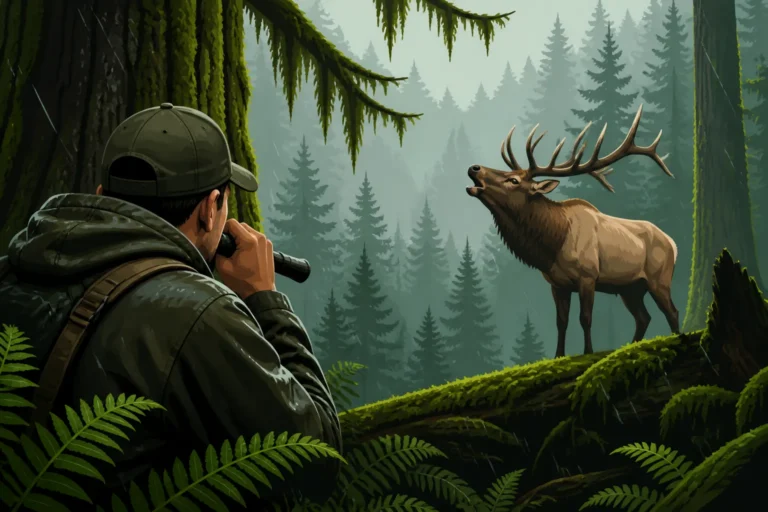
When attempting to mimic fawn or calf distress, consider the specific species prevalent in your hunting area. If you're in prime blacktail deer habitat in Western Oregon, a blacktail fawn bleat will often be more realistic than a mule deer fawn distress. Similarly, in Eastern Oregon's elk country, an elk calf distress call can be incredibly potent, especially during late spring and early summer when calves are most vulnerable. These calls should be sharp, intermittent, and convey a sense of genuine panic, but not so constant that it sounds artificial. A common mistake is to call too loudly and continuously, which can alert a cougar to something unnatural. Vary your volume, duration, and cadence to sound like a truly struggling animal.
These calls are particularly effective because they leverage a cougar's natural hunting patterns. They're constantly patrolling their territory, listening for any sign of weakness. A prolonged, realistic fawn or calf distress call in a likely cougar travel corridor, like a timbered draw or rocky rimrock, can bring a curious and hungry cat in from a surprising distance. If you're looking for the absolute "hero" call, fawn distress is usually it.
Rabbit and Rodent in Distress Calls
While fawn distress calls target larger prey, the squeals and cries of a rabbit or other small rodent in distress are incredibly versatile and effective across almost all predator species, including cougars. Think of the universal appeal of a cottontail rabbit letting out a piercing scream when caught by a coyote. Every predator in the vicinity will immediately investigate, wired to capitalize on another predator's kill or to snatch the opportunity for themselves. These calls signal chaos and a potential easy meal, making them a staple in any cougar caller's arsenal.
Rabbit distress calls are generally high-pitched, frantic, and often continuous. They can be particularly useful as "cold calls" when you're entering an area without prior knowledge of cougar activity, as they broadcast a widely recognized distress signal. These calls are excellent for sweeping an area, as cougars don't necessarily need to be starving to come investigate. The sheer "panic" conveyed by these sounds is often enough to draw in a curious cat hoping for an opportunistic meal. For areas where deer populations might be lower, or in thick brush where small game is abundant, rabbit distress can outperform larger prey calls.
When using these calls, it's often effective to start with a softer, intermittent series of squeals, gradually increasing in volume and intensity. Picture a rabbit struggling, then pausing, then struggling more violently. This realism can be key. Unlike a fawn call which might imply a lone, vulnerable animal, a rabbit distress can signal a potential struggle that a cougar might want to interrupt and claim the spoils. Many hunters using GoHunt's mapping tools to identify potential cougar travel routes will often start with a rabbit distress call to see if any cats are in the immediate area before trying a larger prey sound.
Bird Distress and Other Opportunistic Sounds
Don't limit your thinking to just mammals; sometimes, the unexpected can be highly effective. The distress calls of certain birds, particularly crows, magpies, or even jays, can signal a commotion in the woods that a cougar might investigate. A crow squawking frantically might indicate it's found a kill, or worse, is being preyed upon itself. While not as direct as a fawn or rabbit distress call for luring a cat in for a meal, bird distress can pique curiosity and suggest an event worthy of investigation, potentially leading a cougar to your location.
Beyond birds, other opportunistic distress calls like raccoons, or even the cries of a coyote pup, can sometimes work. A coyote pup in distress might signal to a cougar that there's a smaller, vulnerable predator in the area, or perhaps a struggle with potential spoils. Cougars are known to kill coyotes, so a pup distress call can sometimes entice them to come investigate a perceived threat or easy target. The key with these less common calls is to understand the context: what might this sound convey to a cougar? If it suggests an easy kill or an opportunity to assert dominance without much risk, it's worth experimenting with.
The variety of sounds you use can keep a cougar guessing and prevent them from becoming "call shy." Having a range of options, from a frantic rabbit to a high-pitched fawn, and even the occasional bird or coyote pup distress, allows you to adapt to different scenarios and cougar behaviors. Always be prepared to switch up your calls if one isn't producing results, remembering that patience and stealth are paramount, no matter what sound you're projecting.
Mastering Calling Techniques for Oregon Conditions
Having the right sounds is just one piece of the puzzle. How you deploy those sounds, your setup, and your overall strategy are equally critical, especially when hunting in Oregon's varied and often challenging terrain. The difference between success and frustration often comes down to the details of your technique.
Manual Versus Electronic Callers
The choice between a manual call and an electronic caller is often a personal one, but each has distinct advantages and disadvantages when pursuing cougars in Oregon. Manual calls, such as hand-operated diaphragms or bite calls that produce fawn or rabbit distress, can sound incredibly realistic in the hands of an experienced caller. They offer nuanced control over volume, pitch, and cadence, allowing for subtle adjustments that mimic genuine animal behavior. The main drawback is that you have to hold the call to your mouth, which can restrict movement and requires you to remain perfectly still if a cat approaches.
Electronic callers, on the other hand, offer a vast library of pre-recorded sounds, including every type of fawn, calf, rabbit, or bird distress imaginable, often at higher volumes and for longer durations than manual calls. Their biggest advantage is that you can place the caller away from your position, drawing the cougar's attention to the sound source and not directly to you. This can be a huge benefit for concealment and allows you to keep your hands free for your weapon. Brands like Foxpro or Primos offer robust electronic callers with remote controls, allowing you to cycle through sounds and adjust volume without moving. For cougar hunting in Oregon, electronic calls are legal and highly effective, making them an excellent choice, especially for newer callers or those looking to cover large areas. Many hunters consult GoHunt articles on Electronic Calls and What Oregon Allows for specific legal guidelines and gear recommendations before investing.
Setting Up Your Calling Stand
A flawless calling sequence is worthless if your setup gives you away. When establishing your calling stand, wind direction is paramount; always position yourself so the wind is blowing from the direction you expect the cougar to approach and towards you. This carries your scent away from their likely travel path. Cougars have an exceptional sense of smell, and even a slight shift in wind can betray your position. Checking the wind frequently with a powder bottle or milkweed seeds is a must.
Next, choose a location that offers both excellent concealment and a commanding view of the area you're calling into. This often means sitting with thick brush or a large tree at your back, breaking up your silhouette, while having an open shooting lane in front of you. Elevating your position, if possible (e.g., on a rock outcropping or a low branch), can provide a better vantage point without making you obvious. Consider how a cougar will approach the sound – they will typically use available cover, circling downwind to pinpoint the distress call's source. Position yourself to intercept them as they do so. Remaining motionless for the duration of your stand is crucial. Even subtle movements can spook a wary cat. For more specific advice on concealment and approach, you might find valuable insights in articles such as How Close You Can Get in Coastal Timber when considering your shot distance.
Call Sequences and Duration
There's an art to the call sequence itself. Start your calling softly, almost imperceptibly, before gradually increasing the volume and intensity. This mimics an animal that might be initially injured but then gets more agitated. Blast your calls too loudly from the start, and you risk making the sound seem unnatural or alerting a cougar far away that might be cautious. Intermittent calling, where you call for a minute or two and then remain silent for several minutes, often works better than continuous calling. This "stop and listen" approach allows you to hear an approaching cat and gives the cougar time to commit to investigating the sound without feeling pressured.
Patience is perhaps the most undervalued tool in cougar calling. It’s not uncommon for a cougar to take 30, 45, or even 60 minutes to respond and approach a call. They are notoriously cautious and will often circle downwind, using cover to remain hidden until the last moment. Many hunters make the mistake of leaving a stand too early, convinced nothing is coming, only to miss a cougar that was just minutes away. Plan to sit for a minimum of 30-45 minutes per stand, especially in areas with good cover. Longer sits are often warranted in thick timber or broken country where visibility is limited. When wondering How Long to Sit a Cougar Set, remember that persistence often pays off with these wary predators.
Advanced Strategies and Considerations for Cougar Calling
Successfully calling a cougar isn't just about the sounds; it's about integrating those sounds into a broader, intelligent hunting strategy that accounts for their behavior, habitat, and incredible senses. Thinking several steps ahead and meticulously planning your approach can make all the difference.
Reading the Terrain and Cover for Calling Spots
Cougars are creatures of habit when it comes to travel and hunting, often using specific terrain features to their advantage. When choosing a calling location, focus on areas that provide dense cover, broken ground, rimrock, or steep drainages – places where a cougar can move unseen and stage an ambush. These are often the same places you’d look when Finding Cougar Tracks Without Hounds, as they represent natural travel corridors and bedding areas. A cougar will typically move along ridge lines, game trails through thick timber, or parallel to drainages, using elevation and vegetation to conceal their approach.
Consider how a cougar would naturally investigate a distressed animal. They will almost certainly try to get downwind of the sound to pick up scent. Therefore, your calling spot should be chosen with this in mind, placing yourself in a position to intercept them as they make this move. For example, if you're calling into a brushy draw, position yourself on the downwind side, slightly elevated, with a clear view of where the cat might emerge from the thicket after circling. Tools like GoHunt's detailed satellite imagery and topographical maps can be invaluable for E-Scouting Oregon Units With Satellite Imagery, allowing you to pinpoint potential cougar travel routes, bedding areas, and ideal calling setups from the comfort of your home.
Timing Your Calls for Success
While cougars are active 24/7, certain times of day and specific weather conditions can significantly increase the effectiveness of your calling efforts. Dawn and dusk are often considered prime times for predator activity, and cougars are no exception. The lower light conditions provide them with a natural advantage for stalking, and many prey animals are also on the move during these periods. However, don't discount midday calling. If a cougar is bedded nearby and hears an easy meal, the allure can be strong enough to pull them out of their midday rest. A hungry cat is a curious cat, regardless of the sun's position.
Weather can also play a crucial role. Cold, clear days with stable winds can be excellent, as sound travels well and a cougar might be more inclined to seek out an easy meal in colder temperatures. One of the most opportunistic times to call is right after a fresh snowfall. The snow dampens ambient sound, making your calls travel further and sound more distinct. Additionally, a cougar's tracks are much easier to spot in fresh snow, which can help confirm their presence in an area and aid in understanding their approach. If you're out Tracking Bucks in Fresh Eastern Oregon Snow, keep an eye out for cougar sign and consider setting up a call.
The Importance of Scent Control and Stealth
Cougars possess an incredible sense of smell and hearing, making scent control and stealth absolutely critical for success. Even the slightest whiff of human odor can cause a wary cougar to abort its approach long before you ever see it. Treat cougar hunting like you would bowhunting an elk; eliminate as much human scent as possible. This means showering with scent-free soap, washing your hunting clothes in scent-free detergent, and using scent-eliminating sprays on your gear before heading into the woods.
Equally important is your movement to and from your calling stand. Move slowly, quietly, and deliberately. Avoid breaking branches, scuffing leaves, or making any unnecessary noise. Use the terrain and available cover to approach your chosen spot undetected. Once on stand, remain absolutely motionless. Any fidgeting, glancing around, or shifting of weight can be detected by a keen-eyed cougar. Remember, these animals are designed for stealth and will often approach from unexpected angles, using every bit of cover available. Your ability to become part of the landscape, both visually and audibly, is paramount to drawing one of these incredible predators into range.
| Call Type | Primary Prey Mimicked | Sound Description | Best Use Case |
|---|---|---|---|
| Deer Fawn Distress | Blacktail Deer, Mule Deer | High-pitched bleats, desperate bawls, pleading cries. | Primary call for areas with abundant deer; highly effective year-round. |
| Rabbit Distress | Cottontail, Jackrabbit | Frantic, high-pitched squeals, often continuous or intermittent. | Versatile "cold call" for all predator types; good for quick responses. |
| Elk Calf Distress | Elk Calves | Lower-pitched bawls and cries than deer fawns, conveying distress. | Excellent in elk-rich areas, especially during and post-calving season. |
| Bird Distress | Crow, Magpie, Jay | Harsh squawks, frantic chirps, signaling a commotion or struggle. | Good for piquing curiosity; suggests a potential kill or conflict. |
Disclaimer
Hunting is an inherently dangerous activity. This article is intended for informational purposes only and does not endorse or encourage unsafe practices. Always prioritize safety, follow all local, state, and federal hunting regulations, and consider taking a certified hunter education course. The author and publisher are not responsible for any accidents, injuries, or legal issues that may arise from hunting activities. Always check current Oregon Department of Fish and Wildlife regulations before heading afield.