Getting a Carcass Off the Ground Fast
There’s nothing quite like the rush of a successful hunt, that moment when you find your quarry on the ground. But that initial excitement quickly gives way to a daunting reality: how do you get this magnificent animal out of the woods, especially when it’s big, the terrain is rough, and daylight is fading? Moving a downed deer or elk can be one of the toughest challenges of the entire hunt, and doing it efficiently is crucial for both meat quality and your own safety. This guide will walk you through proven strategies, essential gear, and smart planning to help you get your hard-earned carcass off the ground fast in Oregon’s diverse hunting landscapes.
Why Speed Matters for Carcass Recovery in Oregon
When an animal hits the dirt, the clock starts ticking immediately. This isn't just about getting home; it's about honoring the animal, preserving the meat, and ensuring your efforts don't go to waste. In Oregon, with its varied climates and often remote hunting grounds, speed in carcass recovery isn't just a convenience—it's a necessity.
Beating the Clock: The Urgency of Warm Weather
Oregon's hunting seasons, particularly for archery elk in late August and early September, can often coincide with surprisingly warm weather. Even during rifle seasons in October and November, unseasonably warm days can pop up, turning a manageable situation into a race against spoilage. When an animal dies, its body temperature is still high, and without rapid cooling, bacteria begin to multiply quickly, especially deep within the muscle tissue.
Imagine you've just taken down a bull elk deep in the Deschutes National Forest on a 60-degree afternoon. If you don't start the cooling process right away, you risk losing a significant portion of that valuable meat. The goal is to drop the internal temperature as quickly as possible. This means getting the hide off, breaking the animal down, and getting the meat into game bags that allow for airflow. Every minute counts, as decomposition enzymes and anaerobic bacteria thrive in warm, oxygen-deprived environments. Coastal hunts can be particularly challenging, not just for warmth, but for high humidity which can prevent effective cooling, making quick processing even more critical. Learning how to manage Field Dressing an Elk in Warm Early-Season Weather is invaluable knowledge here.
Keeping Predators at Bay and Ensuring Cleanliness
Beyond spoilage, a downed animal in the wilderness is an open invitation for scavengers and predators. Coyotes, bears, and even wolves in areas like Northeast Oregon, have an incredible sense of smell and can zero in on a carcass surprisingly fast. Leaving an animal overnight, or even for several hours unattended, significantly increases the risk of it being damaged or completely claimed by other wildlife.
This isn't just about losing meat; it's about maintaining cleanliness. Once predators or scavengers get to the carcass, they can contaminate the meat, making it less palatable or even unsafe for human consumption. A fast recovery minimizes this exposure. Furthermore, in some units, especially those with reintroduced predator populations, rapid recovery is a key part of ethical hunting, reducing potential conflicts and ensuring that the harvested animal contributes to your table, not just to the local ecosystem's food chain.
Essential Gear and Preparations for Quick Carcass Movement
You wouldn't head into the backcountry without your rifle or bow, and you shouldn't go without the right gear for getting your animal out. Proper tools and equipment can dramatically cut down on the time and effort required for carcass recovery.
Field Dressing Tools and Their Importance
Having a well-stocked and sharp field dressing kit is non-negotiable. This isn't just about having a knife; it's about having the right tools to break down an animal efficiently and hygienically.
- Sharp Knives: Plural. Always carry at least two sharp knives, or a replaceable blade system like a Havalon, along with a small sharpener. A dull knife is dangerous and makes a tough job even harder. You'll need one for initial skinning and gutting, and perhaps a smaller one for more intricate cuts around joints or removing tenderloins.
- Game Bags: These are paramount. Forget plastic tarps or garbage bags that trap heat and moisture. Quality, breathable game bags—made from synthetic material or specialized cotton—protect the meat from dirt, flies, and debris while allowing it to cool. Ensure you have enough bags for all four quarters, backstraps, tenderloins, and trim meat. Alaska Game Bags are a popular choice among serious hunters for their durability and breathability.
- Gloves: Latex or nitrile gloves are essential for hygiene. They protect you from bacteria and potential diseases, and keep your hands clean.
- Paracord or Rope: A short length of paracord can be invaluable for tying off legs, hanging quarters for cooling (if possible), or even assisting with pulling an animal.
- Headlamp: Even if you start recovery in daylight, it's wise to assume you'll finish in the dark. A reliable headlamp with fresh batteries is a must. Remember the rules for Using a Tracking Light Legally at Night in Oregon if you're out past dark.
When it comes to speed, the "gutless method" (which we'll delve into shortly) relies heavily on sharp knives and ample game bags. It's a game-changer for solo hunters or those deep in tough terrain.
Investing in the Right Hauling Equipment
Once the animal is broken down, you still need to transport the meat. Your choice of hauling equipment depends heavily on the terrain, the size of the animal, and your hunting party.
- Pack Frames: For serious backcountry hunting in Oregon, especially for elk, a quality external frame pack is your best friend. Brands like Mystery Ranch, Kifaru, or Exo Mountain Gear specialize in frames designed to carry heavy, awkward loads of meat. They distribute weight effectively, making what seems impossible, merely very difficult. A solid frame allows you to quarter an animal and pack it out in multiple trips. This is often the only viable option when you're far from a road or in steep, thick timber. Understanding Pack Frame Load Weight for One Hunter is key to avoiding injury and making efficient trips.
- Game Carts: These can be lifesavers on flatter terrain, old logging roads, or even wider game trails. They come in various designs, from two-wheeled models to more robust single-wheeled versions. However, their utility in Oregon's rugged, brushy, or steep landscapes can be limited. Always check unit-specific regulations; for example, most designated wilderness areas in Oregon explicitly prohibit motorized carts or wheeled devices, and some even ban game carts outright. This is where pre-scouting with tools like GoHunt's mapping features can help you identify if a cart is even an option for your planned hunt area.
- Sleds: For winter hunts with snow on the ground, a durable plastic sled can make dragging an entire deer or large portions of an elk much easier. This is less common for early-season Oregon hunts but can be incredibly effective when conditions allow.
Ultimately, your gear choice should align with the anticipated terrain and the game you're after. A pack frame is almost always a safe bet for elk and larger deer in most Oregon hunting units.
Techniques for Efficient Carcass Relocation
Getting an animal off the ground isn't just about brute strength; it's about smart techniques that conserve energy and maximize efficiency.
The Gutless Method: Speed and Lightness
The gutless method is a revelation for anyone who hunts large game, especially in the backcountry or in warm weather. Instead of removing the internal organs (gutting), you essentially skin and quarter the animal from the outside in. This saves immense time, reduces mess, and significantly lightens the load you're initially working with, as the guts often account for 20-30% of an animal's body weight. It's especially useful when doing Quartering and Packing an Elk Alone.
Here's a simplified breakdown:
- Position the Animal: Roll the animal onto its back if possible, or on one side.
- Skin One Side: Make an incision down the spine and around the legs, then skin out one side of the animal, exposing the muscle groups.
- Remove Quarters: Systematically remove the front shoulder, then the hindquarter. This involves cutting around the joints and muscle attachments.
- Extract Backstraps and Tenderloins: Carefully remove the prized backstraps from along the spine. If you flip the animal, you can also access the tenderloins from the other side or reach them through the pelvic area, depending on the animal's size and your flexibility.
- Flip and Repeat: Roll the animal over and repeat the process for the other side, removing the remaining quarters and backstrap.
- Bone Out if Desired: For maximum weight savings, you can bone out the meat directly into game bags. This is often necessary for long packs or very warm conditions to aid cooling.
- Bag It Up: Place all meat into breathable game bags immediately. Tie them securely and get them elevated or into a cool spot.
This method minimizes contact with the gut cavity, reducing contamination risk, and allows you to break down even a bull elk into manageable 40-70 lb loads for your pack frame incredibly fast. For a detailed walkthrough, look into resources on the Gutless Method on a Bull Elk.
Leverage, Dragging, and Mechanical Advantage
Sometimes, you only need to move an animal a short distance to better terrain or a waiting vehicle. In these situations, full quartering might not be necessary, but dragging a heavy animal can be exhausting and damaging to the meat.
- Dragging Techniques: If dragging a whole or partially gutted animal, try to keep the head up to prevent debris from entering the cavity. Use a heavy-duty drag rope or harness (a T-handle style or one that attaches to your pack belt) to distribute the effort. Dragging downhill is always easier than uphill.
- Using Natural Levers: Fallen logs, sturdy branches, or even your pack frame can be used as levers to lift or pivot a heavy animal, making it easier to roll or position for dragging.
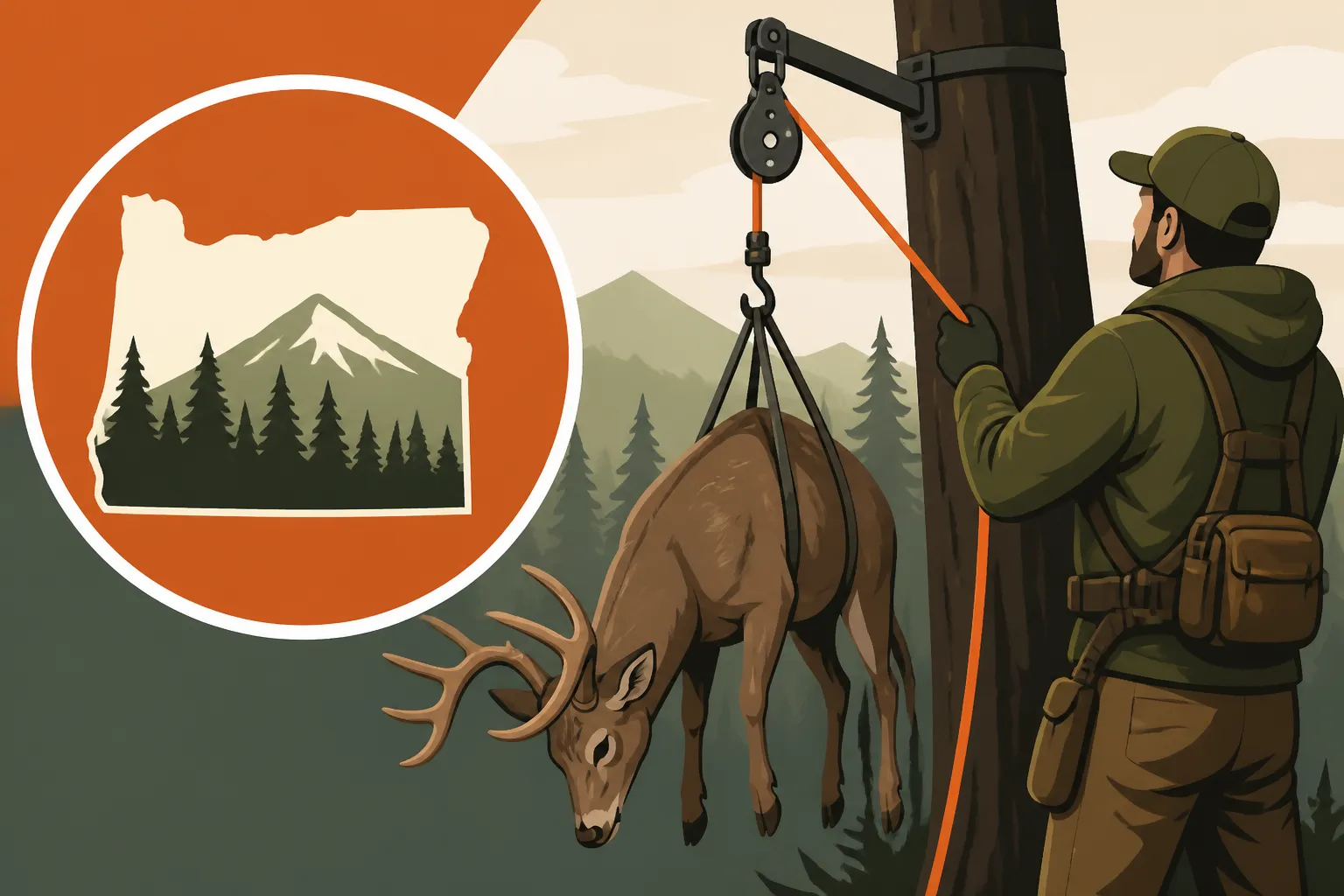
- Paracord and Pulleys: For really tough spots or to hoist an animal (or quarters) for cooling, a simple rope and pulley system can multiply your pulling power. A basic setup with two carabiners and some strong rope can make a huge difference, especially if you're working alone. This can be crucial in areas where getting a carcass off the ground, even a few feet, can greatly aid cooling and deter ground-level scavengers.
Utilizing Pack Frames for Backcountry Extraction
Once your animal is broken down into manageable pieces, your pack frame becomes the workhorse. Proper loading and carrying technique are vital to prevent injury and make the trip out feasible.
- Load Distribution: Aim for even weight distribution. Place heavier items (like a hindquarter) lower and closer to your back. Use compression straps to cinch the load tight, preventing shifting that can throw you off balance.
- Securing the Load: Use additional straps or paracord to firmly secure game bags to the frame. A shifting load is a dangerous load, especially on uneven or steep Oregon trails.
- Multiple Trips: Unless you're packing out a small deer, expect to make multiple trips, especially if hunting solo. It's better to make two or three comfortable trips than one agonizing, potentially dangerous one. Prioritize getting the most perishable meat (backstraps, tenderloins) out first.
- Hydration and Breaks: Packing heavy loads is physically demanding. Stay hydrated and take frequent, short breaks. Listen to your body.
- Packing in the Dark: If you anticipate packing out after sunset, ensure your headlamp is charged and accessible. Packing Meat Out in the Dark requires extra caution and a clear understanding of your route.
Planning Your Extraction Route and Logistics
Successful carcass recovery starts long before you pull the trigger. Good planning can save hours of agonizing effort and ensure you get your meat home intact.
Scouting Access Points and Terrain
Don't just scout for where the animals are; scout for how you'll get them out. This often overlooked aspect of hunting preparation can make or break your hunt.
- Pre-Scouting: Before the season, use satellite imagery (like that found on GoHunt's platform) to identify potential game trails, old logging roads, or natural drainages that might offer easier routes for extraction. Look for areas with gentler slopes or fewer blowdowns. Check out E-Scouting Oregon Units With Satellite Imagery to learn more.
- Identify "Dead Zones": Recognize areas that are particularly difficult to access or egress. Thick stands of timber, steep canyons, or dense brush can turn a short distance into an epic ordeal. Knowing these areas can influence where you choose to hunt.
- GPS Waypoints: Mark potential retrieval routes and vehicle access points on your GPS or hunting app. This can be a lifesaver when you're tired, it's getting dark, and you're hauling a heavy load. You should also consider Public Land Scouting in Oregon Before the Draw Results to identify these access points well in advance.
- Consider Wilderness Restrictions: Oregon has beautiful wilderness areas, but they come with specific rules. For example, Oregon Wilderness Rules That Ban Motorized Carts means you'll be relying solely on your own two feet and a pack frame. Always confirm the regulations for your specific hunt unit.
Teamwork: The Power of Multiple Hands
While solo hunting offers unique challenges and rewards, having a hunting partner or group can significantly simplify carcass recovery.
- Share the Load: With multiple people, you can share the physical burden of packing out meat. What might take a solo hunter several trips can often be accomplished in one or two with a team.
- Delegate Tasks: One person can focus on skinning and quartering, another on bagging and organizing, and yet another on shuttling the first loads out or retrieving a game cart.
- Safety in Numbers: A partner provides an extra set of hands and eyes, which is crucial for safety, especially when navigating difficult terrain with heavy loads or Packing Meat Out in the Dark.
- Vehicle Access: If you have a group, you can often position vehicles at different access points, allowing for a quicker shuttle of meat once it reaches a road.
- Communication: Clear communication within the group is vital. Everyone should know the plan for recovery before the hunt even begins.
Remember, getting the meat off the animal and cooled quickly is the absolute priority to prevent spoilage. Getting Meat Out Before It Spoils should be at the forefront of every hunter's mind.
| Method | Pros | Cons | Ideal Scenario | Key Gear |
|---|---|---|---|---|
| Gutless Method + Pack Frame | Fastest breakdown, lightest individual loads, meat cools quickly, minimal mess, good for solo hunting. | Highly strenuous, requires multiple trips for large animals, specialized pack frame needed. | Deep backcountry, steep/rugged terrain, warm weather, solo/small group hunts. | Sharp knives, game bags, quality pack frame, headlamp. |
| Game Cart | Can move large portions or whole animal, less strenuous than packing, good for longer distances. | Limited to relatively flat, open terrain (roads, wide trails), can be noisy, not allowed in wilderness. | Old logging roads, gentle slopes, open sagebrush country with good vehicle access. | Game cart, drag rope, sturdy ground. |
| Dragging (whole animal) | Simple, no special gear beyond a rope. | Extremely strenuous, can damage meat/hide, slow, poor cooling, high contamination risk. | Very short distances (e.g., to load onto a truck), cold weather, small animals (deer). | Heavy-duty drag rope/harness. |
| Bone-out on Site | Maximum weight reduction, fastest cooling of meat. | Requires more meticulous cutting skills, can be messy, takes more time than basic quartering. | Extremely remote locations, very warm weather, extreme weight reduction needed. | Precision knives, plenty of game bags. |
Conclusion
Successfully getting a carcass off the ground fast in Oregon is about more than just muscle; it's about preparation, the right tools, and knowing smart techniques. Whether you're breaking down a bull elk in the thick coastal timber or dragging a blacktail out of an eastern Oregon clearcut, understanding the importance of speed for meat preservation and practicing efficient methods like the gutless technique will transform your hunting experience. By investing in quality gear, scouting your extraction routes, and leveraging teamwork when possible, you can ensure that your hard work in the field translates into delicious, high-quality wild game on your table.
Disclaimer
Hunting is an inherently dangerous activity. Always prioritize safety, understand and follow all Oregon Department of Fish and Wildlife (ODFW) regulations, and never take unnecessary risks. This guide provides general information and recommendations, but individual situations may vary. Seek proper training for field dressing and packing techniques, and always inform someone of your hunting plans and expected return time.