Field Dressing in 70-Degree September Heat
That moment when you've finally connected with an animal in early September, and the adrenaline is pumping, quickly turns to a new kind of pressure: the heat. You're out there in Oregon, maybe in the high desert or a sun-drenched clearcut, and the mercury is climbing towards 70 degrees or even higher. This isn't just uncomfortable; it's a race against the clock to ensure that the incredible wild game meat you've worked so hard for doesn't spoil. This guide is all about giving you the critical strategies and steps to field dress your animal efficiently and effectively, safeguarding your harvest when the temperatures are anything but forgiving.
The Harsh Reality of Early Season Heat in Oregon
Hunting during Oregon's early seasons, particularly in September, offers some fantastic opportunities, but it also brings a significant challenge: warm weather. Many of us dream of crisp autumn air and cool nights, but the reality often involves daytime temperatures soaring into the 70s, sometimes even 80s, particularly in Eastern Oregon or sun-exposed Western Oregon clearcuts. When you've got an animal down, this heat isn't just a nuisance; it's a direct threat to the quality and safety of your meat. The clock starts ticking the second that animal hits the ground, and understanding what's happening internally is the first step to combating spoilage.
Understanding Meat Spoilage and Bacterial Growth
When an animal is alive, its circulatory system and immune defenses keep bacteria in check. Once it's down, however, these systems cease to function, and the natural bacteria present in the gut, on the skin, and in the environment begin to multiply rapidly. Heat acts as an accelerator for this bacterial growth. The muscle tissue also undergoes a process called rigor mortis, where it stiffens due to the depletion of ATP. While rigor is normal, if the meat isn't cooled quickly, it can trap heat, creating a perfect incubator for bacteria.
Furthermore, a significant factor in meat spoilage is the accumulation of lactic acid. During the animal's life, blood circulation removes metabolic byproducts like lactic acid from muscles. After death, with no circulation, lactic acid builds up, eventually causing the pH of the meat to drop. This drop in pH is actually beneficial as it inhibits some bacterial growth, but it only works if the meat can also cool. If the animal remains warm, the combination of lactic acid and warmth becomes a prime environment for undesirable bacteria that thrive in higher temperatures, leading to souring and rapid spoilage from the inside out. This is why quick action is paramount—you're trying to dissipate that internal body heat and prevent this bacterial explosion.
Why September in Oregon is So Tricky
September in Oregon presents a unique blend of hunting opportunities and environmental challenges. Archery seasons for both deer and elk are in full swing, and rifle seasons for bear and sometimes even early deer tags can open. While the mornings might start cool and inviting, by midday, especially when the sun is high, temperatures can quickly climb. This is particularly true in areas like the high desert units of Eastern Oregon, where shade is scarce and ambient temperatures can feel even hotter due to direct solar radiation. The sheer body mass of a bull elk, for instance, generates an immense amount of internal heat, and that heat is slow to dissipate without immediate intervention.
Even in the typically cooler, timbered country of Western Oregon, like the Coast Range or Cascades, clearcuts can become sun traps. A blacktail buck dropped in the middle of a recent harvest block can be exposed to direct sunlight for hours, turning what might have been a marginal day into a high-risk situation for your meat. The dense vegetation and lack of airflow in some of these areas can also hold heat, making quick cooling difficult. It's a cruel irony that some of the most beautiful hunting days, with clear blue skies, can also be the most challenging for meat care.
Essential Gear and Preparations for Warm Weather Field Dressing
You wouldn't head into the woods without your rifle or bow, and you certainly shouldn't go hunting in September without the right gear to protect your harvest from the heat. Being prepared is half the battle. This isn't just about having a sharp knife; it's about having a system in place that allows you to work quickly and efficiently, even under pressure. Thinking through your gear list and having a plan before you leave home will make a world of difference when you're faced with an animal on the ground and the sun beating down.
The Right Tools for the Job
First and foremost, you need sharp knives. A good fixed-blade knife for general work and a dedicated gut hook or caping knife can be incredibly useful. Make sure you have a way to keep them sharp throughout the process, whether it's a compact sharpening steel or a ceramic sharpener. You'll want multiple pairs of disposable gloves – nitrile gloves are excellent – to maintain hygiene and protect yourself. No one wants to deal with a nasty infection in the backcountry. Beyond knives and gloves, investing in quality game bags is non-negotiable. Forget the old burlap sacks; modern synthetic game bags are breathable, durable, and designed to protect your meat from flies, dirt, and debris while allowing maximum airflow for cooling. Brands like TAG Bags or Argali make excellent options that are worth every penny.
Another often overlooked but crucial item is a reliable headlamp or flashlight, even if you plan to be out during the day. Field dressing takes longer than you expect, and if you're racing the clock against the heat, you might find yourself working into the twilight hours. A small saw or bone saw can also be incredibly helpful for quartering, especially if you're dealing with larger game like elk and need to split the pelvis or sternum, though many hunters prefer to avoid bone altogether using methods like the gutless approach. Finally, a lightweight tarp or even just an emergency blanket can be invaluable for creating shade over your downed animal while you work, especially if you're in open country.
Pre-Hunt Scouting and Planning for Meat Care
This is where advanced planning truly shines. Before you even set foot in the woods, consider the terrain, potential kill zones, and, critically, how you'll get the meat out and keep it cool. When you're doing your Public Land Scouting in Oregon Before the Draw Results or diving into digital maps for E-Scouting Oregon Units With Satellite Imagery, don't just look for game sign or travel corridors. Pay close attention to features that offer shade – dense timber stands, north-facing slopes, deep canyons. Note potential water sources where you might be able to soak game bags if allowed, or where you can find cooler air.
Think about access points. If you drop an elk deep in a drainage on a 70-degree day, your timeline for meat care shrinks dramatically. How quickly can you get a pack frame to it? Can you get a UTV or truck close enough? Using a platform like GoHunt, you can identify old logging roads or trails that might offer quicker extraction routes. Having an exit strategy planned, especially for getting a large animal out, is just as important as your hunting strategy, perhaps even more so when high temperatures are a factor. This foresight can be the difference between saving or losing your hard-earned meat.
Step-by-Step Field Dressing in the Heat: Speed and Efficiency are Key
When an animal is down in warm weather, speed isn't just a suggestion; it's the absolute priority. Every minute counts. Your primary goal is to remove internal organs and break down the carcass to allow body heat to escape as quickly as possible. This means moving swiftly and deliberately, focusing on the most effective techniques to get the job done.
Gutless Method Advantages for Warm Weather
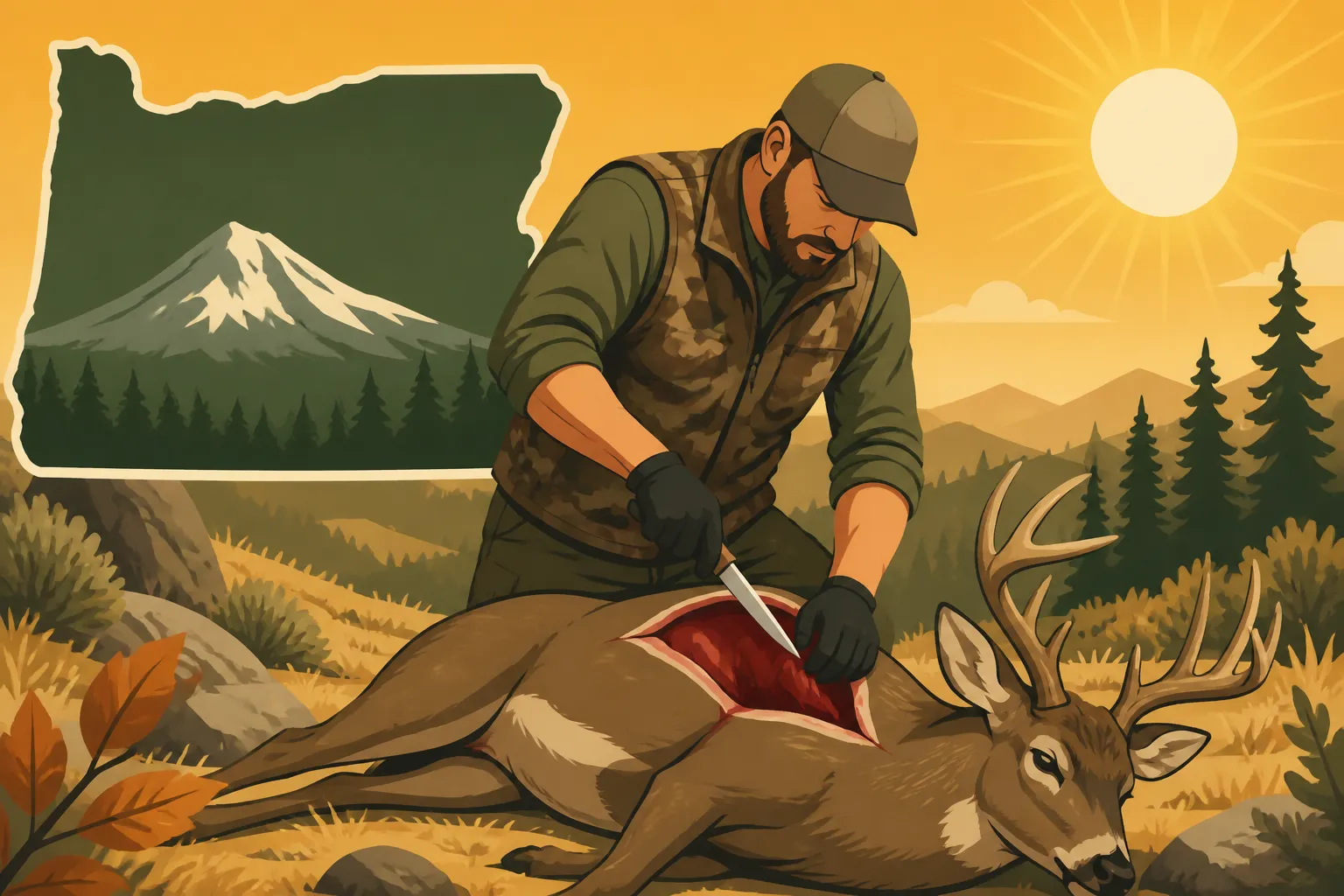
For larger game like elk or even big deer, the "gutless method" is often the superior choice in warm weather. Instead of opening the body cavity and removing the entrails, which can be messy and time-consuming, you essentially skin and debone the animal in place, taking it apart limb by limb. This minimizes contact with the gut, reducing potential contamination, and allows you to quickly get the meat into breathable game bags. It's particularly effective when you're alone and need to get the animal broken down for Quartering and Packing an Elk Alone.
Here's a simplified breakdown:
- Roll and Position: Position the animal on its side.
- Skin One Side: Make an incision along the spine from neck to tail, then down each leg. Carefully skin one entire side of the animal, exposing the large muscle groups.
- Remove Quarters: Start with the hindquarter. Separate it at the ball-and-socket joint where it meets the pelvis. The front shoulder simply detaches from the body wall with minimal cutting.
- Backstraps and Tenderloins: Carefully peel off the backstraps along the spine. For the tenderloins, you'll need to reach inside the body cavity from the spine side, which is often easier than a full gutting job.
- Flip and Repeat: Roll the carcass over and repeat the process on the other side.
- Neck Meat: Don't forget the neck meat, which can be substantial.
This method avoids the massive task of flipping a gutted animal or dragging out heavy entrails. It allows you to expose and cool large muscle groups almost immediately, which is crucial for preventing spoilage.
Maximizing Airflow and Cooling
Once you've started the field dressing process, whether it's traditional gutting or the gutless method, your next imperative is to maximize airflow and get that internal body heat out. If you've gone with a traditional gut job, ensure the body cavity is completely clear of organs and as clean as possible. You can even wipe it down with paper towels or a bandana if you have access to clean water (though avoid introducing dirt). Prop the cavity open using sticks or a small game gambrel to allow air to circulate freely.
If you're quartering the animal, immediately get those quarters into game bags and hang them. Don't leave them stacked on the ground. Air needs to get around every piece of meat. Even a slight breeze can make a huge difference. Find a shady spot—a dense fir thicket, a rock overhang, anything to keep the direct sun off the meat. In Eastern Oregon, where shade might be scarce, even a lightweight tarp stretched between trees or over a tripod can serve as a makeshift sunshade. The goal is to drop the meat's internal temperature as quickly as possible from body temperature down to something closer to ambient air temperature.
The Critical Role of Game Bags and Shade
As soon as meat is removed from the carcass and off the bone, it needs to go into a breathable game bag. These aren't just for carrying; they are vital for protecting your meat from contamination by flies, dirt, and scavengers, while still allowing it to cool. Trapping heat is the enemy, so never put warm meat into a sealed plastic bag or cooler. Game bags provide a crucial barrier while facilitating airflow.
Once the quarters are bagged, hanging them from a sturdy branch or tripod is the best approach. This gets them off the warm ground and allows air to circulate on all sides. Position your hung meat in the deepest shade you can find. Remember, direct sunlight will rapidly heat up the meat, undoing all your hard work. Consider the sun's path throughout the day and anticipate where the shade will move. If you have to leave meat for an extended period, perhaps while you're making a second trip to pack out a bull, use GoHunt to mark the location of your hung quarters and any shade you've found so you can return directly and check on them, or plan for Packing Meat Out in the Dark if it takes that long. Don't underestimate the power of even a small amount of shade on a hot day.
Beyond the Field: Immediate Post-Dressing Care and Transport
Field dressing is only the first step. The true test of meat preservation in hot weather comes in the hours and days following the kill. How you handle and transport your meat from the kill site back to your vehicle, and ultimately to a cooler or processor, is just as critical as the initial breakdown.
Rapid Cooling Strategies
Once the animal is quartered and bagged, the next immediate challenge is getting those internal temperatures down even further. If you're fortunate enough to be near a cold stream or snow patch, using these natural resources can be a game-changer. Submerging bagged meat in a cold stream for a short period (ensuring no contamination) can rapidly draw out heat. However, always be mindful of regulations regarding proximity to water sources and potential contamination. If you're hunting high in the Cascades or Wallowas in early September, you might even find residual snow patches in shaded areas that can be used to pack around bagged meat, creating a temporary "meat fridge."
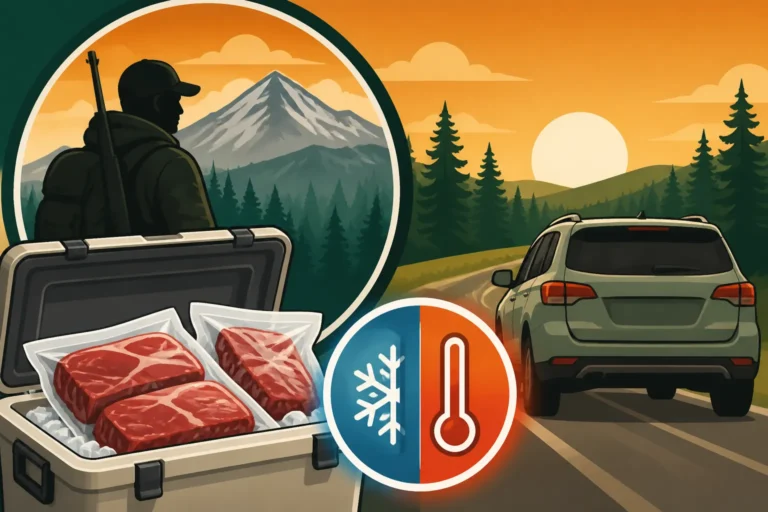
For most situations, the best strategy involves ice. This means having a plan to get ice to your meat. If you're hunting from a truck camp, consider having large coolers filled with ice already waiting. As soon as you get a quarter back to the vehicle, it should go directly into a cooler on ice. Don't just lay warm meat on top of ice. The meat should be in game bags, and the ice should be around and ideally under the meat. If you're deep in the backcountry, this requires even more foresight – perhaps planning a shorter hunt duration to avoid prolonged exposure, or coordinating with a partner to bring in ice on a pack animal.
Transporting Meat Safely Back to Camp or Vehicle
Getting the meat from the kill site to your main cooler or processing facility is often the most physically demanding part, especially when you're dealing with a large animal like an elk. For hunters pursuing Archery Elk Hunting Oregon's August and September Seasons, this can be a serious haul. Investing in a good quality pack frame is paramount. Brands like Mystery Ranch, Kifaru, or Exo Mountain Gear offer excellent options designed for heavy loads. As you pack out the meat, ensure it remains in those breathable game bags. If you have multiple trips, alternate bringing fresh ice to the meat remaining at the kill site, if possible.
Once you've loaded your vehicle, the job isn't done. The bed of a truck, especially in direct sunlight, can quickly become an oven. Arrange the meat so air can circulate, and cover it with a heavy-duty tarp or space blanket to reflect solar radiation. Many experienced hunters will create a layer of cardboard or insulating foam on the truck bed, then place a tarp, then the meat on top, ideally with ice in coolers. Don't simply pile warm quarters into the trunk of your car; this is a recipe for disaster. For detailed advice on this stage, check out our guide on Coolers, Ice and the Drive Home From Eastern Oregon. Remember, your goal is to keep that hard-won meat cool until it can be properly processed and put into a freezer. Every decision you make from the moment of the shot impacts the quality of the final product.
| Essential Warm Weather Field Dressing Gear | Purpose & Importance | Tips for Use |
|---|---|---|
| Sharp Knives (2-3) | For efficient, clean cuts; dull knives lead to frustration, slow work, and potential injury. Necessary for skinning, quartering, and precise cuts. | Bring a fixed blade, a smaller caping knife (or replaceable blade utility knife), and a sharpener. Sharpen frequently. |
| Disposable Nitrile Gloves (multiple pairs) | Crucial for hygiene, preventing contamination of meat, and protecting your hands from bloodborne pathogens. | Change gloves often, especially between gutting and handling clean meat. |
| High-Quality Breathable Game Bags | Essential for protecting meat from flies, dirt, debris, and scavengers while allowing maximum airflow for cooling. Far superior to plastic or burlap in warm conditions. | Choose bags sized for your target animal. Place meat in bags immediately after quartering. Brands like KUIU, Argali, or TAG Bags are excellent. |
| Compact Sharpening Tool | Keeps your knives razor-sharp throughout the entire field dressing and quartering process, ensuring efficiency. | A small ceramic stick or diamond sharpener works well. |
| Headlamp or Flashlight | Field dressing often takes longer than anticipated, especially if you're battling heat. Essential for working effectively as light fades. | Hands-free operation is key. Check batteries before you leave. |
| Lightweight Tarp or Emergency Blanket | Provides crucial shade over your downed animal or hung meat, preventing direct solar radiation from heating the meat. | Use it to create a makeshift sunshade in open areas. |
| Pack Frame | For efficiently and comfortably transporting heavy quarters out of the backcountry. | Ensure it's properly fitted and capable of handling substantial weight. Practice packing it before your hunt. Consider the advice in Physical Training for an Oregon Elk Hunt. |
| Clean Cloths/Paper Towels | For wiping down meat surfaces and blood, minimizing contamination and promoting cleanliness. | Keep separate cloths for dirty (gut) and clean (meat) areas. |
| Rope or Paracord | For hanging game bags in trees, creating shade structures, or securing meat. | Carry at least 25-50 feet. |
| Coolers and Ice (pre-staged) | To rapidly cool meat once it reaches your vehicle or camp. This is the most effective way to drop meat temperature quickly. | Use large, well-insulated coolers. Pack with ice before the hunt. Place bagged meat directly on and around ice. |
Disclaimer
This guide is intended for informational purposes only and should not replace proper hunter education or professional guidance. Always consult the most current Oregon Department of Fish and Wildlife (ODFW) regulations and local guidelines for specific rules regarding hunting, field dressing, and carcass handling in Oregon. Be aware of your own physical limitations and ensure you have the necessary skills and equipment for safe and ethical hunting and meat care.