Packing Meat Out in the Dark
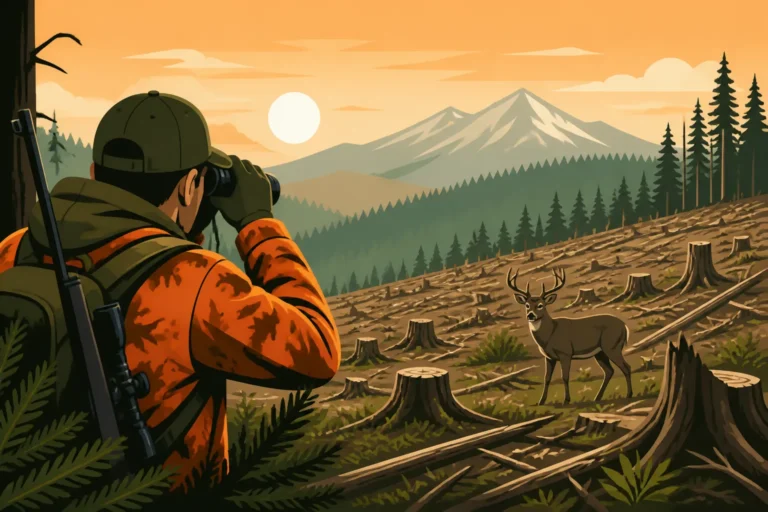
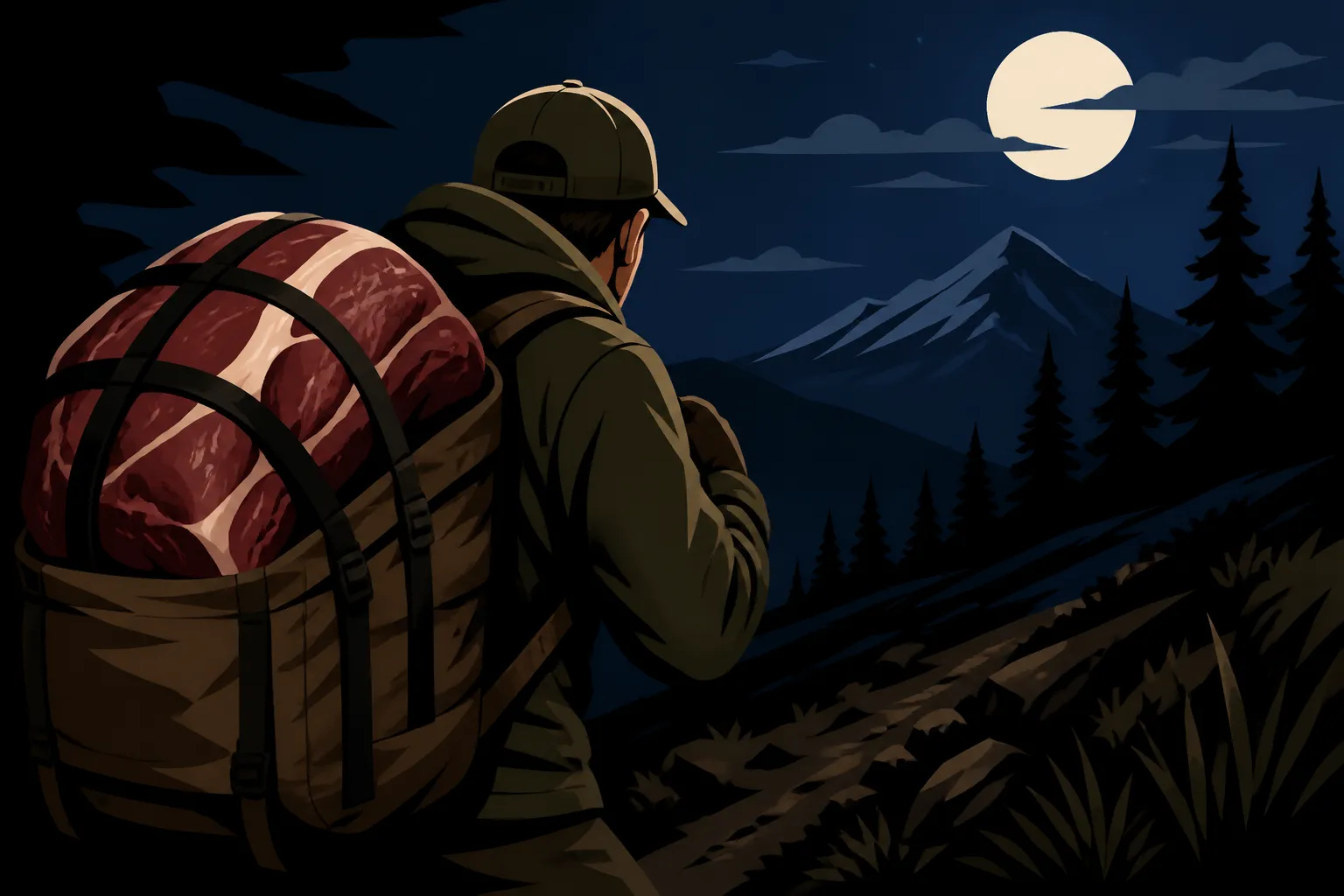
It’s a scenario every hunter has faced, or will eventually face: you’ve put in the work, made the shot, and your animal is down. The adrenaline is pumping, but then you look at your watch, or more accurately, the rapidly fading light in the western sky. That glorious moment of success quickly gives way to a daunting realization – you’re going to be packing meat out in the dark. The thought alone can be overwhelming, bringing with it concerns about safety, efficiency, and meat spoilage. This guide is here to walk you through the realities of a nighttime pack out in Oregon, offering practical advice and strategies to ensure you get your hard-earned game back to the truck safely and efficiently, even when the stars are your only overhead light.
The Inevitable Dark: Why It Happens and How to Mentally Prepare
Bringing an animal down is the culmination of so much effort, scouting, and pure grit. But sometimes, fate, or perhaps just stubborn big game, dictates that the shot happens at the absolute last minute. Instead of an easy daylight recovery, you're faced with the prospect of navigating steep, unfamiliar terrain with a heavy load, all under the cloak of night. It’s not ideal, but it’s a reality of hunting that you can, and must, be prepared for.
Understanding the Time Crunch
That moment when the sun dips below the horizon, and you’re standing over a downed elk or deer miles from the nearest road, is universally challenging. It often feels like you’re in a race against time, and in many ways, you are. The clock starts ticking for meat preservation the moment an animal expires, and darkness only adds layers of complexity to that already urgent task.
Consider the factors at play: the distance you are from your vehicle or camp, the type of terrain you’re in – is it steep, brushy, or covered in dense timber? What’s the weather doing? A sudden rain or snow shower can turn a manageable situation into a dangerous one. Then there’s the actual processing time; field dressing, quartering, and getting meat into bags takes far longer in the dark, even with good light. This isn’t just about the physical effort; it’s about making a crucial mental shift. The excitement of the harvest needs to quickly transition into a task-oriented focus. Your priorities instantly become safety, meat preservation, and then, if time and conditions allow, meticulous trophy care. Don't let the thought of a "perfect" antler mount override the practicalities of getting your meat off the ground and cooling.
The Importance of a Calm Mindset
It's easy to feel a surge of panic when you realize you're staring down hours of hard labor in the pitch black. The woods seem to close in, every shadow plays tricks, and the sounds of the night amplify any anxiety. But succumbing to that panic is the worst thing you can do. Rushing almost always leads to mistakes – a misplaced cut, a forgotten piece of gear, a twisted ankle on an unseen root, or worse.
Take a deep breath. Several of them. Methodical steps, clear communication with your hunting partners (if you have them), and a calm, focused approach are your best allies. If you're alone, talk yourself through each step. Remind yourself that you've trained for this, that your gear is ready, and that you are capable. This situation is part of the hunting experience, not an unexpected anomaly. It's a testament to the ruggedness and commitment required in Oregon's backcountry. Accept it, gather your thoughts, and move forward deliberately. Sometimes, simply acknowledging the difficulty makes it more manageable.
Essential Gear for a Nighttime Pack Out
Successfully packing meat out in the dark isn't just about mental fortitude; it's heavily reliant on having the right gear. A breakdown in equipment can quickly turn a tough situation into a dangerous one. Think of your gear as your lifeline and your efficiency multiplier when the sun goes down.
Lighting Solutions Beyond Your Headlamp
Your headlamp is undoubtedly the most critical piece of equipment for a night pack out, but relying on just one light source is a rookie mistake. You need redundancy and varied capabilities.
Primary Lighting: The Trusty Headlamp
Invest in a high-quality, high-lumen headlamp. Brands like Fenix, Petzl, or Black Diamond offer excellent options with varying brightness settings, long battery life, and comfortable straps. Always, and I mean always, start your hunt with fresh batteries and carry at least one full set of spares. For colder hunts, keep those spare batteries in an inside pocket, close to your body heat, as cold significantly reduces battery performance.
Secondary Lighting: The Handheld Flashlight
A good handheld flashlight is incredibly useful. It can often provide a brighter, more focused beam than a headlamp, which is invaluable for spotting distant trail markers, scanning for potential threats, or, critically, picking up a subtle blood trail on the forest floor. The ability to point it independently of where your head is looking provides a different perspective that can be a game-changer when you're trying to figure out where the deer went after a shot, for example. Remember, even if you’re using a tracking light legally at night in Oregon, a strong handheld is a must-have tool.
Tertiary Lighting: Area Lights
If you're processing an animal and expect to be there for a while, a small, collapsible lantern can make a world of difference. Having ambient light around the kill site frees up your headlamp for intricate work and reduces eye strain. It also makes the whole process feel less isolating and more efficient. Think about those compact LED lanterns that can hang from a tree branch or a pack frame.
Packing Systems Designed for the Task
Your packing system is what will literally bear the load. When you’re miles deep and the clock is ticking, you need gear that is robust, comfortable, and efficient.
Frame Packs: Internal vs. External
For hauling heavy, awkward loads like quarters of an elk, an external frame pack truly shines. The rigid frame keeps the weight off your back, allowing for better ventilation and easier attachment of bulky items. Internal frame packs can also work, especially larger models designed for backcountry hunting, but ensure they have good load lifters and a robust hip belt. Brands like Mystery Ranch, Kifaru, and Stone Glacier specialize in hunting packs that excel in these demanding conditions. Regardless of your choice, make sure your pack is properly fitted and you've practiced loading it with weight beforehand. Trying to adjust straps and balance an unwieldy load for the first time in the dark is a recipe for frustration.
Meat Bags: Keeping it Clean and Cool
Quality, breathable game bags are non-negotiable. These aren't just glorified pillowcases; they are designed to protect your meat from dirt, insects, and debris while allowing air to circulate, which is vital for cooling. Look for sturdy, reusable bags from companies like GoHunt, KUIU, Argali, or TAG Bags. They might seem like an extra expense, but they are absolutely worth it to ensure your meat arrives at the processor in prime condition. Pack enough bags for every piece of meat, including the tenderloins and backstraps, plus an extra for any offal you might want to salvage like the heart or liver.
Knives and Processing Tools
A sharp, dedicated field dressing knife is paramount. Carry at least two, preferably one with a gut hook for quick opening and another with a finer blade for detailed work. A small, lightweight bone saw can also be incredibly helpful for splitting the sternum or pelvis, or for Quartering and Packing an Elk Alone when dealing with large bone-in sections. Don't forget a sharpening stone or a small pull-through sharpener to keep your edges keen.
Gloves for Hygiene and Protection
Nitrile gloves are essential for hygiene during field dressing, especially in the dark where visibility is poor. Pack several pairs. Over those, wear a pair of heavier work gloves to protect your hands from sharp bones, knife slips, and abrasive brush. Your hands are your primary tools, keep them safe.
Sustenance for the Long Haul
A nighttime pack out can be a multi-hour ordeal. Bring plenty of water and calorie-dense snacks like energy bars, nuts, or jerky. You'll be expending a tremendous amount of energy, and staying hydrated and fueled is crucial for maintaining focus and preventing bonking.
First Aid Kit
This should be a standard item in your pack regardless, but its importance is magnified when you’re working in the dark. A slip with a knife, a fall on uneven ground, or a sudden allergic reaction are all more dangerous when you're miles from help. Ensure your First Aid Kit Items for a Remote Hunt are current and readily accessible.
Strategic Steps for a Safe and Efficient Dark Pack Out
Once the animal is down and the initial elation subsides, the real work begins. Doing this work under the cover of night requires a systematic approach, a reliance on your tools, and a deep respect for the terrain.
Initial Assessment and Field Dressing in the Gloom
The very first moments after an animal hits the ground are critical, especially when darkness is falling.
Secure the Animal and Mark Your Location
Before you do anything else, visually confirm the animal is deceased and safe to approach. Then, use your GPS or a smartphone app like GoHunt or onX Hunt to mark the exact kill site as a waypoint. This gives you a precise location to return to if you need to leave the animal overnight or if you get disoriented. If you're using flagging tape, tie bright, reflective strips to nearby trees as visible markers.
Prioritize Field Dressing
The immediate goal is to cool the meat as quickly as possible. This means getting the gut pile out. Even in the dark, with a good headlamp and methodical movements, you can efficiently gut an animal. For large animals like elk, consider the Gutless Method on a Bull Elk. This technique involves skinning and quartering the animal without removing the entrails, which can be faster, cleaner, and ultimately more efficient for one person, especially when visibility is limited. It minimizes the amount of time you spend exposed to the gut cavity, reducing mess and effort. If you opt for traditional field dressing, be thorough. Remember, Field Dressing an Elk in Warm Early-Season Weather emphasizes getting air to the meat, and that principle applies equally in the dark to prevent spoilage.
Quartering for Manageability
Once the animal is field dressed and cooling, the next step is to break it down into manageable pieces. This means quartering. For larger animals, you'll be looking at four quarters, plus the backstraps, tenderloins, neck meat, and potentially the rib meat. For smaller deer, you might be able to pack out the entire carcass if it's not too far. When dealing with an elk or large mule deer, each quarter can weigh a substantial amount, sometimes 80-100 pounds for a large bull. Knowing how to bone out quarters versus packing them bone-in can significantly reduce weight, though it adds time to the processing, which needs to be weighed against the deteriorating light conditions.
Marking Your Path and Navigation Techniques
Navigating in the dark, especially with a heavy pack, demands extra vigilance and reliable navigation tools.
Flagging Tape: Your Breadcrumbs
Before you even start loading meat, take a few minutes to mark your path from the kill site back toward your vehicle or camp. Use bright, reflective flagging tape tied to trees at regular intervals, especially at turns, creek crossings, or areas of dense brush. Space them close enough so you can always see the next piece of tape. This is your insurance policy against getting lost or simply wandering off track with a heavy, cumbersome load.
GPS and Smartphone Apps: Your Digital Compass
Your GPS device or smartphone app (like GoHunt or onX Hunt) is your most powerful navigational tool. Not only should you have marked the kill site, but also your vehicle, any significant trailheads, and potential hazards. Use the track recording feature as you head in, so you can simply follow your digital breadcrumbs back out. Regularly check your position against your marked waypoints. Learning E-Scouting Oregon Units With Satellite Imagery or simply Using the Oregon Hunting Map Online beforehand to identify potential routes and waypoints is invaluable for moments like these.
Natural Landmarks and Pacing
Even in the dark, try to pay attention to prominent features you can identify with your brighter flashlight – a large rock, a distinctive tree, a change in vegetation. These can serve as secondary confirmation points. More importantly, maintain a steady, sustainable pace. Trying to rush will lead to tripping, falling, and exhaustion. Go slower to go faster, especially on uneven ground or through thick undergrowth. It's not a race; it's a marathon.
Overcoming Obstacles and Maintaining Momentum
The Oregon backcountry, by day, presents plenty of challenges. At night, those challenges are amplified. You need to be prepared to tackle them safely.
Terrain Challenges
Oregon offers a huge variety of hunting environments, from the dense, wet forests of the Coast Range to the steep, rocky rimrock of Eastern Oregon. Each presents unique obstacles in the dark. In dense timber, blowdown and thick brush become treacherous trip hazards. On steep slopes, every step needs to be calculated to prevent a fall, especially when carrying a heavy load. You might be Packing Out an Elk in Oregon's Wilderness Units, where the trails are minimal and obstacles are natural and abundant. Don't be afraid to take a different, safer route even if it's longer. Better to add a few hundred yards than suffer an injury.
Water Crossings
Even small creeks can become dangerous obstacles in the dark. Use your flashlight to identify safe, shallow crossing points. If possible, remove your pack and hand-carry it across, then come back for your pack, or have a partner help stabilize you. Wet feet are uncomfortable, but a fall with a heavy pack in moving water can be truly dangerous.
Wildlife Encounters
Packing fresh meat out of the woods, especially at night, can attract predators like cougars, bears, or coyotes. While direct attacks are rare, it's wise to be aware of your surroundings. Make noise, especially if you’re alone. Keep your flashlight scanning the perimeter. Most animals will avoid human contact, but a cautious approach is always best.
Communication and Breaks
If you're hunting with a partner, clear communication is paramount. Call out obstacles, check on each other, and agree on signals (e.g., a specific whistle blast) if you get separated. Take short, frequent breaks. Drop your pack, rehydrate, have a snack, and allow your muscles to recover. Even five minutes can make a significant difference in preventing exhaustion and maintaining focus. Remember that Pack Frame Load Weight for One Hunter should be managed to avoid pushing yourself beyond your limits for too long.
Post-Pack Care and What Comes Next
You've made it out of the woods, the meat is at the truck, and the sun might even be starting to peek over the horizon. The hardest part is over, but the work isn't quite done. Proper care now is crucial to preserve the quality of your hard-earned meat.
Immediate Meat Care Upon Reaching the Vehicle
Once you finally reach your vehicle, resist the urge to simply collapse. There are immediate steps to take to ensure your meat stays in prime condition.
Airflow is Key
Get the meat out of any plastic bags or sealed containers immediately. Plastic traps heat and moisture, creating a perfect environment for bacterial growth. If you have quality game bags, they’ll allow the meat to breathe. Arrange the quarters in your truck bed or on a tarp in a way that maximizes airflow around each piece. Don't stack them tightly together.
Cooling Down
If the ambient temperature is still warm, you need to actively cool the meat. Ice chests are your best friend here. Layer meat with ice, ensuring melted water can drain away, or use dry ice carefully. For longer drives, especially back from Eastern Oregon, having enough ice to fully submerge the meat or using a large chest with plenty of ice is critical. For more on this, check out Coolers, Ice and the Drive Home From Eastern Oregon. If it's a cold night, simply allowing the meat to air out in the cool night air can be sufficient, but always verify it's truly cold enough.
Security from Scavengers
If you have to leave the meat overnight at the trailhead before heading home, secure it properly. Keep it in a locked vehicle or covered to deter animals like bears, coyotes, or even opportunistic ravens.
Debriefing and Learning from the Experience
After the long haul, once you’re home and settled, take some time to reflect on the experience. Every challenging hunt offers valuable lessons.
Review the Pack Out
What worked well? What could have been done better? Did your headlamp perform as expected? Was your pack comfortable with the load? Did you run into unforeseen obstacles that could have been avoided with better planning? This self-assessment is key to improving your preparedness for future hunts.
Gear Assessment
Did any gear fail? Were there items you wished you had? Perhaps you need a brighter headlamp, a more robust frame pack, or simply better game bags. Use this experience to refine your gear list. Maybe it's time to invest in a better quality knife or a dedicated bone saw.
Physical Toll and Recovery
A dark, heavy pack out is physically demanding. Acknowledge the effort, and plan for proper recovery. Hydrate, rest, and give your body time to recuperate. Consider what you could do differently next season. Could you incorporate more specific Physical Training for an Oregon Elk Hunt into your off-season routine to make these situations less grueling?
Future Preparation
The "inevitable dark" will happen again. By learning from each experience, you build a stronger mental and physical toolkit. This might involve packing a small, reflective blanket for an emergency bivy, or simply spending more time e-scouting potential extraction routes using GoHunt before you even step foot in the unit. It's all part of becoming a more competent, self-reliant hunter in Oregon's diverse and challenging landscapes.
Disclaimer
The information provided in this guide is for informational purposes only and is not a substitute for professional guidance or personal experience. Hunting can be dangerous, and conditions in the backcountry can change rapidly. Always prioritize safety, adhere to all Oregon Department of Fish and Wildlife (ODFW) regulations, and ensure you are adequately prepared for any situation you may encounter.