Oregon Wolves and Big Game Herds
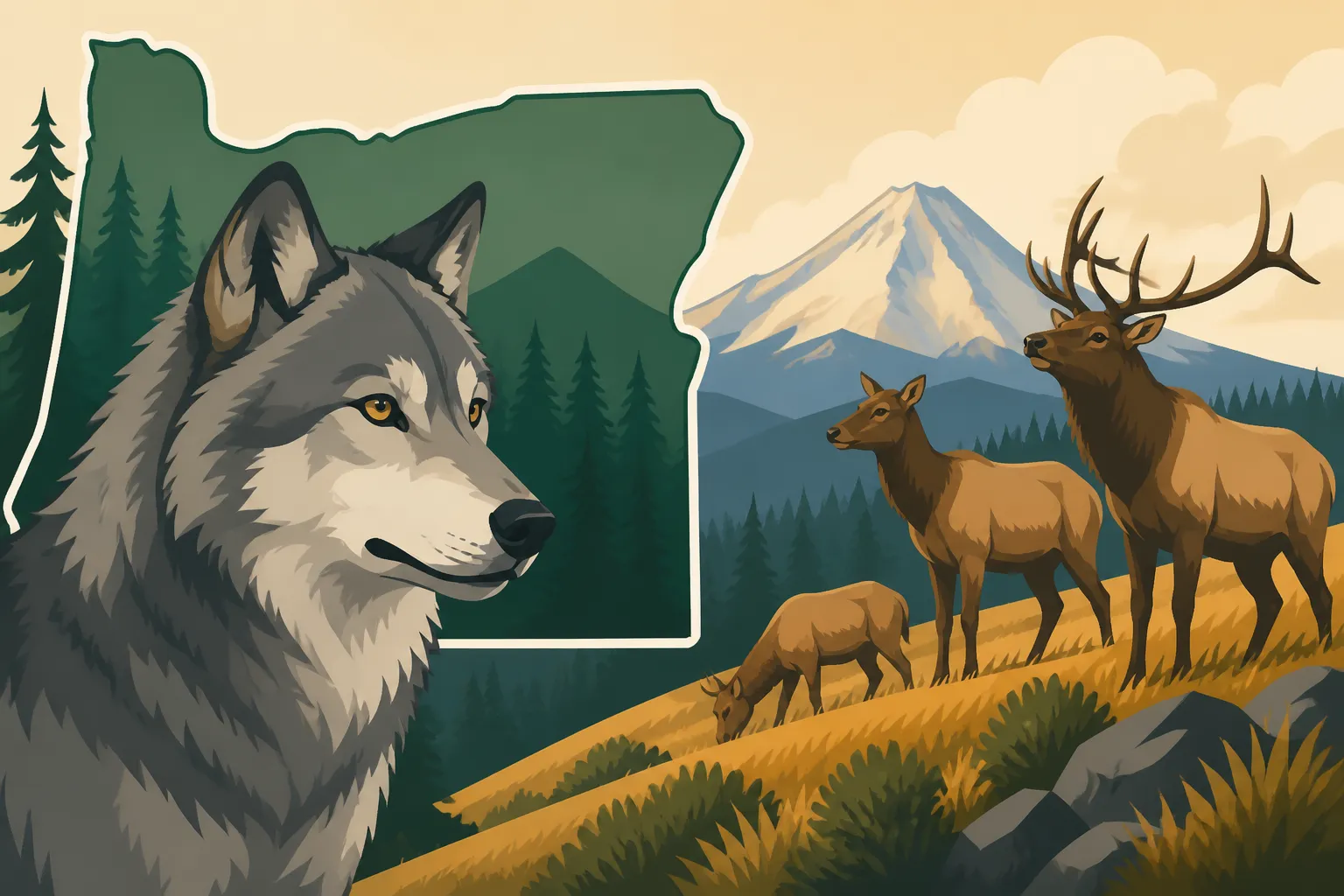
The return of wolves to Oregon has sparked intense debate and genuine concern among hunters and landowners, profoundly shifting the dynamics of big game populations and the very experience of being afield. Many of us remember a time when wolf tracks were a relic of the past, and now, their presence introduces new complexities, frustrating some while exciting others with the return of a native predator. This comprehensive guide will delve into the history of wolf reintroduction, their impact on Oregon's deer and elk herds, and how hunters can adapt to these evolving conditions.
The Return of Wolves to Oregon and Initial Impacts
For decades, the idea of a wolf howling in Oregon's wilderness was just that—an idea, a historical footnote. But nature, as it often does, found a way to rewrite the narrative. The re-establishment of wolves in our state is a story of natural recolonization, driven by the expansion of populations from neighboring Idaho. This return has reshaped discussions around wildlife management and conservation, bringing both excitement and considerable challenges.
A Brief History of Wolf Recovery in Oregon
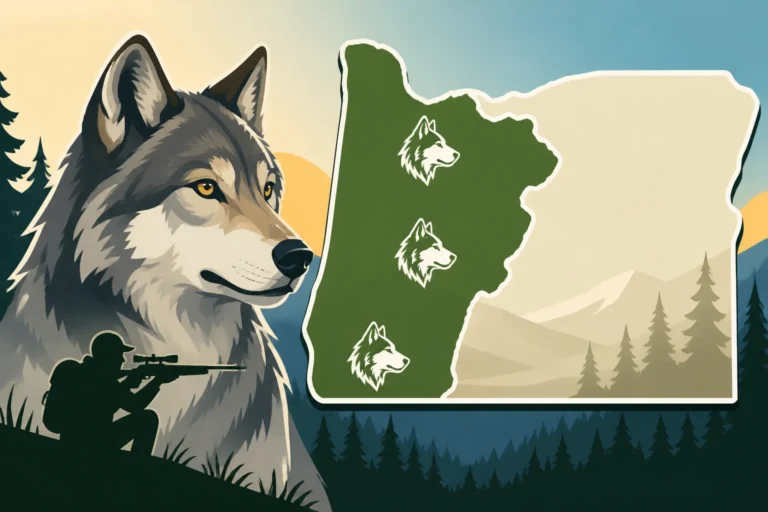
Wolves were systematically hunted to extirpation in Oregon by the mid-20th century, with the last known wolf in the state killed in 1946. For over half a century, their absence left an ecological void. However, with successful recovery efforts in the Northern Rocky Mountains, particularly in Idaho, wolves began to naturally disperse, seeking new territories. The first confirmed wolf in Oregon in modern times was documented in 1999, but it wasn't until 2007 that the first breeding pair, known as the Imnaha Pack, was confirmed in Wallowa County. This marked a pivotal moment, signaling the true return of the species to the Beaver State.
The initial sightings and the subsequent confirmation of breeding packs led to a flurry of activity around state and federal protections. Wolves were listed as endangered under both the federal Endangered Species Act (ESA) and the Oregon ESA, granting them stringent legal safeguards. These protections allowed the population to slowly but steadily grow, spreading from the northeastern corner of the state into central and eventually southwestern Oregon. The Imnaha Pack, in particular, became a symbol of this return, with individual wolves from this pack traversing vast distances, helping to establish new territories and packs like the Walla Walla Pack and others throughout the Blue Mountains.
This slow but undeniable expansion meant that what began as a handful of animals in a remote corner of Oregon gradually became a statewide presence. The journey from extirpation to recolonization is a testament to the resilience of nature, but it also ushered in a new era of wildlife management, one fraught with questions about balancing conservation goals with the concerns of local communities, especially those tied to livestock and big game hunting.
Early Concerns and Monitoring Efforts
As wolf numbers slowly climbed, so did the concerns from various stakeholders. Ranchers were understandably worried about potential livestock depredation, a concern that quickly materialized in certain areas. For hunters, the primary apprehension revolved around the potential impact on Oregon's celebrated big game herds, particularly the mule deer and elk populations that many depend on for sustenance and recreation. There was a palpable fear that wolves would decimate deer and elk numbers, leading to reduced hunting opportunities and long-term ecological imbalance.
In response to these burgeoning concerns, the Oregon Department of Fish and Wildlife (ODFW) implemented extensive monitoring efforts. These included trapping and collaring wolves with GPS transmitters, allowing biologists to track their movements, pack dynamics, and even identify kill sites. Scat analysis provided crucial information on diet, confirming their reliance on ungulates. Aerial surveys, though challenging, helped estimate pack sizes and overall population trends. This data was, and remains, vital for understanding the true footprint of wolves on the landscape.
The initial growth of the wolf population was indeed gradual, offering a window for ODFW to develop and refine its wolf management plan. While the perceived threat of widespread big game depletion loomed large in many minds, the actual impact in those early years was localized and often less dramatic than some predictions. However, the presence of wolves, even in small numbers, sparked a fundamental shift in the environment, prompting both wildlife and wildlife managers to adapt to a landscape where this apex predator had reclaimed its place.
Wolf Predation Dynamics and Big Game
The mere presence of wolves inevitably leads to questions about their role as predators and how they interact with big game. It's a complex dance of survival that shapes the health and behavior of entire ecosystems. Understanding these dynamics is crucial for grasping the broader picture of wolf presence in Oregon.
Preferred Prey Species and Hunting Strategies
Wolves, being highly efficient predators, primarily target ungulates in Oregon's varied landscapes. Their diet largely consists of deer and elk, encompassing both the majestic Rocky Mountain elk of Eastern Oregon and the Roosevelt elk found in the state's western regions, as well as Columbian blacktail deer and mule deer. These animals form the backbone of a wolf pack's sustenance. Unlike a solitary hunter, wolves operate as a cohesive unit, employing sophisticated pack hunting strategies that allow them to bring down animals much larger than themselves. They often test herds, looking for weaknesses, and once a target is identified, the chase is on, a testament to their incredible endurance and coordination.
A key aspect of wolf predation is their tendency to target the most vulnerable animals within a herd. This often includes the old, the very young, the sick, or those that are injured. This isn't just about ease of capture; it's a natural selection mechanism. By removing weaker individuals, wolves can, over time, contribute to the overall health and genetic fitness of the prey population. While it can be tough to witness, this selective predation helps prevent the spread of disease and ensures that the strongest genes are passed on, creating a more robust and resilient big game herd in the long run.
It's important to differentiate wolf hunting behavior from human hunting. While both involve taking big game, their objectives and impacts are vastly different. Human hunters typically remove prime-aged, healthy animals, often targeting trophy bucks or bulls, and do so during specific, limited seasons. Wolves, on the other hand, exert continuous, year-round pressure, focusing on the most accessible prey. This constant presence shapes big game behavior in ways that seasonal human hunting simply doesn't, leading to a different kind of ecological pressure and a fundamental shift in the predator-prey relationship.
Impact on Elk and Deer Populations
When wolves first returned, many hunters feared widespread declines in elk and deer populations across Oregon. The narrative often revolved around a direct correlation: more wolves mean fewer big game animals. However, the reality on the ground has proven to be far more nuanced. While localized impacts have certainly occurred, with specific areas seeing a dip in elk or deer numbers attributed in part to wolf predation, statewide populations have largely remained stable or fluctuated due to a multitude of other factors. It's rarely a simple one-to-one relationship.
For instance, in some eastern Oregon units, Oregon Elk Herd Numbers by Region might show localized changes, but it's essential to consider the bigger picture. Habitat quality, severe winters, drought conditions, and other predator populations like Oregon Cougar Population Estimates and Black Bear Populations Across Oregon all play significant roles. Why Oregon Mule Deer Numbers Are Falling is a complex issue that predates widespread wolf presence, pointing to habitat degradation, human development, and other environmental stressors as major contributors, often overshadowing wolf impacts.
The challenge lies in accurately measuring the true impact of wolves. Disentangling wolf predation from these other variables is incredibly difficult. For example, when examining Elk Calf Survival and Predation in Oregon, biologists must consider not only wolf kills but also predation by bears and cougars, harsh weather conditions, and the availability of nutrient-rich forage for cows. Attributing a decline solely to wolves often oversimplifies a much more intricate ecological web. ODFW continues to study these interactions, highlighting the need for data-driven management rather than reactive assumptions based on fear or anecdotal evidence.
Behavioral Changes in Big Game Herds
The return of an apex predator like the wolf doesn't just impact population numbers; it fundamentally reshapes the behavior of big game. Elk and deer, having evolved alongside wolves for millennia, possess ingrained instincts that are reawakening, leading to observable changes in their movement patterns and overall demeanor.
Altered Movement Patterns and Habitat Use
One of the most noticeable impacts of wolves on big game is the alteration of their movement patterns and how they utilize their habitat. Elk and deer in wolf country become inherently warier. They are less likely to linger in open areas and are more prone to seeking out denser cover, timber, or rugged terrain where they have a better chance of escaping detection or an attack. This can lead to big game abandoning historically preferred feeding grounds or bedding areas if wolf activity becomes consistent. This phenomenon is often referred to as Wolf Impact on Elk Behaviour, where animals adjust their routines to avoid predators.
For hunters, this means that those tried-and-true hunting spots, where elk and deer once predictably fed or watered, might become less productive. Animals are on the move more, often covering greater distances, and spending less time in any one area. They might also shift their primary activity periods, becoming more nocturnal or crepuscular to avoid daylight encounters with wolves. This necessitates a significant adaptation in hunting strategies, requiring more aggressive scouting and a deeper understanding of how these new pressures are influencing local herds.
The long-term implications of these altered patterns could even extend to traditional migration corridors or winter range use. While Mule Deer Winter Range in Eastern Oregon has been traditionally defined by certain geographic areas and food sources, continuous wolf presence could compel deer to find new, less disturbed wintering grounds or to use existing ones in different ways. This could potentially affect herd health if new areas offer poorer forage, or it could lead to dispersion into areas previously less utilized, opening up new hunting opportunities, albeit challenging ones.
Increased Vigilance and Fitness
Perhaps a less immediately obvious, but equally profound, change brought about by wolf presence is the increase in vigilance and overall fitness of big game herds. Animals living under constant predation pressure are simply sharper, more alert, and physically tougher. They react more quickly to perceived threats, relying on their senses more acutely, and are generally in better physical condition because only the strongest and fastest often survive encounters with wolves. This isn't just theory; it's a fundamental ecological principle.
From a hunter's perspective, this translates into big game that is significantly harder to approach. Stalking becomes more challenging, and animals are quicker to bolt at the slightest sound or scent. They are often more wary of human presence, too, associating any disturbance with potential danger. This can be frustrating for hunters accustomed to more predictable animal behavior, but it also elevates the challenge and satisfaction of a successful hunt. It means that the animals you do encounter and harvest are likely to be healthy, vibrant examples of their species, honed by the crucible of natural selection.
While the short-term frustrations for hunters are undeniable, the long-term ecological benefits of a more vigilant and fit big game population are substantial. A herd that is constantly challenged by predators is a healthier herd. It's more resistant to disease, less prone to overgrazing its habitat, and possesses stronger genetics. This contributes to the overall resilience and ecological integrity of Oregon's wildlands, fostering a more balanced Predator Prey Balance in Oregon Units. It's a reminder that while the hunting experience might change, the fundamental health of the resource often benefits from the full spectrum of natural processes, including predation.
Management Strategies and Hunter Adaptation
The re-establishment of wolves in Oregon has forced wildlife managers to evolve their strategies and compelled hunters to adapt their approaches. It's a testament to the dynamic nature of both wildlife conservation and hunting traditions in the face of change.
ODFW's Wolf Management Plan
Oregon's approach to wolf management has been a carefully phased and often contentious process, striving to balance conservation goals with the concerns of various stakeholders, particularly livestock producers and hunters. The Oregon Department of Fish and Wildlife (ODFW) developed a comprehensive Wolf Management Plan, which dictates the actions taken as the wolf population grows and expands. This plan outlines criteria for wolf delisting from the state's Endangered Species Act, which occurred in 2015, signaling a more robust and established population. The delisting shifted management paradigms, allowing for more flexible responses to conflicts.
A significant portion of the plan addresses non-lethal and lethal control measures for livestock depredation. ODFW actively promotes and, in some cases, assists landowners with non-lethal deterrents such as guard dogs, fladry (colored flagging around pastures), range riders, and carcass removal. However, when non-lethal methods are deemed ineffective and confirmed depredations continue, the plan allows for lethal removal of wolves under strict guidelines and often after a series of escalating non-lethal attempts. This aspect of the plan is always under scrutiny and public debate, highlighting the difficult balance ODFW must strike between protecting wolves and mitigating impacts on agriculture.
Ultimately, ODFW's plan is an ongoing effort to balance the ecological restoration of wolves with the economic and recreational interests of Oregonians. It's a fluid document, regularly reviewed and adjusted based on population data, conflict levels, and public input, often discussed and debated during Oregon Commission Meetings on Hunting Rules. The goal is not just to manage wolves, but to manage the complex human-wildlife interactions that come with their presence, seeking common ground where possible and making tough decisions when conflicts arise.
How Hunters Can Adapt to Wolf Presence
For hunters, adapting to wolves is less about direct confrontation and more about understanding and adjusting to the altered behavior of big game. The days of predictable elk and deer patterns in certain units may be shifting, and successful hunters are those willing to learn and evolve. This means redoubling efforts in scouting, spending more time in the field before the season, and being open to new tactics. Tools like GoHunt maps become invaluable here, allowing hunters to overlay public land, timber company access, and even potential wolf activity reported by ODFW, helping to identify areas where big game might be shifting. Observing fresh tracks, scat, and rub lines, even in less conventional areas, becomes critical.
Focusing on areas with less wolf presence, or where big game has historically shown a strong resilience and has adapted to predator pressure, can also be a fruitful strategy. This might mean exploring new corners of familiar units or venturing into new Oregon's Wildlife Management Units and New Hunt Areas entirely. Animals in areas with more consistent wolf activity tend to be more alert and often use thicker cover, requiring hunters to refine their still-hunting techniques or improve their ability to call animals into dense timber. Technologies that aid in observation and navigation, such as those that support E-Scouting Oregon Units With Satellite Imagery, become indispensable for pre-season planning and in-field execution.
Ultimately, adapting to wolves means embracing the challenge and recognizing that the hunting landscape is a living, breathing entity. It requires patience, persistence, and a willingness to step outside traditional comfort zones. While the presence of wolves might make success harder for some, it also fosters a deeper connection to the wild, sharpening a hunter's skills and fostering a greater appreciation for the intricate web of life. It transforms the hunt into a more primal, challenging, and ultimately, rewarding experience. GoHunt's data layers and community forums can also be excellent resources for staying informed about evolving conditions and sharing adaptation strategies with fellow hunters.
The Broader Ecosystem Perspective
Beyond the immediate concerns for big game populations and hunting opportunities, the return of wolves offers a profound ecological restoration, reminding us of their historical role as a keystone species in North American ecosystems. Their presence ripples through the entire food web, often in unexpected and beneficial ways.
Wolves as Keystone Species
The term "keystone species" is often used to describe animals whose presence has a disproportionately large effect on their natural environment relative to their abundance. Wolves are a classic example of this. Their reintroduction, most famously in Yellowstone National Park, demonstrated a phenomenon known as a "trophic cascade." By preying on elk and deer, wolves don't just reduce herbivore numbers; they change the herbivores' behavior. Elk, for example, become warier and spend less time intensely browsing in riparian areas, allowing willows, aspens, and cottonwoods to recover. This, in turn, provides habitat for beaver, songbirds, and fish, demonstrating how one species can indirectly benefit an entire ecosystem.
In Oregon, while the effects are still being studied and are on a different scale than Yellowstone's confined ecosystem, the principle remains the same. The presence of wolves is slowly restoring natural predator-prey dynamics that have been absent for decades. This includes the natural selection process where weaker animals are culled, leading to healthier and more robust big game herds. This natural pressure can also distribute big game more widely across the landscape, reducing overgrazing in specific areas and allowing vegetation to flourish, which ultimately benefits a host of other wildlife species from insects to small mammals.
The return of wolves signifies a step towards a more complete and resilient ecosystem. It's about restoring a crucial piece of the ecological puzzle, allowing the wild to self-regulate and thrive in ways that human management alone cannot fully replicate. While the process of re-establishment brings challenges, the long-term vision is one of a healthier, more diverse, and biologically richer Oregon, where natural processes dictate the flow of life and energy across the landscape.
Coexistence Challenges and Future Outlook
Despite the ecological benefits, the path to coexistence between wolves, humans, and big game in Oregon is far from smooth. The reintroduction continues to be a hot-button issue, sparking ongoing social and political debate. Ranchers grapple with livestock losses, hunters worry about big game numbers, and conservationists advocate for strong wolf protections. These diverse perspectives often clash, making consensus difficult and highlighting the need for continued, respectful communication and a commitment to science-based management. Organizations like the Oregon Hunters Association (OHA) and the Oregon Cattlemen's Association play crucial roles in representing their constituents and shaping policy discussions surrounding wolf management.
The future outlook for wolves in Oregon suggests a sustained and likely expanding population. While their numbers may fluctuate, they are now an established part of the state's wildlife. This reality demands ongoing adaptation from all parties. For hunters, it means embracing evolving strategies and viewing hunting as an even more challenging and rewarding endeavor. For landowners, it requires vigilance and continued engagement with ODFW on effective non-lethal deterrence. For policymakers, it means consistently reviewing and updating the Wolf Management Plan to ensure it remains responsive to ecological changes and societal needs, taking into account factors like Oregon Wolf Pack Numbers and their distribution.
Ultimately, the goal is not to eliminate conflict entirely, which is an unrealistic expectation when dealing with apex predators and human interests, but to manage it effectively. By fostering dialogue, relying on sound scientific data, and acknowledging the varied values and concerns of Oregonians, we can work towards a future where wolves, big game, and human communities can coexist. Utilizing resources like GoHunt, which can provide information on wildlife populations and ODFW updates, becomes increasingly important for all stakeholders to stay informed and engaged in this ongoing conversation.
Data, Statistics, and Resources
Navigating the complexities of wolf presence and its impact on big game requires reliable information. Understanding where to find accurate data and how to utilize modern tools can significantly enhance a hunter's preparedness and contribute to informed discussions.
Tracking Wolf Numbers and Distribution
The Oregon Department of Fish and Wildlife (ODFW) is the primary authority for tracking wolf populations and their distribution across the state. Each year, ODFW releases a comprehensive annual wolf report, detailing the number of known wolves, confirmed packs, breeding pairs, and their approximate locations. This report is based on a combination of monitoring methods, including GPS collar data, trail camera images, public sightings, and sign surveys. While these counts are estimates and can be challenging due to the elusive nature of wolves, they provide the best available picture of the population's status and growth.
Understanding the methodology behind these counts is important for interpreting the data. ODFW's count methodology involves documenting "resident wolves" that establish territories, with a focus on confirmed packs and breeding pairs. This ensures a consistent and conservative approach to population estimates. The data often shows a trend of population growth and range expansion, with new packs forming and wolves dispersing into previously unoccupied territories, particularly in areas with abundant big game. Reading an Oregon Big Game Statistics Report can provide context by showing trends in prey populations alongside wolf numbers.
Accessing this official data is crucial for anyone interested in the topic. ODFW makes its annual wolf reports, maps of known wolf territories, and other relevant information publicly available on its website. Staying current with these reports can help hunters, conservationists, and the general public understand the dynamic changes occurring in Oregon's wildlife landscape, providing factual grounding for discussions and decisions.
Utilizing Technology for Informed Hunting
In an era where wildlife populations and behaviors are constantly adapting, modern technology offers powerful tools for hunters to stay ahead of the curve. Digital mapping applications and online platforms have revolutionized the way hunters research, scout, and navigate the field, and they are particularly valuable when considering areas with wolf presence. These tools allow you to analyze a vast array of data, from topography and vegetation cover to property boundaries and historical land use.
Platforms like GoHunt, and others, provide detailed satellite imagery, topographical maps, and public/private land ownership overlays that are invaluable. For instance, you can identify dense timber stands or rugged canyons that might serve as natural sanctuaries for elk or deer avoiding wolves, or conversely, areas that might act as wolf travel corridors. By understanding these spatial relationships, hunters can make more informed decisions about where to focus their efforts, potentially finding new honey holes where big game might be concentrated or less disturbed. These digital platforms can also aid in scouting efforts by marking potential bedding areas, water sources, and escape routes, much like one might use them for general Oregon Big Game Records Program research, but with the added layer of considering predator influence.
Beyond mapping, staying informed through ODFW updates and reputable community forums is vital. Many of these digital platforms integrate news feeds or community sections where hunters share observations and tips, providing real-time insights into big game movements and local conditions. While anecdotal information should always be taken with a grain of salt, it can complement official data and help paint a more complete picture of what to expect in a given hunting unit. The combination of official data, advanced mapping technology, and community intelligence empowers hunters to adapt to the evolving challenges and opportunities that come with hunting in wolf country.
| Factor | Before Wolf Reintroduction | After Wolf Reintroduction (in established wolf areas) |
|---|---|---|
| Big Game Behavior | More predictable, less wary | More elusive, warier, increased nocturnal activity |
| Habitat Use | More frequent use of open areas | Increased use of dense cover, rugged terrain |
| Herd Health | Can be subject to disease outbreaks, less natural selection | Improved overall fitness, stronger gene pool due to natural selection |
| Hunting Strategy | Often relied on traditional patterns | Requires more aggressive scouting, adaptability, and deeper understanding of animal movement |
| Prey Dispersion | Potentially concentrated in prime habitat | More dispersed across landscape to avoid predation |
| Hunters' Challenge | Familiar, established patterns | Increased difficulty, requires sharpened skills |
| Ecosystem Dynamics | Imbalanced, lacking apex predator influence | Restored trophic cascades, healthier vegetation, biodiversity benefits |
Disclaimer
Please remember that hunting regulations, wildlife populations, and wolf management policies are subject to change. Always consult the most current Oregon Department of Fish and Wildlife (ODFW) regulations and resources before planning any hunting activity. This guide provides general information and should not be considered a substitute for official ODFW publications or expert advice.