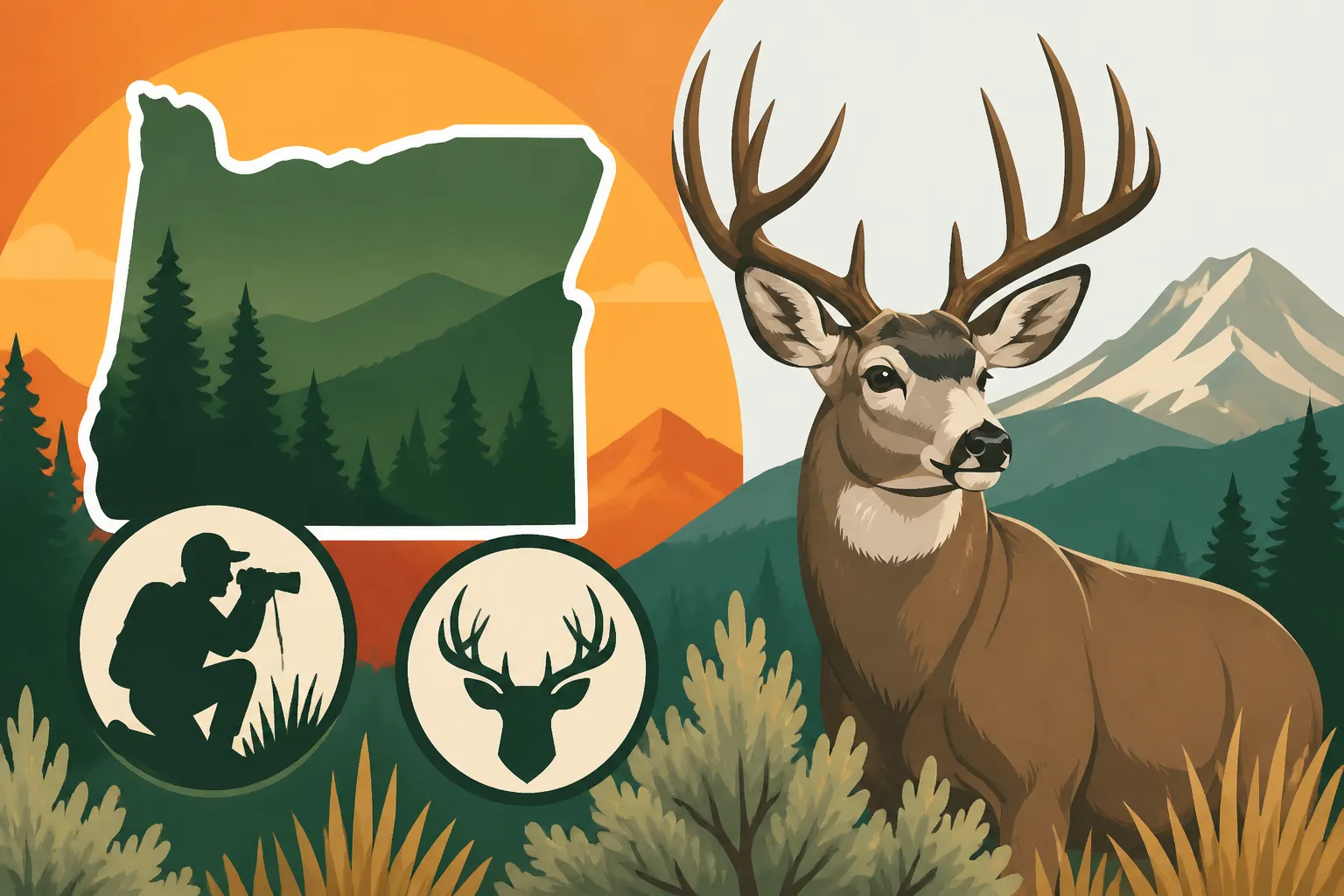
Oregon’s 2024 Mule Deer Plan
For years now, many of us who cherish Oregon's wild places have watched with a heavy heart as our mule deer populations have struggled. The sight of fewer deer in familiar haunts, the worry over shrinking herds, it's a frustration that hits close to home for hunters and wildlife enthusiasts alike. This comprehensive guide will delve deep into Oregon's 2024 Mule Deer Plan, explaining its origins, its goals, and what it means for the future of these iconic animals and for all of us who pursue them.
Understanding the Oregon Mule Deer Challenge
It's no secret that mule deer across the West, and certainly here in Oregon, have been facing an uphill battle for quite some time. The decline isn't just a hunter's lament; it's a scientific reality, and it’s why something like the 2024 Mule Deer Plan became so desperately needed. When you spend time in the high desert or the rimrock country, you can’t help but notice the changes compared to decades past.
Historical Context of Decline
If you've been around the Oregon hunting scene for a while, you've heard the stories, or maybe even witnessed it yourself: the good old days when mule deer seemed more abundant, particularly in Eastern Oregon. But over the last 30 to 40 years, we've seen a pretty consistent downward trend in many of our core mule deer populations. It's not a sudden crash, but rather a slow, steady erosion, much like water wearing down a canyon. This decline has been multifactorial, meaning no single culprit is to blame, which also makes the solutions incredibly complex.
Initially, efforts focused on managing harvest and occasionally addressing specific, localized issues. However, as the broader trend persisted and even accelerated in some areas, wildlife managers realized a more holistic, statewide strategy was necessary. The Oregon Department of Fish and Wildlife (ODFW) has been tracking these numbers, looking at fawn recruitment rates, buck-to-doe ratios, and overall herd health. The data painted a clear picture: without significant intervention, the future of Oregon's mule deer was looking grim. This deep dive into the historical context truly explains why we needed a fundamental shift in how we approach this challenge, leading directly to the new plan. For a broader overview of the problem, you might find "Oregon Mule Deer and the Herd Range Decline" to be a helpful read.
Key Factors Contributing to Population Loss
When you talk about why mule deer numbers are falling, you’re talking about a tangled web of environmental and biological stressors. It's not just one thing, but a combination that creates a perfect storm. One of the biggest factors we face is habitat degradation and loss. Urban expansion, increased agriculture, and changes in land use have fragmented crucial winter ranges and migration corridors. Think about how much of the landscape has changed even in our lifetimes; those changes directly impact where deer can find food, cover, and safe passage.
Another significant piece of the puzzle is predation. We have healthy populations of coyotes, bears, and, increasingly, wolves in parts of Oregon, and these predators naturally impact deer herds, especially vulnerable fawns. While predation is a natural part of the ecosystem, its impact becomes more pronounced when deer populations are already stressed by other factors. Coupled with habitat issues, this can make it incredibly difficult for herds to rebound. Add to this the variable weather patterns, including severe winters and prolonged droughts that impact forage quality and water sources, and you can see why the situation became critical. We also have to consider disease. While not always a widespread issue, outbreaks of diseases like epizootic hemorrhagic disease (EHD) can locally decimate populations. It's a lot for these resilient animals to overcome, and it's why the 2024 plan aims to address these complex challenges head-on. If you're curious about the specific reasons, take a look at "Why Oregon Mule Deer Declined".
The Core Tenets of Oregon's 2024 Mule Deer Plan
The 2024 Mule Deer Plan isn't just a rehash of old ideas; it represents a significant shift in strategy, acknowledging the complex issues our mule deer face. It’s a multi-pronged approach designed to stabilize and ultimately grow our mule deer populations by tackling the root causes of their decline. The plan aims for long-term health, not just quick fixes, which is exactly what these animals need.
Habitat Restoration and Enhancement Efforts
At the heart of any successful wildlife management plan is a strong focus on habitat, and the 2024 Mule Deer Plan is no exception. Deer need good food, clean water, and safe cover to thrive, and unfortunately, in many areas, these essentials have diminished. The plan places a huge emphasis on large-scale habitat restoration projects. This isn't just about planting a few shrubs; it involves significant efforts to improve forage quality on both winter and summer ranges. Think about prescribed burns to promote new growth, juniper removal projects to open up critical browse areas, and restoring native plant communities that provide better nutrition for deer.
Beyond improving the quality of existing habitat, the plan also zeroes in on connecting fragmented landscapes. Many of Oregon's mule deer herds are migratory, relying on intact corridors to move between their winter and summer ranges. The plan includes initiatives to identify and protect these vital migration corridors, potentially working with landowners and other agencies to ensure safe passage. It's about thinking beyond individual parcels of land and looking at the broader ecosystem that mule deer depend on. These efforts are crucial for fawn recruitment rates, as healthy does on good forage produce healthier fawns, improving their chances of survival. You can learn more about specific habitat needs by exploring "Mule Deer Winter Range in Eastern Oregon."
Managing Predation and Disease
While habitat is fundamental, the 2024 plan also directly addresses predation and disease, recognizing their significant impact on mule deer populations. This is often a contentious topic, but the plan approaches it with a focus on balance and science-based management. Regarding predation, the strategy isn't about eradication, but rather about localized management when predator populations are disproportionately impacting vulnerable deer herds, especially in areas with very low fawn survival. This might involve increased monitoring of predator activity and, in some cases, targeted removal efforts in collaboration with other agencies.
Disease management is another critical component. The plan calls for enhanced surveillance programs to detect diseases like Chronic Wasting Disease (CWD), which hasn't been found in Oregon yet, and other illnesses that could impact herd health. Early detection and rapid response are key to preventing widespread outbreaks. Furthermore, by improving overall herd health through better habitat and nutrition, the plan aims to make deer more resilient to disease in the first place. A strong, healthy deer herd is better equipped to fight off illness. Understanding the complex interactions between "Predation, Habitat and Climate on Mule Deer" is vital for the success of these initiatives.
Adaptive Harvest Strategies and Tag Allocation
One of the most immediate and noticeable aspects of the 2024 Mule Deer Plan for hunters will be its influence on harvest strategies and how tags are allocated. The plan advocates for a more adaptive approach, meaning tag numbers and hunt structures will be adjusted more dynamically based on real-time herd data and specific management objectives for each herd range. This could mean more conservative tag numbers in areas where populations are struggling to recover, ensuring that the harvest doesn't impede growth.
The goal isn't necessarily to reduce hunter opportunity indefinitely but to align it with what the science tells us the herd can sustain. This might involve shifting some opportunities to different areas or types of hunts, or even implementing changes in seasons to protect specific segments of the deer population. For instance, if fawn survival is low, managers might consider adjusting antlerless harvests. Hunters need to be more vigilant than ever in reviewing the annual hunting regulations, as changes are likely to be ongoing as the plan evolves. Tools like those offered by GoHunt can be incredibly helpful for keeping track of these changes and understanding draw odds in specific units as new data comes in. The plan is designed to be flexible, allowing ODFW to respond quickly to changes in herd dynamics.
How the 2024 Plan Affects Hunters
Let's be honest, for many of us, when a new management plan drops, the first thing we wonder is, "How will this impact my hunt?" The 2024 Mule Deer Plan is designed to benefit the deer, but inevitably, that means some adjustments for hunters. It’s a necessary step to ensure the future of mule deer hunting in Oregon, but it will require flexibility and understanding from the hunting community.
Changes to Hunt Areas and Unit Boundaries
One of the most significant shifts that came into play, largely driven by the comprehensive mule deer strategy, involved the redefinition of our hunting units. The traditional, sometimes fragmented, unit boundaries have been consolidated into broader "herd ranges." This change is intended to better reflect how mule deer actually utilize the landscape, moving across what were once artificial lines. For example, instead of several smaller units, you might now see a larger area designated as a specific herd range, allowing for more cohesive management across the deer's entire annual cycle. This means the way you've always applied or thought about your favorite spots might need a mental remapping.
These new herd ranges are designed to allow ODFW to manage deer populations more effectively, taking into account their full migration patterns and habitat use. This is a big departure from how things were previously, and it requires hunters to familiarize themselves with the new designations. What you once knew as the Sled Springs Unit, for instance, might now be part of a larger northeast Oregon herd range with different hunt codes and regulations. It can be a little confusing at first, but resources like ODFW's online maps and mapping services, even those from GoHunt, are becoming indispensable for navigating these updated boundaries. For more information on how these areas are delineated, check out "Oregon's 22 Herd Ranges and Old Unit Names."
Impact on Tag Numbers and Draw Odds
Perhaps the most impactful change for many hunters will be the direct effect on tag numbers and, by extension, draw odds. The 2024 plan prioritizes herd recovery and stability, which often translates to more conservative tag allocations, especially in units where populations are struggling the most. This isn't a punitive measure against hunters; it's a strategic decision based on biological data, aiming to allow more deer to survive and contribute to population growth. While it might mean fewer tags available in some popular units, particularly for trophy bucks, it's a long-term investment in healthier herds.
For those accumulating preference points, this also means that the "point creep" – where it takes more and more points to draw a tag – might continue or even accelerate in some highly sought-after areas. Hunters will need to be more strategic than ever when applying for controlled hunts. It might be wise to consider units that historically required fewer points or explore general season opportunities if they align with the plan’s objectives. Platforms like GoHunt become incredibly valuable here, providing detailed draw odds analysis and historical data that can help you make informed decisions when applying for Oregon controlled hunts. The bottom line is to expect tighter competition for tags as the plan strives to rebuild the resource. If you're interested in upcoming changes, take a look at "Oregon Mule Deer Tag Reduction for 2026."
New Responsibilities for Hunters
The success of the 2024 Mule Deer Plan isn't solely on the shoulders of ODFW; it requires the active participation and understanding of the hunting community. One key responsibility for hunters is to stay informed. With adaptive management, regulations can change, and knowing the latest unit boundaries, tag allocations, and specific hunt rules is paramount. It’s no longer enough to just skim the regulations pamphlet; a deeper dive into unit-specific details, often available on ODFW’s website, is now essential.
Another crucial responsibility is ethical hunting and wildlife stewardship. This means minimizing impact on habitat, adhering strictly to fair chase principles, and actively participating in conservation efforts. Hunters are often the first eyes on the ground, and reporting observations of sick deer, unusual wildlife activity, or habitat concerns to ODFW can provide valuable data that informs management decisions. Furthermore, being mindful of your presence in mule deer habitat, especially during sensitive times like winter concentration periods or fawning seasons, contributes to the overall health and undisturbed recovery of the herds. The plan is a shared journey, and hunters are vital partners in ensuring its success.
Regional Focus: East vs. West Mule Deer Strategies
Oregon is a vast state with incredibly diverse landscapes, and what works for mule deer management in the high desert of Eastern Oregon won't necessarily be the same strategy for the more forested areas of Western Oregon where their populations are much sparser. The 2024 plan wisely acknowledges these regional differences, tailoring its approach to the unique challenges and opportunities presented by each distinct environment. This nuanced strategy is crucial for effective conservation.
Eastern Oregon's High Desert Approach
Eastern Oregon is the heartland of our mule deer country. Here, vast expanses of sagebrush steppe, juniper woodlands, and rimrock canyons define the habitat. The challenges in this region often revolve around the quality and quantity of forage, particularly on the critical winter ranges, and the impact of climate variability. Droughts can severely reduce the nutritional value of plants, directly affecting doe health and, consequently, "Mule Deer Fawn Recruitment Rates." The 2024 plan for Eastern Oregon places significant emphasis on large-scale habitat improvements. This includes initiatives like strategically planned prescribed burns to stimulate new growth of grasses and forbs, which are crucial food sources, and projects aimed at removing encroaching juniper trees that outcompete native forage.
Another key aspect in the east is water availability. In a landscape often defined by arid conditions, securing and enhancing water sources for deer is vital, especially during dry summers. This can involve maintaining existing guzzlers or developing new ones where appropriate, ensuring deer have access to life-sustaining water during lean times. Predation management is also more pronounced in some Eastern Oregon units due to the presence of healthy predator populations, including increasing wolf numbers in the northeast. The plan aims to balance predator management with mule deer recovery goals, often focusing on localized interventions rather than broad-stroke measures. This region is also where "Mule Deer Migration Corridors in Oregon" are particularly important to identify and protect.
Western Oregon's Unique Challenges
While most people associate mule deer with Eastern Oregon, there are small, scattered populations of mule deer in specific pockets of Western Oregon, particularly in the Cascade Mountains and some drier areas west of the Cascades. However, their numbers are significantly lower and more isolated than their eastern counterparts. Here, the challenges are fundamentally different. Habitat fragmentation due to development and dense forest cover, which often favors blacktail deer, can make it tough for mule deer to thrive. The landscapes are typically wetter and more vegetated, leading to different disease vectors and forage challenges.
The 2024 plan, while broadly focused on mule deer, might have more localized or specific strategies for these Western Oregon populations. This could involve careful monitoring of these smaller herds to prevent further decline, and potentially very limited, highly controlled hunting opportunities, if any, to allow for recovery. Habitat work in these areas might focus on creating more open, early seral stage habitats that mule deer prefer, or connecting existing pockets of suitable habitat. Predation pressure is also present, but the ecosystem dynamics are different compared to the high desert. The focus in Western Oregon is often on understanding these unique "Summer Versus Winter Deer Distribution" patterns to best support the isolated mule deer populations within a landscape dominated by other deer species.
Measuring Success and Future Outlook
Any ambitious plan like Oregon's 2024 Mule Deer Plan needs clear benchmarks and a robust system for measuring progress. This isn't a set-it-and-forget-it document; it’s a living strategy that needs constant evaluation and adjustment. The ultimate goal, of course, is to see thriving mule deer herds across the state, but getting there requires careful attention to the data.
Monitoring and Data Collection
The backbone of the 2024 Mule Deer Plan's success lies in its comprehensive monitoring and data collection efforts. ODFW relies heavily on a variety of methods to assess herd health and population trends. This includes aerial surveys conducted annually in key mule deer ranges to count animals and estimate buck-to-doe ratios. These surveys are crucial for understanding population dynamics and making informed tag allocation decisions. They also conduct ground surveys and fawn composition counts to get a handle on "Mule Deer Fawn Recruitment Rates," which is a critical indicator of a herd's ability to grow.
Beyond direct counts, ODFW utilizes more advanced techniques such as radio-collaring deer to track their movements, understand migration patterns, and monitor survival rates, especially for fawns and adult does. This type of research provides invaluable insights into how deer are responding to habitat changes, predation, and other environmental factors. Hunters also play a role in this data collection through mandatory harvest reporting, which provides crucial information on harvest success, effort, and geographic distribution. All this data feeds into a cycle of assessment, allowing managers to see what’s working and what might need tweaking.
Long-Term Vision for Mule Deer Recovery
The 2024 Mule Deer Plan isn't just about the next few years; it’s about setting a trajectory for long-term recovery and resilience for Oregon’s mule deer. The vision is to restore mule deer populations to robust, sustainable levels across their historical ranges, ensuring they can withstand environmental fluctuations and continue to be a cherished part of Oregon’s wildlife heritage. This long-term outlook acknowledges that reversing decades of decline won't happen overnight. It's a multi-generational commitment, both from wildlife managers and from the hunting community.
Ultimately, the plan aims to create healthier ecosystems that naturally support mule deer, reducing the need for intensive management interventions in the future. This means not just bringing back numbers, but ensuring the deer have healthy habitats, intact migration corridors, and a balanced predator-prey relationship. For hunters, the long-term vision means more stable and predictable hunting opportunities, and the satisfaction of knowing we've contributed to the conservation of a truly magnificent species. It's an investment in the future, ensuring that future generations of Oregon hunters will also have the chance to pursue mule deer in our incredible landscapes. The success of "Oregon's 2026 Mule Deer Hunt Area Changes" will play a vital role in this long-term vision.
| Aspect | Prior Approach (General) | 2024 Mule Deer Plan (Key Shifts) |
|---|---|---|
| Unit Management | Fragmented, often smaller units | Consolidated into larger "Herd Ranges" for holistic management |
| Tag Allocation | More static, less responsive to immediate herd changes | Adaptive, dynamically adjusted based on real-time herd data and goals |
| Habitat Focus | Localized projects | Landscape-scale restoration, emphasis on migration corridors & winter range |
| Predator/Disease Mgmt. | General approaches | Enhanced surveillance, targeted management where impacts are high |
| Data Collection | Standardized surveys | Advanced monitoring (e.g., radio-collaring), more granular data |
| Hunter Impact | Less immediate change for hunters | Potential for significant changes in hunt areas, tags, and draw odds |
| Goal Duration | Annual or short-term objectives | Long-term recovery and ecosystem resilience |
Disclaimer
The information provided in this guide is for general informational purposes only and is not intended as legal advice or a substitute for official regulations. Hunting regulations, seasons, and unit boundaries can change frequently. Always consult the most current Oregon Department of Fish and Wildlife (ODFW) regulations and official sources before planning any hunting activity.