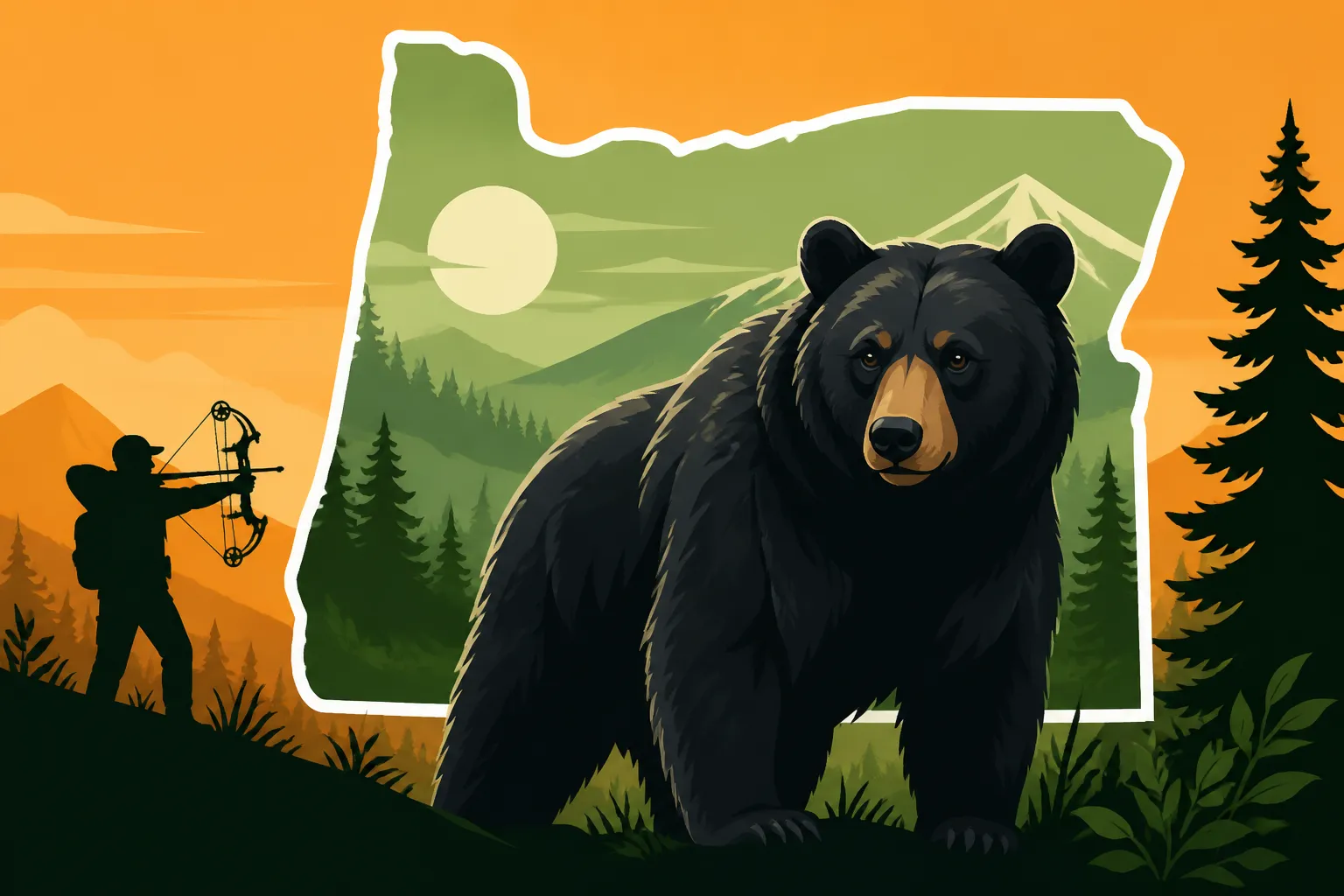
Oregon Black Bear Population Estimate
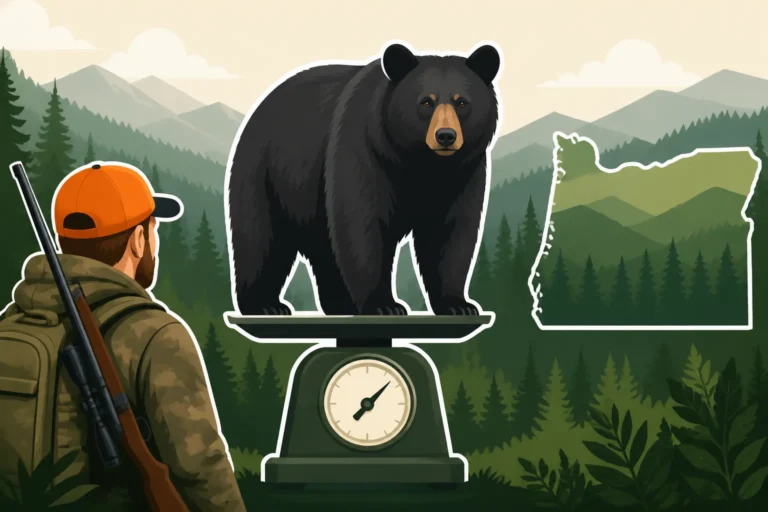
If you’re an Oregon hunter, or just someone who spends time in our incredible wilderness, you’ve probably asked yourself, "Just how many black bears are actually out there?" It’s a natural question, especially when you consider their elusive nature and the vast, dense landscapes they call home. Getting a truly precise number is incredibly complex, fraught with challenges that wildlife biologists grapple with constantly. This guide will dive deep into why pinning down an exact Oregon black bear population estimate is so difficult, the methods used to try and get a handle on their numbers, and what those estimates mean for how bears are managed in our state.
The Elusive Number: Why a Precise Black Bear Population Estimate is So Challenging
It might seem straightforward to count animals, but for a creature as secretive and wide-ranging as the black bear, it’s anything but. Unlike deer or elk that might congregate in open fields or on winter ranges, bears are masters of camouflage and seclusion. They prefer the thickest timber, the densest brush, and often move mostly at dawn, dusk, or under the cover of darkness. This inherent reclusiveness is the first, and perhaps biggest, hurdle in getting a definitive population figure for Oregon.
Think about trying to count every squirrel in your neighborhood, let alone every bear across millions of acres of varied terrain. It’s an impossible task for a variety of reasons. Black bears don't stand still for a headcount. They don't live in neatly defined, easily observable herds. Their territories can overlap, they move across vast distances depending on food availability, and a significant portion of their lives is spent hidden from human eyes. Hunters who spend countless hours in the woods often go entire seasons without seeing a bear, even in areas known to have healthy populations. This lack of direct observability makes traditional counting methods largely unfeasible.
Furthermore, bear populations are dynamic. They fluctuate based on a multitude of factors, including the availability of food sources like berries and acorns, harshness of winters, and even human-wildlife conflicts. A bumper crop of huckleberries in the Coast Range one year might lead to higher cub survival, while a severe drought in Eastern Oregon could lead to increased foraging and dispersal. This constant ebb and flow means that any "number" is really a snapshot in time, and getting an accurate snapshot is a massive undertaking. Many hunters, when using tools like GoHunt to scout new areas, often wonder about local bear densities, only to find how variable and hard to pinpoint these numbers can be. It's a testament to the wildness of these animals that they remain such a mystery even with modern technology.
Methods for Estimating Oregon's Black Bear Population
Given the challenges, wildlife agencies like the Oregon Department of Fish and Wildlife (ODFW) rely on a combination of scientific methods to develop their Oregon black bear population estimate. It's never a single, exact count, but rather an educated assessment based on trends and statistical modeling. These methods provide vital insights into population health, distribution, and how bears are responding to environmental changes and management strategies.
Hair Snares and DNA Analysis
One of the most effective modern approaches involves using hair snares combined with DNA analysis. Imagine setting up a series of barbed wire enclosures or "corrals" in promising bear habitat. These aren't traps designed to capture the bear, but rather to snag a few strands of hair as the bear brushes against the wire, often lured by a scent attractant like bacon grease or a sweet treat. Once a bear interacts with the snare, researchers collect the hair samples.
Each hair follicle contains DNA, which can be analyzed to identify individual bears. By repeatedly sampling an area and identifying how many unique bears were detected and how many recaptures (re-detections of the same bear) occurred, biologists can use complex statistical models, often referred to as mark-recapture methods, to estimate the total population size within that specific study area. This technique is non-invasive and provides a wealth of information beyond just numbers, including sex ratios, genetic diversity, and even some movement patterns. It's a labor-intensive process, requiring careful placement of snares, diligent sample collection, and sophisticated lab work, but it offers a far more reliable population index than simple observation. These studies often help paint a clearer picture of Black Bear Populations Across Oregon.
Harvest Data Analysis and Hunter Reporting
Another critical piece of the puzzle comes from mandatory harvest data. Every hunter who successfully harvests an Oregon black bear is required to report their take to ODFW. This isn't just a formality; it's a crucial data point for wildlife management. When hunters report their bear, they provide information such as the sex of the animal, the date of harvest, and the general location (wildlife management unit). Over years, this accumulation of data allows biologists to track trends in harvest rates, success rates, and the demographic structure of the harvested population.
For instance, if the average age of harvested bears starts to decrease, or if the proportion of sows (females) being harvested changes significantly, it can signal shifts in the overall population. ODFW uses these trends, along with other data, to adjust Oregon Spring and Fall Bear Seasons and tag allocations. While harvest data doesn't directly tell you how many bears there are, it's an important index that reflects the population's health and density, especially when combined with effort data (how many hunters went out and for how long). This data helps inform management decisions, ensuring sustainable hunting opportunities while protecting the bear population. Hunters, therefore, play a direct role in contributing to the understanding of the state's bear numbers, making the mandatory reporting an essential piece of the conservation effort.
Scent Stations and Trail Camera Surveys
Beyond DNA and harvest data, other techniques contribute to our understanding of bear distribution and relative abundance. Scent stations, similar in principle to hair snares but without the barbs, use an attractive scent to draw bears to a specific location. Researchers then look for tracks, scat, or other signs of bear presence. While these don't offer individual identification, they can help establish presence/absence in an area and give an idea of how frequently bears visit.
Trail cameras have also become an invaluable tool, both for individual hunters and wildlife agencies. While not typically used for statewide population estimates, they are excellent for local density assessments and understanding activity patterns. A grid of trail cameras can provide insights into how many bears are using a particular canyon or ridge system, their daily movements, and interactions. This type of data helps refine localized estimates and validate other broader survey methods. Even individual hunters using cameras for Scouting With Trail Cameras on Oregon Public Land contribute to the general knowledge base, even if unofficially. ODFW might use targeted trail camera studies in specific units to gather more granular data for localized management decisions. This method is especially helpful in understanding bear behavior after a wildfire or other large-scale habitat changes.
Understanding Population Trends and Management Implications
Knowing the estimated black bear population isn't just about curiosity; it's fundamental to responsible wildlife management in Oregon. ODFW utilizes these estimates, along with a host of other ecological data, to make informed decisions about hunting seasons, tag allocations, and conservation efforts. Their goal is always to maintain a healthy, viable bear population across the state while also addressing human-wildlife conflicts.
How Estimates Guide Management Decisions
The primary way population estimates translate into management actions is through the setting of hunting regulations. ODFW uses these figures to establish appropriate tag numbers and season lengths for both Oregon Spring and Fall Bear Seasons. If estimates indicate a robust and growing population in a certain region, tag numbers might be increased to help stabilize numbers and reduce potential conflicts. Conversely, if there are signs of decline or stagnation, tag numbers might be reduced to allow the population to rebound. This adaptive management approach is critical, as bear populations aren't static.
Management also considers the concept of carrying capacity – the maximum number of individuals of a particular species that a given environment can support without detrimental effects to the habitat or the species itself. When bear populations approach or exceed local carrying capacity, it can lead to increased human-bear conflicts, such as bears raiding garbage, damaging agricultural crops, or even becoming bolder around human settlements. In some areas, bears can also cause Bear Damage to Timber Plantations, which necessitates careful management. The population estimate helps ODFW strike a balance between a thriving bear population and minimizing these types of issues, which is why resources like GoHunt, which aggregate publicly available data, can be valuable for hunters to see where ODFW focuses its management efforts.
Regional Differences and Predator-Prey Dynamics
Oregon is a geographically diverse state, and black bear populations are not uniform. The dense, wet forests of the Coast Range and Cascades typically support higher densities of bears compared to the drier, more open landscapes of Eastern Oregon. Each region presents its own unique challenges and opportunities for both bears and their management. For example, Oregon Black Bears in the Coast Range and Cascades benefit from abundant food and cover.
Bears are also significant predators within their ecosystems, particularly on young ungulates. Their diet varies greatly throughout the year, but during spring, newborn deer fawns and Elk Calf Survival and Predation in Oregon can be a crucial food source. Therefore, managing bear populations also means considering their impact on prey species. ODFW's population estimates help them understand these complex predator-prey dynamics and ensure a healthy balance within the ecosystem. An increase in bear numbers, for instance, might warrant a closer look at local deer or elk fawn recruitment rates. This holistic approach ensures that management decisions are made with the entire ecosystem in mind, not just a single species.
Key Factors Influencing Bear Numbers in Oregon
Understanding population estimates isn't complete without looking at the underlying factors that drive those numbers up or down. Bear populations are intricately linked to their environment, and changes in habitat, food availability, and human interactions all play a significant role in their overall health and density.
Habitat Quality and Availability
Black bears thrive in areas with diverse habitat that provides ample food, water, and cover. In Oregon, this often means extensive forest lands, including mature timber, clearcuts in various stages of regrowth, and riparian zones. The quality of this habitat directly impacts how many bears an area can support. A healthy forest ecosystem provides a steady supply of natural foods, safe denning sites, and secure travel corridors.
Clearcuts, while initially disruptive, can, in their early to mid-stages, actually be beneficial to bears by promoting the growth of berry-producing shrubs and other forage. However, extensive or poorly managed clearcuts can fragment habitat, making it harder for bears to move safely between food sources and denning areas. Conversely, large, unbroken tracts of wilderness like those found in the Eagle Cap or Kalmiopsis Wilderness areas offer prime, undisturbed habitat, contributing to stable populations in those regions. These habitat considerations are vital for understanding where you might find bears when considering Spotting Bears on Green-Up Slopes in spring or seeking them out later in the year.
Food Sources and Their Seasonal Availability
The availability of food is arguably the most critical factor influencing black bear populations, especially their reproductive success and cub survival. Bears are opportunistic omnivores, and their diet changes dramatically with the seasons. In spring, they emerge from dens hungry, often seeking out fresh green vegetation, grasses, and carrion. As summer progresses, they turn to berries, such as huckleberries, salmonberries, and blackberries, which are crucial for building up fat reserves. By fall, acorns, hazlenuts, and other mast crops become incredibly important, especially for pregnant sows.
A year with a poor berry crop or a scarce acorn mast can have a cascading effect. Bears might struggle to put on enough weight for winter, leading to lower reproductive rates the following year, smaller cub litters, or even increased mortality during hibernation. This also forces bears to forage more widely, sometimes bringing them into closer contact (and conflict) with humans. Understanding Bear Diet Through the Oregon Seasons is key not only for biologists but also for hunters trying to pattern bear movements. If natural food sources are abundant, bears may be less attracted to human-associated food sources, reducing conflicts.
Reproductive Rates and Mortality Factors
Black bears have a relatively slow reproductive rate compared to many other wildlife species. Sows typically don't reach sexual maturity until 3-5 years of age and usually only produce a litter every 2-3 years. Litter sizes average 2-3 cubs. This slow rate of reproduction means that populations can take a long time to recover from significant declines, making careful management even more important. Cubs also face various mortality risks, including predation (sometimes by other bears), disease, and accidental separation from their mother.
Beyond natural causes, human-related mortality factors also influence bear numbers. Hunting, as managed by ODFW, is a regulated form of mortality designed to be sustainable. However, other human-related causes include vehicle collisions, particularly along major highways that bisect bear habitat, and conflict kills, where bears are dispatched due to repeated property damage or public safety concerns. Habitat loss and fragmentation due to development also contribute to long-term mortality pressures by reducing the carrying capacity of the land. It’s a complex equation where all these factors interact to determine the overall stability and size of the Oregon black bear population. Hunters concerned about ethical hunting and management often review details like Why Oregon Bear Hunters Cannot Use Bait to understand regulations better.
Ultimately, while we may never have a precise, real-time census of every black bear in Oregon, the extensive research and data collection efforts by ODFW provide a robust and scientifically sound Oregon black bear population estimate. These estimates, coupled with an understanding of the factors that influence bear numbers, are essential for ensuring these magnificent animals continue to thrive in our state for generations to come.
| Population Estimation Method | How it Works | Pros | Cons |
|---|---|---|---|
| Hair Snares/DNA | Baited wire snares collect hair for individual DNA ID. | Non-invasive, identifies individuals, provides genetics. | Labor-intensive, costly, can be geographically limited. |
| Harvest Data Analysis | Examines hunter reports (sex, age, location) over time. | Cost-effective, good for long-term trends, reflects hunter effort. | Indirect measure, dependent on hunter participation and accuracy. |
| Scent Stations | Attractive scents lure bears; tracks/scat indicate presence. | Simple, cost-effective for presence/absence. | Doesn't identify individuals, no population size estimate. |
| Trail Camera Surveys | Cameras capture images/videos for local density. | Non-invasive, good for specific areas, behavioral insights. | Labor-intensive for large areas, difficult for statewide estimate. |
| Mark-Recapture (Trapping) | Live-trapping, tagging, then re-trapping to estimate. | Direct individual data, robust population estimates. | Invasive, stressful for animals, highly labor-intensive, costly. |
Disclaimer
This article is for general informational purposes only and does not constitute professional advice. Laws, prices and regulations vary by location and change over time. Consult a qualified professional for guidance on your specific situation.