Rocky Mountain Elk in Eastern Oregon
Trying to understand the complexities of Rocky Mountain Elk hunting in Eastern Oregon can feel like deciphering an ancient map with half the legends missing. The vast, rugged landscape, combined with shifting herd dynamics and ever-evolving regulations, makes it incredibly challenging for even seasoned hunters to consistently find success. This comprehensive guide is designed to demystify Rocky Mountain Elk in Eastern Oregon, providing you with the deep insights and practical strategies you need to approach your next hunt with confidence and knowledge.
Understanding Eastern Oregon's Rocky Mountain Elk Population
Eastern Oregon is a world apart from its western counterpart, and the elk herds that roam its high deserts, rimrock canyons, and timbered mountains reflect that distinct environment. We're talking about Rocky Mountain elk here, not the larger Roosevelt elk found in the dense coastal rainforests. These animals are typically a bit smaller in body size than their coastal cousins, but what they might lack in sheer mass, they often make up for in impressive antler growth, especially in the more nutrient-rich areas. Understanding these majestic animals, their history, and the factors shaping their populations is the first crucial step toward a successful hunt.
Historical Context and Current Numbers
Historically, Eastern Oregon's landscapes were home to abundant elk, but over-hunting in the late 19th and early 20th centuries, coupled with habitat loss, severely reduced their numbers. Thanks to dedicated conservation efforts, including reintroductions and sound wildlife management, Rocky Mountain elk have made a remarkable comeback across much of Eastern Oregon. Today, the Oregon Department of Fish and Wildlife (ODFW) manages these herds with a keen eye, balancing hunting opportunities with sustainable populations. Herd numbers can fluctuate annually due to various factors like calf survival, winter severity, and predation. For instance, units in the Blue Mountains, such as the Starkey and Wenaha, consistently hold some of the highest densities and offer prime opportunities, while other areas might see more dispersed populations. It's essential to check the latest ODFW statistics and hunt reports, often available through platforms like GoHunt, to get the most current picture of herd health and distribution in specific units.
These figures aren't just dry statistics; they tell a story about where elk are thriving and where they might be struggling. A declining trend in a particular herd range could signal a need for different hunting strategies or suggest looking elsewhere. Conversely, stable or growing numbers indicate a healthy population, often translating to better hunting prospects. Understanding these trends helps you make informed decisions, not just about where to apply for a controlled hunt but also about what to expect once you hit the field. This foundation of knowledge is invaluable for any hunter looking beyond just blindly picking a unit from the draw results.
Key Influences on Herd Health
Several interconnected factors play a significant role in the overall health and productivity of Eastern Oregon's Rocky Mountain elk herds. Habitat quality is paramount; areas with a mosaic of forage, cover, and water are critical. This includes everything from lush mountain meadows and timbered slopes offering thermal cover to sagebrush flats providing crucial winter browse. The health of these habitats is often influenced by forestry practices, fire management, and even cattle grazing, which can either benefit or detract from elk forage availability.
Predation by wolves and cougars also exerts pressure on elk populations, particularly on calves and vulnerable adults. While these predators are a natural part of the ecosystem, their increasing numbers in some units can impact elk recruitment rates and influence elk behavior, making them more wary and altering their movement patterns. Harsh winters, especially those with deep, persistent snow, can also be devastating, leading to increased mortality, particularly among calves and older animals. Conversely, mild winters and wet springs can result in high calf survival and robust antler growth. All these elements combined create a complex dynamic, making elk populations less predictable and emphasizing the importance of staying informed and adaptable as a hunter.
Prime Eastern Oregon Habitat for Rocky Mountain Elk
Eastern Oregon's diverse landscape offers a stunning variety of habitats, and Rocky Mountain elk are masters at utilizing them. From the towering peaks of the Wallowas to the rolling hills of the Ochocos and the vast expanse of the high desert, elk adapt their movements and habits to maximize their survival and reproductive success. Understanding these preferred habitats is key to predicting where you might find elk at different times of the year and during various stages of their life cycle.
Forest Types and Elevations
Rocky Mountain elk in Eastern Oregon thrive in environments that provide a mix of dense timber for security and open areas for foraging. You'll often find them in ponderosa pine forests, mixed conifer stands (Douglas fir, grand fir, larch), and even transitioning into juniper woodlands. These forest types offer excellent thermal cover, protecting elk from the scorching summer sun and the biting winter winds. The forest floor, especially in older growth stands, can also be rich with various grasses, forbs, and shrubs that make up their diet. Elk are particularly fond of areas where timber meets open parks or clearcuts, as these edges provide immediate access to food while keeping escape cover close by.
Elevation also plays a huge role. During the warmer months, elk often move to higher elevations, seeking cooler temperatures, lush forage in subalpine meadows, and fewer insects. As hunting pressure increases with the opening of seasons, they tend to retreat into dense, north-facing slopes and thick timber, often at mid-elevations where cover is maximized. You might find them higher up in September during the archery season, gradually moving lower as rifle seasons begin and colder weather pushes them to winter ranges. Knowing how to read these elevational shifts and how different forest types provide the necessities of life for elk is paramount when trying to locate them.
Water Sources and Forage Availability
Just like any other living creature, water is absolutely critical for elk. In arid Eastern Oregon, reliable water sources like springs, seeps, perennial streams, and even stock ponds become magnets for elk, especially during dry periods. Identifying these water sources on a map and scouting them in person can reveal significant elk sign, including tracks, wallows, and rubs. Elk will often bed down within reasonable proximity to water, allowing them to drink frequently without expending too much energy.
Beyond water, forage availability dictates where elk spend their time. They are grazers and browsers, meaning their diet includes a wide array of grasses, forbs, and the tender shoots of shrubs and trees. Recently burned areas can be excellent post-fire as new, nutritious growth emerges. Old clearcuts, particularly those that are 2-5 years old, can provide a bounty of new vegetation. Areas with a diverse understory, offering a buffet of different plants throughout the seasons, will attract and hold elk. It’s not just about finding any green patch, but understanding what nutritious forage looks like in Eastern Oregon's ecosystem, and how to spot it through E-Scouting Oregon Units With Satellite Imagery before you ever set foot on the ground.
Elk Behavior and Seasonal Movements in Eastern Oregon
Understanding the annual rhythm and daily habits of Rocky Mountain elk is like having a secret decoder ring for their movements. Their lives are largely dictated by the seasons, the availability of food and water, breeding cycles, and the constant pressure of predators and hunters. By learning these patterns, you can anticipate where elk will be, when they'll be there, and how they'll react to various stimuli.
Rutting Activity and Breeding Grounds
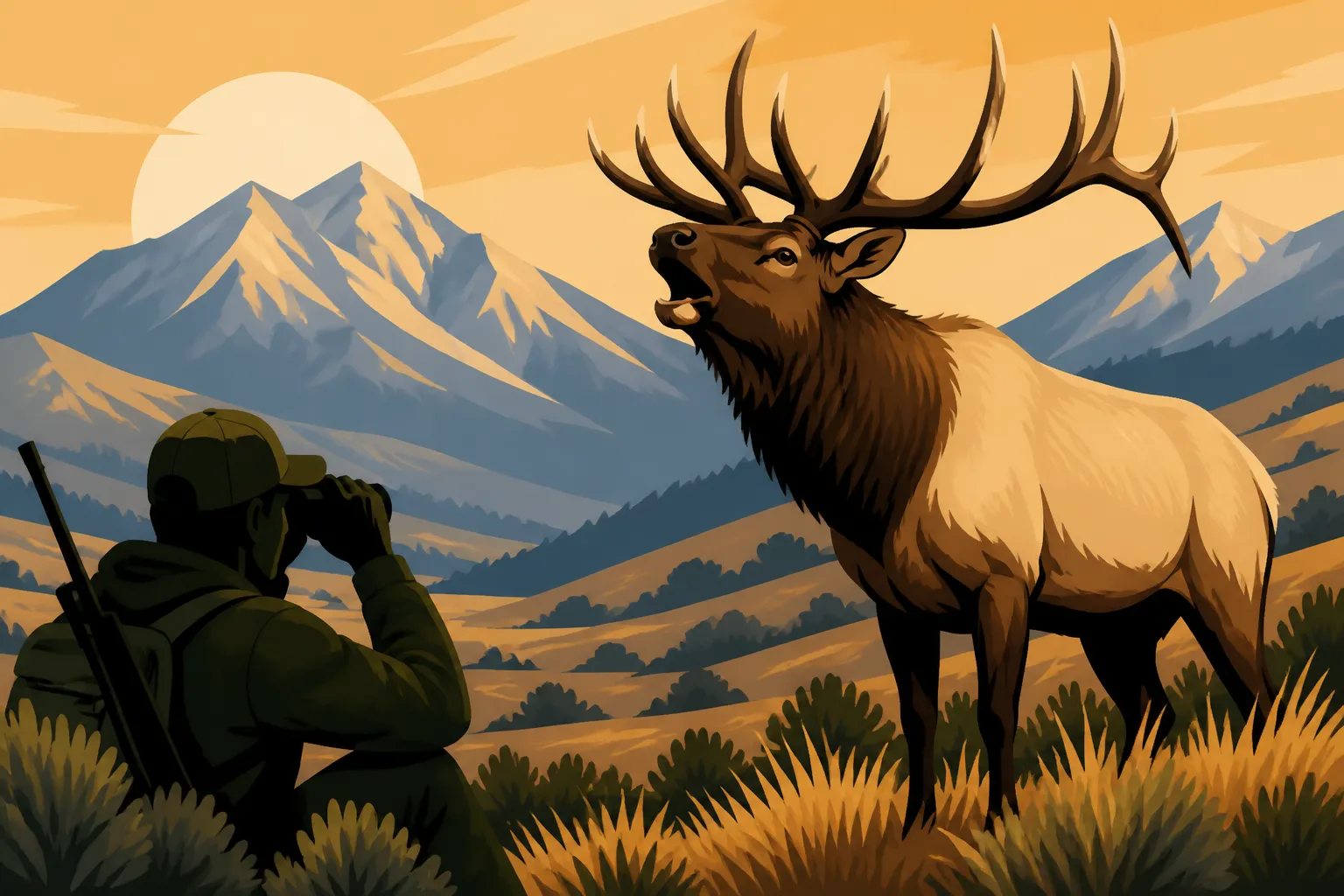
The elk rut in Eastern Oregon, generally kicking off in late August and peaking through September, is arguably the most exciting time to hunt. Bulls that were reclusive all summer suddenly become vocal, challenging rivals with bugles and gathering cows into harems. This period transforms the landscape into a bustling, noisy stage where dominant bulls clash. Prime breeding grounds are typically found in secluded, timbered basins, open parks surrounded by dense cover, or along benches where elk feel relatively secure despite their heightened activity.
During the rut, elk movements are dictated by breeding. Bulls will constantly push and pull their cows, moving them to new feeding areas or deeper into cover to avoid other bulls or perceived threats. This makes them more visible and, crucially, more responsive to calling. However, it also makes them extremely wary of perceived danger. After the peak of the rut, usually by early to mid-October, bulls begin to disperse, often seeking solitude to recover from the strenuous breeding season. They’ll be exhausted, sometimes having lost a significant amount of body weight, and will be looking for nutrient-rich forage to rebuild their reserves. Recognizing these phases is critical for successful Calling Bull Elk During Oregon's Archery Season or late-season rifle hunts.
Winter Range and Migration Patterns
As the snow flies and temperatures drop, Rocky Mountain elk in Eastern Oregon begin their migration to lower elevations and traditional winter ranges. These areas are characterized by less snow, south-facing slopes that melt out faster, and access to more accessible forage, often sagebrush, bitterbrush, and other hardy shrubs. These movements can be significant, sometimes covering many miles from their summer feeding grounds. Understanding these migration corridors is vital for hunters, as elk can be highly concentrated during these transitional periods, making them vulnerable if you know their traditional routes.
Winter ranges are often subject to seasonal closures by ODFW and land management agencies to protect elk during their most vulnerable time, conserving their energy and preventing stress that could lead to mortality. Respecting these closures is not just a legal obligation but an ethical one. Even without deep snow, elk will seek out dense cover to escape the wind and conserve warmth. Identifying these transition zones and understanding the specific Winter Range Closures That Affect Late Hunts in your chosen unit is crucial for planning any late-season hunt and ensuring you're not inadvertently impacting the herds you aim to pursue.
Impact of Weather on Elk Movements
Weather is perhaps the most significant external factor influencing elk behavior in Eastern Oregon. During the warm early archery season, elk activity often peaks at first light and last light, seeking shade and bedding down during the heat of the day. A sudden drop in temperature or a rain shower can invigorate them, prompting more movement during daylight hours. Conversely, prolonged heat waves can push them deep into timber or force them to spend more time around water sources.
As the seasons progress into rifle hunts, cold fronts, snow, and wind become major drivers. Heavy snow can push elk down from higher elevations surprisingly fast, making lower-elevation timber and south-facing slopes hot spots. Wind, especially strong, sustained wind, tends to make elk seek sheltered timber, where they'll often bed down, becoming less active and less vocal. A light, fresh snow, however, can be a hunter's best friend, providing tracking opportunities and making elk stand out against the white backdrop. Observing weather patterns and adapting your hunting strategy accordingly can make all the difference between an empty pack frame and a successful harvest.
Effective Scouting Strategies for Eastern Oregon Elk
Successful elk hunting, especially for the elusive Rocky Mountain elk in Eastern Oregon, is rarely a matter of luck. It's the culmination of diligent, year-round scouting and meticulous planning. You can't just show up on opening day and expect to stumble onto a bull. Effective scouting provides the crucial intelligence you need, giving you an understanding of the terrain, elk travel patterns, and their preferred hideouts.
E-Scouting and Map Research
Before you ever put boots on the ground, the most productive scouting begins from the comfort of your home, with detailed e-scouting and map research. Tools like GoHunt's mapping features or other dedicated mapping applications allow you to meticulously dissect a unit. Start by identifying public lands – national forests, BLM lands, and state lands are your primary targets. Look for areas with a good mix of dense timber, open parks or meadows, and reliable water sources. Pay close attention to terrain features: north-facing slopes for thermal cover, saddles or benches for travel corridors, and steep, rugged country where elk often seek refuge from pressure.
Using satellite imagery, you can identify old clearcuts, recent burns, and riparian areas that might not be obvious on a topographic map alone. Mark potential glassing points, water sources, natural funnels, and areas of dense cover where elk might bed. Don't forget to study historical weather patterns and past fire incidents in the unit, as these can significantly influence current habitat and elk behavior. For anyone serious about the draw, studying previous draw odds and success rates on GoHunt can help you refine your unit choices. This initial phase of digital reconnaissance is absolutely critical for narrowing down vast tracts of land into manageable, high-potential areas. It’s also crucial for understanding Reading a Travel Management Area Map Before You Drive and figuring out where you can and cannot go with a vehicle.
Boots-on-the-Ground Reconnaissance
While e-scouting is invaluable, there's simply no substitute for getting your boots on the ground. A scouting trip, ideally several months before the season, allows you to verify your e-scouting observations and discover what maps can't tell you. Look for fresh elk sign: tracks, droppings, rubs on trees, and wallows. Pay attention to the age of the sign – fresh tracks indicate recent activity, while old rubs from last year show historical use. Walk potential travel corridors, noting bottlenecks, natural funnels, and escape routes.
During these scouting trips, observe the forage quality and quantity. Is there abundant feed? What types of plants are they eating? Are there areas with heavy browsing? Spend time at potential glassing points, watching for elk movement at dawn and dusk. This firsthand experience helps you understand the scale of the landscape, the density of the timber, and the true steepness of the terrain, all of which are hard to gauge accurately from a screen. Even if you don't see elk, finding fresh sign in a promising area is a huge victory, confirming your hypothesis about where they might be.
Utilizing Technology in the Field
Modern technology doesn't stop at e-scouting; it extends into the field, enhancing your ground reconnaissance and hunting efficiency. GPS units or smartphone apps (like OnX Hunt or GoHunt) loaded with your e-scouting waypoints are indispensable for navigation and marking new sign. You can quickly record fresh tracks, bed areas, rubs, and water sources, creating a detailed map of elk activity. This allows you to build a comprehensive picture of elk movement patterns over time.
Trail cameras, strategically placed on game trails, near water sources, or in feeding areas, can provide invaluable intelligence. They allow you to monitor elk activity around the clock, confirm their presence, and even identify specific bulls using the area. Just be sure to check Trail Camera Rules on Oregon Public Land before deploying them. High-quality optics, including binoculars and a spotting scope, are essential for Glassing Eastern Oregon Rimrock for Mule Deer, and certainly for elk. They allow you to cover vast amounts of terrain from a distance, identifying elk without disturbing them. Using these tools effectively can significantly reduce the amount of guesswork and increase your chances of finding elk once the season opens.
Hunting Methods and Tactics Tailored for Rocky Mountain Elk
Hunting Rocky Mountain elk in Eastern Oregon is a demanding pursuit that often requires a blend of physical stamina, mental fortitude, and adaptable hunting strategies. The vast, rugged landscape and the wary nature of these animals mean that success often hinges on employing the right methods at the right time.
Still-Hunting and Spot-and-Stalk
Still-hunting is an incredibly effective tactic in the dense timber and mixed forests where Rocky Mountain elk often seek refuge, especially during later seasons or when pressured. This involves moving incredibly slowly, often taking several minutes to cover just a few yards, pausing frequently to observe, listen, and scan your surroundings. The goal isn't to cover ground, but to move silently enough to spot an elk before it spots you. Pay attention to wind direction, constantly checking it to avoid blowing your scent. Look for horizontal lines (an elk's back or belly) in a vertical world of trees, and listen for subtle sounds: a snapped twig, the rustle of leaves, or the soft blowing of an elk.
Spot-and-stalk, conversely, is ideal for more open country, such as sagebrush flats, recent clearcuts, or the high-desert rimrock common in many Eastern Oregon units. This method relies heavily on good optics and patience. You'll spend hours glassing from a vantage point, meticulously picking apart distant slopes, draws, and timber fringes for any sign of elk. Once an animal is spotted, the real work begins: planning a careful, wind-aware approach that keeps you out of sight and minimizes noise. This often involves long, circuitous routes, using terrain features and vegetation for cover. It's a physically demanding style that rewards patience and meticulous planning, similar to how one might approach Glassing Sage and Juniper for Eastern Oregon Mule Deer.
Calling Techniques for Eastern Elk
Elk calling, especially bugling, is synonymous with elk hunting, and it can be incredibly effective during the rut. In Eastern Oregon, where elk can be spread out, a well-timed bugle can locate bulls and even draw them in. However, it's a nuanced art form. During the peak of the rut, aggressive challenge bugles can provoke a response from a dominant bull, while cow calls and calf mews can lure in satellite bulls or even bring in a herd bull looking for stray cows. The key is to read the situation. If bulls are responsive and hot, more aggressive calling might work. If they're call-shy or post-rut, subtler cow and calf sounds are often more effective.
Beyond simply making noise, the setup is crucial. You never want to call from the same spot you intend to shoot from, as a smart bull will try to circle downwind to get your scent. Have a shooter set up ahead, while the caller stays back, drawing the bull's attention. Remember, silence can also be a powerful tool. Sometimes the best call is no call at all, especially when still-hunting into a known elk area. Understanding the subtleties, and knowing Cow Calls That Pull a Herd Bull Off His Cows, can dramatically increase your success rate.
Shot Placement and Tracking Considerations
Once you've done all the hard work of scouting and maneuvering, the shot is the moment of truth. For elk, whether with a rifle or bow, ethical Shot Placement on a Bull at Close Range is paramount. The goal is a quick, humane kill. For rifle hunters, the most effective shot is typically broadside, aiming for the "crease" behind the shoulder to hit the lungs and heart. Quartering-away shots can also be effective, aiming to penetrate through the vital organs. Avoid quartering-to or frontal shots unless absolutely necessary and you are highly confident in your ability, as the vitals are heavily protected.
If your shot isn't immediately fatal, or if the elk doesn't go down within sight, proper tracking becomes critical. Note the exact spot the animal was standing, its reaction to the shot, and the direction it fled. Look for blood, broken branches, disturbed earth, and hair. In the dense timber and thick brush of Eastern Oregon, blood trailing can be incredibly challenging, requiring patience and a methodical approach. If the blood trail is sparse, or if it's getting dark, backing out and returning at first light can be the best strategy to avoid pushing a wounded animal further, allowing it to bed down and stiffen up. Remember to have a good First Aid Kit Items for a Remote Hunt in case of any mishaps during tracking or packing out.
Navigating Eastern Oregon Hunting Units and Access
Hunting Eastern Oregon means understanding a landscape that is both vast and complex, particularly when it comes to regulations and land access. The state's unique approach to wildlife management and land ownership patterns means that simply knowing where elk live isn't enough; you also need to know how to legally and effectively access those areas.
Understanding Controlled Hunts and Draw Odds
Oregon primarily manages its big game hunting through a controlled hunt draw system, especially for coveted tags like Rocky Mountain elk. This means you can't just buy an elk tag over the counter for most prime Eastern Oregon units. Instead, you apply for specific hunt choices, accumulating preference points each year you don't draw. The system is designed to distribute tags fairly and manage herd numbers, but it can be frustratingly complex for new applicants. You'll need to understand how Oregon Controlled Hunt Draw Explained works, including the different choices you can make, and how Oregon Preference Points and How They Work towards increasing your odds over time.
Successful applicants often spend years building points for popular units like the Wenaha, Starkey, or Walla Walla. The draw results are typically announced in June, and the anxiety leading up to that date is a rite of passage for many Oregon hunters. Analyzing draw odds, often provided by services like GoHunt, for various units and weapon types (rifle, archery, muzzleloader) is crucial for making smart application choices. It's a long-term game, but with strategic planning, you can eventually draw a tag for a high-quality hunt in Eastern Oregon. The recent Oregon's 2026 Mule Deer Hunt Area Changes illustrate how ODFW regularly tweaks its unit boundaries, and it's imperative to stay updated on these changes as they can affect point accumulation and draw strategies.
Public Land Access and Road Systems
Eastern Oregon is blessed with vast expanses of public land, primarily managed by the U.S. Forest Service (National Forests) and the Bureau of Land Management (BLM). These lands offer incredible hunting opportunities, but access can vary widely. Many areas are crisscrossed with forest roads, some paved, many gravel, and countless others that are rough two-tracks or gated during certain seasons. Understanding the specific regulations for Public Land Hunting in Oregon: Forest, BLM and State is key. Some roads might be open year-round, while others, particularly those leading into sensitive winter ranges or wilderness boundaries, may be seasonally closed.
Oregon's Travel Management Areas (TMAs) are particularly important in Eastern Oregon. These are designated areas where vehicle access is restricted to protect wildlife habitat, reduce road impacts, and provide a quality hunting experience. A TMA map, often available from ODFW or forest service offices, will show which roads are open, closed, or restricted to certain types of vehicles. You'll often encounter gates, some locked, others simply closed, requiring you to walk or bike into prime areas. It's critical to review these maps thoroughly before your hunt, as violating TMA rules can result in citations and negatively impact the very resource you're trying to enjoy.
Industrial Timber and Private Land Access
Beyond the public land checkerboard, a significant portion of Eastern Oregon is owned by large industrial timber companies and private ranchers. Access to these lands is often a mixed bag and varies greatly. Some timber companies, like Weyerhaeuser or Hancock, offer fee-based permits for access to their lands, which can open up vast tracts of often-unpressured hunting ground. These permits usually sell out quickly and require advance planning. Other private timberlands might have walk-in policies or be closed entirely.
Ranchers in Eastern Oregon own vast acreages, often holding key winter range or prime summer habitat. Gaining access to private ranch land almost always requires direct permission from the landowner, well in advance of the season. Programs like ODFW's Access and Habitat program sometimes facilitate public access to private lands, but these are often limited. Respecting private property boundaries and obtaining permission is not just good etiquette; it's the law. Always carry a physical or digital map that clearly shows land ownership, such as those provided by GoHunt or OnX, to ensure you stay legal. Knowing the landscape and being prepared to navigate different land statuses is a fundamental part of Eastern Oregon Hunting Units and Access.
Challenges and Considerations for Eastern Oregon Elk Hunters
Hunting Rocky Mountain elk in Eastern Oregon is an experience that tests your physical, mental, and logistical preparedness. It's not a casual endeavor, and understanding the unique challenges you'll face is crucial for a safe and successful trip. From the rugged terrain to the unpredictable wildlife and the sheer logistics of a backcountry hunt, thorough preparation is your best ally.
Physical Demands and Logistics
Eastern Oregon is rugged country, often characterized by steep mountains, deep canyons, and vast expanses of high desert. Chasing elk in this environment demands a high level of physical fitness. You'll be climbing steep grades, navigating dense timber, and potentially packing out hundreds of pounds of meat over challenging terrain. Upland hunts, especially in units like the Blue Mountains or Wallowas, involve significant elevation changes and long distances on foot. Therefore, a dedicated fitness regimen well before the season is non-negotiable. Focus on cardiovascular endurance, leg strength, and core stability.
Logistically, Eastern Oregon hunts often mean being self-sufficient. Camps might be remote, miles from the nearest paved road, or even in true wilderness where motorized travel is prohibited. This requires meticulous planning for food, water, shelter, and emergency supplies. You'll need reliable transportation, sturdy gear, and a solid understanding of backcountry safety. Don't underestimate the impact of fluctuating temperatures, from frosty mornings to warm midday sun, which can put stress on both you and your harvested game. Consider how you'll handle Field Dressing an Elk in Warm Early-Season Weather and subsequent meat care, as warm temperatures can quickly spoil meat.
Predation and Environmental Factors
Eastern Oregon's ecosystems are dynamic, and elk herds face natural pressures that can influence hunting success. Predation from cougars and a growing wolf population is a constant factor. These predators can make elk more wary, nocturnal, and prone to using denser cover. While you can't control predator numbers, understanding their presence in your unit might influence your hunting approach, perhaps focusing on thicker cover or hunting during periods of low light.
Environmental factors like drought, wildfires, and extreme weather events also play a significant role. Drought conditions can concentrate elk around limited water sources or push them into areas with more consistent forage. Wildfires, sadly common in Eastern Oregon, can drastically alter habitat, sometimes creating excellent new forage in subsequent years, but often displacing elk temporarily or even closing entire hunting units. Always check current fire restrictions and closures before and during your hunt. Furthermore, deep snow or ice in late seasons can make travel difficult and concentrate elk in lower, accessible areas, but it also increases their vulnerability and often leads to seasonal closures to protect wintering animals.
Mandatory Harvest Reporting and Regulations
Oregon has a strict mandatory harvest reporting system for all big game animals, including Rocky Mountain elk. This is not just a suggestion; it's a legal requirement, and failure to report your harvest (or non-harvest) by the specified deadline will result in a $25 penalty added to your next license purchase. This system provides ODFW with crucial data on harvest rates, hunter effort, and herd health, which in turn informs future management decisions.
The reporting deadline is typically January 31st for fall hunts and April 15th for spring bear/turkey hunts. You can report your hunt online through the ODFW licensing system. It's an easy process that takes just a few minutes, so there's really no excuse to miss it. Beyond reporting, hunters must be intimately familiar with the Oregon Big Game Regulations pamphlet. This annual publication details season dates, bag limits, weapon restrictions, unit boundaries, and specific rules for each hunt. Ignorance of the law is never an excuse, and regulations can change annually. Pay close attention to unit-specific rules and always have a copy of the current regulations with you in the field. This also includes understanding rules like Oregon's 300-Foot Rule Beside an Open Road for discharge of firearms near public ways.
| Feature | Eastern Oregon Rocky Mountain Elk Hunting |
|---|---|
| Terrain | Rugged mountains, rimrock, sagebrush flats, mixed conifer and ponderosa pine forests. High elevations in summer. |
| Elk Size | Typically smaller body than Roosevelt elk, but often larger antlers. |
| Primary Method | Spot-and-stalk in open country, still-hunting in timber. Calling effective during rut. |
| Access | Extensive public land (USFS, BLM), but often with seasonal road closures (TMAs). Private timberland permits. |
| Season Structure | Predominantly controlled hunts, requiring draw application and preference points. |
| Key Challenges | Physical fitness, vastness of terrain, navigating draw system, predator pressure, changing weather. |
| Water Sources | Crucial in arid areas; elk often concentrated around springs and riparian zones. |
| Winter Range | Lower elevation, south-facing slopes, often with seasonal closures. |
Disclaimer
The information provided in this guide is for general informational purposes only and is not intended as legal advice. Hunting regulations, seasons, and access rules in Oregon are subject to change by the Oregon Department of Fish and Wildlife (ODFW) and various land management agencies. It is the responsibility of every hunter to consult the most current official ODFW Big Game Regulations pamphlet and relevant land management agency rules before hunting. Always verify specific regulations, unit boundaries, and land access rules for your chosen hunting area.