Cow Calls That Pull a Herd Bull Off His Cows
There's nothing quite as frustrating as locating a bugling herd bull, only to find he's completely locked down with his harem of cows, seemingly ignoring every call you throw his way. It feels like hitting a brick wall, especially during the peak of the rut when you know he's vocal but just won't budge from his protective circle. This guide is all about giving you the strategies and cow calling techniques to effectively peel that bull away from his ladies and into your shooting lane.
Understanding the Herd Bull's Mindset
To successfully pull a herd bull off his cows, you first need to understand what makes him tick during the rut. He’s not just a big, dumb animal; he’s driven by powerful instincts, and those instincts are almost entirely focused on breeding and protection.
Why He Sticks With His Cows and Why It's Frustrating
A herd bull's primary objective during the rut is to breed as many cows as possible and to defend them from rival bulls. He expends an incredible amount of energy fighting, chasing, and tending his cows. His entire existence at this time revolves around keeping his harem together and ensuring no other bull gets a chance. This fierce possessiveness is exactly why he seems so stubborn when you're trying to call him in.
He views any incoming bugle as a challenge, which might prompt him to move his cows away or engage in a dominance display without leaving his group. More often, though, he just rounds up his cows tighter, pushing them deeper into cover, effectively shutting down your approach. And when you try a soft cow call, he might simply expect that "cow" to come to him, since he's the dominant bull with the ladies. This behavior can be incredibly frustrating for hunters who have spent days, even weeks, preparing for a moment like this, only to feel utterly rejected by a bull that's just too comfortable with his current situation. He's got everything he wants, so why would he risk it for a new sound?
Reading the Herd's Dynamics
Before you even think about calling, take the time to observe the herd. Understanding the dynamics at play can give you a crucial edge. Pay attention to how tightly grouped the cows are, where the calves are positioned, and, most importantly, the herd bull's exact location and demeanor. Is he constantly bugling and pushing cows, or is he quietly trailing them? Are there any satellite bulls lurking on the fringes, trying to sneak in? These observations will tell you how possessive and aggressive the herd bull is likely to be.
If the bull is actively herding, bugling constantly, and keeping his cows in a tight knot, he’s probably very committed. In such a scenario, a subtle approach might be ignored, and an overly aggressive one could send the whole herd running. However, if he's a bit less attentive, or if his cows are spread out, he might be more susceptible to a convincing cow call. Also, note the terrain: does he have open ground or thick timber around him? This will influence his willingness to expose himself. Tools like the E-Scouting Oregon Units With Satellite Imagery can be invaluable for understanding the landscape and potential escape routes for the herd, helping you plan your approach and call placement. Always consider the wind; your scent is the quickest way to end any chance you have.
The Art of Aggressive Cow Calling
When dealing with a bull that's already surrounded by cows, you're not trying to be just another cow in the woods. You're trying to be the cow he can't ignore, or perhaps even a cow that's in distress or ready to breed. This often means a more assertive, aggressive calling style than you might use for a lone bull.
Types of Cow Calls That Get Attention
Forget soft, inquisitive mews for now. To pull a herd bull, you often need calls that convey urgency, desperation, or extreme estrus. These are the sounds that might make him curious enough, or threatened enough by a perceived rival, to break away from his primary focus.
- Estrus Whines: These are longer, drawn-out mews that signify a cow in heat, ready to breed. They often have a pleading, almost nasal quality. A convincing estrus whine can trigger a bull's breeding instinct, especially if he thinks he might miss an opportunity with a hot cow right outside his herd. Try varying the pitch and length to sound more natural, almost like a frustrated, impatient cow.
- Desperate Mews/Lost Calf Calls: While primarily a cow or calf call, a series of urgent, lost-sounding mews can sometimes provoke a protective response from a bull, or even pique his curiosity if he thinks a cow might be separated and vulnerable. This can work particularly well if you combine it with some soft, broken bugles to simulate a satellite bull trying to cut off the lost cow.
- Challenging Cow Mews: Some hunters will use a series of short, sharp, almost "challenging" mews. These aren't necessarily aggressive in the same way a bugle is, but they can suggest a cow is either unhappy, agitated, or perhaps even challenging the herd structure. A dominant bull might investigate this perceived disruption. Think about how a bossy cow might sound when asserting herself in the herd, and try to mimic that confidence with your call.
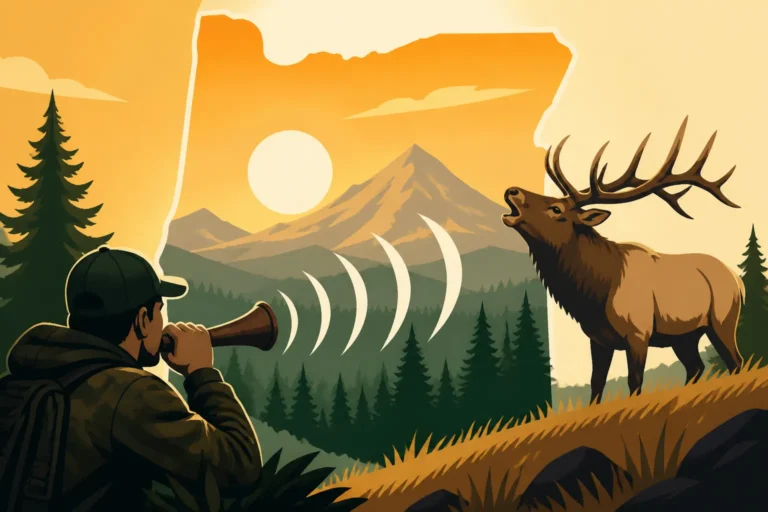
It's crucial to use a call that allows for flexibility in tone and volume. Diaphragm calls are excellent for this, as they free up your hands and allow for seamless transitions between sounds. Open-reed calls also offer great versatility for producing realistic cow sounds.
Crafting a Convincing Sequence
Simply making one good cow call isn't enough; you need to create a narrative, a sequence that draws him in.
Here's a potential step-by-step approach:
- Start with Curiosity: Begin with a few soft, pleading estrus mews. Not too loud, just enough to get his attention if he's listening. Imagine a cow on the edge of the herd, trying to get his attention. Wait a few minutes.
- Escalate the Urgency: If you get no response or a weak one, increase the intensity. Add more desperate, louder estrus whines. You want him to think this cow is really ready and nearby, perhaps slipping away from another bull.
- Add Some Frustration/Challenge: Mix in a few of those shorter, sharper, more challenging mews. Make it sound like this cow isn't just lost; she's a bit agitated and maybe looking for a fight, or at least making a lot of noise that a herd bull wouldn't want to ignore.
- Introduce a "Rival" (Optional but Potent): This is where it gets interesting. After your aggressive cow calling, throw in a soft, non-committal chuckle or a very quiet, broken bugle. This simulates a smaller, satellite bull trying to move in on your "cow." This is often the trigger that pushes a herd bull over the edge. He might ignore your cow calls, but he won't ignore another bull trying to steal one of his potential breeders. For a deeper dive into calling strategies, check out Cow Calling Versus Bugling in Heavy Timber or Best Bugle Sequence for Early September Elk.
The key is realism and patience. Don't rush your sequence. Allow silence to work for you. Let him wonder, let him get agitated. Vary your pitch, volume, and cadence. You're painting a picture with sound. A great way to practice is by listening to real elk vocalizations found on platforms like YouTube or through hunting apps.
Here's a simple breakdown of cow calls and their typical impact:
| Call Type | Sound Description | Intended Message to Bull | Ideal Scenario |
|---|---|---|---|
| Soft Mews | Short, gentle "mew" sound | "I'm here, I'm content." | Drawing in a curious bull, initial contact. |
| Estrus Whine | Long, drawn-out, pleading "mewwwww" | "I'm hot and ready to breed, come find me!" | Challenging a herd bull's focus, luring him off cows. |
| Desperate Mew | Louder, sharper, more urgent "MEW!" | "I'm lost/separated/stressed, where is the herd?" | Piquing a bull's curiosity or protective instinct. |
| Distress Squeal | High-pitched, sharp squeal | "Help! I'm in trouble/being bothered by another bull." | Last resort, often elicits aggressive charge/response. |
| Challenging Mew | Confident, slightly raspy, short "mew-ugh" | "I'm a confident cow, and I'm not going to him easily." | Testing a bull's dominance, making him come investigate. |
Tactical Approaches for Drawing Him Away
Calling is only part of the puzzle. How you position yourself, and what other tricks you have up your sleeve, are equally vital for coaxing a herd bull into range.
Setting Up for Success: Wind, Cover, and Concealment
The importance of a good setup cannot be overstated. All the perfect calling in the world won't matter if the bull smells you or sees you.
- Wind: Always, always, always approach and set up with the wind in your favor. Elk have an incredible sense of smell, and even a slight swirling breeze can betray your presence. If you can't get the wind right, it's often better to back out and try another approach or another day. Use apps and mapping tools to study wind direction and thermals for your specific hunting area. GoHunt often integrates advanced weather data into its mapping platforms, which can be a lifesaver for planning your setup in challenging Oregon terrain.
- Cover: Use the terrain to your advantage. Ridges, draws, thick timber, and dense brush provide natural concealment and can funnel elk into specific areas. Try to set up in a spot where the bull would naturally feel comfortable approaching, but where you also have good shooting lanes. Remember that a herd bull is reluctant to leave his cows exposed in the open, so he'll likely stay within or near heavy cover. This means you need to be in that same type of cover, perhaps just inside the timber edge.
- Concealment: Hide yourself completely. Wear good camouflage and break up your outline. Use natural features like fallen logs, thickets, or the base of large trees. If possible, set up so you have some cover behind you, preventing your silhouette from being outlined against the sky. If you're calling solo, this means staying put and being patient. If you're with a partner, the shooter should be positioned 30-50 yards ahead and to the side of the caller, using the caller as a distraction. Knowing how to execute Setting Up a Caller and Shooter on a Bull is paramount for success.
Decoying and Misdirection Strategies
Sometimes, sound isn't enough. A visual component can be the final trigger that causes a wary herd bull to commit.
- Cow/Calf Decoys: A well-placed cow or calf decoy can be incredibly effective. The visual confirmation of a "lonely" cow or a "lost" calf, combined with your aggressive cow calls, can be too much for a herd bull to resist. He might charge in to round up the errant cow or investigate the lost calf. Position the decoy so it's visible from where you expect the bull to approach, ensuring you also have a clear shot. Be mindful of legal restrictions on decoys in your specific hunting unit, as rules can vary.
- Satellite Bull Decoys: In some cases, a small satellite bull decoy can work, especially if you're simulating a smaller bull trying to cut off your "hot cow." This can enrage the herd bull, making him abandon his primary group to chase off the perceived intruder.
- Creating a "Visual" Without a Decoy: If you don't have a physical decoy, you can still create a visual impression. If hunting with a partner, the caller can deliberately move slightly, creating subtle sounds and movements that suggest a real animal. This should be done minimally and carefully to avoid spooking the elk. The idea is to make the bull believe there’s something there, even if he can’t quite make it out. Thinking about Hunting Clearcuts on Private Timber Land and how elk might use the edges, you can use these subtle movements to give the impression of an elk moving just out of sight.
Patience, Persistence, and Knowing When to Quit
Hunting herd bulls is a test of patience. These animals are often highly intelligent and wary, especially if they've been pressured before.
- Patience is a Virtue: Don't expect immediate results. A bull might take 15-30 minutes, or even longer, to decide to leave his cows. He'll often circle, try to smell you, or send a satellite bull to investigate. Stay put, continue your calling sequence at intervals, and watch for subtle signs of his approach (flicking ears, head raises, subtle shifts in body language). For the dedicated hunter, GoHunt's resources provide in-depth articles and tools that reinforce the value of patience and strategic planning in challenging hunts.
- Persistence Pays Off: Don't give up after a few calls. Continue to be persistent, but don't over-call. Find that sweet spot where you're consistently grabbing his attention without sounding unnatural or overwhelming. Sometimes, the bull needs to hear that enticing cow call over and over, slowly building his desire or frustration, until he finally breaks.
- Knowing When to Quit (or Shift Tactics): There's a fine line between persistence and over-calling or pushing too hard. If a bull consistently ignores your calls, keeps moving his cows away, or gives you warning barks, it might be time to back off. You could try circling downwind for a new setup, or simply letting him settle down for a few hours before attempting again. Sometimes, the best strategy is to leave him alone and try Calling Roosevelt Elk in Oregon Rainforest Timber from a different angle the next day. If you push too hard, you risk spooking him completely out of the area.
Common Mistakes and How to Avoid Them
Even seasoned hunters can make mistakes when trying to pull a herd bull. Recognizing these pitfalls can save you a lot of grief and increase your odds of success.
Over-Calling and Sounding Unnatural
This is probably the most common mistake. Hunters get excited or desperate and start blasting calls without thought or rhythm. Elk communicate in complex ways, and unnatural, repetitive calling can instantly put them on high alert or make them dismiss you as another hunter.
To avoid this:
- Listen to Real Elk: Spend time listening to actual elk vocalizations. There are many recordings available online. Pay attention to the pauses, the cadence, and the emotion in their calls.
- Practice and Critique: Practice your calling regularly, and record yourself. Does it sound like an elk? Have a trusted hunting buddy listen and provide honest feedback.
- Less is Often More: Sometimes, a few well-placed, realistic calls are far more effective than a barrage of noise. Let silence be part of your calling sequence. It makes the elk listen harder and wonder where that sound is coming from. Think of it as a conversation, not a monologue.
Ignoring Wind and Terrain
We touched on this earlier, but it's worth reiterating because it's so critical. Many hunts are ruined before they even begin because the hunter didn't respect the wind or underestimated the challenges of the terrain.
- Wind is Non-Negotiable: Elk rely heavily on their sense of smell. Always approach and call with the wind in your face or quartering to you. If the wind shifts, you need to adjust your position immediately, even if it means moving entirely. There's no "tricking" an elk's nose.
- Terrain Dictates Approach: Trying to call a bull across a wide-open meadow is likely a losing battle. He's not going to expose his cows, or himself, unnecessarily. Use draws, timbered ridges, and natural funnels to your advantage. Plan your route using detailed maps, perhaps even scouting software like what GoHunt provides, to identify routes that keep you concealed and the wind in your favor. Understanding Reading a Travel Management Area Map Before You Drive or E-Scouting Oregon Units With Satellite Imagery can provide critical insights into wind corridors and suitable terrain for your setup.
- Thermal Currents: In mountainous terrain, thermals can be a big factor. Mornings often see thermals rising (uphill wind), while evenings see them falling (downhill wind). Factor this into your approach.
Impatience and Giving Up Too Soon
The rut is a marathon, not a sprint, and hunting herd bulls can be particularly grueling. It's easy to get discouraged when a bull isn't responding immediately, but remember that success often comes to those who are patient and persistent.
- The Waiting Game: Elk don't always come charging in like they do on TV. Sometimes a bull will take his sweet time. He might circle, stand, watch, and listen for 20 minutes or more before he commits. If you pull out your phone or fidget, you might miss the subtle approach of a bull trying to wind you.
- Mental Toughness: Hunting can be as much a mental game as a physical one. Stay focused, believe in your calls, and remain vigilant. If you feel yourself getting discouraged, take a deep breath, and remind yourself why you're out there. Sometimes, the difference between success and failure is just one more calling sequence, one more five-minute wait.
- Know When to Adapt: While patience is key, stubbornness isn't. If a bull truly isn't responding after an hour of various calling sequences and he's actively moving away, it's time to change tactics. Perhaps you need to relocate, try a different approach, or even target a different bull. Understanding that an elk's behavior can change rapidly is part of the challenge and excitement of hunting them. Always consider other options, like Archery Elk Hunting Oregon's August and September Seasons if you're feeling burned out on a particular bull.
Disclaimer
Hunting is an inherently dangerous activity. Always prioritize safety, understand and follow all local, state, and federal hunting regulations, and ensure you have the necessary licenses and permits. Be aware of your surroundings, practice ethical hunting techniques, and never shoot without a clear target and a safe backdrop. This information is for educational purposes only and should not replace professional guidance or official regulations.