Best Bugle Sequence for Early September Elk
That early September elk hunt in Oregon can be incredibly frustrating when the big bulls aren't roaring their heads off like you see on TV, leaving you wondering if they're even in the country. Many hunters find themselves mimicking late-season bugles only to be met with silence, or worse, educated elk that vanish. This guide is dedicated to dissecting the specific behaviors of Oregon elk during the first few weeks of September and providing you with the most effective bugle sequences to finally get those bulls talking and, more importantly, coming into range.
Understanding Early September Elk Behavior
Early September is a unique, often transitional time for elk in Oregon, especially for those pursuing them during the archery season. The full-blown rut, where bulls are actively breeding cows and challenging every rival, typically hasn't kicked into high gear yet. This means their behavior, and therefore the most effective calling strategies, are significantly different from what you might experience just a week or two later. Understanding this nuance is absolutely critical to your success.
The Shift from Summer Patterns
As August fades into September, elk begin to slowly transition from their summer bachelor groups and feeding patterns. The lush green forage of summer starts to dry out, and bulls, with their newly hardened antlers, are feeling the urges of the impending rut. They might still be relatively spread out, often feeding in more open areas during cooler parts of the day or frequenting water sources, but there's a growing restlessness in the air. This is a time when they are more susceptible to curious investigation than outright aggression. They’re still often focused on feeding and conserving energy, but their testosterone levels are climbing.
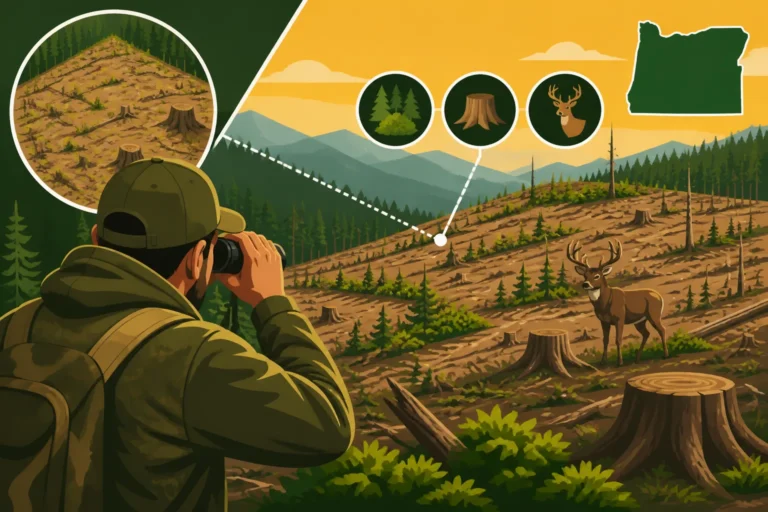
This period means you won't always find them bunched up in traditional rutting grounds. Instead, they might be in pockets of timber adjacent to recent burns, clearcuts, or even higher alpine meadows in Eastern Oregon. Your scouting from August might still be relevant, but be prepared for them to move a bit as food sources change and the weather starts to cool. Being able to adapt to these subtle shifts is key, which is where tools like GoHunt can really help you track changing conditions and analyze historical data for specific units.
Pre-Rut Antics and Hierarchy
Before the full-on breeding frenzy begins, early September often showcases what I like to call "pre-rut antics." Bulls are starting to size each other up, but it's less about a fight to the death and more about establishing who's boss through posturing, raking trees, and vocalizations. Smaller satellite bulls might be more vocal, trying to attract any available cows or simply testing their new voices. Dominant herd bulls might be more reserved, bugling only to announce their presence or to challenge a direct threat, rather than constantly screaming.
You might hear a mix of bugles – some high-pitched and excited from younger bulls, others deeper and more guttural from mature animals. These older bulls might also use a lot of chuckling and glunking sounds, which are often overlooked but incredibly important indicators of their presence and mood. They’re effectively saying, "I'm here, I'm big, and you should probably move along," without expending unnecessary energy in a full-blown screaming match. This phase requires a caller who can differentiate these sounds and respond in kind, rather than just blasting out aggressive challenges.
Impact of Weather and Hunting Pressure
Weather in early September can be highly variable in Oregon, swinging from warm, dry conditions to crisp, cooler mornings, especially as you move from the lowlands to higher elevations or from the Coast Range to Eastern Oregon. Hot, dry weather often makes elk less vocal and more nocturnal, pushing them into thick timber or deep canyons where it's cooler. Conversely, a cooler front or a bit of rain can really get them fired up and more active during daylight hours. Always keep an eye on the forecast and adjust your hunting times and locations accordingly.
Hunting pressure also plays a huge role. Early September marks the opening of archery season, and even if it's not the absolute peak of the rut, many hunters are out there. Educated bulls, especially in units with easy access, quickly learn to associate aggressive bugling with human presence. If you're constantly hearing the same aggressive, poorly executed calls from other hunters, a smart bull will shut down or move off. This is why a more subtle, inquisitive, and realistic approach is often far more effective in getting a response from wary animals. For tips on navigating these busy times, check out our guide on Archery Elk Hunting Oregon's August and September Seasons.
Crafting Your Early September Bugle Sequence
When it comes to calling early season elk, less is often more, and realism is paramount. You’re not trying to mimic a bull in full rut guarding a harem; you're trying to sound like another bull who is curious, slightly dominant, or simply announcing his presence, often with the accompaniment of cows. The goal is to pique their interest and draw them in, not necessarily to challenge them to a brawl right off the bat.
The "Questioning" Bugle
The cornerstone of early September calling is what I call the "questioning bugle." This isn't a full-throttle, screaming challenge. Instead, it's a medium-volume bugle, perhaps with a slight upward inflection at the end, that conveys curiosity and a desire to locate other elk. It says, "Is anyone out there? What are you doing?" without outright aggression. Think of it as a conversational tone rather than a battle cry.
Start with this type of bugle in areas where you suspect elk are bedding or feeding. It’s particularly effective if you’re moving through timber or approaching a suspected bedding area. You’re not trying to scare them off or call them out of their beds immediately, but rather gauge their presence and mood. Often, you'll get a return bugle that is equally soft or inquisitive, which is a perfect indication that your call was well-received and that bull is interested in checking you out. Pay close attention to the tone and volume of their response; it will tell you a lot about how to proceed.
Integrating Cow and Calf Sounds
This is where many early-season callers miss the boat. While a bull bugle might draw a response from another bull, adding realistic cow and calf calls can be a game-changer. In early September, bulls are still often associated with cow/calf groups, even if the breeding hasn't begun. They're more likely to investigate sounds that suggest a social group, especially if they are looking for companionship or a potential harem to guard in the near future. Incorporating these sounds into your sequence makes you sound incredibly realistic and alluring.
A typical effective sequence might start with a soft, questioning bull bugle, followed quickly by a few soft cow mews or chirps, and perhaps even a lost calf call. This paints a picture of a small group of elk moving through the timber, which is far less threatening than a lone, screaming bull. It also appeals to a bull's protective instinct. If you’re struggling to get a bull to commit, try using more cow and calf calls and fewer bugles, letting the "cows" do the talking. For more on this, check out our insights on Cow Calling Versus Bugling in Heavy Timber.
Aggressive vs. Submissive Calls
Knowing when to be aggressive and when to be submissive is crucial. In early September, I recommend starting with more submissive or inquisitive calls and only ramping up the aggression if the situation dictates. A soft, slightly submissive bugle, perhaps followed by raking a tree with a stick or your shed antlers, can draw in a bull that’s still feeling out his dominance. He might approach quietly, trying to get a visual on this "other bull" who isn't quite challenging him but is definitely in the neighborhood.
If a bull responds with a very aggressive, full-volume bugle, then it might be time to match his energy, but still with caution. You don’t want to scare him off with an overly dominant call if he’s just testing the waters. Try a slightly less aggressive bugle back, maybe a medium-volume chuckle. If he bugles even more aggressively, then you can slowly increase your intensity. This cat-and-mouse game requires keen observation and listening skills. Remember that Roosevelt bulls in particular might be less vocal than their Rocky Mountain cousins, making subtle calls even more important. Learning Why Roosevelt Bulls Bugle Less Than Rocky Mountain Bulls can really inform your approach in Western Oregon.
Situational Calling Strategies
Every elk encounter is unique, and a truly effective caller knows how to adjust their strategy based on the specific situation, terrain, and the elk's responses. A cookie-cutter approach rarely works, especially with wary early-season bulls.
Approaching a Responding Bull
So, you’ve put out a questioning bugle and a few cow mews, and a bull responds! This is where the real game begins. Your next move is critical. If the bull is bugling back consistently, he’s interested, but he's also listening intently for your location. Don't immediately charge in. Instead, use the terrain to your advantage. Try to parallel his position, using ridges, draws, or dense timber for cover. Make him think you're moving away slightly, or just moving casually, which can often make him more curious and encourage him to close the distance.
As you move, periodically throw out another soft cow mew or a very quiet, short bugle to confirm his interest and keep him engaged. If he stops bugling, pause for a good 5-10 minutes, then try a soft cow call. He might be circling to get downwind, or he might be approaching silently. This is also the time to think about your shooting lanes and how you'll set up your shot once he gets close. Effective communication and strategy between a caller and a shooter, as detailed in Setting Up a Caller and Shooter on a Bull, are paramount here. Remember, elk have an incredible sense of smell, so staying downwind is always your top priority.
Dealing with Silent Bulls
The silence can be deafening, and it’s a common frustration in early September. You bugle, you mew, you chirp, and nothing. This doesn’t mean there are no elk, it just means they’re not talking back. Silent bulls are often the biggest and oldest, and they've learned that bugling can attract unwanted attention from hunters or other dominant bulls. When faced with silence, switch tactics entirely.
Instead of calling, focus on still-hunting or spot-and-stalk techniques. Move slowly and quietly through likely elk habitat – dense timber, near water sources, or along migration corridors. Occasionally, stop and listen for natural sounds: branches breaking, rocks rolling, a distant glunk or chuckle, or even the subtle sound of an elk feeding. You can also try a "locator" bugle – a single, sharp, full-volume bugle designed solely to elicit a shock response, not to draw a bull in. Sometimes, a silent bull will give away his position with a quick, guttural answer, and then you know where to focus your stalk. This is also where good e-scouting with tools like GoHunt, focusing on historical movement and bedding areas, becomes invaluable.
Calling in Timber versus Open Country
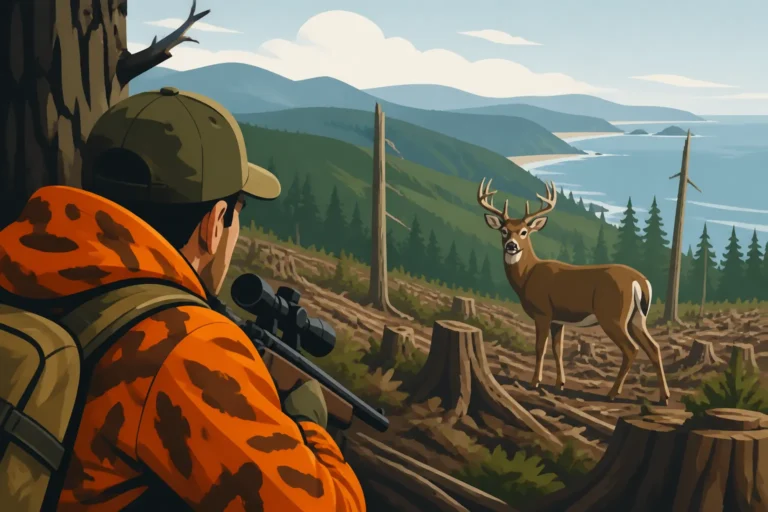
The type of terrain you're hunting in Oregon dramatically influences how your calls carry and how elk respond. In the dense, wet timber of the Coast Range or the western Cascades, sound doesn’t travel as far, but it can also be harder for elk to pinpoint your exact location. Here, calls should be slightly louder and more drawn out to penetrate the foliage, but still realistic. Use the timber to your advantage for concealment, but be mindful that a bull could sneak in very close, very quickly. You’ll need to be ready for an encounter at very close quarters, sometimes within just a few yards. Understanding How Close You Can Get in Coastal Timber can be a game-changer.
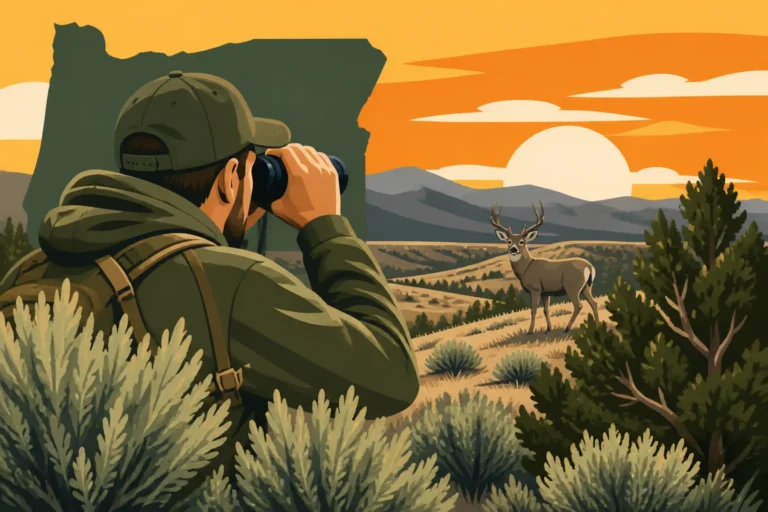
In more open country, like the sage and juniper flats of Eastern Oregon or the expansive burns, sound carries much further. Your calls should generally be softer and more measured to avoid sounding unnatural or giving away your exact position from too far away. Here, sight is just as important as sound. A bull can see you from a long distance, so concealment and using terrain features like draws and small hills are essential. You might also want to incorporate more bugles that sound like traveling or searching, rather than static challenges, to encourage a distant bull to move your way.
Advanced Tips and Common Mistakes
Even with the right sequence, successful early September elk calling requires nuance and the ability to adapt. Avoiding common pitfalls and truly understanding elk communication will elevate your game significantly.
Reading Body Language and Reactions
Elk communicate far more than just through vocalizations. When a bull responds to your calls, pay attention to subtle cues. Is his bugle hesitant or bold? Is it followed by heavy breathing or glunking, suggesting he’s worked up? If you get a visual, is he pacing, raking trees, or just standing and listening? If he's raking, he's showing dominance and frustration, often a good sign he's coming. If he just stands and stares, he's trying to pinpoint you and might be getting suspicious.
A bull might also circle downwind, trying to catch your scent. This is a classic move and why scent control is crucial. If you see him trying to get downwind, you need to either reposition quickly or be ready to shoot if he presents himself before he winds you. Don't be afraid to change your calling strategy mid-sequence if his reaction warrants it. Sometimes, backing off on the aggression with a soft cow call can seal the deal if he's getting wary.
When to Shut Up and Listen
One of the biggest mistakes new callers make is calling too much. Silence is a powerful tool, perhaps one of the most underutilized. After a few calls, especially if you’ve gotten a response, stop calling. Listen. For a good 5-10 minutes, sometimes even longer. Elk, particularly mature bulls, will often approach silently, trying to sneak in and get a look at the "other elk." If you're constantly calling, you're masking their approach and giving them a precise target to avoid.
During these silent periods, listen for subtle sounds: footsteps, branches breaking, a grunt, or even the quiet glunk of an approaching bull. These are often the only warnings you'll get before he's in your shooting lane. It takes discipline to stay quiet, especially when the adrenaline is pumping, but it's often the difference between success and failure. Trust that your initial calls were heard; now let curiosity, dominance, or social instinct do the work.
The Wind and Thermals
In Oregon, whether you’re in the high desert or the Coast Range, wind and thermals are paramount. Ignoring them is a surefire way to get busted. Early mornings often see thermals rising, carrying your scent uphill. Evenings usually have thermals falling, carrying your scent downhill. During the day, prevailing winds can dictate scent dispersal. Always approach an elk, or set up a calling sequence, with the wind in your face or quartering into it.
This means you might have to take a longer, more circuitous route to get into position, but it’s always worth it. No amount of realistic calling will overcome a bull winding you. Before you even let out your first call, analyze the wind and thermals, and plan your approach and potential ambush points accordingly. Using a wind checker frequently is a habit that will pay dividends. This kind of detailed planning often starts long before the hunt, with extensive use of mapping apps to understand terrain and wind patterns. For more on preparing for the physical demands of these hunts, consider focusing on Physical Training for an Oregon Elk Hunt.
Here's a quick summary of typical early September elk vocalizations and how to use them:
| Call Type | Description | Early September Use & Expected Response |
|---|---|---|
| Questioning Bugle | Medium volume, often with an upward inflection; sounds inquisitive. | Primary opening call. Aims to locate. Expect soft, curious return bugles or silent approach. |
| Soft Cow Mew/Chirp | Gentle, social vocalization, sounds like a contented cow. | Used with questioning bugle to sound like a small group. Entices curious bulls. |
| Lost Calf Call | A whiny, distressed mew. | Can attract protective cows or curious bulls looking for a distressed group. |
| Chuckle/Glunk | Low, guttural sounds, often after a bugle. | Indicates presence and mild dominance. Use after your bugle to sound realistic and confident. |
| Raking Sounds | Simulating antlers on a tree (use a stick or shed antler). | Visual and auditory display of dominance. Can provoke a challenge or draw in curious bulls. |
| Aggressive Bugle | Loud, drawn-out, challenging scream with multiple chuckles. | Use sparingly, only if a bull responds aggressively. Match his intensity, don't overdo it. |
| Distress Cow Call | A loud, drawn-out bawl, often panicked. | Rarely used in early season unless a bull is injured or to elicit a shock response. |
Ultimately, mastering the art of early September elk calling in Oregon is about observation, patience, and realism. It's less about volume and aggression, and more about subtly mimicking natural elk behavior to draw in wary bulls. Good luck out there this season!
Disclaimer
Hunting is an inherently dangerous activity. Always prioritize safety, understand and follow all Oregon Department of Fish and Wildlife (ODFW) regulations, and respect private property. The information provided in this guide is for educational purposes only and should not be considered a substitute for professional instruction, local knowledge, or personal research of current regulations. Conditions in the field can change rapidly, and hunters are responsible for their own safety and adherence to all laws.