Walk-In Only Gates on Industrial Timber
It's incredibly frustrating, isn't it? You spend hours poring over maps, planning your perfect Oregon hunting trip, only to arrive at what looks like prime timber country and find a locked gate with a "Walk-In Only" sign. It's enough to make you throw your hands up in exasperation, but don't let it get you down. These gates often hide some of the best hunting opportunities, and this guide is all about navigating those walk-in only gates on industrial timber land and turning that initial frustration into a real advantage.
Understanding Industrial Timber Land Access in Oregon
Oregon is a tapestry of public and private land, and navigating it as a hunter can feel like deciphering an ancient scroll. Industrial timber companies own vast swaths of prime habitat, particularly in western Oregon, the Cascades, and even parts of eastern Oregon. These lands are often checker-boarded with state and federal holdings, creating a complex patchwork. For years, many of these timber companies allowed open access, a handshake agreement built on mutual respect. However, things have changed, and now access is much more regulated, often involving permits or designated walk-in areas. The key is knowing what you're looking at and what rules apply.
The Landscape of Private Timber and Public Access
Oregon's hunting landscape is unique, with large tracts of privately owned timberland playing a significant role in providing habitat for deer, elk, bear, and other game. Companies like Weyerhaeuser and Hancock Resources, for instance, manage millions of acres across the state. While their primary business is timber harvesting, many of them recognize the value of allowing public access for recreation, including hunting. However, this access isn't always open-ended. It's a delicate balance between public enjoyment, operational safety, and managing natural resources. Understanding this complex relationship is the first step in successful hunting on these lands. You might find a locked gate on private timber land, but if it's designated "walk-in," it means they are extending an opportunity that simply requires a bit more effort on your part. It's a different beast than pure public land, and it means you need to be extra diligent in respecting their rules.
Why Walk-In Only Gates Exist
So, why the "Walk-In Only" policy at these gates? It's not usually to deliberately make your life harder, though it often feels that way. The reasons are numerous and often quite practical from the timber company's perspective. Firstly, safety is paramount. Active logging operations, heavy equipment, and unstable road conditions can pose serious hazards to unauthorized vehicles. Restricting motorized access minimizes the risk of accidents and liability. Secondly, road maintenance is incredibly expensive. Industrial timber roads are built for heavy trucks, not necessarily light recreational vehicles, and opening them to unrestricted public vehicle traffic would lead to rapid degradation and massive repair bills. By limiting vehicle traffic to company operations, they preserve their infrastructure. Lastly, walk-in only zones can also be a part of a larger wildlife management strategy, aiming to create quieter areas where game can find refuge from road hunters and motorized pressure. During dry periods, these closures also serve as critical fire prevention measures, restricting vehicle sparks and human-caused fires.
Identifying and Utilizing Walk-In Only Gates
Finding these walk-in opportunities requires a bit of detective work and relies heavily on modern mapping technologies and diligent pre-scouting. Showing up on opening day and hoping for the best is a recipe for disappointment, especially with the shifting access rules these days. Being proactive and informed will give you a significant edge over hunters who aren't doing their homework.
How to Locate Walk-In Gates Before You Go
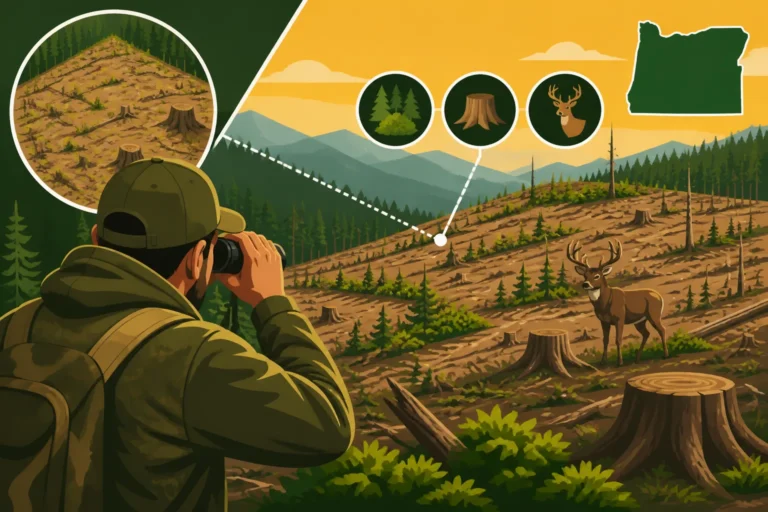
Before you even think about lacing up your boots, you need to know where these gates are and what their specific rules are. Your most powerful tools here are digital mapping applications like onX Hunt, which overlay property boundaries, land ownership, and often show roads and gates, along with a "Walk-in Only Gates on Industrial Timber" layer. Another excellent resource is the GoHunt Insider, which provides detailed mapping layers, harvest data, and often unit-specific information that can highlight these access points. Many timber companies, such as Weyerhaeuser, also offer their own interactive maps online, sometimes requiring a free registration, that detail their access policies, including designated walk-in areas. Don't be shy about calling the local timber company office or even the Oregon Department of Fish and Wildlife (ODFW) for clarification. You can often find valuable information on their websites regarding hunting Clearcuts on Private Timber Land, including specific access points. When you do arrive in an area, always keep an eye out for physical signage at the gates themselves, as rules can change seasonally or even weekly due to active operations or fire danger.
Rules and Regulations for Walk-In Access
The most fundamental rule, and one that cannot be overstated, is that "walk-in only" means no motorized vehicles beyond that gate. This includes ATVs, dirt bikes, electric bicycles, or any other motorized transport. It’s strictly foot traffic, though some areas may allow non-motorized bicycles. Always verify specific rules for the area you plan to hunt. Beyond vehicle restrictions, remember that you are still on private property. Respect all posted signs, stay within the designated access areas, and avoid disturbing any active logging operations or equipment. It's not uncommon for these areas to have specific seasonal restrictions, especially during periods of high fire danger or wet weather that could damage roads. Always practice Leave No Trace principles: pack out everything you pack in, and perhaps even a little extra trash you find. Be mindful of Oregon's 300-foot rule beside an open road, even if it feels like you're way out in the sticks once you're past a walk-in gate. Understanding these rules is crucial for keeping these valuable hunting opportunities open for everyone.
| Company/Land Type | General Access Policy | Walk-In Only Access | Common Restrictions | Mapping Resources |
|---|---|---|---|---|
| Weyerhaeuser | Permit-based in some areas, open in others. | Yes | No motorized vehicles, seasonal fire closures. | Company website, onX Hunt |
| Hancock Forest Mgmt. | Primarily permit-based, some open non-motorized. | Yes | No motorized vehicles, specific gate hours. | Company website, GoHunt |
| Other Private Timber | Varies greatly, often depends on local management. | Often Yes | May require registration or sign-in, specific dates. | ODFW resources, local inquiry |
| State Forests (e.g., Tillamook) | Generally open, some Travel Management Areas (TMAs). | Yes | TMAs have specific motorized travel limits. | ODFW, State Forest websites |
This table provides general information. Always verify specific rules and access for your chosen location directly with the landowner or managing agency.
Strategies for Hunting Beyond Walk-In Gates
Walking past a gate that most vehicles can't pass instantly puts you in a different class of hunter. You've earned the right to be there through effort, and that effort often pays off. This is where you can truly get away from the crowds and find game that hasn't been pressured by vehicles all season long.
The Physical Demands and Gear Considerations
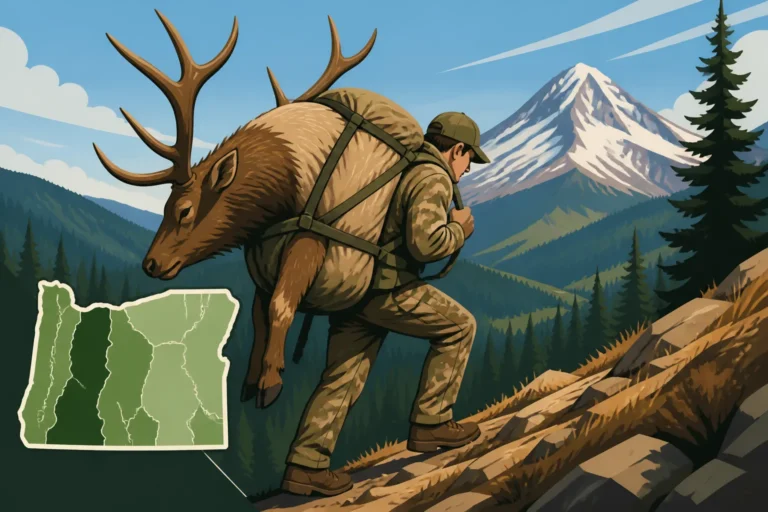
Let's be real: hunting beyond a walk-in gate is a commitment. You need to be in decent shape, especially if you plan on going deep and hopefully packing out an animal. This isn't a casual stroll. You'll likely be covering rugged terrain, sometimes far from any road, carrying all your gear. Investing in a good quality pack frame is non-negotiable. If you're successful, you'll be quartering an animal and making multiple trips, potentially in the dark. Consider a sturdy frame pack like those from Kifaru or Mystery Ranch; they make all the difference when you're loaded down with a heavy elk quarter. Beyond your pack, durable, waterproof boots are essential, especially in Oregon's often wet conditions. Don't forget ample water, navigation tools like a GPS or a reliable app on your phone (downloaded maps are key where cell service is spotty), and a comprehensive first-aid kit. While motorized vehicles are out, a manual game cart can be a lifesaver for getting a deer or bear out once you're back on the main logging road. Building up your Physical Training for an Oregon Elk Hunt is crucial if you want to tackle these areas effectively.
Tactical Advantages of Hunting Walk-In Areas
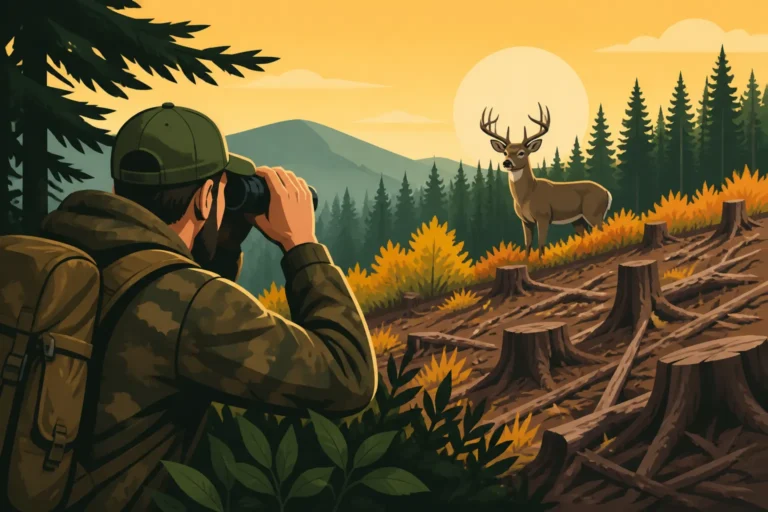
The biggest advantage of walk-in areas is, without a doubt, reduced hunting pressure. Most hunters will stick to areas accessible by vehicle, or they simply aren't willing to put in the miles on foot. This means that animals in these walk-in zones are often less skittish, less educated, and more likely to follow their natural patterns rather than constantly avoiding human activity. These areas often become sanctuaries, attracting game seeking refuge from the commotion closer to roads. You might find elk bedded in thick timber close to a clearcut edge, or deer moving more freely in midday because they haven't been pushed around as much. These quieter zones allow you to focus more on traditional hunting methods like still-hunting, glassing, or calling, without as much competition. You'll often find yourself truly alone in the woods, which is a rare and precious thing in today's crowded hunting landscape. This can be particularly effective for Blacktail Deer Hunting in Oregon's Coastal Clearcuts, where bucks often hold tight in dense cover.
Planning Your Hunt for Success
Successful hunting in walk-in areas starts long before you even leave home. E-Scouting Oregon Units With Satellite Imagery is paramount. Use tools like onX or GoHunt to analyze the terrain, identify potential bedding areas, feeding zones, and water sources. Look for clearcuts of varying ages, natural funnels, and dense cover that might hold game. Pay attention to how the topography might channel animal movement. If you're after elk, consider the prevailing winds and thermals in steep country. The GoHunt platform offers excellent map layers and insights into public land access that can specifically highlight these walk-in gates and help you visualize your approach and extraction routes. Once on the ground, move slowly and deliberately, paying close attention to fresh sign like tracks, droppings, and rubs. Don't be afraid to adjust your plan based on what the animals are telling you. Remember, every ounce you carry in, you'll feel twice as much carrying out if you're successful. This means packing light and packing smart, making sure every item in your backpack serves a purpose. Having a solid plan for Packing Out an Elk in Oregon's Wilderness Units, even if you're not technically in a wilderness area, will serve you well.
Common Pitfalls and How to Avoid Them
Even with the best intentions and thorough planning, navigating walk-in only areas can present unexpected challenges. Being aware of these common pitfalls can help you avoid turning a great hunt into a frustrating, or even dangerous, experience.
Misinterpreting Signage and Access Rules
One of the quickest ways to ruin a hunt and potentially incur a fine or lose access permanently is to misinterpret or ignore signage. "Walk-In Only" is distinct from "No Trespassing" or "Area Closed." Always take the time to read every sign carefully. Sometimes gates are closed entirely, even to foot traffic, due to active logging, extreme fire danger, or specific wildlife closures. These temporary closures are often posted on the timber company's website or at the gate itself. What was open last year might be closed this year, or even next week. Don't assume. Double-check official resources and even consult resources like Reading a Travel Management Area Map Before You Drive for additional context, as some walk-in areas might be part of larger TMAs with their own nuances. If there's any doubt about access, err on the side of caution or call the landowner/manager for clarification. Your vigilance helps maintain these access opportunities for everyone.
Overestimating Physical Capabilities
The excitement of a walk-in area can sometimes lead hunters to bite off more than they can chew. It's easy to look at a map, see a few miles beyond a gate, and think, "I can do that!" But those few miles can feel like ten when you're bushwhacking through dense timber, navigating steep ravines, and then, God willing, packing out 100+ pounds of meat. Many a hunter has found themselves facing a magnificent animal several miles deep and then realizing the monumental task of getting it out. This is where honest self-assessment comes in. If you're not accustomed to strenuous hikes with a heavy pack, start small. Plan for shorter excursions and gradually increase your range. A buddy system is invaluable for these types of hunts, both for safety and for sharing the load. Remember, it's better to have a slightly shorter but successful and manageable hunt than to push too far and end up in a dangerous situation or worse, spoil your hard-earned meat because you couldn't get it out in time. Knowing your limits will also help you choose the right Rifle Choice for Oregon Elk and Deer that you're comfortable carrying over long distances.
Ethical Considerations
Hunting on industrial timber land, even with permission, comes with a heightened sense of responsibility. You are a guest on someone else's property. Always leave gates as you found them – if it was closed, close it behind you. If it was open, leave it open. Be incredibly mindful of active logging operations; equipment can appear quickly, and safety zones are critical. If you see activity, stay clear and make your presence known from a safe distance. Avoid driving over any closed roads, even if they look passable, as this can cause significant damage and lead to further access restrictions. If you encounter trash or litter, make an effort to pack it out. Reporting any suspicious activity or violations you witness (like illegal dumping or motorized vehicle trespass beyond a walk-in gate) to the timber company or ODFW helps ensure these companies continue to offer access. Your actions, good or bad, reflect on all hunters. By being a responsible and respectful user, you contribute to the continuation of these invaluable hunting opportunities for years to come. And don't forget the importance of proper meat care once you've made a kill; refer to guides on Coolers, Ice and the Drive Home From Eastern Oregon to ensure your hard work doesn't go to waste.
Disclaimer
Please note that hunting regulations, land access policies, and fire restrictions in Oregon are subject to change. Always consult the most current Oregon Department of Fish and Wildlife (ODFW) regulations pamphlet, specific timber company websites, and local land management agencies before planning any hunt. This guide is for informational purposes only and does not replace official regulations or permits.