Timber Company Access Fees and Gates in Oregon
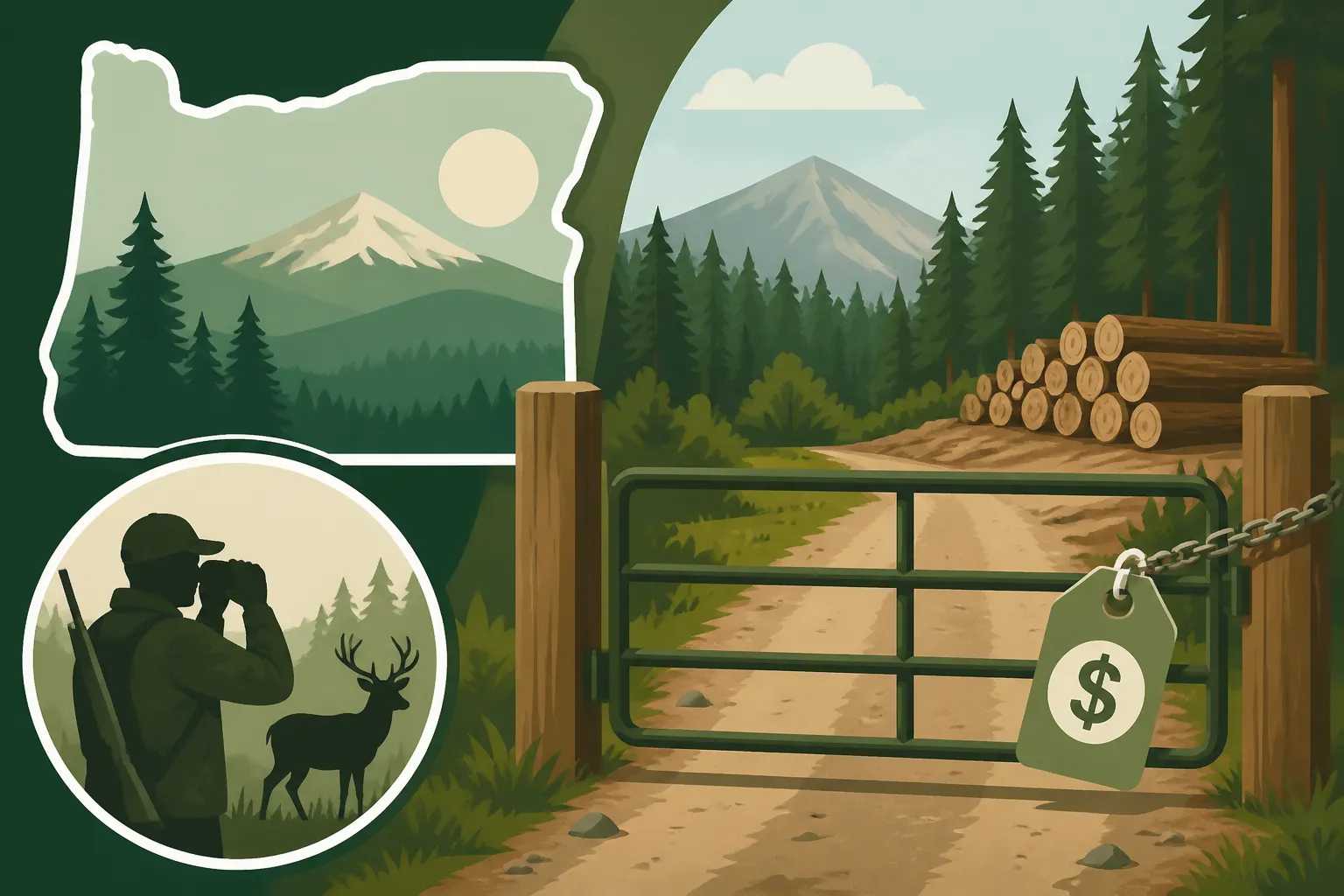
It’s a scenario many of us have faced in Oregon: you’re driving down a promising logging road, brimming with anticipation for a day of hunting, only to be met by a sturdy metal gate with a “No Public Access” or “Permit Required” sign. The sheer vastness of private timber company land in our state offers incredible hunting opportunities, but gaining access often feels like navigating a secret society. This guide is here to demystify the world of timber company access fees and gates in Oregon, helping you understand how to get onto these productive lands and make the most of your hunting season.
Understanding Oregon's Timber Company Lands
Oregon is a state covered in forests, and a significant portion of those forests are owned and managed by private timber companies. These aren't just patches of woods; they are vast, actively managed landscapes that are incredibly important for wildlife, and consequently, for hunters.
Why Timberlands are Critical for Hunting
When you think about prime hunting habitat in Oregon, particularly for deer and elk, timberlands often come to mind. These areas offer a fantastic mix of cover, forage, and water, creating ideal conditions for game animals. Logging practices, while sometimes controversial, often create a mosaic of clearcuts, regenerating young stands, and mature timber. These clearcuts, especially after a few years of growth, become browse factories, providing an abundance of nutrient-rich vegetation that deer and elk absolutely thrive on. It’s not uncommon to find big blacktail bucks hunkered down in the thick regenerating brush of a two-year-old clearcut for bucks, or to hear the bugle of a Roosevelt bull echoing through the dense timber adjacent to a recent harvest. The varied terrain and constant regeneration mean that game animals have diverse food sources and plenty of places to hide, making these areas highly productive for hunters willing to put in the effort.
The Shift from Open Access to Controlled Access
Years ago, it felt like much of Oregon's private timberland was open to anyone with a truck and a hunting rifle. You could drive for miles, exploring new country with relative freedom. However, that landscape has changed dramatically. Timber companies, facing increased management costs, liability concerns, timber theft, illegal dumping, and even wildfire risks, have progressively moved towards more controlled access models. This often means implementing permit systems, installing gates, and actively monitoring their properties. For hunters, this transition can be frustrating, as prime hunting spots that were once easily accessible now require research, planning, and often, an investment in a permit. While it can feel like a barrier, it's a reality we, as responsible hunters, need to adapt to. Understanding this shift is the first step in successfully navigating these private lands and continuing to enjoy the rich hunting opportunities they provide.
Navigating Access Fees and Permit Systems
Gaining access to private timber company lands in Oregon almost always involves understanding and adhering to their specific permit systems. These systems vary widely between companies, so it's crucial to do your homework well in advance of your hunt.
Permit Types, Major Companies, and Costs
In Oregon, several major timber companies own significant tracts of land, and each has its own approach to recreational access. Companies like Weyerhaeuser, Hancock Forest Management (operating as Campbell Global in many areas), Stimson Lumber Company, and Cascade Timberlands are some of the larger players. Their permit offerings can range from simple walk-in access permits to more comprehensive vehicle access permits, often allowing entry through locked gates.
- Walk-in Permits: These are generally the most affordable, or sometimes even free, and allow you to park outside a gated area and proceed on foot. While they limit vehicular access, they open up a lot of country for hunters willing to put in the legwork, especially if you're prepared for Walk-In Only Gates on Industrial Timber.
- Day-Use Permits: Some companies offer permits valid for a single day, which can be great if you only plan a quick scouting trip or a short hunt in a specific area. These are less common for general hunting but can exist for specific recreational zones.
- Seasonal Vehicle Access Permits: These are the most sought-after permits. They typically grant motorized access to certain areas for an entire hunting season or year. These permits often come with a physical key or a gate code and are significantly more expensive than walk-in options, ranging from a few hundred dollars to upwards of $1,000 or more, depending on the company, the area, and the demand. For instance, Weyerhaeuser's recreational lease program for some areas can be quite competitive, with spots often selling out quickly. Hancock Forest Management, through its Campbell Global subsidiary, also manages a number of recreational access programs that vary by region.
The cost isn't just about the permit itself; sometimes you need to consider the competition. High-demand units, particularly those with strong elk populations, will see permits disappear fast.
How to Research and Purchase Timber Company Permits
The process of researching and purchasing permits can feel a bit like a treasure hunt, but with some diligence, you can usually find the information you need.
- Start Online: Most major timber companies now have dedicated sections on their websites for recreation and permits. This is typically the best place to begin your search. Look for "recreation," "public access," or "hunting permits" on their corporate sites. For example, Weyerhaeuser manages its access through portals like the "Weyerhaeuser Recreation Access Program" which directs you to specific regional offerings.
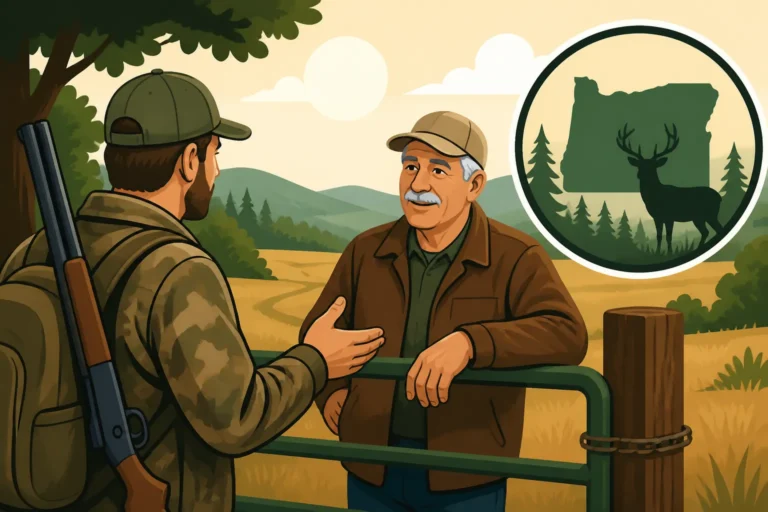
- Contact Local Offices: If the website isn't clear or you have specific questions about a particular tract of land, don't hesitate to call the local forestry or land management office for the company. They can often provide the most up-to-date information on permit availability, pricing, and specific access rules for their region.
- Sign Up for Email Lists: Many companies offer email notifications for when permits go on sale or when access rules change. This is critical for getting a jump on popular permits that sell out in minutes.
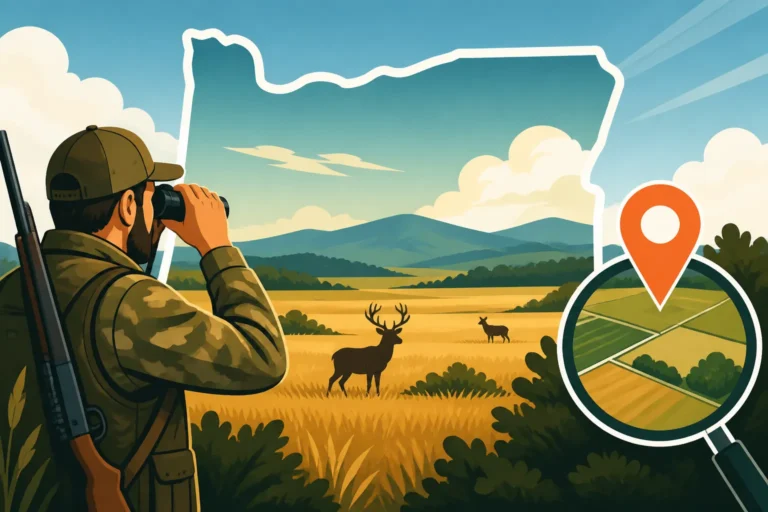
- Map Research: Before committing to a permit, always cross-reference the company's permit area maps with your own hunting maps. Platforms like GoHunt or other digital mapping tools are invaluable here, as they often have layers showing public vs. private land, and sometimes even indicate specific timber company holdings. This allows you to visualize the exact boundaries and assess the hunting potential of the area covered by the permit. You don't want to buy a permit only to find the area is smaller or less productive than you imagined. E-Scouting Oregon Units With Satellite Imagery can be immensely helpful in this stage.
| Permit Type | Typical Access | Estimated Cost Range (Annual) | Common Availability | Notes |
|---|---|---|---|---|
| Walk-In Access | Foot/Bike Only | Free – $50 | Widely Available | Excellent for fitness-minded hunters, good for Still-Hunting Speed in Wet Brush. |
| Day-Use (Limited) | Varies | $10 – $30 | Less Common | Good for short scouting trips or specific events. |
| Seasonal Vehicle | Motorized | $200 – $1,500+ | Limited/Competitive | Highly sought after; often includes gate keys/codes. |
| Leased Access | Motorized | Varies by agreement | Exclusive | Often for hunting clubs or long-term private agreements. |
Always purchase your permits directly from the timber company or their authorized partners. Be wary of third-party sellers unless explicitly endorsed by the company, as scams can occur.
Mastering Gates and Road Restrictions on Timber Company Land
So, you've secured your permit – congratulations! Now comes the practical challenge of navigating the gates and understanding the rules that govern access on these vast properties. It’s not just about unlocking a gate; it's about respecting the system that allows us to use these lands at all.
Deciphering Different Gate Systems and Access Rules
Timber company gates aren't just there to keep people out; they're a critical part of their land management strategy. You'll encounter a variety of gate systems, each with its own implications for access:
- Standard Locked Gates: These are the most common. If you have a permit that includes vehicle access, you'll typically be provided with a key or a combination for a padlock. It is absolutely paramount that you always lock the gate behind you, whether entering or exiting. This isn't just a courtesy; it's often a condition of your permit and helps the company maintain security and manage access. Failing to lock a gate can lead to permit revocation for everyone in your group, and potentially for all hunters in that area.
- Walk-Through or "Wicket" Gates: Some larger, more substantial gates may have smaller walk-through sections specifically for foot traffic. These are common where only walk-in access is permitted. You can typically pass through these easily, but again, ensure they latch securely behind you to prevent unauthorized vehicle access.
- Automated or Coded Gates: Less common but sometimes seen on high-traffic or particularly sensitive areas, these gates might require a keypad entry or a remote opener. Always follow the instructions provided with your permit precisely.
- Seasonal Closures: Beyond physical gates, many timber company roads operate under seasonal closures, even if there isn't a physical gate blocking them. These closures are often in place to protect road integrity during wet seasons, prevent disturbance to wintering wildlife, or reduce fire danger in summer. Always consult your permit documentation and the company's website for specific dates and rules. You should also check the Oregon Department of Fish and Wildlife (ODFW) website for any Winter Range Closures That Affect Late Hunts in adjacent public lands, as these can sometimes overlap or influence access to private timber.
Remember, every gate serves a purpose. Never attempt to bypass a gate, cut a lock, or enter through an area not explicitly covered by your permit. Such actions are trespassing, can result in severe penalties, and jeopardize hunting access for everyone.
Adhering to Closures, Fire Restrictions, and Road Etiquette
Hunting on timber company land means you're operating on private property, and that comes with a responsibility to be an exemplary guest.
- Fire Restrictions are Paramount: Oregon summers and falls are increasingly susceptible to wildfires. Timber companies take fire risk incredibly seriously, and so should you. Pay close attention to fire danger ratings, which can escalate quickly. This might mean restrictions on campfires, smoking, or even vehicle use on certain roads. During extreme fire conditions, timber companies may issue complete closures to all recreational access, regardless of whether you have a permit. These Fire Season Closures on Oregon Timber Land are non-negotiable and enforced for everyone's safety and the protection of valuable forest resources. Always check the company's website or call their local office before heading out, especially during dry periods.
- Road Etiquette and Maintenance: Timber company roads are primarily working roads, not recreational highways. You'll likely encounter heavy logging trucks and other industrial vehicles. Always yield to these vehicles, drive slowly, and be prepared for dusty, bumpy, or unmaintained conditions. Avoid blocking roads, even temporarily, and park your vehicle responsibly off the main thoroughfare. Report any issues you notice, like downed trees or significant washouts, to the timber company. Remember, these roads are essential for their operations, and our access depends on our respectful use of them.
- Respecting the Resource: Timber company land is actively managed for timber harvest. You might come across active logging operations, newly planted seedlings, or sensitive wildlife habitat zones. Adhere strictly to any signage regarding restricted areas, and be mindful of your impact. Don't litter, pack out everything you pack in, and avoid damaging trees or other vegetation. Think of yourself as a steward of the land, helping ensure continued access for future generations of hunters.
Following these guidelines not only makes for a safer and more enjoyable hunt but also builds goodwill with the timber companies, which is vital for maintaining these crucial hunting opportunities.
Essential Tips for Hunting Success on Oregon Timberlands
Hunting on timber company land offers unique challenges and incredible rewards. With the right approach, you can significantly increase your chances of success.
Leveraging Technology for Timberland Scouting
The vastness and dynamic nature of timber company lands make robust e-scouting tools indispensable. Gone are the days of relying solely on paper maps, though they still hold value.
- Digital Mapping Platforms: Tools like GoHunt's mapping system, OnX Hunt, or Garmin BaseCamp are invaluable. These platforms allow you to overlay private land boundaries, identify land ownership (often showing specific timber company names), and even display recent satellite imagery that can reveal clearcuts, road networks, and potential game corridors. Before you ever set foot on the ground, you can use these maps to pinpoint E-Scouting Burns and Clearcuts From Satellite, identify potential bedding areas, and plan your approach routes, including where to access through Marking Access Points Before Opening Day.
- Satellite Imagery Analysis: Modern satellite imagery, available through these mapping apps, is a game-changer. Look for areas with a mosaic of young regeneration (bright green or brown patches from recent clearcuts) next to older timber. These edges are often where deer and elk spend their time, feeding in the new growth and retreating to the security of older cover. You can also identify hidden logging roads or trails that aren't on older maps, giving you a quiet access route away from other hunters. Pay attention to topography—steep draws and benches often provide natural travel corridors or bedding locations.
- GPS and Offline Maps: Always download offline maps to your device before heading into the field. Cell service on vast timber tracts can be spotty or nonexistent. A reliable GPS unit or a smartphone with downloaded offline maps ensures you can navigate safely, mark your location, and find your way back to your vehicle, even in dense fog or after dark. This is especially crucial when you're deep in an unfamiliar area.
Practicing Responsible Hunting and Safety on Private Timber
Hunting on timber company land requires an extra layer of responsibility, not just for the environment but for your safety and the perception of all hunters.
- Know Your Boundaries: With a mix of public and private parcels, and various permit zones, it's easy to inadvertently cross property lines. Always be hyper-aware of your location, especially when you're excited or focused on game. Use your digital mapping app religiously to stay within your permitted area or on public land. Ignorance of boundaries is not a valid defense for trespassing.
- Be Prepared for the Elements: Oregon weather, particularly in the Coast Range and Cascades where many timberlands are, can change rapidly. Invest in quality Rain Gear That Actually Stays Dry and Boots for Wet Coastal Hunting. Carry extra layers, food, water, and a comprehensive first aid kit. Even if you have vehicle access, you might find yourself far from your truck on foot.
- Share the Land Responsibly: While you might have a permit, you're rarely the only one out there. Other hunters, hikers, and even timber company employees will be using these lands. Practice common courtesy: park considerately, avoid walking directly into another hunter's setup, and be mindful of noise. When scouting or hunting, consider the impact your presence has on game animals, especially if you're targeting pressured Roosevelt Elk in Oregon Rainforest Timber. By being respectful and responsible, we collectively ensure that timber companies continue to grant access to hunters, preserving these invaluable opportunities for generations to come.
Disclaimer
The information provided in this guide is for general informational purposes only and is subject to change. Hunting regulations, permit systems, and access policies for private timberlands in Oregon can change frequently. Always consult the most current Oregon Department of Fish and Wildlife (ODFW) regulations and directly contact the specific timber company or landowner for the most accurate and up-to-date information before planning your hunt. Always prioritize safety and ethical hunting practices.