Hunting Private Timber Land With a Permit
Navigating Oregon's hunting landscape can be tough, especially when you're constantly running into crowded public lands or "No Trespassing" signs on seemingly perfect habitat. It’s a common frustration for many hunters, feeling like prime opportunities are just out of reach. This guide is here to shed light on a fantastic, often underutilized option: hunting private timber land with a permit, helping you understand how to gain access and make the most of these unique properties.
Understanding Oregon's Private Timber Lands and Access
Oregon is a state rich in timber, and a significant portion of what looks like open forest is actually owned by private timber companies. For years, many of these lands were informally open to the public, creating a patchwork of access that was often confusing and sometimes led to conflicts. However, as land management strategies evolved and the value of these resources changed, so did access policies.
These vast tracts of private timber aren't just for logging; they're often fantastic hunting grounds, holding everything from Columbian blacktail deer to Roosevelt elk. The sheer size and interconnectedness of these holdings mean they can offer extensive, unbroken habitat that public lands sometimes lack due to urban encroachment or other uses. The challenge, of course, has been figuring out how to legally get your boots on the ground without a "No Trespassing" sign staring you down. That's where permits come into play, transforming a frustrating barrier into a potential opportunity for those willing to do their homework.
Who Owns Oregon's Industrial Timber Lands?
Oregon's timber industry has a long and storied history, and with it comes a diverse ownership structure for the millions of acres of forest land. You're not just dealing with small private woodlots; these are often massive, industrial operations. Companies like Weyerhaeuser, Hancock Forest Management, and others own extensive portfolios across the state, particularly in the Coast Range, Cascades, and parts of Eastern Oregon. These aren't just names on a map; they represent significant landowners whose management practices directly impact wildlife and, consequently, hunting opportunities.
These companies manage their lands primarily for timber production, which means you'll see active logging operations, young clearcuts, and replanted areas. This dynamic environment, while sometimes disruptive, actually creates incredible habitat for deer and elk, offering a mosaic of cover and forage. Knowing who owns the land is the first critical step because each company tends to have its own unique approach to public access and permit systems. You might find a different set of rules or application processes depending on whether you're looking at Weyerhaeuser's holdings versus those managed by Hancock.
The Shift to Controlled Access and Permits
In years past, many of these private timber lands were accessible without much fuss. You might drive onto a logging road, and as long as there wasn't a gate, you were generally free to explore. This "open gate" policy, however, led to issues like illegal dumping, vandalism, fire risks, and a general lack of control over who was on the property. As a result, many timber companies shifted from informal public access to more controlled, permitted entry. This transition, while initially frustrating for hunters accustomed to free reign, has a silver lining: it creates a more structured, safer, and often less crowded hunting experience.
The implementation of permit systems allows timber companies to manage recreational use, mitigate fire danger, and protect their valuable timber resources while still offering a pathway for hunters to enjoy their lands. While some hunters lament the days of open access, the reality is that these permits provide a tangible way for responsible individuals to gain exclusive, or at least highly regulated, entry to prime hunting areas. It’s a trade-off: a small fee or an application process in exchange for access to lands that might otherwise be completely off-limits, often boasting less pressure than nearby public lands.
Navigating Permit Systems for Private Timber
Getting a permit to hunt private timber land in Oregon isn't always as simple as walking up to a kiosk and grabbing one. It often requires research, timely applications, and a bit of planning. However, for those willing to put in the effort, the rewards can be significant, opening up acres of potentially unpressured hunting ground.
The key is to approach this process strategically, understanding that each timber company might operate differently. There isn't a one-size-fits-all solution, which can feel daunting at first. However, once you understand the general framework, you can tailor your approach to specific companies and regions. This proactive engagement is what separates the hunters who consistently find success on these lands from those who remain frustrated by locked gates.
Researching Timber Company Permit Programs
The first and most crucial step is identifying which timber companies own land in the general hunting unit or area you're interested in, and then digging into their specific permit programs. This isn't always obvious from a simple map, but resources are available. The Oregon Department of Forestry (ODF) and ODFW often have information, but direct research into the major timber companies is usually your best bet.
Start by looking at the websites of large landowners like Weyerhaeuser, Hancock Forest Management, or local smaller timber companies that might operate in your preferred region. Many companies now have dedicated sections on their websites detailing their recreation or access policies. You'll want to find information on permit types, application periods, costs, and geographic availability. Tools like E-Scouting Oregon Units With Satellite Imagery can help you identify land ownership boundaries, giving you a clear picture of who owns what and where to focus your permit research. Additionally, sometimes local ODFW offices or even small-town sporting goods stores will have intelligence on which companies are offering permits in their area.
The Application Process: Tips and Timelines
Once you've identified a timber company and a specific permit program, it’s time to tackle the application itself. This is where attention to detail and timeliness become paramount. Permit applications often open and close within specific windows, sometimes months before hunting season. Missing a deadline means missing your chance for the entire year.
The application process can vary widely. Some companies might have an online portal where you create an account, select your desired hunting area, and pay a fee. Others might require a mail-in application, a phone call, or even an in-person visit to a local office. Be prepared for variations in cost, from nominal fees to hundreds of dollars depending on the desirability of the area and the duration of access. For example, knowing the details of the Weyerhaeuser Permit Cost in Oregon or checking on Hancock Forest Permit Availability can save you a lot of time and effort by setting proper expectations. Pay close attention to any requirements for party applications versus individual applications, vehicle restrictions, and specific dates for entry. Planning ahead, often as early as late spring or early summer, is key to securing these coveted permits.
Common Permit Types and Their Restrictions
Timber companies offer a range of permit types, each with its own set of rules and access levels. It's not just a "hunting permit"; it's usually more nuanced than that.
You might encounter:
- General Recreation Permits: These are often lower cost, or even free, and allow access for activities like hiking, fishing, or shed hunting, but may have strict rules against firearms or hunting during specific seasons.
- Hunting Permits: These are specifically designed for hunters, allowing vehicle access to certain gates or walk-in access to designated areas. They typically cost more and are limited in number.
- Controlled Access Permits: These are the most restrictive but also often the most rewarding. They might grant exclusive access to a specific block of timber for a defined period, or limit the number of hunters to a handful for an entire season. These are harder to come by and often more expensive, but they significantly reduce hunting pressure.
- Walk-In Only Permits: Some companies designate specific areas or gates as Walk-In Only Gates on Industrial Timber. These areas, while requiring more physical effort, can offer fantastic hunting opportunities because they naturally deter many other hunters.
Each permit will come with detailed restrictions. These can include anything from specific entry and exit points, designated parking areas, limitations on motorized vehicle use, rules about campfires, and strict adherence to hunting season dates. You'll often find specific times when gates are opened and closed, which means you can't just come and go as you please. Always read the fine print. Ignoring these restrictions can lead to permit revocation, fines, or even being permanently banned from accessing their lands.
Key Considerations for Hunting Permitted Private Timber
Securing a permit is just the first hurdle; actually hunting these lands effectively and responsibly requires a different set of considerations than typical public land hunts. You’re essentially a guest on private property, and respecting that privilege is paramount to ensuring future access, not just for yourself but for other hunters as well.
These lands are working forests, meaning you're not just dealing with natural wilderness. You'll encounter active logging operations, heavy equipment, and ongoing forest management activities. This demands a heightened sense of awareness and respect for the industrial nature of the property, alongside the traditional hunting ethics.
Rules and Regulations Specific to Private Timber
While you still need to abide by all Oregon hunting regulations, permits for private timber lands often come with their own additional layer of rules. These rules are put in place by the timber company to protect their property, ensure safety, and manage their operations.
Common regulations include:
- Gate Protocols: You'll likely receive a specific gate combination or key. Always lock gates behind you, even if you see them open. This prevents unauthorized access and protects the timber company's assets.
- Motorized Vehicle Restrictions: Many permits limit vehicle use to main roads or designated areas. Off-road travel is almost universally prohibited. This protects delicate forest soils and prevents damage to new plantings. Understanding how to interpret a Reading Green Roads on an Oregon Travel Management Map can be invaluable here, even if it's a private company's own map.
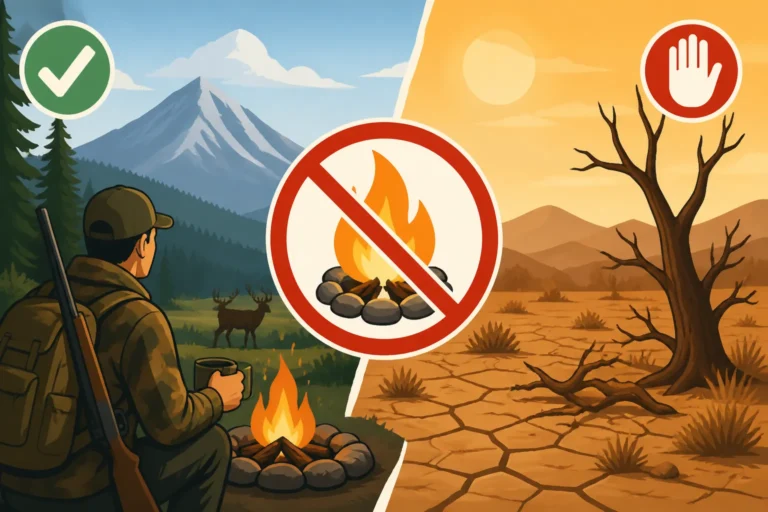
- Fire Restrictions: Given the nature of timber operations, fire is a constant concern. Expect strict rules, especially during dry seasons. Fire Season Closures on Oregon Timber Land are common and can impact or even cancel your hunt, so always check before heading out.
- No Camping/Campfires: Unless explicitly stated, assume camping and campfires are prohibited. Many permits are for day-use only.
- Reporting: Some permits might require you to check in or out, or even report harvest. This helps the company track usage and assess the success of their programs.
Always carry your permit and relevant identification with you. If approached by timber company staff or law enforcement, be courteous and cooperative. They are there to ensure compliance and safety, and demonstrating respect goes a long way.
Safety and Respect on Timber Company Lands
Safety is paramount when hunting on private timber lands. You are often sharing the landscape with logging trucks, heavy machinery, and other industrial activities. This isn't your serene national forest; it's an active work environment.
Here are key safety and respect considerations:
- Be Visible: Wear plenty of hunter orange, even if not legally required for your specific season or weapon. This is especially critical in areas with active logging or other permitted users.
- Yield to Equipment: If you encounter logging trucks, excavators, or other heavy machinery, always yield the right-of-way. Give them ample space. Their operators might not see you, and their machinery has limited maneuverability.
- Stay Clear of Operations: Never approach active logging operations. These are extremely dangerous areas. If you see active work, find another route or area to hunt.
- Leave No Trace: Pack out everything you pack in, and then some. Do not litter. Do not damage gates, signs, or company property. This behavior is crucial for maintaining relationships and ensuring access continues for others.
- Report Issues: If you notice illegal dumping, vandalism, or unauthorized access, report it to the timber company or local authorities. You are a steward of the land during your permitted access.
Being a good guest ensures that timber companies continue to see value in offering these permits to hunters. Failures in etiquette or safety can lead to the termination of programs or increased restrictions for everyone.
Maximizing Your Hunt on Permitted Property
Once you've got your permit in hand and understand the rules, it's time to focus on making your hunt a success. Private timber lands offer unique challenges and opportunities that can set them apart from public ground.
- Scouting is Critical: Just like Public Land Scouting in Oregon Before the Draw Results, scouting these permitted areas before your hunt is incredibly valuable. New clearcuts, recent plantings, and road changes can drastically alter the landscape and animal movements. Use mapping apps like GoHunt to mark old clearcuts, new growth, water sources, and potential bedding areas.
- Focus on Edge Habitat: Timber lands are a mosaic of different-aged timber. Old growth, recent clearcuts, and regenerating areas create abundant "edge" habitat that deer and elk thrive in. Areas where young growth meets mature timber, or where dense cover transitions to open feeding areas, are prime spots. This is particularly true for Hunting Clearcuts on Private Timber Land, where understanding the growth stages is key.
- Exploit Less Accessible Areas: Even with vehicle access, many hunters stick to main roads. Seek out those areas requiring a walk-in, or navigate challenging blowdown or dense regenerating timber. These less-pressured spots often hold bigger, smarter animals. Remember, the effort often correlates directly with success.
- Understand Animal Behavior: Animals on private timber, especially those with consistent timber operations, can be accustomed to human activity (logging trucks, workers) but become wary of hunters. They often adapt by moving more during low-activity times or retreating to denser cover during the day. Observe patterns and adapt your hunting style. For example, understanding Elk Behavior After a Wildfire can help you predict animal movements in a recently burned section of timber land.
Leveraging your permit means going beyond just showing up. It means treating the land with respect, prioritizing safety, and employing smart hunting tactics that account for the unique environment of private timber operations.
Comparing Timber Company Permit Characteristics
To give you a clearer picture, here's a general comparison of what you might encounter with some of Oregon's major private timber landowners. Keep in mind that specific programs, availability, and costs can change annually, so always verify directly with the company.
| Feature / Company | Weyerhaeuser (Recreation Access) | Hancock Forest Management (Campbell Global) | Small Local Timber Companies (e.g., Seneca, Giustina) |
|---|---|---|---|
| Primary Access Model | Fee-based permits, often specific units/areas, online application. | Fee-based permits, often through an online lottery or direct purchase. | Varies widely; some offer permits, some have limited access, some are closed. |
| Permit Cost Range | Varies widely, from ~$100 for general access to several hundreds for exclusive. | Similar to Weyerhaeuser, dependent on access level and duration. | Could be free, nominal, or similar to larger companies if formalized. |
| Application Period | Typically late spring/early summer for fall hunts. | Similar timeframe, often competitive for popular units. | Less formalized, may be ongoing or first-come, first-served. |
| Common Species Allowed | Deer, Elk, Bear, Cougar, Upland Birds. | Deer, Elk, Bear, Cougar, Upland Birds. | Dependent on land, usually same as general area. |
| Vehicle Access | Often restricted to main roads; gated access with combinations. | Similar restrictions, focus on maintaining roads. | Can be more restrictive, sometimes walk-in only on smaller parcels. |
| Availability | Limited spots, competitive for prime areas. | Can be very competitive; lottery often for highly sought-after units. | Hit or miss; requires local knowledge and direct contact. |
| Key Restrictions | No camping, strict fire rules, specific entry/exit, no off-roading. | Same as Weyerhaeuser, emphasis on gate security and safety. | Often very strict, reflecting smaller operations and less staff oversight. |
This table illustrates that while the large players like Weyerhaeuser and Hancock have more formalized, structured permit systems, smaller companies might require more direct effort to identify and secure access. Regardless, the common thread is that access is controlled and comes with responsibilities.
Disclaimer
The information provided in this guide is for general informational purposes only and is subject to change. Hunting regulations, permit requirements, and access policies for private timber lands in Oregon can be updated frequently by landowners and state agencies. Always consult the most current Oregon Department of Fish and Wildlife (ODFW) regulations and directly confirm permit details with specific timber companies before planning any hunt. Hunting carries inherent risks, and it is the responsibility of each hunter to prioritize safety, obey all laws, and obtain all necessary licenses and permits.