Semi-Guided Hunts and What They Mean
Many Oregon hunters find themselves at a crossroads: you're past the beginner stage where a full-service guide seems like the only option, but you're not quite ready or equipped for a totally do-it-yourself backcountry epic, especially in a new unit or for a new species. The cost of a fully guided hunt can be a significant barrier, but the thought of going in completely blind can be daunting. This guide is for those who crave independence but still value expert insight and logistical support, exploring what "semi-guided" really means in the context of Oregon hunting.
What Exactly is a Semi-Guided Hunt?
A semi-guided hunt isn't a one-size-fits-all package; it's a flexible middle ground designed for hunters who want more autonomy than a fully guided trip but appreciate a solid foundation of support. It's about empowering you to make the stalk, call the shot, and execute the hunt, while the outfitter handles some of the heavy lifting behind the scenes. Think of it as having a knowledgeable local friend helping you get set up for success, but then stepping back to let you pursue your quarry on your own terms.
The Spectrum of Support: Beyond DIY and Fully Guided
To truly understand a semi-guided hunt, it helps to visualize the entire spectrum of hunting experiences. On one end, you have the pure do-it-yourself (DIY) hunter. This is someone who handles every single aspect: scouting, planning travel, acquiring tags, setting up camp, navigating the terrain, making all hunting decisions, packing out the animal, and processing the meat. It's incredibly rewarding but demands extensive knowledge, experience, time, and physical prowess.
On the other end is the fully guided hunt. Here, an outfitter provides comprehensive services, often including lodging, meals, transportation in the field, active guiding (meaning the guide is with you, calling, spotting, or directing every step), game recovery, and sometimes even initial field dressing. This is ideal for beginners, those seeking a trophy, or hunters with limited time who want to maximize their chances with a local expert. The guide becomes an active partner in every phase of the hunt.
A semi-guided hunt slots in between these two extremes. It’s less hands-on than a full guide but offers significantly more structure than a DIY trip. You're still calling the shots and doing the actual hunting, but the outfitter has provided the framework for your success. This often means they’ve secured access to prime hunting grounds, set up a comfortable camp, and provided crucial intelligence on where the game is moving.
Key Elements and Inclusions
What you can expect from a semi-guided hunt in Oregon will vary from outfitter to outfitter, but there are some common elements. Typically, you'll find that these services focus on providing "the essentials" without holding your hand through the entire process.
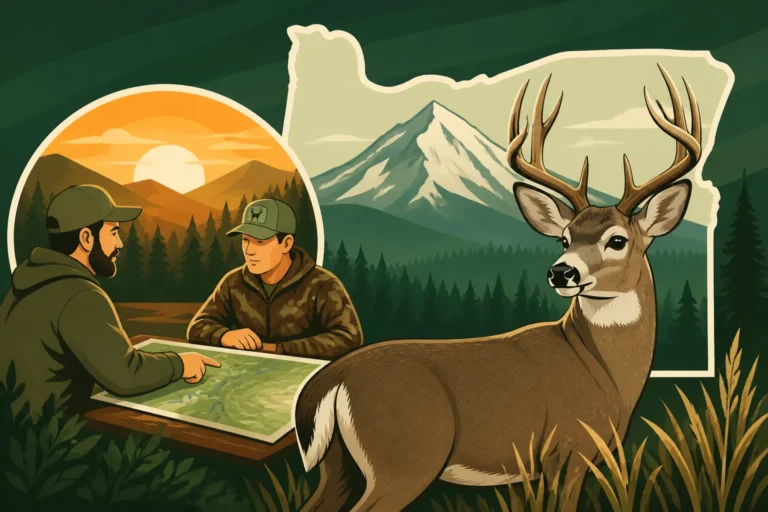
First and foremost, a common inclusion is pre-scouted areas and intelligence. The outfitter will have spent time in the unit, likely using methods like E-Scouting Oregon Units With Satellite Imagery or on-the-ground recon, to identify current game patterns, bedding areas, feeding zones, and travel corridors. They'll share this invaluable information with you before you even step into the field, saving you days, if not weeks, of your own scouting effort. They might provide detailed maps, GPS waypoints, or simply verbal directions to productive spots.
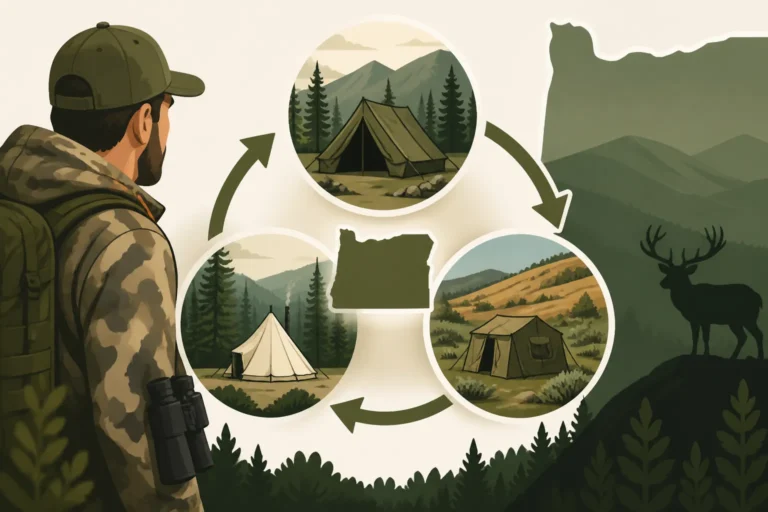
Another significant benefit is camp logistics. This could range from a designated campsite with a water source and firewood, to a fully set-up wall tent camp complete with cots and a stove, or even a basic cabin. Some outfitters also provide pack-in and pack-out services, especially if you're hunting in roadless or wilderness areas where getting an animal out can be a monumental task. This means they might use horses or llamas to get your gear into a spike camp and, crucially, to haul your harvested game out. This alone can be a game-changer for many hunters.
What's generally not included is the active guiding. You won't have a guide walking with you, telling you when to shoot, or calling animals for you. You are responsible for your own hunting strategy, stalk, and shot placement. While the outfitter might assist with game recovery if you make a kill (especially if you're using their pack services), the initial blood trailing and finding of the animal usually falls to you. Meals might or might not be included; sometimes it's a basic camp kitchen where you cook your own food, other times it's a hot breakfast and dinner, with you packing your own lunch. Always clarify these details before booking.
Why Choose a Semi-Guided Hunt in Oregon?
Oregon offers such diverse hunting opportunities, from the dense coastal rainforests for Roosevelt elk and blacktail deer to the high desert sagebrush for mule deer and pronghorn. Navigating these varied landscapes and understanding the local game behavior can be overwhelming for those not intimately familiar with a specific unit. This is where the value of a semi-guided hunt truly shines, providing crucial advantages that can make the difference between a frustrating trip and a successful one.
Bridging the Skill and Knowledge Gap
Let's face it, hunting in Oregon, especially for a sought-after species like elk or a tricky one like cougar, often requires a deep understanding of the terrain, animal behavior, and even the local regulations. Perhaps you're an experienced deer hunter from another state, but you've never pursued Roosevelt elk in thick timber, or maybe you're new to the challenging Oregon Controlled Hunt Draw Explained system and landed a tag in an unfamiliar eastern Oregon unit.
A semi-guided hunt can be the perfect bridge. You possess the fundamental hunting skills—you know how to shoot, how to be quiet in the woods, how to read sign—but you might lack the specific local knowledge that takes years to acquire. An outfitter can give you a concentrated dose of that knowledge, pointing you to areas that consistently hold game, explaining typical travel routes, or even advising on appropriate tactics for the specific habitat. For example, if you're hunting blacktail deer, they might show you which Reading a Two-Year-Old Clearcut for Bucks offers the best cover and forage. This allows you to leverage your existing skills in an unfamiliar environment, greatly increasing your confidence and chances of success without the full financial commitment of a one-on-one guide.
Balancing Independence with Expert Support
Many hunters cherish the independence of the hunt. There's a profound satisfaction in navigating the wilderness, making your own decisions, and ultimately, putting an animal down through your own effort and skill. A fully guided hunt, while often effective, can sometimes feel like their hunt, with you as the shooter. The beauty of a semi-guided experience is that it preserves that sense of personal accomplishment.
You still get to plan your daily strategy, choose your stand, execute your stalk, and call your own shot. However, you do so with the peace of mind that comes from knowing you're in a productive area that has been recently scouted. You're not blindly wandering; you're operating within a framework of proven intelligence. This balance is particularly appealing for hunters who want to feel truly immersed in the hunt, test their own abilities, but also appreciate a safety net. Furthermore, some semi-guided operations offer access to private land, which can be invaluable in areas where public pressure is high or access is difficult, offering opportunities you simply couldn't find on your own. Hunting Private Timber Land With a Permit or Asking Permission on Oregon By-Permission Land can be complex, and outfitters often have these relationships established.
Cost-Effectiveness Compared to Fully Guided
Let's talk brass tacks: money. Fully guided hunts, especially for prime species like elk, can be a significant investment. While totally worth it for many, it's not feasible for everyone, every year. A semi-guided hunt often comes at a fraction of the cost, making it a much more accessible option for a wider range of hunters.
The reason for the lower cost is simple: less direct labor from the outfitter. They aren't spending every waking moment with you in the field. They invest time in scouting and camp setup, but their daily presence isn't required. This reduction in overhead translates directly into savings for you. When you compare the Cost of a Guided Oregon Elk Hunt to the typical price of a semi-guided trip, the difference can be substantial. For many hunters, this makes the difference between going on a significant hunt or staying home. It allows you to tap into professional expertise and logistics without breaking the bank, providing an excellent value proposition for those who are budget-conscious but still serious about their hunting experience.
What to Expect: Realities of a Semi-Guided Experience
Embarking on a semi-guided hunt means entering a partnership where clear communication and realistic expectations are paramount. It's not just about what the outfitter provides, but also about what you, as the hunter, bring to the table in terms of preparation and self-reliance. Understanding the typical flow of information and services can help you make the most of your adventure.
Pre-Hunt Communication and Information Sharing
The quality of your pre-hunt communication with a semi-guided outfitter can often be a strong indicator of the overall experience. A reputable outfitter will be proactive and transparent, providing a wealth of information long before you arrive at camp. Expect detailed discussions about the specific unit you'll be hunting, including typical weather patterns, the general lay of the land, and the kinds of game you can expect to encounter. They should be able to articulate the current conditions – whether the game is still high in the mountains or starting to move down, what recent sign they've observed, and what tactics have been most successful.
You should receive clear instructions on what gear to bring, from Rain Gear That Actually Stays Dry to appropriate footwear for the terrain. They might share maps with potential hunting areas highlighted, or provide GPS coordinates for trailheads and key features. Don't be shy about asking questions about previous seasons' success rates, the hunter-to-staff ratio, and what happens in case of an emergency. This open dialogue ensures you arrive feeling prepared and confident, rather than walking in blind. A good outfitter wants you to succeed and will give you all the tools (short of physically guiding you) to make that happen.
Camp Logistics and On-Site Amenities
Once you arrive at the designated meeting point, the camp setup will be your home base for the duration of the hunt. The type of camp can vary widely depending on the outfitter and the remoteness of the hunt. In more accessible areas, you might find comfortable wall tents with wood stoves, cots, and even basic cooking facilities. For more remote or wilderness hunts, a spike camp might be established, which could be a lighter tent setup or even just a pre-selected campsite where you pitch your own tent. Some outfitters, particularly those focusing on Multi-Day Camps in Oregon's Roadless Country, might offer rudimentary cabin lodging or even a base camp with more amenities.
Crucially, understand what’s provided versus what you need to supply. Will there be potable water, or do you need to bring your own filtration system? Are cooking supplies and fuel included, or are you responsible for your own camp kitchen? What about sleeping bags, pillows, and personal hygiene items? For example, some outfitters provide group coolers for shared food, while others expect you to bring your own Coolers, Ice and the Drive Home From Eastern Oregon. Clarifying these details in advance prevents unwelcome surprises and ensures you pack appropriately, knowing what luxuries you can expect and where you’ll need to be fully self-sufficient.
Field Strategy and Outfitter's Role
The outfitter's role in the field is primarily advisory and logistical, not active guiding. Before you head out each day, the outfitter or a designated camp manager will typically provide morning briefings. They'll review maps with you, point out areas of recent game activity, suggest specific draws or ridge lines to focus on, and offer tactical advice based on current conditions and your hunting style. They might suggest ideal routes to Glassing Eastern Oregon Rimrock for Mule Deer or which Reading Clearcut Edges for Blacktail Bucks are most productive. This daily intel is invaluable, effectively giving you a "warm start" each morning rather than having to figure it all out from scratch.
However, once you leave camp, you are generally on your own. You'll navigate, stalk, and make the shot independently. Should you harvest an animal, the outfitter's role typically shifts to assistance with game recovery and packing. This is often where a semi-guided hunt truly earns its keep. Packing out a mature bull elk from rugged Oregon terrain, especially if you're alone or with limited help, can be an exhausting and potentially dangerous endeavor. Knowing that there's a team ready to assist with Quartering and Packing an Elk Alone or using pack stock to get the meat back to camp provides immense relief. Always confirm the exact extent of game recovery services beforehand, including whether they assist with Field Dressing an Elk in Warm Early-Season Weather and whether there's a time limit for assistance.
| Feature | DIY Hunt | Semi-Guided Hunt | Fully Guided Hunt |
|---|---|---|---|
| Outfitter Presence | None | Advisory/Logistical, limited field | Constant in-field, active |
| Cost (Shape) | Lowest (tags, gear, travel) | Moderate (outfitter fees, tags, gear) | Highest (all-inclusive outfitter fees) |
| Camp/Lodging | Hunter provides all | Outfitter provides basic to good camp | Outfitter provides full lodging & amenities |
| Meals | Hunter provides all | Hunter responsible or partial provided | Outfitter provides all meals |
| Pre-Hunt Intel | Hunter does all scouting | Outfitter provides pre-scouted areas | Outfitter has extensive knowledge & plans |
| Field Decisions | Hunter makes all | Hunter makes all on their own | Guide often directs decisions |
| Game Recovery | Hunter responsible for all | Outfitter assists, may provide stock | Outfitter handles or heavily assists |
| Experience Level | Experienced, self-reliant | Some experience, adaptable | Beginner to experienced, trophy-focused |
The Ideal Candidate for a Semi-Guided Hunt
Not every hunter is suited for a semi-guided experience. It requires a particular blend of skills, a mindset of independence, and a clear understanding of what you're signing up for. Knowing if you fit this profile can save you from a mismatch and ensure a more satisfying hunt.
Hunters with Solid Self-Sufficiency
The core requirement for a successful semi-guided hunt is a high degree of self-sufficiency. While the outfitter provides the foundation, you are the one who executes the hunt. This means you must be comfortable with navigation, capable of making crucial decisions in the field, and skilled enough to ethically harvest and locate your animal. You'll be spending long hours alone or with your hunting partners, far from immediate assistance.
This means you need to possess strong woodsmanship skills. Can you read a map and compass or confidently use a GPS device like an onX Hunt app to stay on track and find the spots the outfitter recommended? Are you proficient in Blood Trailing in Oregon Rainforest Understory or in open country? Can you identify fresh sign, interpret animal behavior, and develop a sound stalking plan? Physical fitness is also non-negotiable, especially in Oregon's often rugged terrain. Whether you're chasing Roosevelt elk through steep, wet timber or climbing rimrock for mule deer, you need to be in good enough shape to cover ground, pack a heavy daypack, and potentially pack out an animal. The outfitter points you in the right direction, but you have to get there and make it happen.
Those Seeking Specific Access or Expertise
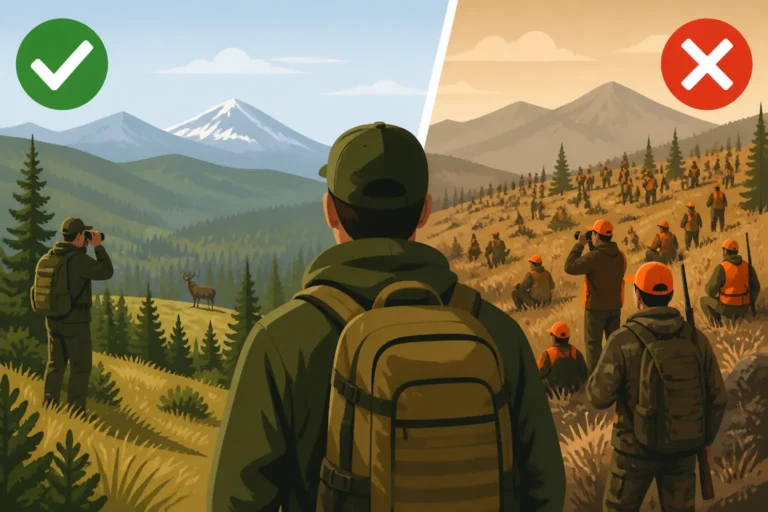
Another significant draw for semi-guided hunts is the access they can provide. Many outfitters have established relationships with private landowners, allowing them exclusive access to prime hunting grounds that would otherwise be off-limits to public land hunters. This can be a huge advantage, especially in areas with high public hunting pressure or limited public access points. Imagine having thousands of acres of timberland or sagebrush to yourself, knowing that it's been managed for game and recently scouted. This type of access can drastically improve your chances, particularly for species that thrive on private ground.
Beyond access, you might be looking for a specialized type of expertise. Perhaps you're keen to try Calling Roosevelt Elk in Oregon Rainforest Timber but aren't confident in your calling abilities or understanding of local elk vocalizations. While a semi-guided outfitter won't call for you, they can provide invaluable strategic advice, tell you when and where certain calls are most effective, and share their intimate knowledge of the area's particular challenges. They might specialize in a certain species, like Oregon Black Bears in the Coast Range and Cascades or Oregon Pronghorn on the High Desert, and their expertise, even when delivered in an advisory capacity, gives you a significant edge. You're essentially paying for their accumulated knowledge and the "head start" it provides, allowing you to focus your efforts on the most promising areas.
Finding and Vetting a Semi-Guided Outfitter in Oregon
Choosing the right semi-guided outfitter is critical to a successful and enjoyable hunt. Just as you wouldn't blindly pick a unit for your Oregon Elk Hunting Tactics for the November Rifle Seasons, you shouldn't blindly pick an outfitter. A little due diligence upfront can save you a lot of disappointment and expense down the road.
Researching Outfitters and Their Offerings
Start your research broad, casting a wide net to see what's available. The internet is your friend here. Look for outfitters specifically advertising semi-guided services in Oregon for the species and units you're interested in. Websites like BookYourHunt are excellent resources, as they often aggregate listings from various outfitters, allowing you to compare services, locations, and pricing structures in one place. You can filter by species, region, and type of hunt (including semi-guided), giving you a solid starting point. Online hunting forums specific to Oregon can also be a goldmine of firsthand accounts and recommendations, both good and bad.
Pay close attention to what each outfitter explicitly includes in their semi-guided packages. Some might offer a basic camp with a map, while others might provide spike camps with pack-in/pack-out services. Also, consider the specific units they operate in. Are they well-known for the species you're pursuing? Do they have a good reputation for managing their areas or working with landowners? Websites like GoHunt also offer detailed information on units, draw odds, and often feature outfitter directories, which can help you cross-reference an outfitter's claims with public data on game populations and success rates. Look for consistency in their offerings and clear communication about what's covered.
Key Questions to Ask Before Booking
Once you've narrowed down your choices, it's time to pick up the phone and have a detailed conversation. This is your opportunity to clarify everything and get a feel for the outfitter's professionalism and suitability for your needs. Here are some critical questions to ask:
- What exactly is included in the semi-guided fee? Get a precise list: camp type, meals (if any), pre-hunt scouting reports, maps, game recovery assistance, pack services, transportation to/from hunting areas, etc.
- What is the hunter-to-staff ratio for semi-guided hunts? This can impact the level of daily intel and logistical support you receive.
- What specific areas will I be hunting? Ask about public vs. private land access, and if it's private, confirm their permission.
- What are the realistic success rates for semi-guided hunters in this unit and for this species? Be wary of inflated numbers. Ask about "opportunity rates" (seeing game) versus "harvest rates" (killing game).
- What equipment do you recommend I bring? Get a comprehensive gear list.
- What happens if I harvest an animal? Detail the game recovery process: who's responsible for finding it, field dressing, quartering, and packing. What are the limits on distance or time?
- What is your policy on emergencies or injuries in the field? This is crucial for your safety.
- Can you provide references from recent semi-guided clients? A reputable outfitter will gladly provide these. Make sure to call them and ask pointed questions about their actual experience.
Understanding Contracts and Expectations
Never book a semi-guided hunt without a clear, written contract. This document is your protection and outlines the responsibilities of both parties. Read it thoroughly before signing and don't hesitate to ask for clarification on any ambiguous clauses.
The contract should explicitly detail the hunt dates, the specific services and inclusions you discussed, the total cost, payment schedule, and deposit requirements. Pay close attention to the cancellation policy: what happens if you need to cancel, or if the outfitter has to cancel (due to unforeseen circumstances like wildfires or access issues)? Are deposits refundable or transferable? Understand any "trophy fees" if they apply, though these are less common in semi-guided setups. Clarify who is responsible for providing licenses and tags; typically, you are, and it’s wise to understand Oregon Big Game Tag Costs for Residents and Nonresidents well in advance. Finally, ensure the contract specifies exactly what kind of game recovery assistance is provided if you are successful. This mutual understanding, solidified in a written agreement, is the bedrock of a successful semi-guided hunt, minimizing misunderstandings and ensuring everyone is on the same page.
Disclaimer
This article is for general informational purposes only and does not constitute professional advice. Laws, prices and regulations vary by location and change over time. Consult a qualified professional for guidance on your specific situation.