Keeping a Bowstring Dry in Coastal Rain
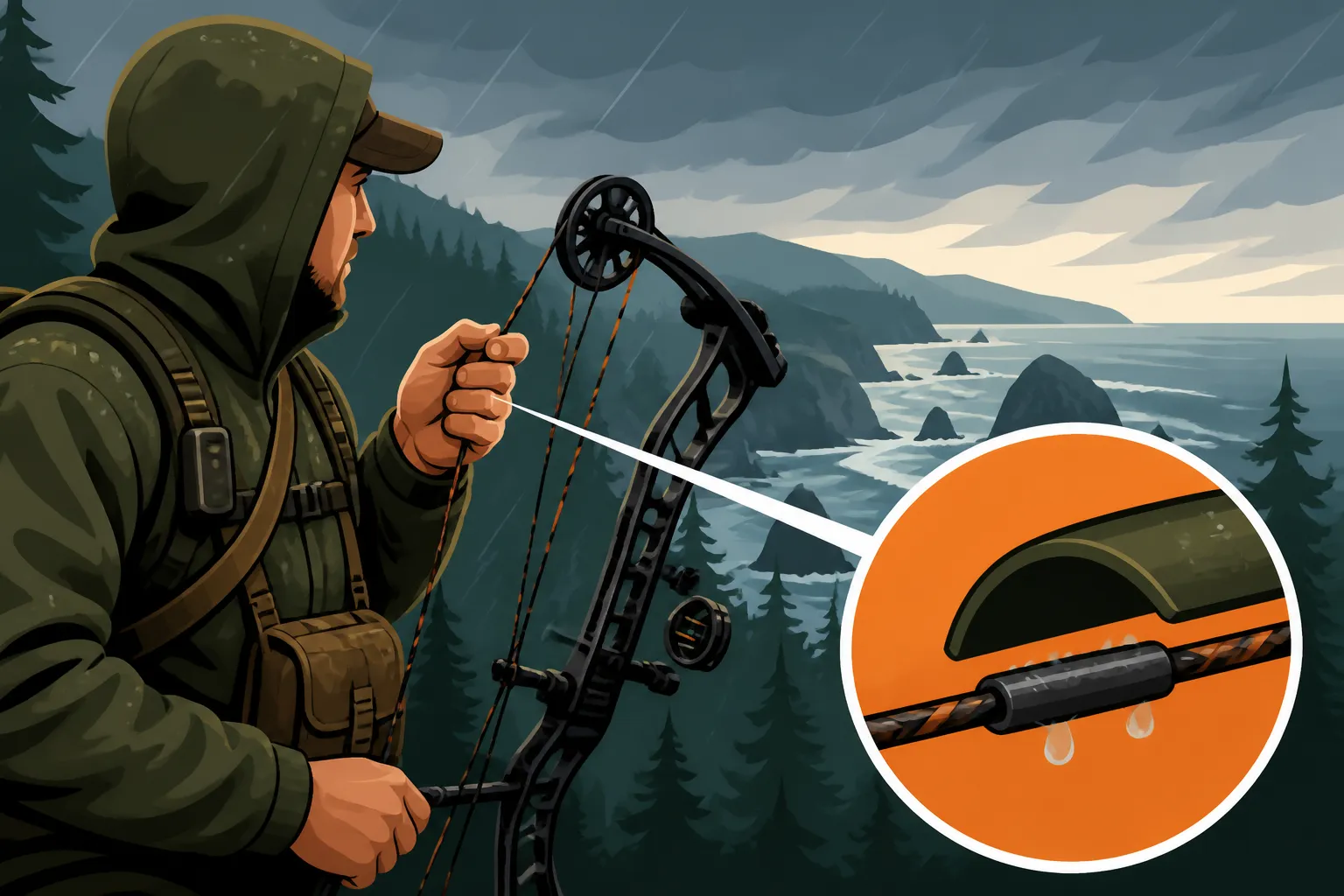
Few things can douse the fire of an Oregon archery hunt faster than a relentless coastal downpour. You've spent countless hours practicing, scouting that elusive Roosevelt bull or a cagey blacktail, and invested in top-notch gear, only to have your precision threatened by a simple, unavoidable element: rain. A wet bowstring isn't just an inconvenience; it can subtly yet significantly throw off your shot, risking a missed opportunity or, worse, a wounded animal. This guide is dedicated to helping you understand how rain affects your bowstring and, more importantly, providing practical, field-tested strategies to keep it dry and performing flawlessly, even when Oregon's weather decides to open the floodgates.
Why a Soaked Bowstring Spells Trouble for Archery Hunters
Imagine patiently still-hunting through a thick patch of sword fern and salal in the Coast Range, closing the distance on a mature bull elk. The rain has been coming down steadily all morning, clinging to every branch and leaf, and your bowstring has been exposed for hours. When the moment of truth arrives and you draw back, everything feels…different. That subtle difference is often the result of a waterlogged string, and it can be profoundly frustrating when you know your equipment should perform.
The Subtle Impact on Accuracy and Performance
First and foremost, a wet bowstring can drastically affect your shot accuracy. When bowstring fibers absorb moisture, they swell, which can cause the string to stretch ever so slightly. Even a microscopic change in string length can alter your brace height and tiller, leading to significant changes in your point of impact downrange. That perfectly tuned arrow that grouped tight on a sunny day at the range might suddenly be hitting low or left when wet. This isn't a problem that fixes itself with a quick shake; the fibers absorb water deep within the twist, leading to sustained changes.
Another common issue is peep sight rotation. Many archers rely on a perfectly aligned peep sight for consistent aiming. However, when the string gets wet and stretches, the serving threads can shift, causing your peep sight to rotate out of position. You might draw back, find your anchor point, and realize your peep is twisted, forcing you to adjust or, in a high-pressure hunting scenario, take a rushed and inaccurate shot. This can be a deal-breaker on an Archery Elk Hunting Oregon's August and September Seasons or a late-season deer hunt.
Velocity can also take a hit. A wet string, even with modern materials, carries more mass than a dry one. While the change might seem negligible, in precision archery, every grain matters. This added weight can slightly reduce arrow speed, causing your arrow to drop more over distance, further compounding accuracy issues, especially at longer ranges common in eastern Oregon's more open country.
Bowstring Integrity and Longevity Concerns
Beyond immediate performance, persistent exposure to moisture can compromise the long-term health of your bowstring. Water, especially when combined with dirt and debris from the field, can accelerate wear and tear on the string fibers. Over time, this leads to fraying, especially in the serving areas where the string is under constant friction from the cams and rest. Frayed strings are not only a performance liability but also a safety hazard; a catastrophic string failure at full draw can cause serious injury to the shooter and damage to the bow.
The continuous cycle of wetting and drying, swelling and contracting, can also weaken the bond of the string's construction. This is particularly true for older strings or those made from less resilient materials. Modern bowstrings, often made from high-performance synthetic fibers like Dyneema or Vectran, are far more stable and resistant to moisture absorption than their predecessors. However, even these advanced materials benefit greatly from proper care and waterproofing, especially when facing the consistent dampness of hunting Roosevelt Elk in Western Oregon or Columbian Blacktail Deer of Western Oregon. Ignoring this can mean replacing your string more frequently, which is both costly and time-consuming.
Proactive Measures: Preparing Your Bowstring for the Deluge
The best defense against a wet bowstring is a good offense. Before you even step foot into the drizzly timber or mist-shrouded clearcuts, there are several crucial steps you can take to waterproof your string and minimize the impact of Oregon's often unpredictable weather.
Choosing the Right String Material and Regular Waxing
The foundation of a water-resistant bowstring starts with its material. If you're serious about hunting in wet conditions, make sure your bow is equipped with a string made from high-modulus, low-stretch synthetic fibers. Brands like BCY and Vapor Trail offer excellent options designed for stability and minimal water absorption. These modern materials are far less prone to stretching and swelling than older Dacron or Fast Flight strings. When considering your Archery Setup for Wet Oregon Timber, prioritize a quality string.
Once you have a good string, regular waxing is your absolute best friend. Think of bowstring wax as the rain gear for your string; it creates a protective barrier that repels water. Don't skimp on this step.
Here's a detailed approach:
- Clean the string: Before applying new wax, gently wipe down the entire length of your string with a clean, lint-free cloth to remove any dirt or old, caked-on wax.
- Apply wax generously: Take a stick of quality bowstring wax (many hunters swear by brands like Bohning or String Snot) and run it along all exposed strands of the bowstring and serving. Apply enough so you can see a visible, white coating. Don't forget the loops and areas under your nocking points.
- Work it in: This is the critical step. Use firm pressure from your thumb and forefinger to rub the wax vigorously into the string. The friction generated by rubbing will warm the wax, allowing it to penetrate deep into the individual fibers. You'll see the white wax disappear as it's absorbed, leaving a slightly darker, polished look. Make sure to work all the way around the string.
- Remove excess: Once the wax is worked in, use a clean cloth or a piece of leather to firmly wipe off any excess wax that remains on the surface. Too much surface wax can actually attract dirt and debris.
How often should you wax? For hunting in Oregon's coastal rain, I'd recommend waxing your string thoroughly before each major hunt, and then a lighter application every few days if you're out in continuous wet weather. It's a small investment of time that pays huge dividends in performance and peace of mind.
Bow Covers and Waterproofing Sprays
While waxing is essential, sometimes you need an extra layer of protection. This is where bow covers and specialized waterproofing sprays come into play.
- Neoprene Bow Covers: These stretchy, form-fitting covers slip over your bow's cams and string, providing an excellent barrier against rain and mud. They are particularly useful when hiking in or out, or when you're taking a break in a damp area. Look for models that are easy to put on and take off quietly. They might not be ideal for active stalking if you need to be ready to shoot instantly, but they're perfect for transportation and periods of waiting.
- Waterproofing Sprays: Products like silicone sprays or fabric protectants (think Scotchgard, but look for bow-specific formulas if possible to avoid any material degradation) can be applied to the string, especially the serving and peep sight area, for an added layer of water repellency. Always test on an inconspicuous area first to ensure compatibility, though modern string materials are quite resilient. These sprays create a hydrophobic layer that forces water to bead up and run off, rather than soak in. Reapply as directed on the product, often after heavy exposure to moisture.
Don't forget the rest of your equipment. A good quality, waterproof bow case will protect your bow during transport. When packing your hunting pack, consider placing your bow in a waterproof stuff sack or using a rain cover for your pack itself to prevent water from wicking into your gear, including your spare string or tools.
In the Field: Managing Moisture During the Hunt
Once you're out in the wilderness, amidst the coastal mist or a full-blown downpour, proactive measures transform into active management. It's about being prepared, staying vigilant, and making smart choices that keep your bowstring dry and ready for action.
Protecting Your String While Stalking and Waiting
Oregon's coastal timber is dense, wet, and often requires slow, deliberate movement. When you're Still-Hunting Blacktails in Wet Oregon Coastal Brush, your bowstring is constantly brushing against wet vegetation.
- Bow Position: Develop a habit of carrying your bow in a way that minimizes string exposure. Often, holding the bow slightly canted or with the string facing your body can shield it from the worst of the rain. When moving through heavy brush, try to keep the string side away from the wettest leaves and branches.
- Temporary Covers: A simple, lightweight, quiet bow sleeve or even a large plastic bag can be invaluable. If you anticipate a long period of stalking without immediate shooting opportunities, or if you're taking a break, quickly slip one of these over your string and cams. You can even use a small, quiet, waterproof stuff sack to cover just the string and peep area while on the move. The key is that it needs to be removable silently and quickly when the moment arises.
- Utilize Natural Shelter: When waiting on a stand or still-hunting through timber, always be mindful of natural cover. Tucking yourself under a thick fir tree or behind a large moss-covered stump can offer surprising protection from direct rainfall. Pay attention to how the wind is driving the rain and position yourself accordingly.
- Quick Wipes: Carry a small, super-absorbent microfiber cloth or even a few squares of paper towel in a waterproof pouch. Every time you stop or pause, take a moment to quickly wipe down your string and cams. Focus on the peep sight area and where the string contacts your arrow rest. Removing surface moisture before it can soak in is crucial.
Checking Your Peep and String Consistency
Despite your best efforts, some moisture is inevitable. The moment you draw your bow, it's paramount to do a quick visual and tactile check.
- Peep Sight Alignment: Before you even think about aiming, verify your peep sight is perfectly aligned. If it's twisted, a slight finger adjustment can sometimes fix it, but this is why a well-waxed string with tight servings is so important. If it's consistently twisting, you might need to re-serve or re-tie it after the hunt. GoHunt's detailed weather overlays can sometimes give you a heads-up on incoming weather, allowing you to double-check your setup before conditions worsen significantly.
- String Feel: Pay attention to how the string feels on your fingers. Does it feel "sticky" or "gritty"? Is there any noticeable slack? These subtle cues can indicate moisture absorption or accumulating debris.
- Arrow Rest and Nocking Point: Ensure your arrow is nocked securely and that your arrow rest isn't compromised by water. Water can sometimes affect adhesives or even the functioning of drop-away rests if it gets into the mechanisms.
Remember, consistency is king in archery. The more variables you can eliminate, the better your chances of making a clean, ethical shot. When you're glassing for deer in a Blacktail Deer Hunting in Oregon's Coastal Clearcuts, being confident in your equipment's performance, even in challenging weather, is invaluable.
After the Hunt: Essential Post-Rain Bowstring Care
Your hunt might be over, but the work of protecting your bowstring isn't. Proper care immediately after exposure to wet conditions is just as important as preparation. Ignoring it can lead to accelerated wear, corrosion of components, and a host of issues for your next outing.
Thorough Drying and Inspection
As soon as you get back to camp or home, the first order of business is to thoroughly dry your bowstring and the entire bow.
- Air Dry, Don't Heat Dry: Resist the urge to use direct heat sources like a campfire, stove, or hairdryer. Excessive heat can damage string fibers, cause serving to shrink unevenly, or even warp cam modules. Instead, find a well-ventilated, dry area. If you're in a wall tent, hanging it near the stove without direct contact can work, allowing ambient heat to aid drying. Otherwise, hang it indoors where air can circulate freely around it. If you're on a multi-day trip deep in the wilderness, like those described in Multi-Day Camps in Oregon's Roadless Country, finding a way to get your bow out of the damp night air is paramount.
- Wipe Down All Components: Use a clean, dry cloth to wipe down not just the string, but also the cams, limbs, riser, and any accessories. Pay special attention to axle points, cam grooves, and any areas where water might pool. This prevents corrosion and helps remove any grit or mud.
- Inspect for Damage: Once dry, give your entire string a meticulous inspection. Look for:
- Fraying: Are any individual strands fuzzy or broken, especially near the cams, peep sight, or serving ends?
- Serving Separation: Is the serving (the protective wrapping around the main string) beginning to unravel or separate, particularly at the nocking point or peep sight? This is a sign it needs attention.
- Color Changes: While some waxes can make the string appear darker, look for any unusual discoloration that might indicate mildew or degradation.
- Peep Position: Is your peep sight still perfectly aligned and secure?
Even if your string seems fine, a thorough inspection helps you catch small issues before they become major problems.
Re-waxing and Proper Storage
After inspection and confirming no significant damage, it's time to re-wax.
- Reapply Wax: Even if you waxed before the hunt, heavy rain can strip some of that protective layer. Reapply wax using the technique described earlier: generous application, thorough rubbing in with friction, and wiping off excess. This replenishes the waterproofing and conditions the string.
- Lubricate Moving Parts: While you're at it, lightly lubricate any moving parts on your bow, such as cam axles (check your bow manufacturer's recommendations for type of lubricant), and your arrow rest mechanisms, to ensure smooth operation and prevent rust.
- Climate-Controlled Storage: When not in use, store your bow in a stable, climate-controlled environment. Avoid extreme temperature fluctuations or high humidity. A dedicated bow cabinet, a hard case, or even just hanging it in a closet indoors is far better than leaving it in a cold, damp garage or shed. Keeping your gear in good condition ensures it's ready when Oregon Archery Season Dates for Deer and Elk roll around again.
By consistently following these post-hunt steps, you not only extend the life of your bowstring but also maintain the high level of performance and reliability you depend on in the field. Don't let a little rain ruin your hunt; with proper preparation and care, your bowstring will be ready for whatever Oregon throws at it. You can even use resources like GoHunt to scout areas with more significant timber cover or to get a better sense of precipitation forecasts to help plan your string care schedule.
Here's a quick comparison of popular bowstring wax types and their properties:
| Wax Type | Key Ingredients | Application Method | Primary Benefits | Notes |
|---|---|---|---|---|
| Traditional Stick Wax | Beeswax, Silicone, Petroleum Jelly | Rub on, rub in with fingers | Good all-around protection, readily available | Can be sticky, may attract dust if excess not removed |
| Synthetic Wax (Gel/Paste) | Synthetic polymers, silicone, sometimes PTFE | Rub on, rub in firmly with fingers/cloth | Excellent water repellency, less sticky, smoother | Often more expensive, can be harder to find locally |
| Liquid/Spray Wax | Silicone, other hydrophobic agents | Spray on, wipe gently | Quick application, good for a quick refresh | Less penetration than solid waxes, reapply more often |
Remember, consistency in application is more important than the specific brand. A good quality wax applied regularly will always outperform an expensive wax applied haphazardly. Using tools like the GoHunt app can even help you track historical weather patterns for your favorite hunting units, giving you an idea of how much waterproofing you'll generally need. For more detailed information on tracking in various conditions, you might find articles like Blood Trailing in Sword Fern and Salal particularly useful, as wet conditions often complicate trailing.
Disclaimer
Hunting is an inherently dangerous activity. The information provided in this article is for educational purposes only and is not a substitute for proper training, experience, and adherence to all local, state, and federal hunting regulations. Always prioritize safety, understand your equipment, and practice ethical hunting practices. Always consult the most current Oregon Department of Fish and Wildlife (ODFW) regulations before any hunting activity.