Why Oregon Cougar Hunters Cannot Use Hounds
It can feel incredibly frustrating to be an ethical hunter in Oregon, ready to pursue cougars, only to hit a wall when you realize that using hounds – a traditional and highly effective method in many places – is simply not an option here. This guide is here to unravel the history behind Oregon's unique stance on cougar hunting with dogs, delve into what that means for hunters like us, and most importantly, equip you with the knowledge and strategies to successfully hunt these elusive predators without ever needing a leash.
The Road to the Ban: Understanding Oregon's Hound Hunting Prohibition
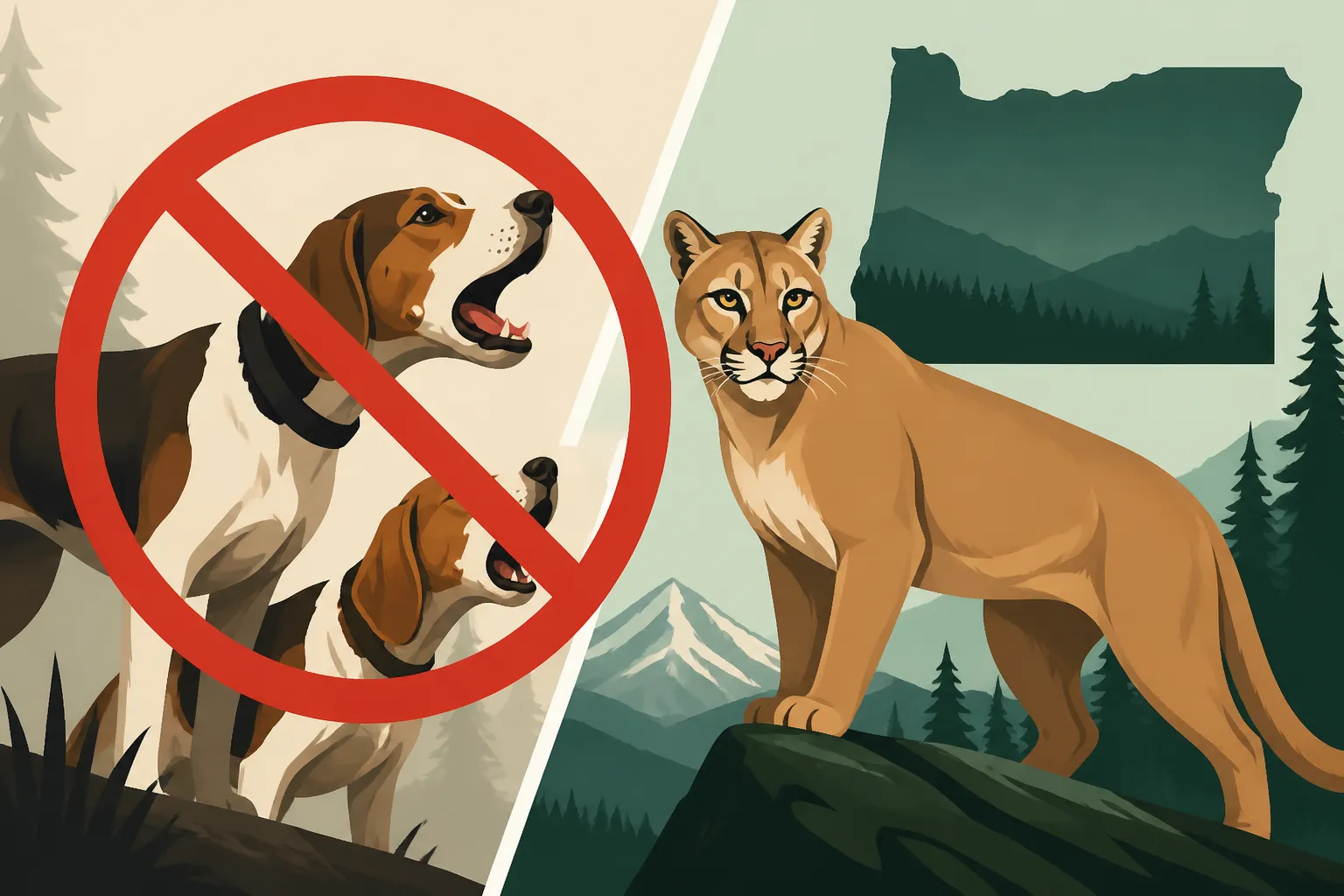
Oregon’s approach to cougar hunting stands out in many ways, primarily because of a statewide ban on using dogs. This wasn't some minor regulatory tweak; it was a significant shift brought about by direct public vote, fundamentally changing the landscape for anyone pursuing these enigmatic big cats. Understanding the history helps make sense of the current situation.
A Look Back at Measure 18: The Public's Decision
Back in 1994, Oregon voters passed Measure 18, an initiative petition that banned hunting black bears and cougars with hounds, as well as prohibiting the use of bait for bears. This wasn't just a simple vote; it was a deeply contested issue that polarized hunters and non-hunters alike across the state. The measure's passage reflected a broader societal shift in how wildlife management and hunting practices were viewed by the general public. For many hunters who had grown up with dogs as an integral part of their tradition, the decision felt like a direct attack on their heritage and a misunderstanding of how effective hound hunting truly was for species management.
The campaign leading up to Measure 18 was intense, with passionate arguments from both sides. Proponents argued for a "fair chase" ethic, suggesting that hunting with hounds gave an unfair advantage and was inhumane. Opponents, primarily hunters and wildlife managers, countered that hound hunting was a necessary tool for managing cougar populations, especially given the cats' elusive nature, and that it was often the most efficient way to selectively harvest animals without undue stress. Regardless of the arguments, the ballot measure passed, and with it, the era of hunting cougars with dogs in Oregon came to an abrupt end.
The Arguments For and Against Hound Hunting
When Measure 18 was put to the vote, the debate centered on several key points. Those in favor of the ban often emphasized ethical concerns, painting a picture of hounds chasing exhausted animals to their demise. They argued that it wasn't "sporting" and that it violated a sense of fair play between hunter and hunted. Animal welfare groups and a segment of the public who weren't directly involved in hunting strongly supported these views, believing the ban would lead to more humane treatment of wildlife.
On the other side, many experienced hunters and wildlife biologists argued vehemently against the ban. They pointed out that cougars are incredibly secretive and difficult to hunt by other means. Hounds allowed for precise targeting of individual cats, which was crucial for localized population control and reducing conflicts with livestock or other big game, like deer and elk. Without hounds, they warned, cougar populations could become harder to monitor and manage, potentially leading to an increase in their numbers in certain areas and subsequently, greater predation pressure on species like Oregon Mule Deer and the Herd Range Decline or Elk Calf Survival and Predation in Oregon. The ability to accurately assess Oregon Cougar Population Estimates would also be hindered, making it tougher for ODFW to make informed management decisions.
Legal Precedent and Subsequent Challenges
Following the passage of Measure 18, there were, as expected, attempts to challenge the ban. Hunters and pro-hunting organizations felt strongly that the initiative was detrimental to wildlife management and infringed on their rights. However, the measure, being a direct vote by the people, held significant legal weight. Courts generally uphold voter-approved initiatives unless they are found to violate constitutional rights or existing state laws in a fundamental way.
Over the years, various legislative efforts and court cases have tried to revisit or overturn aspects of Measure 18, but none have succeeded in reinstating the use of hounds for cougar hunting. The ban remains firmly in place, reflecting the enduring will of the voters from decades ago. This steadfast legal precedent means that for the foreseeable future, Oregon cougar hunters must continue to operate under these unique restrictions. It’s a reality that, while sometimes frustrating, simply requires a different approach to a challenging hunt.
Here's a quick look at the pivotal moment:
| Year | Event | Description | Impact on Hunting |
|---|---|---|---|
| 1994 | Measure 18 Passed | Citizen-initiated ballot measure banning hound hunting for cougars and bears, and bear baiting. | Prohibited the use of dogs for cougar hunting; significant shift in hunting methods. |
| 1995-Present | Legal Challenges | Various attempts to overturn or modify Measure 18 through legislative or judicial means. | Ban remains in effect, cementing the non-hound approach. |
| Ongoing | ODFW Management | Adapting cougar management strategies to work within the confines of Measure 18. | Focus on non-hound hunting methods, research into population dynamics. |
The Practical Realities for Oregon Cougar Hunters Today
For those of us who hunt cougars in Oregon, the ban on hounds isn't just a historical footnote; it's a daily reality that shapes every aspect of the pursuit. It requires a different mindset, an adjustment in expectations, and a commitment to mastering alternative strategies.
The Impact on Success Rates and Hunter Effort
Let's be blunt: hunting cougars without hounds is tough. Their stealth, nocturnal habits, and vast Cougar Territory Size and Movement make them incredibly elusive. When hounds were allowed, they could follow a cat's scent trail for miles, often baying it up a tree, which significantly increased the odds of a successful harvest. Without that tool, hunters must rely on their own two feet, keen observation, and extensive knowledge of cougar behavior and habitat.
The immediate impact has been a noticeable decrease in hunter success rates for cougars. This isn't to say it's impossible – far from it – but it demands more time, more effort, and a much higher degree of skill and patience. A typical cougar hunt in Oregon is a low-odds affair, often requiring multiple days in the field, covering vast amounts of ground, and frequently coming up empty-handed. It’s a testament to the challenge that many cougars harvested today are taken incidentally by deer or elk hunters who stumble upon a cat while pursuing other game.
Adapting Hunting Strategies in Post-Ban Oregon
The biggest adjustment for Oregon cougar hunters is the shift from a pursuit-based strategy (with hounds) to an ambush or still-hunting approach. Instead of tracking an animal with dogs, you're essentially trying to intercept a cougar, call one in, or find one by pure chance. This means a greater emphasis on understanding habitat, travel corridors, and prey habits. You need to think like a cougar: where would it be resting during the day? Where would it travel between bedding and feeding areas? What are its primary Cougar Prey and Deer Herd Impact?
Many hunters now integrate cougar hunting into their other big game seasons. For instance, you might be out Blacktail Deer Hunting in Oregon's Coastal Clearcuts or pursuing elk in the Cascades and stumble upon fresh cougar sign. Being prepared to pivot and pursue that cat, perhaps with a call or a short stalk, is a key adaptation. It’s not uncommon for hunters to take a cougar while Cougar Hunting While Deer Hunting on the Same Trip, maximizing their time in the field and increasing their overall chances of success. This opportunistic approach has become a hallmark of cougar hunting in Oregon.
Equipment and Scouting Differences Without Hounds
Hunting cougars without dogs also means a different gear list and scouting methodology. You're not packing tracking collars or specialized dog handling equipment. Instead, your focus shifts to optics, calls, and footwear. High-quality binoculars and spotting scopes are critical for scanning terrain, especially in more open country where a cat might be spotted sunning itself on a rock face. A good mapping tool like GoHunt's platform can be invaluable for e-scouting, helping you pinpoint potential ambush spots, dense cover, and travel routes where you might intercept a cat. This kind of detailed digital reconnaissance saves you countless miles on the ground.
Scouting becomes less about finding specific fresh tracks for dogs to follow and more about identifying high-percentage areas. This includes looking for concentrations of deer and elk, which are primary prey, and finding areas with good cover and elevation changes that cougars favor for ambushing. Learning to Finding Cougar Tracks Without Hounds and discerning them from other animal tracks, like those of domestic dogs, is a crucial skill. You’re essentially becoming the "hound" yourself, relying on your senses and interpretation of subtle signs to piece together a cougar's movements. This level of dedication makes the reward of a successful hunt even greater.
Successful Cougar Hunting Without Dogs: Alternative Methods
While the absence of hounds certainly changes the game, it doesn't make cougar hunting impossible. It simply demands a different skillset and an understanding of techniques that rely on patience, stealth, and a deep knowledge of cougar behavior.
Mastering Calling Techniques for Oregon Cats
One of the most effective non-hound methods for cougars is calling. These predators are highly attuned to the sounds of distress and curiosity, making predator calls a potent tool. The key is understanding Cougar Calling Techniques That Work in Oregon and when to use them. Generally, calls mimicking a dying rabbit, fawn, or even a frustrated cat fight can pique a cougar's interest. The sound of a fawn in distress is particularly effective, as it triggers a strong predatory response.
When setting up a calling stand, wind direction is paramount, as is concealment. You want to pick a spot that offers a good vantage point, covers your scent, and provides ample cover for you to remain undetected. Typically, you'll want to sit for a significant amount of time – perhaps 30 minutes to an hour – after a calling sequence, as a cougar might approach cautiously. Knowing How Long to Sit a Cougar Set is crucial; rushing it can blow your opportunity. Varying your calling sequence, from soft whimpers to more aggressive screams, can also keep a cat curious and encourage it to commit. Remember, patience is your best friend when calling for cougars.
Spot-and-Stalk Opportunities for Cougar
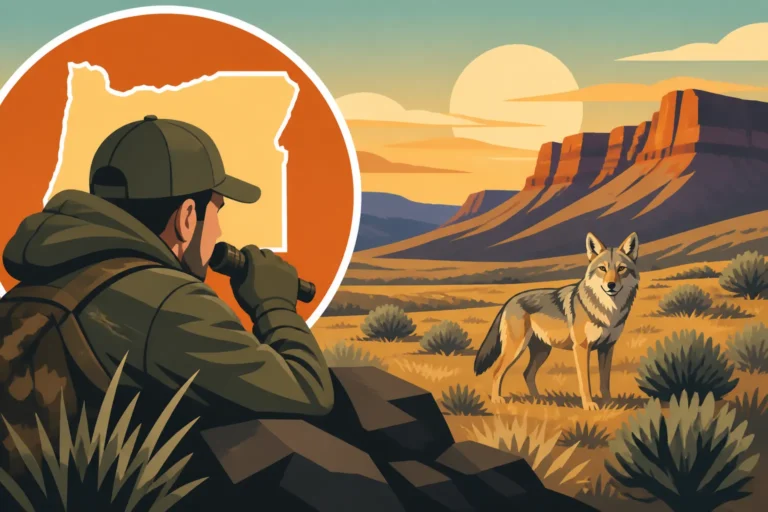
Spot-and-stalk hunting, common for other big game, can also be applied to cougars, though it requires an exceptional eye and often a stroke of luck. This method is most viable in areas with more open terrain, such as Eastern Oregon's rimrock country or high desert areas, where you can glass large swaths of land. Cougars, especially in winter or on cooler days, will sometimes sun themselves on rocky outcrops, fallen logs, or exposed slopes. A good strategy is to methodically glass promising habitat, focusing on areas where deer or elk frequently browse or bed.
Once a cougar is spotted, the real challenge begins. Cougars have incredible eyesight and hearing, and their camouflaged coats blend seamlessly with their surroundings. A successful Spot-and-Stalk Cougar Hunting in Oregon Without Dogs requires meticulous planning of your approach, utilizing every piece of available cover, and moving slowly and deliberately. Wind direction is critical to prevent the cat from catching your scent. Often, the best strategy is to get above the animal, as cougars frequently bed in places where they can look down on their surroundings. This method demands extreme patience and physical conditioning, but the reward of outsmarting such a wary predator is immense.
Leveraging Tracks and Sign for a Stalk
Perhaps the most traditional non-hound method is actively tracking. This involves diligently searching for fresh cougar tracks, scat, and other signs, and then following that sign in hopes of catching up to the cat. This is particularly effective after a fresh snowfall or a light rain, which can reveal clear tracks. The first step is learning to distinguish cougar tracks from other animals, especially domestic dogs. Pay attention to the lack of claw marks, the rounder shape, and the distinct leading toe pad when Identifying Cougar Tracks From Dog Tracks.
Once a fresh track is found, the slow, methodical stalk begins. This is not a race; cougars often travel in circuitous routes, use dense cover, and will often bed down in thickets, under blowdowns, or on sheltered ledges, especially during the day. Following tracks can lead you through some incredibly dense and challenging terrain, particularly in Western Oregon's thick timber. Using your binos to scan ahead, listening intently for any sounds, and frequently stopping to listen and look are all part of the process. A successful track often culminates in spotting the cat bedded or on the move, requiring a quick, decisive shot. This method can be incredibly rewarding but demands a deep understanding of animal behavior and superior woodsmanship.
Navigating Regulations, Ethics, and Resources for Cougar Hunting
Hunting cougars in Oregon, without the aid of hounds, means staying extra sharp on the rules, understanding the ethical landscape, and knowing where to find the best information to improve your odds. It's not just about the hunt itself, but about being a responsible and well-informed participant.
ODFW Regulations and Reporting Requirements
First and foremost, you absolutely need to be familiar with the Oregon Department of Fish and Wildlife (ODFW) regulations. These are laid out in the annual Big Game Regulations pamphlet and often updated online. Crucial information includes season dates, bag limits, and specific unit restrictions. For cougars, obtaining the correct Oregon Cougar and Bear Tags is a prerequisite. Oregon utilizes a quota system for cougars in specific zones, which means seasons can close early once a certain number of animals are harvested. This makes it vital to check the ODFW website or call their offices for real-time updates, especially as the season progresses. Knowing Oregon Cougar Tag Rules and Quotas could mean the difference between a legal harvest and a violation.
Another critical component is mandatory harvest reporting. Oregon is very strict about this. Any cougar harvested must be reported to ODFW within a specific timeframe – often by calling a toll-free number or using their online system. Failure to report can result in penalties, including fines or loss of hunting privileges. Additionally, in Oregon, it is mandatory to salvage the edible meat from a cougar, as outlined in the Cougar Meat Salvage Requirement in Oregon regulations. This means processing the animal properly to ensure no usable meat is wasted, which is a key tenet of ethical hunting.
Ethical Considerations and Public Perception
Hunting without hounds in Oregon also brings a unique set of ethical considerations and influences public perception. While the ban itself was rooted in perceived "fair chase" issues, hunters who pursue cougars by calling or stalking demonstrate a high level of skill and commitment, which often garners respect even from non-hunters. The incredible difficulty involved in harvesting a cougar this way inherently aligns with a strong fair chase ethic.
When you're out in the field, remember that you are an ambassador for all hunters. This means adhering strictly to all laws, showing respect for wildlife, landowners, and other outdoor users. Be mindful of areas with high recreational use, and always be aware of your surroundings. The public holds strong opinions about cougars, ranging from awe and respect to fear and concern over livestock or pet depredation. By conducting yourself ethically and responsibly, you help foster a positive image of hunting in Oregon. Being a knowledgeable hunter about local wildlife, including how Cougar Prey and Deer Herd Impact other populations, can also help in conversations with the non-hunting public.
Valuable Resources for the Modern Cougar Hunter
Given the challenges of hunting cougars without hounds, leveraging available resources is paramount. The ODFW website is your first stop for all regulatory information, hunt statistics, and unit maps. They also provide valuable data on Oregon Cougar Population Estimates and distribution, which can help you narrow down your search areas. Don't underestimate the power of their online tools and annual reports.
Beyond official sources, online platforms and forums dedicated to Western hunting, such as those often discussed on GoHunt, can provide invaluable boots-on-the-ground intelligence and shared experiences from fellow hunters. These communities are often brimming with advice on everything from Cougar Calling Sounds That Draw a Cat In to tips on tracking in different terrains. Using a robust mapping system, whether it’s the ODFW's online map viewer or a third-party app with public/private land overlays, is essential for identifying potential hunting grounds and access points. For backcountry hunters, understanding Cougar Territory Size and Movement is critical for predicting where a cat might be found relative to its kills or bedding areas. Combining technological tools with traditional woodsmanship is the modern Oregon cougar hunter's path to success.
Disclaimer
Please remember that hunting regulations, seasons, and access can change. Always consult the most current Oregon Department of Fish and Wildlife (ODFW) regulations and local land management agency rules before planning any hunting trip. This guide is for informational purposes only and does not substitute for official regulations.