Cougar Calling Techniques That Work in Oregon
Hunting cougars in Oregon presents a unique challenge, especially given the state's specific regulations that prohibit the use of hounds and bait. This can leave many hunters feeling like they're searching for a needle in a haystack, relying solely on tracks or accidental encounters. But don't despair; this comprehensive guide will dive deep into effective cougar calling techniques that genuinely work here in Oregon, helping you turn those frustrating hunts into successful opportunities.
Understanding Oregon's Cougar Hunting Landscape
Trying to hunt cougars in Oregon can feel like you're playing by a completely different rulebook than many other states. If you've ever watched a show or read an article about cougar hunting elsewhere, you’ve likely seen hunters working with a well-trained pack of hounds or using bait to draw in cats. The reality here in Oregon is starkly different, and understanding why that is, along with how cougars behave in our diverse landscapes, is the absolute first step to success. It's not just about what calls to make, but where and how you listen and observe.
The Reality of Hunting Cougar Without Hounds or Bait
Let's just be honest: hunting cougars in Oregon can be incredibly frustrating. Since the 1994 ballot measure, using hounds or bait for cougar hunting has been prohibited. This isn't just a minor inconvenience; it fundamentally changes the game. Without hounds, you can't track a fresh cougar scent to its lair or tree a cat. Without bait, you can't establish a predictable feeding pattern to ambush a wary predator. This leaves you, the hunter, in a position where you largely need to rely on passive methods, like finding tracks, identifying kill sites, or, as we'll explore in depth, calling them in.
This shift in tactics means a much higher degree of patience, local knowledge, and an intimate understanding of cougar behavior. Many hunters spend countless days walking clearcuts and timber roads, scouring for a fresh track, only to find nothing. The idea of just "bumping into" a cougar is about as rare as hitting the lottery. This makes techniques like calling not just an option, but often the most proactive and effective method available to Oregon hunters looking to fill a tag. It's a far cry from the classic image of cougar hunting, and it requires a different kind of dedication and strategy. You're essentially inviting the cat to come to you, rather than going to them, which requires a whole lot of planning and a good bit of luck. If you're wondering Why Oregon Cougar Hunters Cannot Use Hounds, it really boils down to that ballot measure, and it's a critical piece of context for any hunter here.
Cougar Behavior and Habitat in Oregon
To call a cougar effectively, you need to think like one, or at least understand their basic needs and instincts. Oregon's cougar population is robust, with significant numbers across the Coast Range, the Cascades, and extending into the more arid eastern parts of the state. These cats are opportunistic ambush predators, and their diet primarily consists of deer and elk, but they won't pass up a smaller meal like rabbits, porcupines, or even raccoons.
Cougars prefer dense cover—think thick timber, brushy draws, rimrock cliffs, and areas with lots of downed timber where they can hide and approach prey unseen. They are highly territorial, especially males, and will patrol vast home ranges. Understanding Cougar Territory Size and Movement is crucial because it helps you narrow down where a cat might be found. Look for areas where deer and elk congregate, especially during winter months, or where vulnerable prey like fawns are abundant in the spring and summer. These are the food sources that anchor a cougar's existence. Areas with consistent water sources, even in dry eastern Oregon, can also be hotspots, as all animals need water, and cougars will often follow their prey to these vital locations. Utilizing modern e-scouting tools like GoHunt can be incredibly valuable here, allowing you to layer maps to identify areas with dense cover, water, and known big game concentrations before you even step foot in the woods. By understanding their preferred habitat and primary food sources, you can drastically improve your chances of setting up in a productive calling location. When you consider Cougar Prey and Deer Herd Impact, it becomes clear that hunting near strong deer populations will naturally increase your odds of finding cougars.
The Art and Science of Cougar Calling
Calling a cougar isn't just about making noise; it's about mimicking the sounds that trigger their primal instincts. It's a delicate balance of art and science, requiring an understanding of why they respond, what sounds to use, and how to set up to maximize your chances of success. This isn't like calling turkeys or elk where you're often trying to communicate with them directly; with cougars, you're trying to elicit a predatory response or spark their insatiable curiosity.
Why Calling Works on Cougars
The effectiveness of calling cougars largely stems from their nature as obligate carnivores and opportunistic predators. When a cougar hears a distress call – say, a rabbit squealing in terror or a fawn bleating for its mother – it triggers an immediate, instinctual response. They interpret these sounds as an easy meal, a chance to expend minimal energy for a high-reward payout. It's like ringing the dinner bell for a hungry cat. Their incredible hearing allows them to pinpoint the source of the sound from a surprising distance, and their stealth allows them to approach silently, often undetected, until they are within striking range.
Beyond hunger, curiosity can also play a role, especially with younger or less dominant cats. A strange vocalization or an unusual sequence might draw them in to investigate. However, for most hunters, the goal is to tap into that deep-seated predatory drive. The key is to make the sounds as realistic and convincing as possible, painting an auditory picture of a vulnerable animal that's just waiting to become a cougar's next meal. This is where the science of sound frequency and animal vocalizations meets the art of mimicking these sounds in the wild.
Types of Calls and Their Purpose
When it comes to cougar calling, you'll primarily be focused on distress calls. These are designed to mimic injured or terrified prey, the kind of easy meal a cougar can't resist.
-
Distress Calls:
- Rabbit Distress: This is arguably the most popular and often most effective cougar call. Rabbits and hares are a common food source for cougars across Oregon, and their high-pitched, frantic squeals are universally recognized by predators. These calls suggest an animal in its death throes, presenting a low-risk, high-reward opportunity for a cougar.
- Fawn/Calf Distress: Mimicking a young deer or elk in distress can also be incredibly effective, especially in areas with healthy deer or elk populations. The bleats and bawls are more drawn out and mournful than a rabbit's, signaling a larger meal. Cougars are significant predators of fawns and calves, particularly in spring and summer, so these calls can be very potent.
- Bird/Rodent Distress: Sometimes, a more subtle approach is needed, or you might be in an area where smaller prey is more abundant. Calls mimicking a struggling bird, a squirrel, or a mouse can sometimes pique a cougar's curiosity or draw in a cat that might be wary of a larger, more aggressive distress sound.
-
Vocalization Calls: These are less common for beginners and typically used in more advanced scenarios. They include sounds like cougar growls, chirps, or even the female's estrus call. While they can work, particularly to challenge a territorial tom or draw in a curious male during mating season, they carry a higher risk. A territorial growl could scare off a smaller cat or put a dominant one on high alert, making it harder to get a shot. It's generally best to stick to distress calls until you have considerable experience and a deep understanding of cougar behavior.
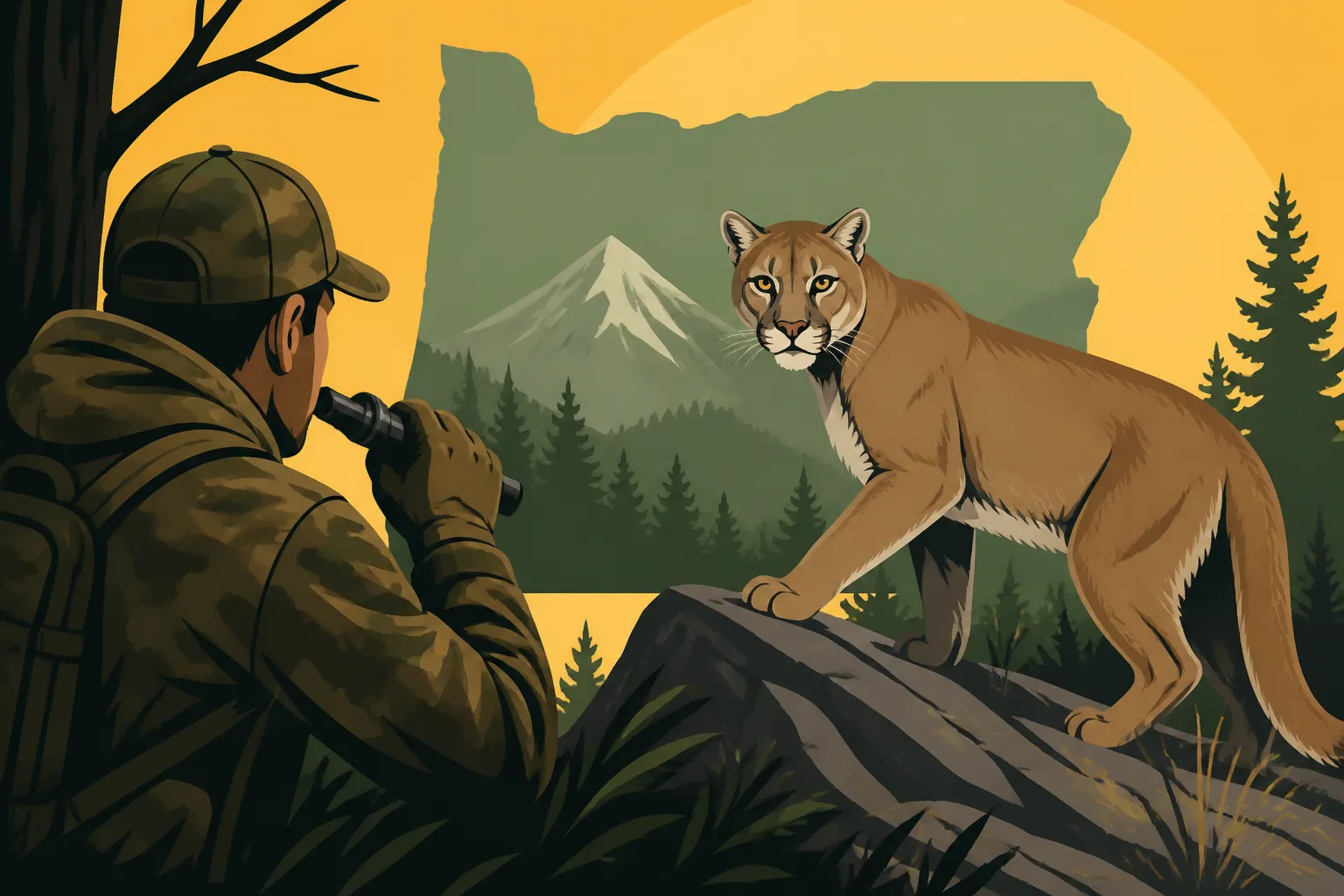
You can choose between hand calls and electronic calls. Hand calls are simple, reliable, and require you to master the sounds yourself. They're affordable and don't rely on batteries. Electronic calls, often from brands like ICOtec or FoxPro, offer a huge variety of pre-recorded sounds, consistent volume, and the ability to place the call away from your position using a remote. This remote placement is a massive advantage, as it draws the cat's attention away from you, the shooter. While electronic calls are an investment, their versatility and ability to keep the cat focused elsewhere can be a game-changer for serious cougar callers.
Reading the Wind and Terrain for Optimal Calling
No matter how realistic your calls are, if your setup isn't right, you'll likely be busted. Cougars have an incredible sense of smell and hearing, and they are masters of using the terrain to their advantage. Ignoring these factors is a sure path to frustration.
Wind Direction is Paramount: A cougar will almost always try to approach downwind of the sound source to catch a whiff of their intended meal before committing. This means you must position yourself so the prevailing wind is blowing from the calling location towards you, or ideally, slightly across your front. You want the cougar to approach into your scent cone, not catch your scent from behind or to the side. Always check the wind thoroughly before setting up, and be prepared to move if it shifts unexpectedly. Using a wind checker puff bottle is indispensable for this.
Using Terrain to Your Advantage: Just as importantly, leverage the terrain for both concealment and sound projection.
- Concealment: Choose a spot with good back cover – a thick stand of trees, a rock outcrop, or dense brush – to break up your silhouette. You need to become part of the landscape. An elevated position can offer better visibility over broken terrain and allows your sound to travel further, but it also makes you more visible if the cat approaches from below.
- Sound Funneling: Consider how your call will carry. Setting up at the top of a ridge or on the edge of a canyon can allow your sounds to broadcast into a large drainage. Conversely, calling into a dense timber block might limit your effective range.
- Anticipate Approach Paths: Cougars are incredibly stealthy. When you set up, visualize where a cat might approach from. They'll often use draws, ridges, or thick timber edges to remain hidden until the last moment. Try to pick a spot that gives you clear shooting lanes into these likely approach corridors. Avoid open areas where a cougar could spot you from a distance. A good vantage point where you can see downwind for a considerable distance, while remaining concealed, is the ideal scenario. Planning your setup carefully, perhaps with a GoHunt satellite image, to identify these natural travel corridors and ambush points can dramatically increase your odds.
Key Calling Techniques for Oregon Cougars
Once you understand the 'why' and the 'where,' it's time to dive into the 'how.' Making the right sounds at the right time, and knowing how long to commit to a setup, can make all the difference between a successful hunt and just another quiet day in the woods. These techniques are refined through trial and error, but starting with a solid foundation will give you a significant advantage.
Distress Calls: Rabbit and Fawn in Detail
The bread and butter of cougar calling lies in mastering distress sounds. These calls appeal directly to a cougar's hunger and predatory instincts, painting a vivid auditory picture of an easy meal.
-
Rabbit Distress: This is often your go-to. A rabbit distress call should be high-pitched, frantic, and convey a sense of genuine terror and pain.
- Cadence: Start with short, sharp bursts of sound, much like a rabbit being caught. Think three to five quick squeals, then a pause.
- Volume: Begin at a moderate volume and gradually increase it over your calling sequence, making it sound like the struggle is intensifying.
- Duration: A typical sequence might last 30 seconds to a minute, followed by a period of silence.
- Timing: Repeat your calling sequence every 3-5 minutes for the first 15-20 minutes, then space it out to 5-7 minute intervals. The goal is to keep the illusion alive without making it sound too repetitive or fake.
- When to Use: Rabbit distress calls are effective year-round because rabbits and hares are always a potential food source. They work particularly well in broken timber, brushy clearcuts, and areas with thick undergrowth where rabbits thrive.
-
Fawn Distress: When hunting in areas with a healthy deer or elk population, particularly during the spring and summer months when young are vulnerable, a fawn distress call can be incredibly potent.
- Cadence: Fawn bleats are typically longer, more drawn out, and have a mournful, pleading quality. Imagine a lost or injured fawn calling for its mother.
- Volume: Again, start moderately and build. These sounds carry well, so you don't always need to blow them at maximum volume.
- Duration: A series of 2-3 bleats, held for a few seconds each, followed by a minute or two of silence, is a good starting point.
- Timing: Like rabbit distress, repeat every 3-5 minutes for the initial phase, then extend pauses.
- When to Use: Ideal from late spring through early fall, aligning with fawning season. Cougar predation on fawns is a significant factor in deer herd dynamics, making this a highly realistic and attractive sound to a hungry cat.
When a cougar responds, it will often approach silently and very cautiously. Patience is absolutely crucial. Many experienced callers recommend sitting a set for at least 30-45 minutes, sometimes even up to an hour, especially in cold weather or dense cover. Cats can take a long time to commit and circle downwind. If you’re curious about How Long to Sit a Cougar Set, it really depends on the conditions, but rushing it is almost always a mistake. Always be ready for a shot from the moment you start calling.
Vocalization Calls and When to Use Them
While distress calls are your primary tool, cougar vocalizations can, in rare instances, be used to trigger a response, especially from a more dominant or curious cat. This is an advanced technique and should generally be attempted only after distress calls have failed or if you suspect a very territorial male is in the vicinity.
- Chirps and Whistles: Cougars make various chirping and whistling sounds, often described as contact calls between cats or by a female to her kittens. These are softer, more subtle sounds that can sometimes pique a cougar's curiosity without triggering a full-on predatory response. If you've been calling with distress sounds for a while without success, a short series of soft chirps might make a wary cat that's hung up out of sight come in to investigate. It’s less aggressive and more inquisitive.
- Growls and Hisses: These are aggressive, territorial sounds. A growl can indicate a warning or a challenge. Using these can be a double-edged sword: it might draw in a confident, dominant tom looking for a fight, or it could absolutely send a younger or more submissive cat running for the hills. For this reason, growls are rarely recommended for general calling. If you're confident there's a large, dominant male in the area and you're feeling bold, a short, deep growl might challenge him to investigate. However, be prepared for a very cautious, almost confrontational approach.
The most important takeaway for vocalization calls is restraint. Don't overdo them, and understand that they might not bring the same quick, hungry response as a distress call. They are tools for specific, calculated situations, not everyday tactics. Many successful cougar hunters never even touch these calls, relying solely on realistic distress sequences.
Setting Up for the Shot: Concealment and Angles
Calling a cougar in is only half the battle; the other half is being ready to make the shot. Cougars are incredibly wary and masters of stealth. They have exceptional eyesight, hearing, and an unparalleled sense of smell. Your setup is paramount.
First and foremost, concealment is key. Find a spot with good cover at your back to break up your silhouette. Think dense brush, a large boulder, or the base of a thick tree. Avoid standing in the open like a signpost. Wearing good camouflage, including a headnet, can make a significant difference. Cougars often appear suddenly and silently, so you need to blend in seamlessly with your surroundings.
Secondly, elevate if possible, but carefully. A slight rise or knoll can give you a better vantage point, allowing you to see further and more clearly as the cat approaches. However, too much elevation can make you stand out. The goal is a subtle advantage, not a towering perch. When a cougar approaches, they will usually try to circle downwind to get your scent. This means you need to position yourself so that they will approach into your field of view, preferably at a manageable distance. If you're using an electronic call, place it 30-50 yards away from your position, off to your side, to draw the cat's attention away from you. This gives you a critical advantage.
Third, clear your shooting lanes. Before you even start calling, meticulously scan your surroundings for any small branches or bushes that might obstruct your shot. Cougars are not large animals, and a small twig can deflect a bullet. Visualize where a cougar might appear and ensure you have an unobstructed view. Set up with a comfortable shooting rest, whether it's shooting sticks, a bipod, or just resting against a tree. Remember, when they do appear, it's often sudden and fleeting. You need to be ready to shoulder your rifle and make a quick, accurate shot. While you're not shooting a bull elk, the principle of good Shot Placement on a Quartering Bull applies: know your animal's anatomy and aim for the vitals. For cougars, that typically means a shoulder or lung shot.
Finally, patience and stillness. Once you start calling, freeze. Any sudden movement will likely spook an approaching cat. Scan continuously, not just directly in front of you, but to the sides and even behind, as a curious cat might circle wide. The moment you spot movement, evaluate, confirm it's a cougar, and be prepared to take a safe, ethical shot.
Gear and Setup for Successful Calling
Having the right gear and knowing how to deploy it can significantly boost your success rate when calling cougars in Oregon. It’s not just about the call itself; it's about everything that supports your ability to remain undetected, see the cat, and make a clean shot.
Electronic Calls vs. Hand Calls
The choice between electronic and hand calls often comes down to personal preference, budget, and desired versatility.
Hand Calls:
- Pros: They are lightweight, inexpensive, don't require batteries, and are incredibly reliable. Many hunters enjoy the challenge and skill involved in mastering various distress sounds with a hand call. They are excellent for quick, opportunistic sets or when you want minimal gear.
- Cons: Limited sound variety compared to electronic calls. Your movement will be directly tied to the call's sound source, meaning any approaching cougar will likely fixate on your position, increasing the chance of being spotted. It takes practice to produce consistent, realistic sounds.
- Recommendation: A good quality rabbit distress hand call is an excellent starting point for any cougar hunter. Brands like Primos or Crit'R Call offer reliable options. They are fantastic for learning the basics and for quick setups where you've already found fresh sign.
Electronic Calls:
- Pros: This is where the real versatility comes in. Electronic calls, such as those from FoxPro or ICOtec, offer a vast library of sounds, from rabbit and fawn distress to various bird, rodent, and even cougar vocalizations. The ability to control the call remotely (often up to 100+ yards) is a massive advantage. You can place the speaker away from your position, drawing the cougar's attention and approach to a different spot, giving you a greater window of opportunity for a shot. They also allow for consistent volume and cadence without user fatigue.
- Cons: They are more expensive, require batteries (and often spares), and can be bulkier and heavier to carry. Malfunctions can happen, and they require careful maintenance.
- Recommendation: If you're serious about cougar calling, an electronic call is a game-changer. It allows you to create more realistic scenarios, pull the cat's focus away from you, and experiment with a wider range of sounds. Many hunters use platforms like GoHunt not just for e-scouting, but also to research gear, including reviews and recommendations for the latest electronic calls that perform well in Oregon's varied terrain.
Many hunters will carry both – an electronic call for primary, strategic setups, and a hand call for quick, responsive calling or as a backup.
Optics and Firearm Considerations
Your ability to spot, identify, and accurately shoot a cougar will largely depend on your optics and firearm setup.
- Rifle Choice: Cougars aren't typically heavily armored, but they are tough and require a precise shot. A rifle chambered in a common deer caliber, such as .223, .243, 6.5 Creedmoor, .270, .30-30, or .30-06, is perfectly adequate. The key is shot placement and using a quality expanding bullet. While bigger calibers like a .300 Win Mag would certainly do the job, they're often overkill and can be uncomfortable for quick follow-up shots if needed. A fast-handling, accurate rifle is more important than raw power. If you're wondering Rifle Calibers That Suit Oregon Elk, many of those larger calibers would work for cougar as well, but again, accuracy is paramount.
- Rifle Optics: A good variable power scope (e.g., 3-9x, 2-10x, or even a low-power variable like a 1-6x or 2-7x) is ideal. Cougars often appear suddenly at close to moderate ranges, so being able to quickly acquire a target at low magnification is important. Good low-light performance is also a huge plus, as cougars are most active during dawn and dusk. Consider scopes with a clear reticle that's easy to see against a dark animal in low light.
- Binoculars: High-quality binoculars (e.g., 8×42 or 10×42) are indispensable. Cougars are incredibly camouflaged, and they move with astonishing stealth. You'll often spot them as just a flicker of movement, a change in texture, or a patch of tawny fur against the forest floor. Constantly scanning your surroundings, especially the edges of cover and potential approach routes, with good glass will give you the best chance of spotting a cat before it spots you. When considering Optics for Dark Timber Versus Open Sage, remember cougars frequently inhabit both, so versatile optics are best.
- Rangefinder: While most shots at a called cougar will be relatively close, a rangefinder can still be useful for confirming distances to key landmarks around your setup. This helps you mentally mark out your effective shooting zones and removes any guesswork when a cat appears.
Portable Blinds and Scent Control
Remaining undetected is critical. Cougars have a sense of smell far superior to humans, and their eyesight is exceptional, especially for detecting movement.
- Portable Blinds: While not strictly necessary, a small, portable pop-up blind can be a huge asset, especially if you're hunting in areas with sparse natural cover. These blinds break up your human silhouette completely, allowing for more subtle movements within. Even if you don't use a full blind, always use natural cover to the best of your ability. Sitting against a wide tree trunk, nestled into a dense thicket, or behind a rock outcropping can make all the difference. The goal is to become an extension of the natural environment.
- Scent Control: This cannot be overemphasized. Cougars will almost always try to approach downwind to confirm their prey's identity with their nose. If they catch a whiff of human scent, the game is over.
- Laundry: Wash your hunting clothes in scent-free detergent.
- Shower: Shower with scent-free soap before your hunt.
- Storage: Store your hunting clothes in scent-free bags or containers.
- Sprays: Use scent-eliminating sprays on your clothes and gear, especially your boots.
- Wind: The most effective scent control is always playing the wind correctly. No amount of spray will completely eliminate your scent, but a favorable wind will carry it away from where the cougar is approaching. Always carry a wind checker powder bottle and use it frequently.
- Minimize Contamination: Avoid stopping for gas or coffee in your hunting clothes. Don't handle food or other strong-smelling items before or during your hunt without gloves. Every little bit of effort helps to keep that keen cougar nose from detecting you.
Safety and Ethical Considerations in Cougar Hunting
Hunting any big game animal, especially a predator like a cougar, comes with significant responsibilities. Beyond the thrill of the hunt, ensuring safety for yourself and others, adhering to regulations, and maintaining ethical standards are paramount. This is particularly true when you’re out in Oregon’s wild landscapes, where you might be sharing the woods with other hunters, hikers, or even local residents.
Knowing Your Backstop and Shot Placement
When you’re calling, the adrenaline can be intense, and a cougar often appears suddenly. In these moments, it’s easy to get tunnel vision. However, it is absolutely critical to prioritize safety above all else.
- Your Backstop: Before you even raise your rifle, confirm your backstop. What is beyond your target? Are there hills, a rock face, or simply empty space? Never take a shot if you're unsure of what lies behind the animal. In dense timber or broken terrain, this can be challenging, but it's a non-negotiable safety rule. A bullet can travel a long way and pose a danger to others or property. Be especially vigilant in popular hunting areas or those bordering private land.
- Shot Placement: Cougars are not huge animals, but they are incredibly tough and agile. A poorly placed shot can result in a wounded animal that disappears into the dense cover, leading to a difficult, if not impossible, blood trailing situation. Aim for the vitals: the heart and lungs, typically located just behind the shoulder. Practice your shooting at various distances and from different positions so that when that moment of truth arrives, you can make a clean, ethical kill. Understanding animal anatomy is critical, and while you might be reviewing Shot Placement on a Quartering Bull for elk, the principles of hitting the vitals apply across species. If you do make a marginal hit, knowing Following Up a Marginal Hit effectively is a skill every hunter should possess. Take your time, confirm the shot, and only pull the trigger when you have a clear, ethical opportunity.
Reporting Requirements and Local Regulations
Oregon has very specific rules regarding cougar hunting, and it is your responsibility to know and follow them meticulously. Ignorance of the law is never an excuse.
- Mandatory Harvest Reporting: Like all big game in Oregon, harvested cougars must be reported to the Oregon Department of Fish and Wildlife (ODFW). This isn't just a suggestion; it's a mandatory legal requirement. There are specific deadlines, usually by the end of January, but it’s always best to report as soon as possible after the hunt. Failure to report can result in penalties, including fines and potentially the loss of hunting privileges. To avoid that frustrating $25 penalty, make sure you understand Oregon Mandatory Harvest Reporting and the $25 Penalty. The ODFW uses this data to manage cougar populations, assess harvest rates, and make informed decisions about future hunting seasons.
- Tagging and Checking: After harvesting a cougar, you must immediately validate and attach your tag to the animal. Additionally, Oregon requires all harvested cougars to be presented to an ODFW office or authorized personnel for inspection and biological sample collection. This usually involves removing a tooth for age determination and collecting other data. Make sure you understand the specific check-in procedures and locations, as these can vary. It’s not something you want to figure out when you’re tired and trying to get your cat home.
- Season Dates and Quotas: Always consult the most current ODFW Oregon Big Game Regulations for cougar season dates, bag limits, and any specific zone quotas or closures. Cougar seasons are typically long, but there can be zone-specific harvest quotas that, once met, will close the season in that area. Check the ODFW website or call a local office before you head out to ensure the area you plan to hunt is open. Also, remember that you are allowed to purchase two cougar tags per year in Oregon, but the harvest limits apply.
Respecting Wildlife and Other Hunters
The spirit of fair chase and respect for the resource is a cornerstone of ethical hunting. Cougar hunting, given the animal's predatory nature and occasional public controversy, requires an even higher degree of ethical conduct.
- Fair Chase: Calling a cougar is a legitimate and challenging method of fair chase. However, always strive to make ethical decisions. Don't push beyond your shooting limits. Ensure the animal is legally harvestable before you shoot.
- Leave No Trace: Practice Leave No Trace principles. Pack out everything you pack in, including spent shell casings. If you field dress an animal, do so away from trails or water sources, and scatter remains to decompose naturally. Leave the woods cleaner than you found them.
- Respect Other Users: Oregon's public lands are used by a variety of people: hikers, mountain bikers, bird watchers, and other hunters. Be courteous and respectful. If you encounter others, engage positively. Be mindful of your calling volume, especially if you know there are other people nearby. Understanding Cougar Sightings Near Oregon Towns can give you a perspective on the public's interaction with these animals and why positive hunter-public interactions are so important.
- Public Perception: Cougar hunting, like all predator hunting, can sometimes draw public scrutiny. Conduct yourself in a manner that reflects positively on the hunting community. This includes how you share your success, how you talk about the animals, and your overall demeanor in the field. Responsible, ethical hunting is the best way to ensure these opportunities remain available for future generations.
Disclaimer
Please note that hunting regulations, seasons, and access can change rapidly. This guide is intended for informational purposes only and does not supersede official Oregon Department of Fish and Wildlife (ODFW) regulations. Always consult the most current ODFW Big Game Regulations pamphlet and relevant public land agency rules before planning or embarking on any hunting trip. Ensure you have all necessary licenses and tags, and always prioritize safety and ethical hunting practices.