Asking Permission on Oregon By-Permission Land
It can feel incredibly frustrating to stare at a beautiful piece of land, clearly teeming with game, only to realize it's private property and off-limits. Many hunters experience that familiar pang of disappointment, especially in Oregon where private timberlands, ranches, and farms make up a significant portion of potential hunting ground. This guide is here to demystify the process of asking for permission to hunt on private land, helping you understand Oregon's "by-permission" systems, how to find these opportunities, and most importantly, how to approach landowners respectfully and successfully.
Understanding Oregon's By-Permission Programs
Oregon, like many states, has a complex mosaic of public and private lands. While our national forests and BLM lands offer vast hunting opportunities, ignoring private land means missing out on some incredible experiences, especially if you're targeting elusive blacktail deer or looking for less pressured elk. The key is understanding that "private land" doesn't automatically mean "no hunting." Many landowners, through various programs or simply out of generosity, are open to allowing responsible hunters access.
What "By-Permission" Really Means
When we talk about "by-permission" land, we're referring to any private property where you need to obtain explicit consent from the landowner before you can step foot on it with your hunting gear. It's not public land where you can roam freely, nor is it land managed under a strict, fee-based industrial timber permit system like some Weyerhaeuser or Hancock properties might have. Instead, it's a direct, personal agreement between you and the property owner. This could be anything from a sprawling cattle ranch in Eastern Oregon to a small woodlot bordering public land in the Coast Range, or even a farm in the Willamette Valley.
The concept hinges entirely on respect and communication. Trespassing is a serious offense, and ignorance of property lines is rarely an acceptable excuse. Always assume you need permission unless you are absolutely certain it's public land. Even when property is unposted, Oregon law requires permission to hunt or trap on private land. This direct relationship means that your behavior reflects not just on you, but on all hunters, making it even more crucial to be courteous, honest, and respectful in all your interactions.
Oregon Department of Fish and Wildlife (ODFW) Initiatives
The Oregon Department of Fish and Wildlife (ODFW) actively works to increase hunting access on private lands through various programs. These initiatives are a win-win: they provide landowners with resources or incentives for opening their gates, and they offer hunters more places to pursue game. One significant program is the Access and Habitat Program, which uses funds from hunting license sales to create, improve, or maintain public access and wildlife habitat on both private and public lands. These lands are often marked with specific signage, indicating that hunting is allowed either by general access or by-permission through a registration process.
Another excellent resource ODFW provides is the online "Oregon Hunting Access Map." This map often highlights lands participating in programs like the Open Fields and Streams or the ODFW's cooperative travel management areas (TMAs) that may have specific "by-permission" zones. It’s important to familiarize yourself with these maps, as they can sometimes distinguish between areas that are truly open to walk-in access and those that require prior contact with a landowner or even a registration process. For example, some areas might be designated as "Green Flags Versus Yellow Flags on the Hunting Map," signifying different access rules you need to understand.
Benefits for Hunters and Landowners
The benefits of securing private land access are substantial for hunters. Often, private lands experience less hunting pressure than surrounding public lands, leading to potentially higher game populations or less skittish animals. You might also find better habitat, as many private landowners actively manage their property for agriculture or timber, which can inadvertently create prime feeding and bedding areas for deer and elk. Plus, you get a unique, often more personal, hunting experience away from the crowds.
For landowners, allowing hunting can offer several advantages. Many face issues with wildlife damaging crops or forage, and responsible hunters can help manage these populations. Others might simply enjoy seeing their land utilized, or appreciate the extra eyes on their property. Some ODFW programs, like the Access and Habitat program or the "Oregon Open Fields Per-Acre Landowner Payments," offer financial incentives, while others simply rely on the goodwill and partnership with respectful hunters. Building a positive relationship can also lead to long-term access, not just for a single season but for years to come, turning a handshake agreement into a valuable tradition.
Finding By-Permission Lands
The biggest hurdle for many hunters isn't asking for permission, but knowing where to ask. It's not always as simple as knocking on a random door. Strategic research and leveraging available tools can significantly improve your chances of success.
Digital Mapping Tools and Resources
In today's age, digital mapping applications are indispensable for identifying private lands and their owners. Services like GoHunt, onX Hunt, BaseMap, or even Google Earth allow you to overlay property boundaries onto satellite imagery. This instantly reveals who owns the parcels of land you're interested in, providing names and often mailing addresses. This information is crucial for your initial contact. For example, looking up the "onX Layers for Oregon Land Status" can quickly show you who owns a promising piece of land adjacent to public ground.
Beyond just identifying ownership, these apps can also help you scout the terrain from your couch. You can identify potential game corridors, water sources, bedding areas, and access points without ever setting foot on the property. This preparation not only makes you a more effective hunter but also demonstrates your commitment and professionalism when you approach a landowner. Being able to point to specific features on a map and explain why you're interested in their property (e.g., "I noticed a nice timbered draw on your north boundary that connects to the BLM land where I've seen elk sign") shows respect for their property and a serious intent, rather than just a casual request.
Local Knowledge and Community Connections
While digital tools are powerful, nothing beats local knowledge. Spend time in the communities surrounding the hunting units you're interested in. Visit local diners, hardware stores, feed stores, or sporting goods shops. Engage with the folks who live and work there. They often know who owns what land and, more importantly, which landowners might be receptive to hunters. Sometimes, a casual conversation can lead to a direct recommendation or even an introduction.
Attending local community events, even if you're just visiting, can also provide inroads. You might not walk away with permission on the first day, but you're building a network and showing your face in the community. Over time, these connections can prove invaluable. Remember, a recommendation from a trusted neighbor or local business owner carries far more weight with a landowner than a cold call from a stranger. These are often the places where you learn about unadvertised opportunities, such as small farms that occasionally have goose damage issues that could lead to "Hunting Willamette Valley Goose Damage Ground."
Official ODFW Resources
Beyond the online hunting access map, ODFW field offices and their district biologists can sometimes offer guidance. While they won't give out private landowner contact information directly, they might be able to tell you about general trends in landowner receptiveness in certain areas, or point you towards specific Access and Habitat properties or cooperative programs that require contacting a landowner. For instance, they might highlight areas involved in the "Oregon Access and Habitat Program Lands," where specific procedures are in place for gaining permission.
You should also consult the current year's Oregon Big Game Regulations and other specific hunting pamphlets. These publications often list general rules about hunting private land and sometimes mention specific programs or contact points. Keep an eye out for details on "Registering for a By-Permission Property" within these guides, as some opportunities require official sign-up through ODFW or a land management company. These resources are your first line of defense against misunderstanding regulations and ensure you're pursuing legitimate opportunities.
The Art of Asking for Permission
Approaching a landowner can be daunting, but with the right preparation and attitude, you can make a positive impression and increase your chances of success. It’s truly an art form that prioritizes respect and clear communication.
Preparation Before the Conversation
Before you even think about knocking on a door or making a phone call, do your homework. First, pinpoint the specific parcel of land you're interested in and identify the landowner's name and contact information. Digital mapping tools like GoHunt are fantastic for this, allowing you to see property lines and often landowner names right on your screen. Knowing their name when you call or visit immediately shows you’ve done your research. Second, briefly scout the area, even if it's just from public roads or satellite imagery. Understand the type of terrain, what kind of game might be present, and where you'd potentially want to hunt. This allows you to articulate your request clearly and intelligently.
Third, consider what you can offer. While not always necessary, sometimes a landowner has issues with predators, specific game damage, or simply appreciates a reliable pair of eyes on their property. Are you willing to help with minor tasks, like closing gates or reporting unusual activity? Having a clean, organized appearance is also key. Don't show up in your grimy hunting clothes straight from the field. Present yourself as a responsible, mature individual. Bring a map of their property (you can print this from GoHunt or onX) and your hunting license/tag information to show you're legitimate. This preparation makes a world of difference in your confidence and the landowner's perception of you.
Making a Good First Impression
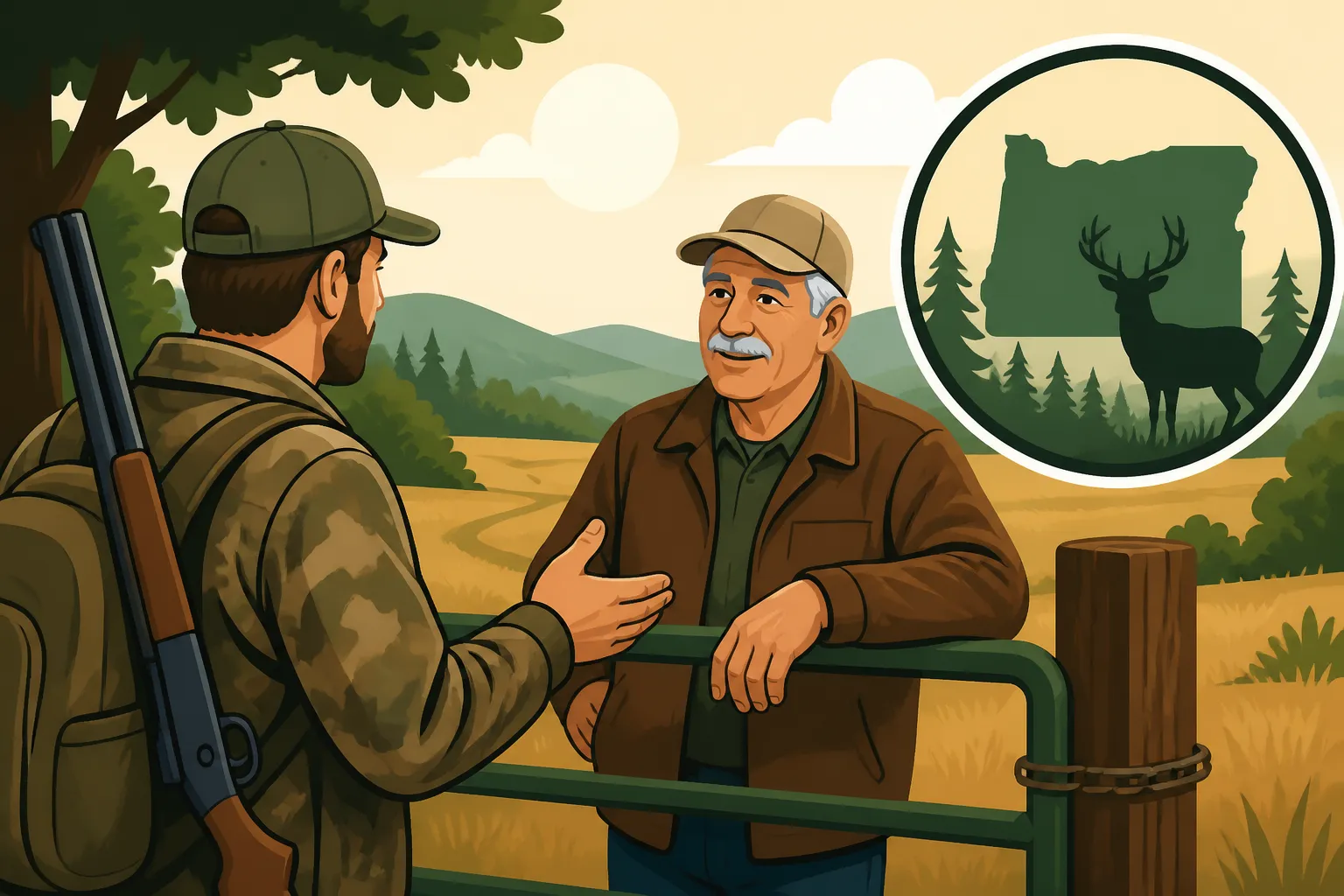
This is where the rubber meets the road. Whether it’s a phone call or a doorstep visit, politeness and respect are paramount. If visiting in person, choose an appropriate time – never early in the morning, late at night, or during meal times. Weekday evenings or weekend afternoons often work best. Be concise and polite right from the start. Introduce yourself clearly, state that you are a hunter, and explain that you are interested in their property.
Use phrases like, "Hello, Mr./Ms. [Landowner's Last Name], my name is [Your Name], and I was hoping to speak with you for a few minutes about the possibility of hunting on your property." Immediately clarify that you understand it's private land and you would never enter without permission. If they seem busy or unwilling to talk, thank them for their time and offer to leave your contact information. Remember, a "no" today isn't necessarily a "no" forever. A polite exit leaves the door open for a future attempt, perhaps next season or with a different approach.
What to Discuss When Asking
Once you have their attention, be clear about your intentions. Specify what you want to hunt (e.g., "I'm primarily interested in bowhunting for blacktail deer" or "I've seen some elk sign near your timberline and was hoping to pursue them during rifle season"). Bring out your map if appropriate, and point to the specific areas you're interested in. Ask about their concerns: "Do you have any specific areas you'd prefer I avoid, or livestock I should be aware of?" This demonstrates that you value their property and their peace of mind.
It's also crucial to discuss logistics. Ask about access points, parking, and any specific gates or roads you should use or avoid. Clarify how often you plan to hunt and if you'll be alone or with a partner. Reassure them about safety: "I'm always mindful of safe shooting lanes and will respect any buildings or livestock." Furthermore, always discuss the boundaries and ensure you understand them perfectly. You might even ask if you can walk the property lines with them. This detailed conversation helps build trust and minimizes misunderstandings down the line. It's truly about getting to the heart of "Asking a Landowner for Access" in a thorough and considerate way.
Etiquette and Respect on Private Land
Getting permission is just the first step. Maintaining that privilege requires consistent adherence to a high standard of etiquette and respect. Your actions on their property speak volumes, not only for yourself but for the entire hunting community.
Rules of Engagement: Before, During, and After the Hunt
Before you even step foot on the property for your hunt, reconfirm any specific instructions or rules the landowner gave you. If they said, "no driving on wet roads," adhere to it, even if it means a longer walk. Always let them know when you plan to be on their property and when you've left. A simple text or call can go a long way in providing peace of mind. When you're actively hunting, be mindful of their routines. If they have livestock, give them a wide berth. If they work near a certain field, avoid hunting that area during their work hours.
During the hunt, practice impeccable safety. Know your backstop, identify your target clearly, and avoid shooting in the direction of any homes, barns, or roads. If you harvest an animal, inform the landowner as soon as possible. Some landowners might want to see the animal or know its location. This transparency builds immense trust. When you're done, "Leaving Gates and Fences as You Found Them" is a non-negotiable rule. If a gate was closed, close it. If it was open, leave it open unless explicitly told otherwise. Leave absolutely no trash, spent cartridges, or other signs you were there. Your goal is to leave the property in the exact, if not better, condition than you found it.
Building Long-Term Relationships
The ultimate goal isn't just a one-time hunt; it's to cultivate a lasting relationship that benefits both parties. This means going above and beyond. After your hunt, send a thank-you note or even a small gift (like a piece of processed game meat, if they're agreeable, or a gift certificate to a local restaurant). Periodically check in with them, even outside of hunting season. A quick call to ask how their harvest went or if they need any help with something simple can make a huge difference.
Offer to help with small tasks around their property if you have the skills and time. This could be fixing a fence, moving some firewood, or helping with a chore. These gestures demonstrate that you value their generosity and are not just interested in what you can take from their land. A strong, positive relationship with one landowner can also open doors to other properties, as landowners often network and share experiences. Think of it as investing in your hunting future.
Leaving No Trace and Beyond
"Leave No Trace" principles are crucial, but on private land, you need to go "beyond" what's expected on public land. This means not only packing out all your trash, but also being incredibly careful not to disturb soil, damage plants, or leave any visual impact. If you need to drive on their property, stick to designated roads or trails. If you accidentally make a rut, offer to fix it. If you need to cross a stream, do so in a way that minimizes bank erosion.
Pay attention to details like tire tracks, boot prints, and any signs of your presence. The less evidence you leave behind, the more comfortable a landowner will feel about you returning. This level of meticulousness ensures that their property remains pristine and their trust in you grows. Remember, they are allowing you access to their home or livelihood, and treating it with the utmost respect is the least you can do.
Troubleshooting Common Issues and Rejections
Even with the best intentions and preparation, you might encounter challenges or outright rejections. Understanding how to handle these situations gracefully is part of being a mature and responsible hunter.
Dealing with a "No" Graciously
It's inevitable: you will hear "no" sometimes, possibly often. A landowner might have legitimate reasons – they already have too many hunters, they've had bad experiences in the past, or they simply don't want anyone on their property. When you receive a rejection, the absolute best response is a polite, "Thank you for your time, I understand." Do not argue, badger, or try to convince them. A negative reaction will not change their mind and will only solidify their decision, potentially ruining chances for other hunters in the future.
If appropriate, you might gently ask if there's a better time to try again in the future, or if they might consider allowing access for a different species or season (e.g., "Would you ever consider a spring bear hunt instead of deer?"). However, only do this if they seem receptive to further conversation. If they are firm, thank them again and leave. Your graciousness in rejection will be remembered, and sometimes, situations change. A landowner who remembers your polite demeanor might reach out months or years later, or give you a referral to someone else.
Addressing Concerns and Misconceptions
Sometimes, a "no" isn't a hard "no" but stems from a landowner's concerns or past negative experiences. This is where your preparedness can help. Common concerns include safety ("I don't want anyone shooting near my house"), liability ("What if someone gets hurt?"), or property damage ("Hunters leave trash and drive off-road"). Be ready to address these directly and respectfully.
For safety, emphasize your commitment to responsible firearm use, knowing your target, and respecting setbacks. You can explain that you carry insurance as part of your hunting license and will operate with the utmost care. For liability, while it’s not your place to give legal advice, you can mention that many states, including Oregon, have recreational use statutes that offer some liability protection to landowners who allow free public access for recreation. For property damage, reiterate your pledge to leave no trace, respect all fences and gates, and adhere to specific access routes. Offering to sign a written agreement outlining these points can also sometimes ease concerns.
Safety and Liability Considerations for Landowners
Landowners allowing access, especially for hunting, often worry about legal liability. Oregon does have laws in place to encourage landowners to open their property for recreational use without fear of excessive liability. Under Oregon Revised Statutes (ORS) 105.672 to 105.696, landowners generally aren't liable for injuries to people who are permitted to use their land for recreational purposes, provided no fee is charged. This is a crucial point to understand, though you should never advise a landowner on legal matters.
However, a landowner can still be liable for intentional injuries or for dangerous conditions that they knowingly fail to warn people about. This is why discussing safety protocols, clearly marking boundaries, and communicating known hazards (like old wells or dangerous structures) is vital. As a hunter, you can reinforce their comfort by demonstrating a strong commitment to your own safety and the safety of others, always carrying a first-aid kit, and being acutely aware of your surroundings. The more professional and safety-conscious you appear, the more at ease a landowner will be with your presence.
Alternatives to Traditional By-Permission Hunting
If direct landowner contact isn't yielding results, or you simply prefer a different approach, Oregon offers several structured programs and alternative private land access options that are worth exploring.
Oregon's Access and Habitat Program Lands
As mentioned earlier, the ODFW's Access and Habitat (A&H) program is a fantastic resource. This program provides grants to landowners and organizations to create or improve public access and habitat. These lands are specifically designated for public hunting, often with unique rules. Some A&H properties are "Welcome to Hunt" sites, meaning they are open to walk-in access for specific seasons and species. Others are "By-Permission" but involve contacting a specific program representative or signing up through an ODFW-managed system rather than directly asking a private individual.
It’s essential to check the ODFW Hunting Access Map and specific unit regulations for details on these lands. You might find opportunities for deer, elk, or even upland birds on properties that are easier to access than entirely independent private parcels. For example, some properties might specifically manage for Blacktail Deer Habitat in Oregon Clearcuts and offer access through the program. Always check the specific rules for each A&H property, as they can vary greatly, including allowed weapons, hunt dates, and specific entry points.
Hunting Clearcuts on Private Timber Land
Industrial timber companies, while private, often have different access programs than small family landowners. Companies like Weyerhaeuser, Hancock Forest Management, and others own vast tracts of Oregon timberland, much of which is prime habitat for elk and blacktail deer. Many of these companies offer paid permits for seasonal or annual access, or have specific "walk-in only" gates. The systems can be complex and vary by company and region. For example, understanding "Weyerhaeuser and Hancock Permit Systems" is crucial if you plan to hunt these lands.
These permits usually come with specific rules regarding road use, fire restrictions, and designated hunting areas. Some areas might be "Hunting Clearcuts on Private Timber Land" exclusively, while others allow access to older timber stands. It’s important to research each company’s specific policies well in advance of the hunting season, as permits can sell out quickly, and rules can change. You might also find specific areas designated as "Walk-In Only Gates on Industrial Timber," offering excellent opportunities for hunters willing to put in the footwork away from vehicle traffic.
Hunting the Willamette Valley Open Fields Properties
If you're interested in bird hunting or deer in agricultural settings, the Willamette Valley Open Fields program is another ODFW initiative worth investigating. These properties are often private agricultural lands in the populous Willamette Valley that are opened to public hunting, primarily for waterfowl, pheasants, and some deer, to help landowners manage wildlife damage. The program is specifically aimed at addressing "Willamette Valley Goose Damage" and other similar issues.
Access to these lands typically requires a special permit or registration through ODFW, and hunt dates and species are strictly controlled. They are usually walk-in access only, meaning no motorized vehicles beyond designated parking areas. These opportunities are often a well-kept secret among local hunters, offering unique experiences close to urban centers. Always check the ODFW website for the most up-to-date information on participating properties and application procedures for these specific hunts.
| Key Considerations for Asking Permission | Do This | Avoid This |
|---|---|---|
| Preparation | Research landowner's name, property boundaries (GoHunt, onX), and access points. Have a clear, polite introduction. Bring a map, your license, and wear clean, presentable clothing. | Showing up unannounced at odd hours. Assuming you know their property. Appearing disheveled or demanding. Not knowing basic info like their name or what you want to hunt. |
| Initial Contact | Be brief, respectful, and clear about your request. Offer to leave your number if they're busy. Respect their decision, whether it's yes or no. | Arguing, haggling, or trying to guilt-trip them. Lingering if they seem uninterested or busy. Complaining about other hunters or public land crowding. |
| Discussion & Agreement | Clarify specific hunt dates, species, areas to avoid, and access points. Ask about gates, livestock, and any other concerns. Offer to call/text when entering/leaving. | Assuming silence means approval. Ignoring their rules. Failing to ask about sensitive areas. Not confirming boundaries. Showing up with more hunters than discussed. |
| On the Property | Follow all agreed-upon rules meticulously. Be safe, clean up after yourself, and Leaving Gates and Fences as You Found Them. Report any suspicious activity. | Leaving trash, spent casings, or any signs of your presence. Driving off established roads without permission. Ignoring livestock or crops. Breaking any agreed-upon rules. |
| After the Hunt | Send a thank-you note. Consider a small token of appreciation. Offer to help with chores if appropriate. Provide updates if you see something unusual on their property. | Disappearing until next season. Taking their generosity for granted. Never expressing gratitude. Assuming continued access without contact. |
Disclaimer
Hunting is a physically demanding and potentially dangerous activity. This guide is for informational purposes only and does not substitute for official regulations, professional training, or sound personal judgment. Always consult the current Oregon Department of Fish and Wildlife (ODFW) regulations, obtain all necessary licenses and tags, and prioritize safety above all else. Understanding and adhering to all local, state, and federal laws is the responsibility of the individual hunter.