Gear Lists Oregon Outfitters Send
That moment when an outfitter sends you "the list"—it can feel overwhelming, can't it? You're already dreaming of that Oregon sunrise over a frosty ridge or the scent of damp coastal timber, but suddenly you're staring at a bulleted document wondering if you own half this stuff, or if you're about to show up with totally inadequate gear. This guide is here to demystify those essential gear lists Oregon outfitters provide, helping you understand why certain items are crucial and how to prepare for your adventure with confidence.
Deciphering the Outfitter's Gear List: More Than Just a Checklist
When you receive a gear list from your Oregon outfitter, it's not just a casual suggestion; it's a carefully crafted blueprint for success and safety in the specific environment and conditions you'll be hunting. This list is born from years of experience navigating Oregon's incredibly diverse and often unpredictable terrain, from the soaking wet Coast Range to the windswept, dry high desert. Every item on there has a purpose, often a critical one, tied directly to the success of your hunt and your personal well-being.
The 'Why' Behind Specific Items
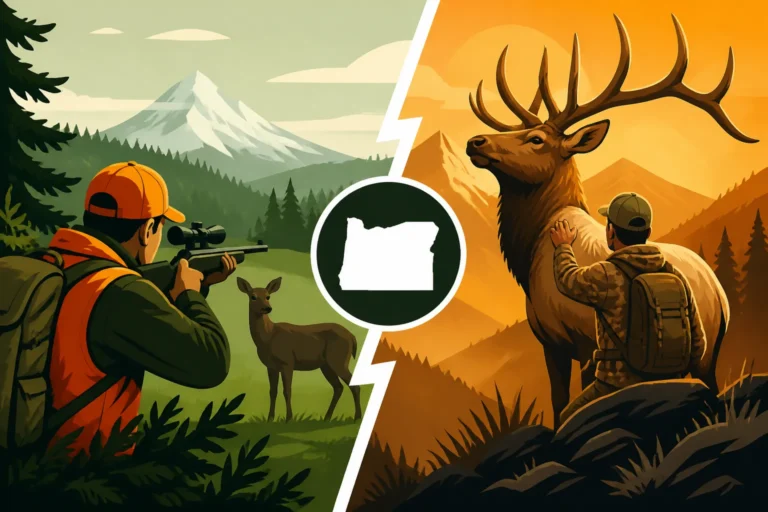
Think about it: an outfitter has seen countless hunters come and go, some perfectly prepared, others woefully under-equipped. Their list is a distillation of lessons learned the hard way. For instance, if you're headed for an Archery Elk Hunting Oregon's August and September Seasons in the Cascades, that list will heavily emphasize breathable, quick-drying layers and good optics, because you'll be doing a lot of hiking in warm, dry conditions, often glassing vast areas. Contrast that with a November rifle hunt for Roosevelt elk in the Coast Range, and suddenly that gear list will be dominated by waterproof outer shells, sturdy Boots for Wet Coastal Hunting, and durable gaiters, because you'll likely be dealing with relentless rain and thick, wet brush.
The type of hunt itself also heavily influences the list. A drop camp deep in the wilderness requires different considerations for weight and self-sufficiency than a lodge-based hunt where you're driven to daily hunting spots. The outfitter knows their specific area, the typical weather patterns for your chosen season, and the physical demands of the hunt. They're trying to prevent you from being miserably cold, wet, or injured, which would ruin your experience and potentially compromise the entire hunt for the group. It's not about being overly demanding; it's about setting you up for the best possible outcome.
Understanding Different Categories: Personal, Camp, and Shared
Outfitter gear lists often implicitly or explicitly break down into several categories. Getting clear on these helps you organize and pack effectively.
First, there's your personal gear: the items you'll be wearing or carrying with you at all times in your daypack. This includes your layering system of clothing, personal first aid, water, snacks, navigation tools, and your weapon. These are things you must have and be responsible for yourself.
Second, there's camp gear: items that are essential for the base camp, which your outfitter might provide or expect you to bring, depending on the service level. This could be sleeping bags, sleeping pads, tents (if it's a drop camp), cooking gear, and lighting. If you've booked a fully outfitted trip, much of this might be covered by them, but always double-check. For example, some outfitters might ask you to bring your own specific sleeping bag or pad for comfort or warmth rating.
Finally, there might be shared gear, or items that are critical for the group but only one or two people need to carry. This could be a comprehensive group first-aid kit, a satellite communication device, or specialized optics like a large spotting scope. Your outfitter will typically clarify what they are providing and what they expect hunters to contribute. Don't be shy about asking if something like a quality Rangefinders in Steep Country will be provided by them or if you should bring your own. Using platforms like BookYourHunt can sometimes help you vet what's included in an outfitter's package, often detailing camp amenities and gear provisions right in their listing. Always clarify with your specific outfitter before assuming.
Essential Gear Components and Oregon-Specific Considerations
Oregon's landscapes demand a thoughtful approach to gear. What works in the dry, open country of Eastern Oregon might leave you soaked and shivering in the rainforests of the Coast Range. A good outfitter's list accounts for these regional differences, but it’s still on you to acquire the right items.
Clothing and Layering Systems for Variable Oregon Weather
The golden rule of hunting attire, especially in Oregon, is layering. You simply cannot predict what Mother Nature will throw at you. One day could start with frost, turn into a warm, sunny afternoon, and finish with a cold, driving rain. Your outfitter's list will likely stress this.
Start with a good base layer: merino wool or synthetic materials are king here because they wick moisture away from your body, keeping you dry and warm even when you sweat. Avoid cotton at all costs; it absorbs moisture, holds it against your skin, and will make you cold the moment you stop moving. Next, a mid-layer provides insulation—fleece or another wool layer works well. Finally, an outer shell is your protection from the elements. For Western Oregon, this means a truly waterproof and breathable jacket and pants. We're talking about serious Rain Gear That Actually Stays Dry, not just water-resistant stuff. You'll be glad you invested when you're still-hunting in a relentless drizzle, or Still-Hunting Blacktails in Wet Oregon Coastal Brush. For Eastern Oregon, while rain is less frequent, wind and cold can be extreme, so a good windproof and insulated outer layer is crucial, often paired with breathable fabrics for active hunting in sunnier conditions.
Footwear is another non-negotiable area. Your boots are your foundation. A quality pair of well-broken-in hiking boots, preferably waterproof, is paramount. Again, the specific terrain dictates the style. Boots for Steep Eastern Oregon Country will likely have stiffer soles and more ankle support for rocky, uneven ground, while boots for coastal hunting need to be absolutely watertight and comfortable for slogging through muddy, uneven forest floors. Always, always break in new boots before your hunt, never on it. Your feet will thank you.
Optics, Navigation, and Safety Items
Beyond clothing, your outfitter will list crucial tools for locating game, getting around, and staying safe. Good optics are fundamental to almost any big game hunt in Oregon. Binoculars are your primary tool for scanning the landscape and locating animals, especially when Glassing Eastern Oregon Rimrock for Mule Deer or Spotting Bears on Green-Up Slopes. A spotting scope can be invaluable for evaluating animals from a distance without disturbing them, helping you decide whether to pursue. And a reliable rangefinder is a must, particularly when Practicing Steep-Angle Shots in mountainous terrain, ensuring ethical shot placement.
Navigation is paramount, even with a guide. While your outfitter will lead the way, understanding your location and having backup tools is vital. A GPS unit (either dedicated or a robust app on your phone with downloaded maps) coupled with a physical map and compass are wise choices. Don't solely rely on your phone; batteries die, and signals disappear in remote areas. Oregon's wilderness can be unforgiving, and knowing how to use a compass with a topographic map is a skill that could save your life. Many outfitters operate in units where E-Scouting Oregon Units With Satellite Imagery can be very helpful for hunters to familiarize themselves with the terrain beforehand.
Safety gear typically includes a personal first-aid kit, even if the outfitter carries a larger one. Think about what you might need for blisters, cuts, or personal medications. Other items like a headlamp with spare batteries, a fire starter, and a small emergency shelter (like a space blanket or lightweight tarp) are standard. Communication in the backcountry can be tricky; cell service is often nonexistent. That's where a satellite messenger or two-way radios come into play. Two-Way Radios and Legal Use While Hunting are a great way to stay in touch with your hunting partners or guide over short to medium distances in dense cover. A robust first-aid kit is listed under First Aid Kit Items for a Remote Hunt, and it is a good idea to know how to use it.
Hunting-Specific Tools and Personal Items
Naturally, your weapon is at the top of the list for hunting-specific items. Whether it’s your rifle, bow, or muzzleloader, ensure it's sighted in, clean, and functioning perfectly. Your outfitter will likely specify minimum caliber or draw weight recommendations based on the game and terrain. For example, a discussion on Rifle Calibers That Suit Oregon Elk is a good one to have before you arrive. If you're an archer, knowing your Bow Draw Weight for Elk and ensuring your Archery Setup for Wet Oregon Timber can handle the elements is crucial. Muzzleloaders have their own considerations, especially regarding Muzzleloader Loads and Wet-Weather Ignition.
Beyond your main weapon, consider a good quality hunting knife, a small sharpening stone, and game bags. These are essential for field dressing and protecting your meat immediately after a successful harvest.
Finally, don't forget personal items that contribute to your comfort and morale: a small book, earplugs, any prescription medications, toiletries, and perhaps a favorite high-energy snack that isn't included in the outfitter's food plan. These small comforts can make a big difference during a multi-day hunt.
Logistics and Preparation Beyond the Gear List
Having the right gear is only half the battle. How you prepare yourself physically and mentally, and how well you communicate with your outfitter, will significantly impact your hunting experience.
Physical and Mental Conditioning
Let's be real: hunting in Oregon can be physically demanding. Whether you're climbing steep canyons for mule deer in the high desert or busting through thick rhodie for Roosevelt elk in the Coast Range, you'll be exerting yourself. Your gear list might imply a certain level of fitness, but it won't explicitly tell you to hit the gym. Physical Training for an Oregon Elk Hunt isn't just a suggestion; it's a necessity if you want to enjoy the hunt and be capable when the moment of truth arrives. Start an exercise regimen well in advance focusing on cardio, strength, and endurance. Practice hiking with a loaded pack, simulating the weight you might carry if you're helping pack out an animal.
Beyond the physical, mental toughness is crucial. Hunts are rarely easy. You'll face discomfort, bad weather, fatigue, and perhaps even frustration when game isn't cooperating. A positive attitude, resilience, and the ability to push through when things get tough are as important as the best rain gear. Recognize that challenging moments are part of the adventure, and prepare your mind to embrace them.
Asking the Right Questions and Pre-Trip Communication
Never, ever hesitate to ask your outfitter questions about the gear list or any aspect of the hunt. They want you to be prepared and comfortable. It's far better to clarify before you go than to show up with the wrong items. You can use resources like GoHunt for research into specific units or tactics, which might spark questions for your outfitter about their approach or specific needs.
Here are some good questions to ask:
- "Are there specific brands or materials you recommend for my rain gear, given the typical weather during my hunt?"
- "What type of terrain will we be covering most often, so I can ensure my boots are appropriate?"
- "What is the average temperature range we can expect, and what are the extremes?"
- "Will you be providing any of the 'group' gear, like a spotting scope or satellite phone?"
- "What are the weight restrictions for my personal gear if we're packing in?"
- "What specific items are absolutely non-negotiable, even if they seem minor?"
A good outfitter will appreciate your proactive approach and provide clear answers. This open communication builds trust and ensures you both have aligned expectations for the trip. Platforms like BookYourHunt also often have direct contact options with outfitters, making this pre-trip dialogue easy and transparent. Don't be afraid to dig into Questions to Ask an Oregon Outfitter before you finalize your booking.
Common Mistakes and How to Avoid Them
Even with a detailed gear list, hunters sometimes make common mistakes that can detract from their experience. Being aware of these pitfalls can help you avoid them.
Overpacking Versus Underpacking
This is a classic dilemma. The fear of forgetting something crucial often leads to overpacking, especially for backpack or drop camp hunts where every ounce counts. Hauling unnecessary weight can quickly lead to exhaustion, sore muscles, and a miserable time. On the other hand, underpacking critical items like adequate rain gear or enough warm layers can leave you cold, wet, and potentially hypothermic.
The key is balance and ruthless evaluation. Lay out everything on your gear list. Go through each item and ask yourself, "Do I really need this, or is there a lighter, more versatile alternative?" For heavy items like extra clothing, consider if you truly need three changes of pants or if two would suffice with proper layering. For a pack-in hunt, outfitters often have strict weight limits for your personal gear, as their stock can only carry so much. Respect these limits, and if you're close, start trimming. Conversely, for items like fire starters, a compass, or essential medications, always ensure you have them, even if they seem small.
Neglecting to Test Gear Before the Hunt
There's nothing worse than discovering your new rain jacket leaks like a sieve on the first day of a downpour, or that your freshly sharpened knife won't hold an edge. Many hunters make the mistake of buying new gear and tossing it straight into their duffel without a trial run.
Your boots: Break them in! Wear them on hikes, wear them at home. blisters are a hunt-killer.
Your rain gear: Test it. Stand in the shower or wear it during a heavy rainstorm at home. Does it truly repel water? Does it breathe enough?
Your optics: Practice using your binoculars and spotting scope. Know how to quickly adjust them. Test your rangefinder in varying light conditions.
Your weapon: This is paramount. Don't just sight it in and assume. Practice shooting from various positions you might encounter in the field—sitting, kneeling, off your pack. If it's a rifle, confirm Sighting In Before the Season Opens with the exact ammunition you'll be using. If a bow, make sure you can consistently shoot accurately and comfortably with your hunting clothes on.
Testing your gear isn't just about functionality; it's about building confidence. When you know your gear works and you're proficient with it, you can focus on the hunt itself, not on faulty equipment.
Not Considering the "Worst-Case Scenario"
A good gear list, and your preparation, should always account for the unexpected. What if you get separated from your group? What if you twist an ankle miles from camp? What if a sudden blizzard hits? Oregon's weather can be volatile, and emergency situations, while rare, do happen.
Always pack enough to survive for at least 24 hours on your own, even if you're with an outfitter. This includes extra warm layers, a reliable fire starter, enough water or purification tablets, high-energy snacks, and your basic navigation tools. Discuss emergency procedures with your outfitter beforehand. Where are the rendezvous points? What are the communication protocols if someone gets lost or injured? Leaving a Trip Plan With Someone at Home is always a wise decision, outlining your hunting area and expected return.
By thoroughly understanding your outfitter's gear list, considering the unique demands of Oregon's hunting environments, and preparing diligently, you'll ensure your adventure is both successful and safe.
| Gear Category | Western Oregon (Wet/Dense) | Eastern Oregon (Dry/Open) | Common Considerations |
|---|---|---|---|
| Outerwear | Heavy-duty waterproof/breathable jacket & pants | Windproof, durable, breathable outer layers | Avoid cotton; focus on quiet fabrics |
| Base/Mid Layers | Merino wool or synthetic for moisture wicking | Merino wool or synthetic for temperature regulation | Layering is key for variable temps |
| Footwear | Waterproof, high-ankle boots with good traction | Stiff-soled, well-broken-in boots for rocky terrain | Gaiters recommended for both |
| Optics | Binoculars (8-10x), rangefinder | High-power binoculars (10-12x), spotting scope, rangefinder | Clarity, light-gathering, practice use |
| Navigation | GPS with downloaded maps, physical map, compass | GPS with downloaded maps, physical map, compass | Satellite messenger/PLB highly recommended for both |
| Safety/Survival | Personal first-aid kit, fire starter, emergency shelter | Personal first-aid kit, fire starter, emergency shelter | Whistle, headlamp, water filter/purifier |
| Hunting Specific | Quality hunting knife, game bags, sharpening tool | Quality hunting knife, game bags, sharpening tool | Weapon sighted in, extra ammo/broadheads |
Disclaimer
This article is for general informational purposes only and does not constitute professional advice. Laws, prices and regulations vary by location and change over time. Consult a qualified professional for guidance on your specific situation.