Opportunity Hunts Versus Trophy Hunts
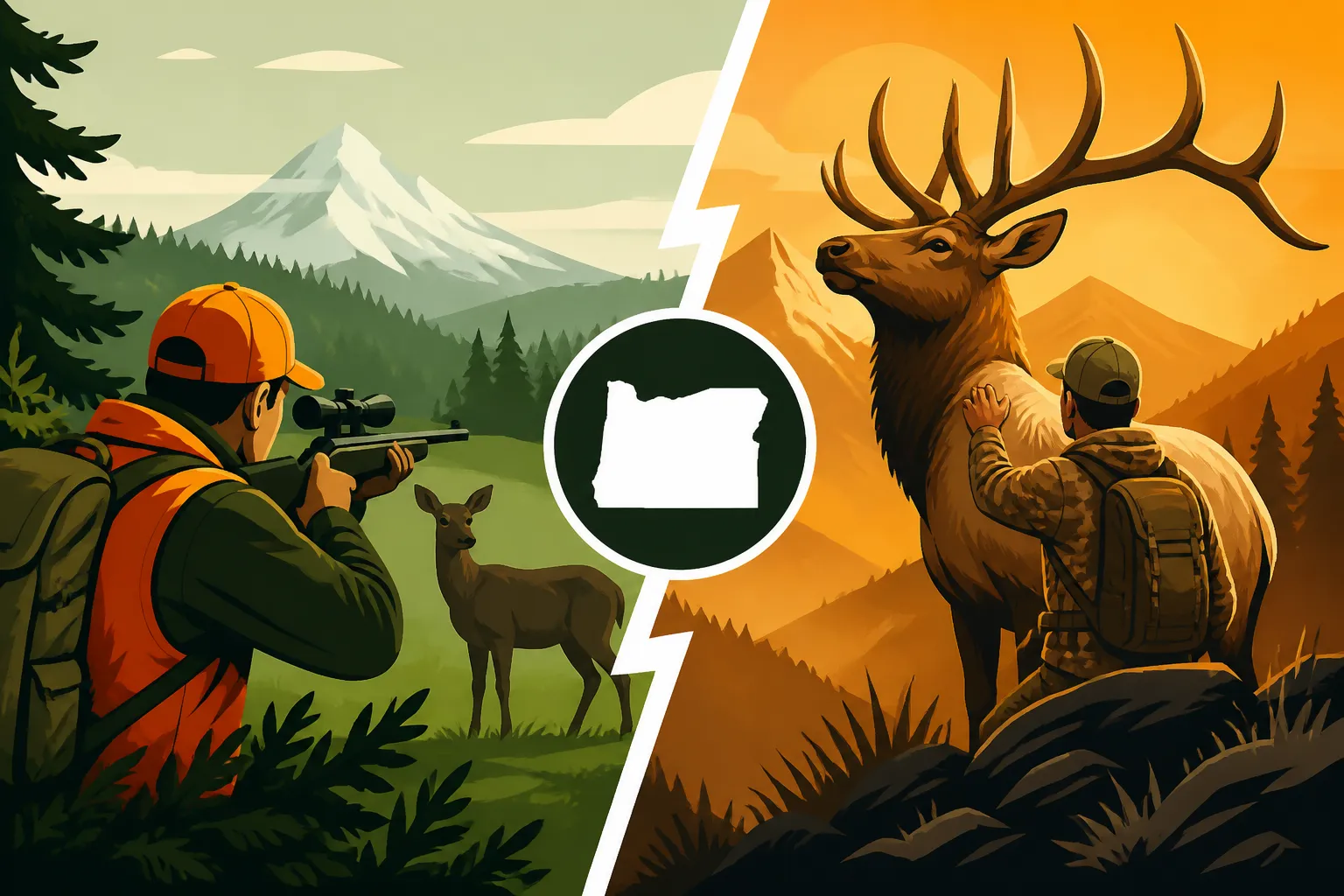
One of the biggest internal debates every Oregon hunter faces, whether you're new to the game or have decades under your belt, is figuring out what kind of experience you're truly after. It’s easy to get swept up in the pursuit of a massive bull or buck, but often, the most fulfilling hunts are those focused on simply enjoying the outdoors and bringing home some wild game. This guide is here to help you navigate the often-confusing landscape of "opportunity hunts" versus "trophy hunts" in Oregon, breaking down what each entails and helping you decide which path aligns best with your personal hunting goals.
Understanding the Core Differences: What Defines Each Hunt?
Before you even think about putting in for a tag or scouting a new unit, it's crucial to understand the fundamental philosophies behind opportunity hunting and trophy hunting. They're not just different in the size of the animal you're hoping for; they represent entirely different approaches to the hunt itself, from planning and preparation to the actual time spent in the field.
The Philosophy Behind an Opportunity Hunt
At its heart, an opportunity hunt is about getting out, enjoying the experience, and primarily focusing on harvesting an animal for meat. The objective is often to fill the freezer, plain and simple, rather than holding out for a specific antler score or body size. This doesn't mean you won't appreciate a nice animal if it steps out, but the pressure to find a Boone and Crockett contender isn't the driving force.
Think of it this way: for many Oregon families, an opportunity hunt means an accessible general season deer tag in the Coast Range for blacktails, or perhaps an over-the-counter elk tag in the vast public lands of the Umpqua or Siuslaw National Forests. You're heading into areas where animal numbers might be good, and the odds of encountering an animal are relatively high, even if it's not a mature bull or a four-point buck. The success isn't measured solely by the rack, but by the shared experience, the challenge of the chase, and the delicious wild game meat that graces your dinner table for months to come. These hunts often involve less intense scouting, simpler gear setups, and a more relaxed pace. They are perfect for new hunters, families, or anyone who simply loves the act of hunting without the added stress of a once-in-a-lifetime animal.
The Aspirations of a Trophy Hunt
On the flip side, a trophy hunt is a far more specialized endeavor. This pursuit is all about targeting a specific class of animal—typically mature, older-age-class males with impressive antlers or horns that meet or exceed certain record book standards. The aspirations here are high, often involving years of planning, accumulated preference points, and a significant investment of time, money, and effort.
In Oregon, a trophy hunt often means drawing a coveted tag in a highly managed unit known for producing big animals, such as an Eastern Oregon Rocky Mountain elk unit or a specific mule deer herd range that's carefully managed for buck quality. Hunters might spend countless hours E-Scouting Oregon Units With Satellite Imagery or physically boots-on-the-ground scouting, looking for specific animals identified by trail camera photos or past sightings. The patience required is immense, as a trophy hunter might pass on multiple smaller animals, waiting for the one. This approach requires a deep understanding of animal behavior, advanced hunting techniques like Glassing Eastern Oregon Rimrock for Mule Deer, and often, the willingness to embark on arduous physical challenges in remote wilderness. The success isn't just about harvesting an animal; it's about the culmination of a long-term goal, the challenge overcome, and the physical representation of that achievement in a set of antlers or horns.
Weighing the Realities: Pros and Cons for the Oregon Hunter
Both opportunity and trophy hunting have their distinct advantages and disadvantages, especially when you consider the unique hunting landscape of Oregon. What works for one hunter might be completely frustrating for another, and it’s important to be honest with yourself about what you’re willing to invest and what you truly want to get out of your time afield.
Advantages and Disadvantages of Opportunity Hunts
Opportunity hunts are often seen as the backbone of hunting in Oregon, providing accessible experiences for many.
Advantages:
- Higher Success Rates: Generally, the odds of harvesting an animal are significantly better on an opportunity hunt. You're typically hunting in areas with more animals or general season tags that allow for greater flexibility.
- More Available Tags: Many opportunity hunts utilize over-the-counter tags or general season tags that don't require years of preference points to draw. This means you can often decide to hunt relatively close to the season, making planning easier. Check out Oregon General Season Versus Controlled Hunt Tags for more details on how these differ.
- Less Pressure: While any hunt can be stressful, the mental pressure to harvest a specific caliber of animal is greatly reduced. This allows for a more relaxed and enjoyable experience, especially when hunting with friends or family.
- Family-Friendly: These hunts are excellent for introducing new hunters, especially youth, to the sport. The focus on participation and general success makes it less intimidating.
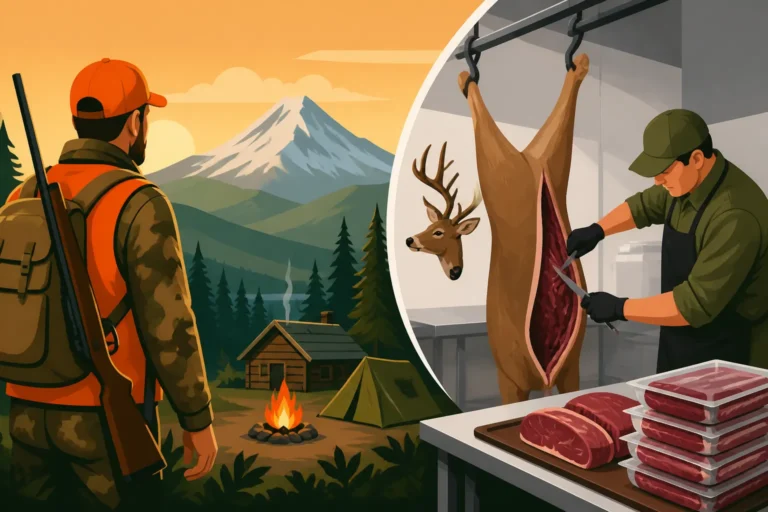
- Focus on Meat: For many, the primary goal of hunting is to put organic, wild game meat on the table. Opportunity hunts excel at this, often allowing for earlier success and the logistical benefits of getting meat processed sooner.
- Accessibility: Many opportunity hunts occur on easily accessible public lands, like national forests and BLM land, which are often closer to population centers or have well-developed road systems. Knowing how to locate these areas is key, and resources like Public Land Hunting in Oregon: Forest, BLM and State can be invaluable.
Disadvantages:
- Smaller Animals: While you might occasionally tag a surprise big one, the reality is that you're less likely to encounter truly mature, large-racked animals. If "trophy" is your only measure of success, you might be disappointed.
- Potential for Crowding: Areas with readily available tags and easy access can sometimes experience higher hunter density, especially during opening weekend. This can impact the hunting experience and animal behavior.
- Less "Glory": If your social media feed is filled with giant racks and epic backcountry photos, you might feel a slight disconnect if your opportunity hunt yields a smaller animal. It's important to remember why you hunt.
The Ups and Downs of Trophy Hunting in Oregon
Trophy hunting, while alluring, comes with its own set of demanding challenges and potential setbacks.
Advantages:
- Potential for a Magnificent Animal: The ultimate reward is the chance to harvest a truly exceptional animal, one that represents years of growth and elusiveness. The stories, memories, and the mount itself are often deeply cherished.
- Ultimate Challenge: These hunts push hunters to their limits—physically, mentally, and strategically. The dedication to scouting, physical conditioning, and intricate hunt planning can be incredibly rewarding.
- Bragging Rights (for some): For those who value it, a trophy animal is a badge of honor, a testament to skill, patience, and perseverance.
- Exploring Prime Habitat: Trophy hunts often take you into the most remote, pristine, and wildlife-rich areas of the state, offering unparalleled wilderness experiences. This could mean deep into the Eagle Cap Wilderness Hunting Access or other remote corners.
Disadvantages:
- Extremely Low Draw Odds: Securing a tag for a prime trophy unit in Oregon can take many years of accumulating preference points. For some hunts, drawing a tag is literally a once-in-a-lifetime event. You'll want to study Oregon Controlled Hunt Draw Explained and Oregon Preference Points and How They Work very carefully.
- High Time Commitment: From extensive e-scouting and physical scouting trips to spending weeks in the field during the hunt, trophy hunting demands a massive amount of personal time.
- Significant Financial Investment: Between travel, specialized gear (high-end optics, lightweight camping equipment), potential guide fees, and even just the cost of licenses and applications over many years, trophy hunting can be very expensive. Oregon Big Game Tag Costs for Residents and Nonresidents outlines some of these baseline expenses.
- Higher Chance of Eating Your Tag: Despite all the effort, there's a very real possibility of not harvesting an animal. The commitment to a "trophy" often means passing on many smaller animals, and sometimes, the big one just never shows up. This can be mentally taxing after years of waiting and immense effort.
- Intense Pressure: The self-imposed pressure, combined with the rarity of the tag, can make these hunts incredibly stressful. Every decision feels monumental.
- Specialized Knowledge Required: Success often hinges on a deep understanding of very specific unit characteristics, animal migration patterns, and advanced hunting tactics for species like Oregon Mule Deer and the Herd Range Decline or Rocky Mountain Elk in Eastern Oregon.
Making Your Choice: Factors to Consider Before Applying
So, how do you decide which path is right for you? It's not a universal answer; it depends entirely on your personal circumstances, goals, and what you want to get out of your hunting lifestyle. There’s no right or wrong answer, only the right answer for you right now.
Assessing Your Priorities and Experience Level
Before you even glance at the Oregon big game regulations, sit down and honestly evaluate a few key things about yourself and your situation:
- What are your primary goals? Is it filling the freezer with organic meat? Is it spending quality time with family in the woods? Or is it the pursuit of a world-class animal to hang on your wall? If it's mainly about venison for the year, an opportunity hunt for a blacktail in Roosevelt Elk in Western Oregon country might be your best bet, or even an easily accessible eastern Oregon unit for cow elk. If it's a specific, large animal, then the trophy hunt path is calling.
- How much experience do you have? New hunters might find the complexities and pressures of a trophy hunt overwhelming. Starting with opportunity hunts allows you to build essential skills, learn animal behavior, and gain confidence without the immense pressure of a once-in-a-lifetime tag. Seasoned hunters, on the other hand, might be ready for that ultimate challenge.
- What is your physical fitness level? Trophy hunts, especially for elk in rugged terrain or high-desert mule deer, often require peak physical conditioning. You might be hiking miles in steep country, packing heavy loads, and enduring harsh weather. Opportunity hunts can be more flexible, allowing for hunting closer to roads or in less demanding terrain. Consider the specific demands of Physical Training for an Oregon Elk Hunt.
- How much time can you commit? Trophy hunts demand significant time for scouting, research, and potentially multiple weeks in the field. If you have limited vacation time or family commitments, a shorter, less intensive opportunity hunt might be more feasible and enjoyable.
- What's your budget? Be realistic about how much money you can comfortably invest. Trophy hunts often incur higher costs in travel, gear, and potentially guide services.
Navigating Oregon's Tag System and Unit Choices
Once you have a clearer picture of your priorities, you can start to look at Oregon's specific hunting regulations. The state's system can be complex, especially with its recent changes to unit names and hunt areas.
For opportunity hunts, you'll typically be looking at:
- General Season Tags: These are often over-the-counter or relatively easy to draw, like many of Oregon's general season western blacktail deer or general season elk tags. These hunts usually occur in broad regions rather than specific, small units.
- High-Volume Units: Some of Oregon's wildlife management units, even for controlled hunts, have higher tag numbers and thus better draw odds, making them suitable for opportunity-focused hunters who want a tag. Understanding Oregon's Wildlife Management Units and New Hunt Areas is crucial here.
- Antlerless Tags: Often easier to draw and excellent for filling the freezer, antlerless tags for deer and elk are prime examples of opportunity hunts.
For trophy hunts, your focus will shift to:
- Controlled Hunts Requiring High Preference Points: These are the hunts everyone talks about, found in units specifically managed for older age-class animals and low hunter pressure. You'll need to study Oregon Preference Points and How They Work intimately and potentially apply for point-only for several years.
- Limited Entry Units: These units have very low tag quotas, ensuring a high-quality hunting experience and better chances of encountering mature animals.
- Specific Species and Subspecies: Some hunters focus on particular subspecies, like a pure Rocky Mountain bighorn sheep or a specific type of mule deer known for exceptional size.
It's really helpful to consult resources that compile data on draw odds, success rates, and unit characteristics. Platforms like GoHunt can provide invaluable insights into historical draw odds and unit reports, helping you strategize your application based on whether you're aiming for a realistic opportunity or a long-shot trophy. Remember, understanding the system is half the battle when making these critical application choices.
Finding Your Ideal Hunt: Resources and Next Steps
Once you've reflected on your goals and understood the lay of the land in Oregon hunting, it's time to start putting your plan into action. Whether you're leaning towards an accessible opportunity hunt or a challenging trophy quest, there are resources and approaches that can significantly enhance your chances of success and enjoyment.
DIY Versus Guided for Each Hunt Type
The question of going solo (DIY) versus hiring a guide is a significant one, and the answer often aligns with your hunt type.
For Opportunity Hunts, DIY is often the most common and practical approach. Many general season or easier-to-draw tags are designed for hunters who want to explore public lands on their own or with a small group of friends or family. These hunts foster self-reliance, backcountry skills, and a deep personal connection to the land. You'll spend time learning the terrain, tracking animals, and developing your own strategies, which is a hugely rewarding part of the hunting experience. For this, tools like detailed maps and GPS apps are your best friends.
For Trophy Hunts, a guide can sometimes be an invaluable asset, though not always a necessity. Many hunters successfully pursue trophy animals DIY, but a reputable guide brings several advantages:
- Access to Private Land: Many of the best trophy animals are found on private ranches or timber lands, and guides often have exclusive access.
- Local Knowledge: Guides spend hundreds of days a year in their hunting areas. They know animal patterns, water sources, bedding areas, and escape routes like the back of their hand.
- Equipment and Logistics: Guides typically provide all the necessary camp gear, pack animals, and logistical support, which is critical for remote, multi-day backcountry hunts.
- Increased Odds: While no guide can guarantee a trophy, their expertise often significantly increases your odds of finding and successfully harvesting a high-caliber animal.
If you're considering a guided trophy hunt, make sure to do your homework. Start by reading Hiring a Registered Oregon Hunting Guide to understand what to look for, and certainly inquire about What an Oregon Guided Elk Hunt Costs as prices can vary widely. It’s a big investment, so choose wisely. Understanding the differences covered in Guided Versus DIY Hunting in Oregon will also help you make an informed choice.
Leveraging Hunt Planning Tools
In today's digital age, hunters have an incredible array of tools at their fingertips that can make planning any hunt, opportunity or trophy, much more efficient and effective.
- ODFW Resources: The Oregon Department of Fish and Wildlife website is your first and most authoritative source for regulations, unit maps, hunt statistics, and application periods. Familiarize yourself with how they structure units and controlled hunts.
- Mapping Software: Tools like onX Hunt, Gaia GPS, or similar apps are indispensable. They allow you to study public and private land boundaries, topographical features, water sources, and potential access points. This is critical whether you're scouting for a general season blacktail or looking for a specific bull in a limited-entry elk unit.
- Online Forums and Social Media Groups: These platforms can be great for gathering general information, asking questions, and connecting with other hunters. Just remember to take advice with a grain of salt and verify any information with official sources.
- Hunt Planning Services: As mentioned, GoHunt provides detailed draw odds, unit analyses, and harvest data which can be incredibly useful for strategizing your controlled hunt applications, especially when chasing trophy animals that require multiple years of point accumulation.
- Outfitter Directories: If a guided hunt is in your future, websites like BookYourHunt can be great resources to browse and research registered outfitters in Oregon, see what kinds of hunts they offer, and read client reviews. This can help you narrow down your choices and find a reputable guide that aligns with your specific hunting aspirations.
Ultimately, the choice between an opportunity hunt and a trophy hunt is deeply personal. There’s immense satisfaction to be found in both paths. Many hunters even alternate, pursuing an accessible deer tag one year and building points for a dream elk hunt the next. The most important thing is to align your hunting efforts with your personal definition of success, ensuring that every moment you spend in Oregon's incredible wild places is truly rewarding.
Disclaimer
This article is for general informational purposes only and does not constitute professional advice. Laws, prices and regulations vary by location and change over time. Consult a qualified professional for guidance on your specific situation.