Reading an Outfitter’s Photo Gallery Honestly
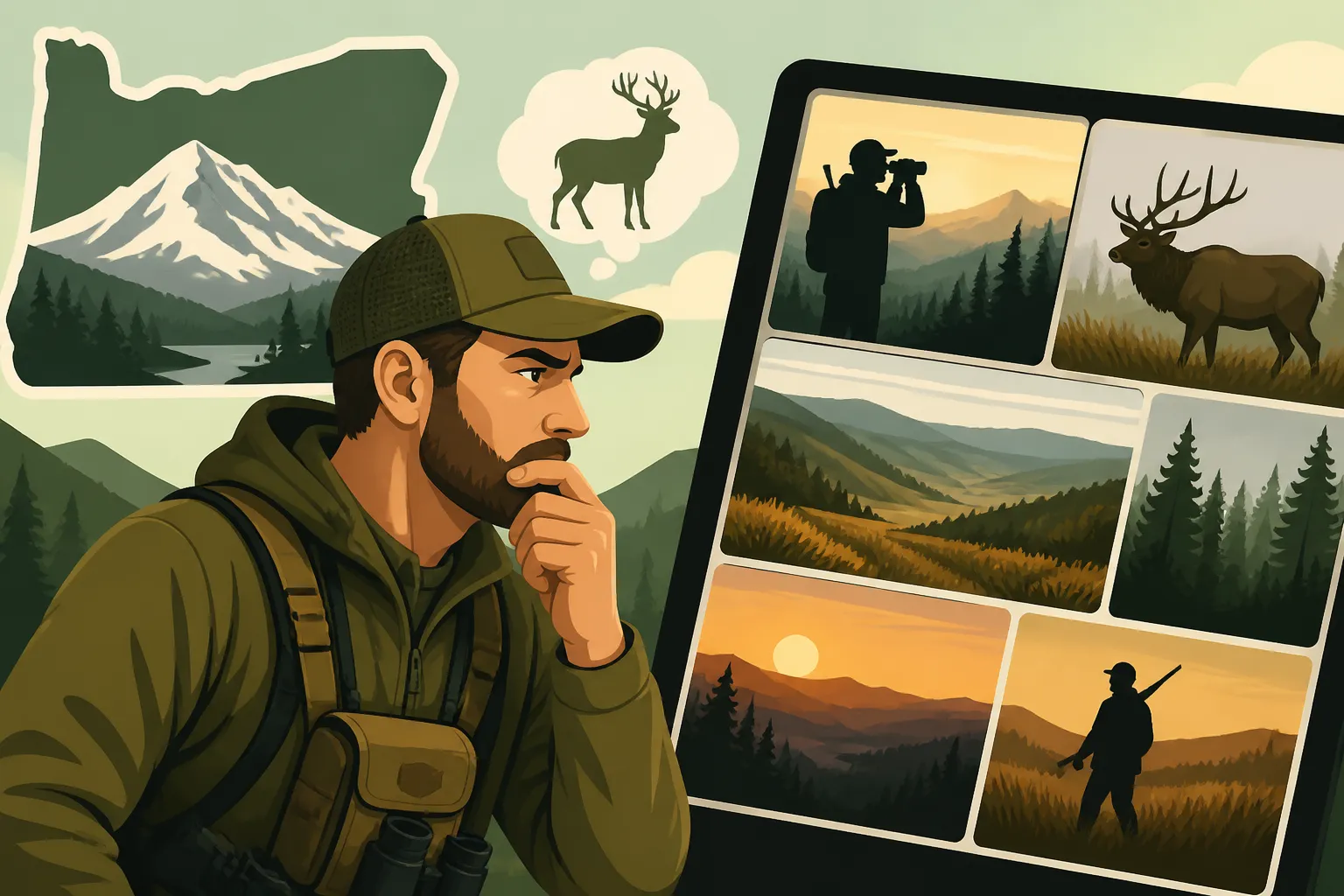
Oh, the sheer excitement of flipping through an outfitter's photo gallery! It's often the first real peek we get into what a hunting adventure might look like. We’ve all been there, scrolling through image after image, dreaming of that majestic bull or trophy buck. But here’s the thing, my friend: those galleries are a carefully curated highlight reel, designed to make you swoon. They rarely tell the full, unvarnished story. This guide is all about teaching you how to look beyond the glossy surface, to honestly interpret what those photos are really showing you, and to set realistic expectations for your next Oregon hunt.
The Lure of the Hero Shot: Beyond the Trophy Photo
Every outfitter's website is going to feature what we affectionately call "hero shots." These are the jaw-dropping photos of smiling hunters kneeling next to absolute giants – the kind of animal that makes your heart pound just looking at it. And why wouldn't they? That's what draws us in! We want to believe that's the kind of success we'll experience. But let's get real for a moment: these are the absolute best-case scenarios, the exceptional animals, often taken by seasoned hunters who might have invested years or multiple trips.
The problem with focusing solely on these spectacular images is that they can create a skewed perception of reality. You might start to think that a 350-inch bull elk or a massive P&Y mule deer is the average outcome on this outfitter's hunt, when in fact, it could be the singular achievement of an entire season, or even several seasons. This isn't to say those animals aren't real, or that the outfitter didn't guide the hunter to them. It simply means that one or two incredible animals don't define the typical experience for every client. When you're dreaming of your Oregon elk hunt, it's easy to picture yourself with the biggest bull on the page, but remember to ask yourself, "Is this truly representative, or is this the absolute peak?"
Think about it like this: if you went to a restaurant's website, they'd show you the most perfectly plated dish, under ideal lighting, not a candid shot of a customer halfway through their meal. Hunting photo galleries operate on the same principle. They showcase the absolute pinnacle. A great way to ground your expectations is to also check out Oregon Outfitter Success Rates and What They Measure. Understanding the actual success rates, which are often reported as harvest rates or opportunity rates, can give you a much clearer picture than a handful of trophy photos. It also helps differentiate between an Opportunity Hunts Versus Trophy Hunts; sometimes, just getting an opportunity at an animal is a huge win.
Decoding the Details: What the Background and Context Reveal
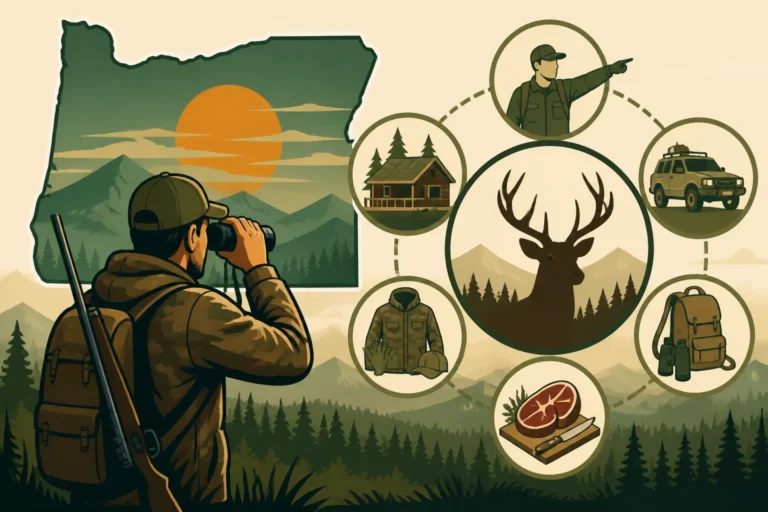
When you're scrutinizing an outfitter's photo gallery, don't just admire the antlers or the hide. Become a detective and meticulously examine the background and context of each image. The surroundings in a photo can tell you an incredible amount about the type of hunt you'll be on, the terrain, the weather, and even the physical demands. This is where the real story often hides.
Start by looking at the habitat. Are you seeing dense, dark coastal timber, thick with sword fern and salal, indicative of Blacktail Deer Hunting in Oregon's Coastal Clearcuts or Calling Roosevelt Elk in Oregon Rainforest Timber? Or is it wide-open, sagebrush-dotted high desert, perhaps hinting at Glassing Sage and Juniper for Eastern Oregon Mule Deer or even a challenging pronghorn hunt? The type of cover, the presence of specific tree species like ponderosa pine or juniper, or even the rocky rimrock, will give you clues about how you'll be hunting – still-hunting in close quarters, glassing vast expanses, or traversing steep, broken country. If you're physically preparing for a hunt, knowing the terrain from photos can inform your training, like focusing on specific leg and lung workouts for a Physical Training for an Oregon Elk Hunt.
Next, pay attention to the season. Is there snow on the ground, suggesting a late-season rifle hunt or even Tracking Bucks in Fresh Eastern Oregon Snow? Are the trees in full autumn color, or are they bare? This can tell you about temperature expectations and visibility. Look at the hunter's clothing: are they wearing heavy parkas and insulated boots, or lighter layers? Are their rain gear jackets visibly soaked, giving you a hint about the typical weather conditions in that area, especially if you're considering a coastal hunt where Rain Gear That Actually Stays Dry is paramount? What kind of footwear are the hunters and guides wearing? Heavy-duty, waterproof Boots for Wet Coastal Hunting are a must for many parts of Oregon, and the photos can show you if the guides are prepared for that reality.
Also, examine the gear. Is the hunter holding a rifle or a bow? If it’s archery, look at the setup – is it designed for wet weather, like an Archery Setup for Wet Oregon Timber, or a dry, open-country hunt? The presence of pack frames, horses, or even a particular type of truck can give you clues about how game is retrieved, especially for something as demanding as Packing Out an Elk in Oregon's Wilderness Units. Don't forget to look at the animal itself. Does it look healthy and well-fed, or is it showing signs of stress? These subtle clues, when pieced together, paint a much more accurate picture than just the size of the antlers.
| Photo Detail | What You See | What It Might Mean for Your Hunt |
|---|---|---|
| Terrain | Dense forest, steep slopes, thick brush | Expect physical exertion, close-range shots, timber hunting techniques. |
| Open sagebrush, rimrock, vast plains | Long-range glassing, longer shots, need good optics. | |
| Weather | Heavy rain, snow, muddy conditions | Be prepared for cold, wet weather; focus on durable gear. |
| Sunny, dry, clear skies | Pack lighter layers, consider hydration needs, fire danger. | |
| Hunter's Gear | Heavy backpack, sturdy boots, quality rain gear | The hunt demands packing, hiking, and adverse weather readiness. |
| Light gear, street clothes | Potentially a less strenuous hunt, or a short-duration trip. | |
| Animal Condition | Clean, healthy, vibrant coat | Good herd health, abundant forage. |
| Muddy, tired, perhaps missing patches | Could indicate challenging conditions, or a long pursuit. | |
| Time of Day | Sunrise/sunset lighting | Early mornings and late evenings are prime hunting times. |
| Midday harsh light | May indicate long days in the field, or less active game. |
The People Factor: Guides, Clients, and Camp Life
Beyond the stunning landscapes and impressive game, a guided hunt is fundamentally an experience with people. The outfitter, the guides, and even your fellow clients will significantly shape your trip. While photos can't give you the full personality profile, they can offer crucial visual cues about the professionalism, camaraderie, and overall atmosphere of a camp. It's not just about getting an animal; it's about enjoying the journey, and the people around you are a huge part of that.
Start by looking at the guides themselves. Are they in the photos? Do they look engaged, friendly, and professional? Or do they seem like they're just going through the motions? A genuine smile from a guide, especially after a long, hard hunt, can speak volumes about their passion and dedication. Look for consistency in their appearance – do they seem well-organized and prepared, or a bit disheveled? These small observations can hint at the level of care and pride they take in their work. Some outfitters like to highlight the experience of their team, so seeing pictures of guides interacting with clients in a positive way is a good sign.
Next, extend your scrutiny to the clients. Are they solo in the photos, or are there group shots? Do they look genuinely happy and satisfied, or is their smile a bit forced? Are they properly dressed and equipped for the hunt, suggesting the outfitter provides good advice on what to bring? If there are multiple clients in a photo with their game, it can indicate a strong success rate, but also consider the context – is it a single day's take, or a cumulative effort over several days from many hunters? This can give you an idea of the kind of Camp Size on an Oregon Outfitted Hunt you might encounter and whether you prefer a more intimate or a larger group dynamic.
Finally, don't overlook pictures of the camp itself. What kind of accommodations are they offering? Is it a comfortable lodge, a rustic wall tent camp in the backcountry, or small spike camps? Questions About Camp Conditions are vital, and photos can hint at the answers. Are the tents clean and well-maintained? Is there a designated cooking area? What does the food look like, if pictured? Is there a sense of organization and comfort, or does it look like a haphazard setup? For some, a minimalist spike camp is part of the adventure, while others prefer more creature comforts. Understanding what's offered can help you gauge if the "camp life" aligns with your personal preferences, and if it matches what the outfitter promises is included in their What an Oregon Guided Hunt Package Includes.
Spotting the Red Flags and Asking the Right Questions
While photo galleries are meant to inspire, they can also contain subtle (or not-so-subtle) red flags that should prompt further investigation. Learning to identify these can save you a lot of disappointment down the road. Remember, an outfitter is putting their best foot forward; if even their best foot has a limp, that's something to pay attention to.
One common red flag is a lack of variety. If all the "trophy" photos look suspiciously similar – same backdrop, same angle, same lighting, or even the same animal with different hunters – it could suggest a limited number of successful hunts or even the reuse of older, more impressive photos. Another red flag is a gallery that appears to be entirely composed of old images. While an outfitter might have a long, storied history, you want to see recent successes to know if their current operation is still delivering. Be wary if you can't find any photos from the last year or two. Sometimes, outfitters will include stock photos of animals they didn't personally guide clients to, or animals harvested on private ranches unrelated to their public land offerings. This can be misleading.
Another thing to watch for is extreme close-ups of only the animal's head or antlers, without the hunter or the landscape. While these might be great for showing off the trophy, they tell you nothing about the hunt itself. Similarly, if every animal is huge and there are no "average" animals, it might be setting unrealistic expectations. Most hunts, even guided ones, involve taking respectable, but not necessarily record-book, animals. Don't let a gallery with only giants convince you that's the only outcome.
This is where external research becomes absolutely crucial. Don't rely solely on the outfitter's self-published content. Websites like BookYourHunt or GoHunt often provide platforms where hunters can review outfitters and share their unedited photos and experiences. This gives you a much broader, more balanced perspective. While an outfitter’s personal gallery might be 100% hero shots, these external platforms often feature more candid, realistic photos submitted by past clients. Checking these resources is an excellent way to see a more authentic representation of the outfitter's typical client success and the conditions they faced.
Once you’ve done your initial photo-gallery sleuthing, it's time to compile a list of questions for the outfitter. Don't be shy!
Key Questions to Ask After Reviewing the Gallery:
- "Can you tell me when this photo (point to a specific trophy animal) was taken, and what kind of hunt it was (e.g., archery, rifle, general season, controlled hunt)?"
- "Are the animals in your gallery generally representative of the size of animals taken by most clients each year, or are these exceptional examples?"
- "Do you have more recent photos that showcase different terrain or camp setups?"
- "What percentage of the animals in your gallery were taken on the specific type of hunt I'm interested in (e.g., public land elk, private ranch deer)?"
- "Can you provide references from clients who had a successful hunt but perhaps didn't take a record-book animal?" This helps you get a feel for the overall experience, not just the trophy potential.
- "Can you send me photos of your actual camp, including sleeping areas and dining areas, if they aren't clearly shown?"
These questions, combined with an honest review of the visual evidence, will give you a much clearer and more realistic picture of what to expect. Always be on the lookout for Red Flags When Booking a Hunt and make sure to take the time to read reviews and consider Getting References From Past Clients. Online communities, especially those that host Where Hunters Post Outfitter Reviews, can be invaluable resources for this kind of honest feedback.
Disclaimer
This article is for general informational purposes only and does not constitute professional advice. Laws, prices and regulations vary by location and change over time. Consult a qualified professional for guidance on your specific situation.