What an Oregon Guided Hunt Package Includes
It’s a common frustration for hunters looking to book a guided trip: you see a "package deal" advertised, but the exact inclusions often feel a little fuzzy. You're committing significant time and money, and nobody wants unexpected surprises or a bill for things you thought were covered. This guide aims to clear up that confusion by detailing what a typical Oregon guided hunt package usually includes, helping you plan your adventure with confidence.
Understanding the Core Components of a Guided Hunt Package
When you invest in a guided hunt in Oregon, you're not just buying access to a hunting area; you're often purchasing an entire experience meticulously crafted by professionals. The package price is designed to cover the fundamental elements that make a multi-day hunting trip possible and, hopefully, successful. Understanding these core components is key to appreciating the value you receive.
What's Covered: Guide Services and Expertise
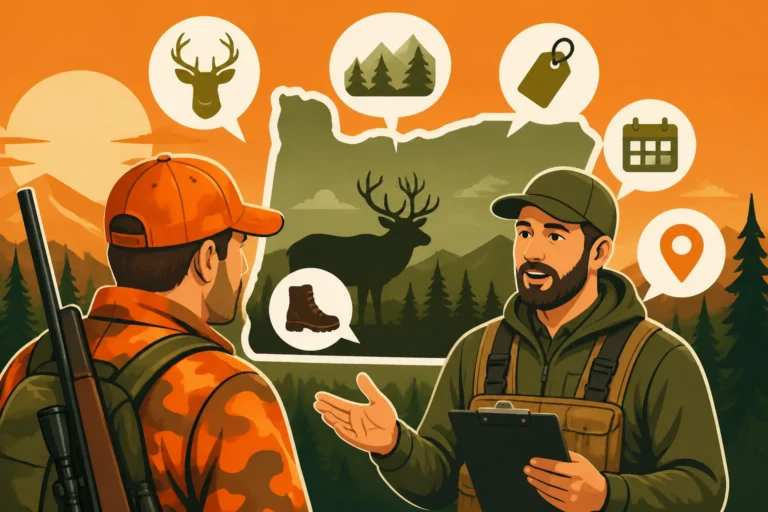
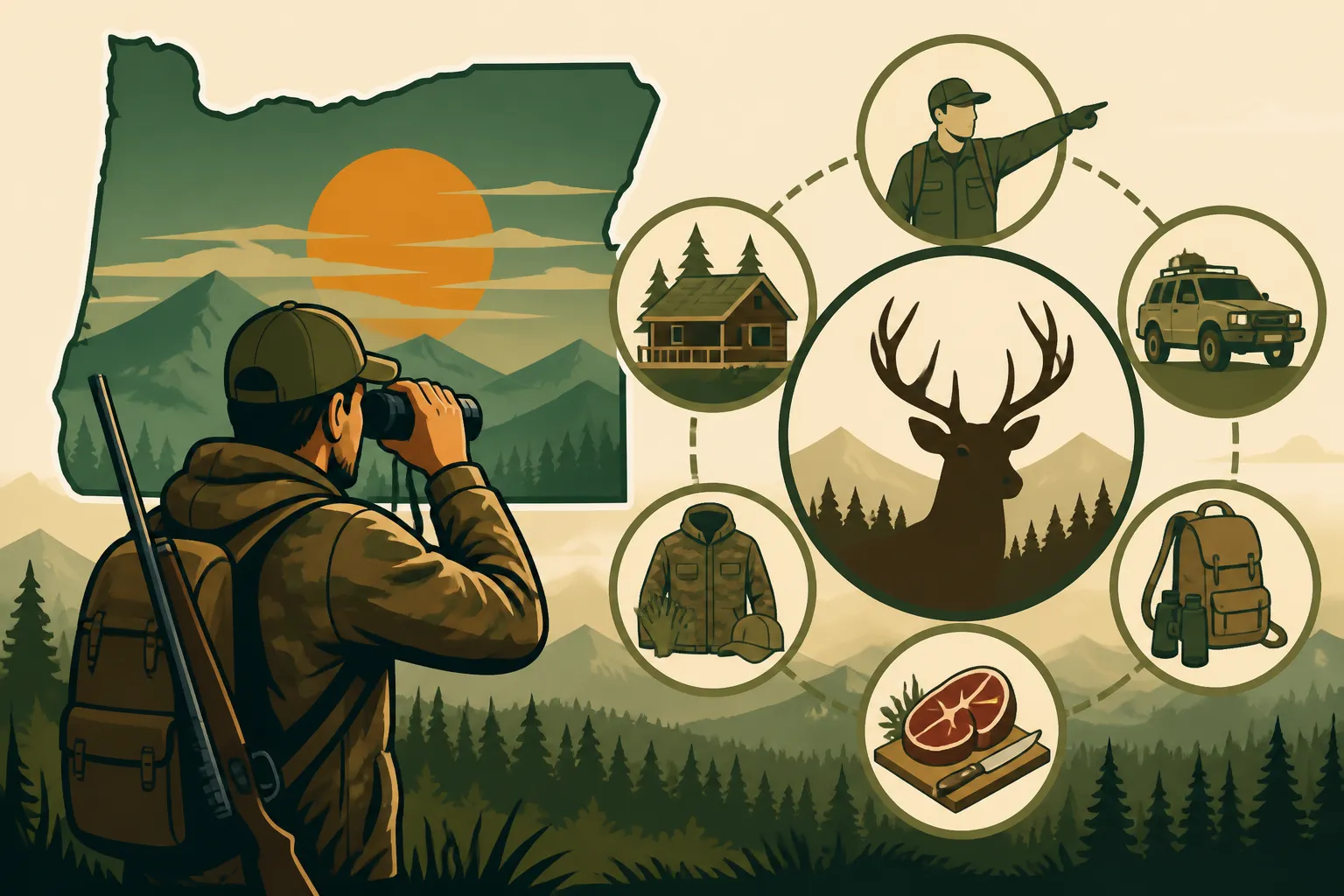
The most significant component of any guided hunt package is, of course, the guide service itself. This includes the invaluable expertise and effort of your professional guide and any support staff. Think of your guide as your seasoned local expert, intimately familiar with the specific hunting unit—be it the dense timber of the Coast Range or the expansive rimrock country of Eastern Oregon. They spend countless hours on Public Land Scouting in Oregon Before the Draw Results and year-round monitoring of game movements.
A good guide provides extensive pre-hunt communication, helping you prepare and understand what to expect. During the hunt, they will be with you in the field, leading you to prime hunting locations, interpreting animal signs, understanding deer or elk behavior, and often performing calling sequences for elk or cougar calling for predators. For example, if you're on an elk hunt, they'll know the best Cow Calling Versus Bugling in Heavy Timber strategies or when bulls might Go Quiet in Late Archery Season. They're there to assist with shot placement advice, track wounded game, and ensure your safety throughout the trip. Their local knowledge, honed over years, means they know the best bedding areas, feeding zones, and travel corridors. This deep understanding is precisely why many hunters seek out guided experiences, especially in unfamiliar or challenging terrain. Remember, it's vital to ensure you're working with a legitimate operator; you can learn more about verifying their credentials by reading Hiring a Registered Oregon Hunting Guide.
Camp Life: Lodging, Meals, and Amenities
Another major inclusion in most guided hunt packages is the provision for your stay and sustenance. After long days of trekking through rugged landscapes, having a comfortable camp waiting is a huge relief. The type of lodging can vary widely based on the outfitter and the terrain. It might range from sturdy wall tents in a backcountry camp, complete with cots and wood stoves for warmth, to more permanent cabins, or even comfortable travel trailers on private ranches. The goal is always to provide a functional and restful base camp.
Meals are typically a significant part of the package, freeing you from the hassle of planning, shopping, and cooking after an exhausting day. Expect hearty breakfasts to fuel your mornings, packed lunches that you can carry into the field, and delicious, substantial dinners back at camp. Outfitters often have a dedicated cook or the guides themselves handle meal preparation. While the fare is usually wholesome and geared towards hungry hunters, don't expect gourmet dining unless explicitly stated in a premium package. Basic amenities like potable water, a fire pit, and sometimes even a generator for limited power access are usually provided. This level of support ensures you can focus entirely on the hunt and recovery, rather than worrying about daily logistics.
Transportation and Logistics in the Field
Getting to and from the hunting areas within your chosen unit, and retrieving your game, are critical logistical aspects often covered by a guided package. Your guide will typically provide all necessary in-field transportation. This could involve 4×4 vehicles for navigating forest service roads, ATVs or UTVs for accessing specific clearcuts or trail systems, or even horses or llamas for reaching more remote wilderness areas. Horse and Llama Packing Into Oregon Backcountry is a game-changer for accessing areas far from roads, especially in units like the Eagle Cap Wilderness.
Furthermore, a significant relief for hunters is the guide's assistance with game retrieval. After a successful harvest, the real work begins. Your package will usually include the guide's help with field dressing your animal, initial quartering, and then packing it out to the nearest accessible vehicle or trail system. This can be physically demanding work, especially with a large animal like a Roosevelt elk, and having experienced help makes a huge difference. This service typically covers getting the animal out of the woods and to a drop-off point, but it's important to understand the next steps for processing, which we'll cover shortly. The logistical support ensures that once you've successfully harvested your game, the effort to get it back to civilization is managed efficiently.
What's Usually NOT Included (and Why It Matters)
While guided hunt packages are comprehensive, it's crucial to understand what isn't typically covered. Many hunters make the mistake of assuming everything is included, only to face unexpected costs or logistical hurdles. Being aware of these common exclusions helps you budget accurately and prepare thoroughly for your Oregon hunting adventure.
Personal Gear and Hunting Equipment
This might seem obvious, but it's a common oversight: your personal hunting gear is almost universally not part of the package. You are responsible for bringing your own firearm or bow, ammunition, optics (binoculars, spotting scope, rangefinder), hunting clothing tailored to Oregon's diverse weather, appropriate footwear (like Boots for Wet Coastal Hunting), a sleeping bag, and personal toiletries. It's not just about having the gear, but having the right gear. Oregon's climate can be notoriously wet in the west and bitterly cold and dry in the east, requiring specific equipment like reliable Rain Gear That Actually Stays Dry.
Outfitters will often provide a detailed gear list, which is an invaluable resource for preparing your kit. Platforms like GoHunt often have resources that help you dial in on gear requirements for different regions and species. Don't skimp on quality or preparation; your comfort and safety in the field depend on it. Many hunters have faced uncomfortable trips because they underestimated the need for proper layering or waterproof protection in the rainforest environment. This is a critical area where you, as the hunter, bear full responsibility to be self-sufficient and prepared for the conditions.
Tags, Licenses, and Application Fees
Another critical exclusion from almost all guided hunt packages is the cost of your Oregon hunting license and any species-specific tags. These are entirely your responsibility. For many popular big game species like elk and deer, Oregon uses a controlled hunt draw system. This means you need to apply for a tag, often months in advance, and hope you are successful in the draw. You'll need to understand systems like Oregon Controlled Hunt Draw Explained and adhere to application deadlines, such as the Oregon Controlled Hunt Application Deadline.
Even if your outfitter advises you on which units to apply for to maximize your draw odds, they won't cover the non-refundable application fees or the significant cost of the actual tag if you draw. Non-resident tag costs, in particular, can be quite substantial. It's a fundamental part of hunting legally in Oregon, and these fees go directly to the state wildlife agency, not the outfitter. Always factor these government-mandated fees into your overall budget, well in advance of your hunt date.
Meat Processing, Taxidermy, and Shipping
While your guide will typically assist with field dressing, quartering, and packing your animal out of the woods to a vehicle, the journey of your harvest isn't over yet. The costs associated with professional meat processing, taxidermy, and shipping are almost always extra. Once the animal is out of the field, it's usually delivered to a local butcher or cold storage facility. You'll then be responsible for the cutting, wrapping, and freezing costs, which can vary widely. Some hunters opt to learn Butchering Your Own Deer at Home to save on these expenses, but it's a significant undertaking.
Similarly, if you're hoping to preserve a trophy, the cost of a taxidermist to cape the animal and mount it is separate. The guide might help with the initial caping in the field, but the professional work, and the subsequent shipping of your antlers or mount to your home state, falls on you. These can be considerable expenses, especially for large game. It’s wise to research Meat Processing After an Oregon Guided Hunt and Taxidermy and Shipping From Oregon beforehand, especially if you're traveling a long distance, to ensure your harvest is handled properly and efficiently.
Evaluating Package Variations and Hidden Costs
Not all guided hunts are created equal, and understanding the nuances between package types is vital to managing expectations and avoiding unforeseen expenses. The price of a hunt can vary significantly based on the level of service, the duration, and whether certain "extras" are included or not.
Semi-Guided Hunts Versus Fully Outfitted Trips
The term "guided hunt" itself can encompass a spectrum of services. A fully guided hunt means your guide is with you every step of the way, from sunrise to sunset, actively involved in spotting, calling, tracking, and all field activities. This offers the most hands-on experience and instruction, perfect for a novice hunter or someone unfamiliar with specific tactics like Calling Bull Elk During Oregon's Archery Season.
A semi-guided hunt, on the other hand, provides a different level of service. The outfitter might provide a comfortable camp, meals, and advice on where to hunt, and they might even drop you off at specific locations each day. However, you'll be doing the actual hunting independently for much of the day. This option is often more affordable and suits hunters who want some logistical support but prefer more autonomy in the field. Then there are drop camps, where the outfitter packs you and your gear into a remote location, sets up a basic camp, and then leaves you to hunt entirely on your own for several days, returning only to pack you and your game out. These require significant self-reliance and experience. The cost structure of each type of service will reflect the amount of direct guidance and support provided.
Special Services and Potential Add-Ons
Even within a "fully guided" package, there can be various optional services or situations that incur additional costs. Some outfitters might charge a "trophy fee" if you harvest an animal exceeding a certain size or antler score. This is less common in Oregon but worth confirming. Extra days beyond the standard package length, or specific requests like one-on-one guiding (if the standard is two-on-one), will almost certainly add to the total cost.
The use of specialized equipment, such as specific top-tier optics for long-range glassing of Glassing Sage and Juniper for Eastern Oregon Mule Deer or thermal imaging for predator hunts, might be an extra fee if the outfitter provides them. Airport pickup and drop-off, particularly for remote camps, is another service that may or may not be included. It's common for hunters to find outfitters listing various package tiers on sites like BookYourHunt, so make sure to scrutinize what each tier specifically covers. Always ask for a clear breakdown of what's included and what might be an extra charge before you book.
Tips, Gratuities, and Unexpected Expenses
A critical, often overlooked, and significant cost is gratuities. It is customary and expected to tip your guide and any camp staff (cooks, packers) who contribute to your hunt. This is a substantial portion of their income and reflects your appreciation for their hard work and dedication. A general guideline is a percentage of the hunt cost, but this can vary based on your satisfaction with the service. For more detail, consider reviewing Tipping Guides and Packers in Oregon.
Beyond tips, unexpected expenses can arise. Travel delays might necessitate extra nights in a hotel before or after your hunt. Fuel costs for personal vehicles (if driving to a meeting point) can add up. There's also the possibility of needing medical attention in a remote area, which is why having comprehensive travel and hunt insurance is highly recommended. Always read your outfitter's contract carefully. A well-written contract, like What an Oregon Guide Contract Should Say, will outline payment schedules, cancellation policies, and what happens in unforeseen circumstances. Don't be shy about asking questions and getting clarification on anything that isn't clear before you commit.
Here’s a quick overview of what to typically expect in an Oregon guided hunt package:
| Category | Usually Included in Package | Usually NOT Included in Package |
|---|---|---|
| Guide Services | Daily guide presence, field expertise, scouting, calling, tracking, game retrieval assistance, safety | One-on-one guide ratio (unless specified), specific trophy pursuit guarantee |
| Lodging | Tent camps, cabins, or lodge accommodations | Luxury hotel stays, specific private rooms (unless specified) |
| Meals | All meals in camp (breakfast, dinner), packed lunches | Alcoholic beverages, specific gourmet requests, snacks for the field |
| Transportation | In-field transport (ATVs, horses, trucks), transport to/from meeting point | Travel to/from Oregon, airfare, personal vehicle fuel |
| Game Handling | Field dressing, initial quartering, packing out to vehicle | Professional meat processing, taxidermy services, hide tanning |
| Equipment | Camp gear (tents, cooking supplies), some communal optics | Personal firearms/bows, ammunition, hunting clothes, boots, sleeping bags, rangefinders |
| Tags/Licenses | Advice on applications, unit choices | Actual cost of hunting license, tag fees, preference point fees |
| Other Costs | Gratuities for guides/staff, unexpected medical/travel expenses, hunt insurance |
Disclaimer
This article is for general informational purposes only and does not constitute professional advice. Laws, prices and regulations vary by location and change over time. Consult a qualified professional for guidance on your specific situation.