Trophy Fees Beyond the Oregon Base Price
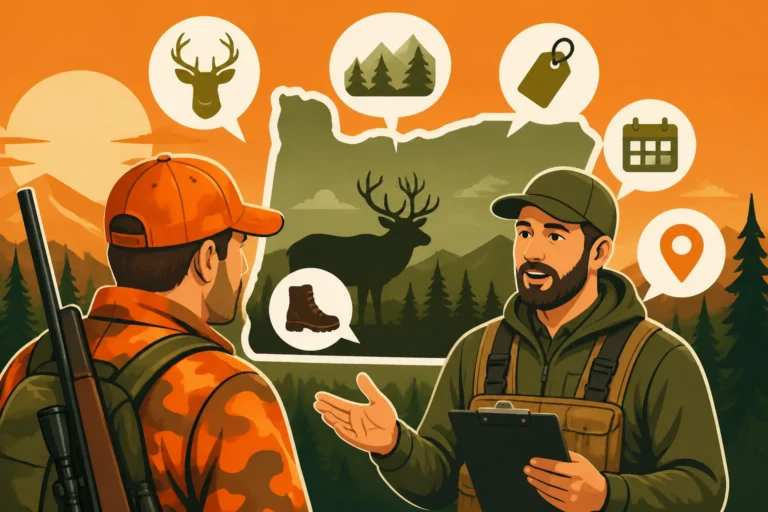
You've spent months, maybe even years, saving and planning for that dream hunting trip in Oregon, envisioning the moment you finally connect with a magnificent bull elk or a massive mule deer buck. The last thing you want is to be blindsided by unexpected costs, especially when it comes to "trophy fees" that can dramatically alter your hunt's final price tag. This guide is here to pull back the curtain on trophy fees, explaining what they are, why they exist, and how to make sure you fully understand them before you ever shake an outfitter's hand.
Understanding the Basics of Oregon Guided Hunt Costs
Booking a guided hunt is an investment, plain and simple. You're paying for expertise, access, equipment, and a higher probability of success than you might achieve on your own. But it's not always a straightforward, all-inclusive price. Many hunters, especially those new to guided experiences or to specific regions like Oregon, can find themselves confused by the various components that make up the total cost. Understanding these elements from the outset is crucial for a stress-free hunt.
What a "Base Price" Typically Includes
When you look at an outfitter's brochure or website, they'll usually quote a "base price" for a given hunt, let's say a 5-day guided elk hunt. This base price is often what initially draws you in, seeming like a tangible figure to budget around. However, it's rarely the only figure you'll pay.
Typically, this base price covers the core services for the duration of your hunt. This almost always includes the professional guide's services for the specified number of days, their knowledge of the hunting area, and often some degree of scouting prior to your arrival. It usually includes lodging, which can range from a rustic wall tent in the backcountry to a comfortable lodge with all the amenities, depending on the outfitter and the type of hunt. Meals are also a common inclusion – everything from hearty breakfasts and trail lunches to satisfying dinners back at camp. Transportation during the hunt, such as ATV use, horseback riding, or truck travel within the hunting area, is generally part of the base package. Finally, the base price often covers the field dressing and initial caping of your animal, getting it ready for transport. Things like your actual hunting license and tags, however, are almost universally not included in the base price, and you'll need to purchase those separately through the Oregon Department of Fish and Wildlife. It's really important to know what you're getting for that initial number. For more on what to expect, check out What an Oregon Guided Elk Hunt Costs.
Why Trophy Fees Exist in the Hunting World
The concept of a "trophy fee" might seem a bit counterintuitive to some hunters. After all, isn't the goal of hunting often to take a trophy animal? So why an extra charge? Trophy fees primarily come into play for a few key reasons, largely centered around managing expectations, promoting ethical hunting, and ensuring the long-term sustainability and quality of an outfitter's hunting grounds, especially on private land or for specific species.
Firstly, outfitters, particularly those operating on private ranches, often manage their herds for specific age classes or antler quality. A large, mature bull or buck represents years of careful management, feed, and protection. By charging a premium for these animals, outfitters incentivize hunters to be selective and help ensure that younger animals have a chance to grow. It's a way of putting a tangible value on a resource that they've invested heavily in. Secondly, it allows outfitters to offer a more accessible "base price" that covers the experience, regardless of the size of the animal taken. If you're happy to take any legal animal, you might stick to the base price. If you're holding out for a truly exceptional animal, the trophy fee comes into play. Lastly, for non-residents, especially those using special programs, Guided Tags for Nonresidents in Oregon might have specific rules or expectations tied to animal quality, which trophy fees can help manage. It's a system designed to align the hunter's desires with the outfitter's conservation and business goals.
Deciphering Oregon's Trophy Fee Structures
Navigating the specifics of trophy fees can feel like trying to read a legal document written in a foreign language if you're not prepared. Each outfitter might have a slightly different approach, and what's standard for an elk hunt in the Blue Mountains might differ from a blacktail deer hunt in the Coast Range. The key is never to assume and always to ask for crystal-clear specifics well in advance. This is where researching services like BookYourHunt or GoHunt can be invaluable, as they often detail outfitter packages and fee structures.
How Trophy Fees Are Calculated in Oregon
Trophy fees in Oregon, and frankly, anywhere, aren't usually a flat rate like your license fee. They are almost always tied to the size or quality of the animal harvested. Here's a breakdown of common ways they might be calculated:
- Antler Score (Gross B&C or P&Y): This is the most common method for antlered game like elk and deer. The outfitter will often specify a minimum score included in the base price (e.g., "up to 300 inches B&C"). If you harvest an animal that scores above that threshold, a trophy fee is applied, often on a per-inch basis. For example, if the base price includes an elk up to 300 inches, and you take a 320-inch bull, you might pay a set amount per inch for those extra 20 inches. This can add up quickly, so be sure you understand the scale.
- Number of Antler Points: Some outfitters might use a simpler system, particularly for deer, where the fee is based on the number of points on the buck. For instance, a "base price" might cover a 4×4 buck, but a 5×5 or 6×6 might incur an additional fee. This is less common for elk due to their more complex antler structures, but it does exist for deer.
- Body Size/Weight: Less common for big game where antlers are the primary "trophy," but for species like bear, a trophy fee could theoretically be based on the estimated live weight or skull size, though this is rare in Oregon where bear hunting is not typically structured around "trophy" fees in the same way as antlered game.
- "Shoot-or-No-Shoot" Designation: Occasionally, an outfitter might have a pre-determined "trophy" animal that, if you decide to harvest it, immediately triggers a trophy fee, regardless of its exact score. This is more often seen in high-fence operations, but it's worth being aware of.
It's crucial to clarify who will do the scoring if it's based on antler measurements. Will it be your guide? Will you agree on it beforehand? What happens if there's a disagreement? These are critical questions to ask. When you're researching potential guides, platforms like GoHunt often have reviews or detailed descriptions that can give you a heads-up on how specific outfitters handle these fees.
Common Scenarios for Trophy Fee Application
Let's imagine a few scenarios to illustrate how these fees actually play out in the field:
Scenario 1: The "Good Enough" Bull Elk
You're on a guided Archery Elk Hunting Oregon's August and September Seasons hunt in Eastern Oregon. Your outfitter states that their 5-day hunt includes a bull elk up to 300 B&C gross score. You connect with a beautiful 6×6 bull on day three that scores 290 inches. In this case, your hunt falls within the base price, and no additional trophy fee is charged. Success!
Scenario 2: The "Exceptional" Mule Deer Buck
You've saved your points for years and finally drawn a coveted mule deer tag in a prime Eastern Oregon unit. Your outfitter, whose Oregon Guided Mule Deer Hunt Price you've researched through BookYourHunt, has a base price that includes a buck up to 180 inches. On the last day, you spot and harvest a truly massive buck that tapes out at 195 inches B&C. The outfitter's contract states a trophy fee of $100 per inch over 180. You've harvested an exceptional animal, but you'll owe an additional $1,500 (15 inches x $100) on top of your base price.
Scenario 3: The "Accidental" Trophy
Sometimes, it's not intentional. You're focused on filling your tag for meat, and your guide points out a legal bull. You make a great shot. Back at camp, measuring reveals it's a 310-inch bull, and the base price only covered up to 300 inches. Even if your primary goal wasn't a "trophy," the fee might still apply if the contract specifies it based on the animal's size. This highlights the importance of discussing "shoot-or-no-shoot" criteria with your guide before the hunt starts. Knowing your Shot Placement on a Bull at Close Range is important, but knowing what size bull means an extra fee is equally vital to your wallet.
These scenarios emphasize why knowing the precise terms, including who does the scoring and when, is non-negotiable.
Navigating Trophy Fees with Oregon Outfitters
The best way to avoid sticker shock and potential disappointment is through proactive communication and careful review of your hunt contract. Remember, an ethical and professional outfitter will be transparent about all costs upfront. If you feel like you're pulling teeth to get answers, that's a red flag. For more on what to look out for, see Red Flags When Booking a Hunt.
Asking the Right Questions Before You Book
Before you put down a deposit, you should have a list of questions ready for your potential outfitter. Don't be shy; this is your investment, and you have every right to be fully informed. Here are some essential questions regarding trophy fees:
- "Is there a trophy fee beyond the base price for this hunt?" Start with the most direct question.
- "If so, how is the trophy fee calculated? Is it per inch, per point, or based on another metric?" Get specifics on the calculation method.
- "What is the minimum size of animal (e.g., antler score, points) included in the base price before a trophy fee applies?" Understand the threshold.
- "What is the exact cost per inch/point/etc., for animals exceeding that threshold?" Get the numbers.
- "Who will measure the animal for the purpose of calculating any trophy fee? When and where will this measurement take place?" Clarify the process.
- "What happens if I shoot an animal that is below the included size? Is there a penalty or a reduced fee?" Some outfitters might have a reverse penalty for taking a younger animal than agreed upon if you're specifically hunting for a trophy.
- "What if I wounded an animal that is above the included size but we don't recover it? Does the trophy fee still apply?" This is a critical ethical and financial question. Many outfitters consider a wounded animal that isn't recovered as a harvested animal for the purpose of the trophy fee, as it takes that animal out of their management plan.
- "Can we establish 'shoot-or-no-shoot' criteria before the hunt begins to avoid misunderstandings in the field?" Have this conversation with your guide.
- "Are there any other potential fees I should be aware of beyond the base price and discussed trophy fees?" Always ask about hidden costs.
You should compile your own list of Questions to Ask an Oregon Outfitter before making any commitments. Resources like BookYourHunt or GoHunt sometimes allow you to filter outfitters by their transparency on pricing, which can be a huge time-saver.
Ensuring Clarity in Your Outfitter Contract
Once you've asked all your questions and feel good about an outfitter, the next crucial step is to get everything in writing. A reputable outfitter will provide a detailed contract, and you absolutely must read it thoroughly before signing and making any deposit. Do not assume anything that was discussed verbally is automatically in the contract.
Your contract should explicitly state:
- The total base price and what it includes (e.g., number of hunting days, guide service, meals, lodging, field care).
- Any and all potential trophy fees, including the calculation method, the threshold at which they apply, and the exact cost.
- Who is responsible for measuring the animal.
- The outfitter's policy on wounded but unrecovered animals, especially concerning trophy fees.
- Payment schedule, cancellation policy, and refund policy.
- What happens if you fill your tag early or don't fill it at all.
If any aspect of the trophy fee isn't clear in the contract, do not sign it. Request clarification and a revised contract. This document is your protection and the outfitter's. Don't hesitate to take a few days to review it. Some hunters even consult a legal professional for large investments. For more guidance, be sure to review What an Oregon Guide Contract Should Say. This attention to detail upfront can save you a world of trouble and expense down the road, ensuring your focus remains on the hunt itself, not on unexpected billing.
Weighing the Pros and Cons of Trophy Fee Hunts
Like any pricing model, trophy fees come with their own set of advantages and disadvantages. It's important for you, as the hunter, to understand these so you can decide if a hunt with a trophy fee structure aligns with your personal hunting goals, budget, and philosophy. It's not inherently good or bad, but it might be a better fit for some hunters than others.
Advantages of Trophy Fee Hunts for Hunters
Believe it or not, there are some real benefits to a trophy fee structure, especially for certain types of hunters.
- Lower Initial Entry Cost: The most obvious advantage is that the base price for a trophy fee hunt can often be more affordable than an "all-inclusive" hunt where a big animal is implicitly factored into the high upfront cost. This can make a guided experience more accessible to a wider range of hunters who might not have the budget for a top-tier, guaranteed-trophy-size hunt. If your primary goal is the experience of the hunt itself and taking any legal animal, this can be a good option.
- Incentive for Selective Hunting: For hunters who are genuinely looking for a specific class of animal, the trophy fee can be a powerful incentive to pass on smaller animals and hold out for the one that truly meets their expectations. It aligns the outfitter's management goals (producing big animals) with the hunter's desire for a specific kind of experience.
- Flexibility in Harvest: It allows hunters to decide in the field whether to shoot a "good" animal and pay the base price, or hold out for a "great" animal knowing they will pay more. This flexibility can be liberating for many, rather than feeling pressured to shoot a certain size animal because it's already "paid for."
- Supports Quality Herd Management: When you pay a trophy fee, you are directly contributing to the outfitter's ability to manage their land and herds for quality animals. This could mean investing in habitat improvement, reducing predation, or carefully managing harvest numbers to ensure a healthy population with mature age classes. It's an investment in the future of the hunting resource.
Disadvantages and Potential Pitfalls
Despite the advantages, trophy fees also come with potential downsides and areas where hunters need to be extra vigilant.
- Potential for Sticker Shock: The biggest pitfall is simply not understanding the fee structure, leading to a much higher final bill than anticipated. Imagine thinking your dream Oregon elk hunt is $8,000, only to find yourself facing another $2,000 or $3,000 in trophy fees after a successful harvest. This can turn a celebratory moment into a stressful financial negotiation. This is why thorough communication and contract review, as discussed in Guide Contracts and Deposits in Oregon, are absolutely critical.
- Pressure to Shoot/Not Shoot: While the fee can incentivize selectivity, it can also create pressure. A hunter might hesitate on a good animal, hoping for a bigger one, only to go home empty-handed. Conversely, if they've already identified a trophy animal, the financial commitment might add immense pressure to make the shot, potentially affecting performance.
- Disagreements Over Scoring: As mentioned, if the trophy fee is based on antler score, there's always the potential for disagreement between the hunter and the guide on the final measurement. While most reputable guides are fair, having a clear, agreed-upon method and understanding of the scoring system (e.g., B&C gross) beforehand is essential.
- Wounded Animal Policies: This is a major area of concern. Most outfitters consider a wounded animal that cannot be recovered as a "kill" for ethical and management reasons. If that wounded animal was of trophy size, the trophy fee might still apply, even without a physical trophy to take home. This is a tough pill to swallow but a common policy to prevent hunters from taking risky shots on large animals and simply walking away if they make a bad hit. Make sure you understand the Blood Trailing in Oregon Rainforest Understory rules, but also the financial implications of an unrecovered animal.
- Focus Shift from the Experience: For some hunters, a high trophy fee can shift the focus from the overall hunting experience, the camaraderie, and the beauty of Oregon's wilderness to a purely financial calculation. Every animal spotted becomes a dollar sign, which can detract from the joy of the pursuit.
Ultimately, the decision to book a hunt with a trophy fee structure comes down to your individual preferences and comfort level. Just ensure you've done your homework, read every line of the contract, and had open, honest conversations with your chosen outfitter. That way, the only surprise you'll have is the thrill of a successful hunt, not an unexpected bill.
Disclaimer
This article is for general informational purposes only and does not constitute professional advice. Laws, prices and regulations vary by location and change over time. Consult a qualified professional for guidance on your specific situation.