Oregon Wildlife Disease Surveillance
It's a tough truth, but wildlife diseases are a real and growing concern for hunters, right here in our beloved Oregon. Nobody wants to see their favorite hunting grounds impacted, or worse, worry about the health of the game they pursue. This guide is here to shed some light on Oregon's wildlife disease surveillance efforts, what we're up against, and how you, as a responsible hunter, can be part of the solution to keep our herds healthy.
Understanding Why Wildlife Disease Surveillance Matters in Oregon
When we talk about hunting in Oregon, we often focus on the thrill of the chase, the gear, or the stunning landscapes. But underneath it all, the health of our game populations is the bedrock of everything we do. Without healthy animals, our hunting heritage simply can't thrive, and that's where dedicated wildlife disease surveillance comes into play. It’s not just about tracking sickness; it’s about protecting the very future of hunting in our state.
Protecting Oregon's Iconic Game Species
Imagine the vast timber stands of the Coast Range without a healthy population of Roosevelt elk, or the rimrock country of Eastern Oregon without strong mule deer herds. Diseases can rapidly diminish these populations, not just by killing animals outright but by weakening them, making them more susceptible to predators, harsh weather, or reducing their reproductive success. For example, Elk Hoof Disease in Western Oregon has been a deeply troubling issue for many hunters on the west side, seeing animals struggle with mobility. This kind of disease can impact a herd's overall vigor and spread quickly if not monitored.
Surveillance programs are essentially the early warning system for our wildlife. They help ODFW (Oregon Department of Fish and Wildlife) detect emerging threats before they become widespread catastrophes. By collecting data and specimens, scientists can track the prevalence and spread of various pathogens, understanding how they impact different species. This information is absolutely critical for making informed management decisions, such as adjusting tag numbers or implementing specific research projects to combat a particular illness. It ensures that the efforts we put into habitat conservation and population management aren't undermined by unseen biological threats. Knowing What Causes Elk Hoof Disease, for instance, helps us understand how to address it.
Safeguarding Public Health and Hunter Confidence
Beyond the animals themselves, wildlife disease surveillance directly impacts us, the hunters. Many wildlife diseases have what's called zoonotic potential, meaning they can be transmitted from animals to humans. While relatively rare, diseases like tularemia or certain parasites can pose a risk if proper precautions aren't taken. Understanding these risks is crucial for making informed decisions about handling and consuming game meat.
When hunters are aware that wildlife agencies are actively monitoring diseases, it builds confidence. You want to know that the elk you packed out of the wilderness or the deer you harvested from a clearcut is healthy and safe to feed your family. Surveillance provides that reassurance. It allows agencies to issue advisories when necessary, ensuring that hunters have the most up-to-date information to protect themselves and their loved ones. GoHunt and similar platforms often aggregate these advisories, making it easier for hunters to stay informed before they head afield. This isn't about fear-mongering; it's about being prepared and taking sensible precautions, which every responsible hunter wants to do.
How Oregon Wildlife Disease Surveillance Works on the Ground
Wildlife disease surveillance isn't a passive activity; it's a dynamic, multi-faceted effort that relies heavily on a combination of fieldwork, scientific analysis, and, crucially, hunter participation. It's a true collaboration between wildlife professionals and the hunting community, working together to keep Oregon's wild spaces and the animals within them as healthy as possible.
The Role of Hunter Reporting and Specimen Collection
One of the most powerful tools in wildlife disease surveillance is the observant hunter. You, out there in the field, are often the first eyes on an animal that might be exhibiting unusual behavior or physical signs of illness. Whether it's a deer acting lethargic, an elk with visible lesions on its hooves, or any other anomaly, your report can be the critical first step in detecting a new outbreak or tracking an existing one. That’s why knowing Reporting a Sick Animal to ODFW is so important.
When you see something out of the ordinary, it's vital to report it to ODFW. They're interested in details like the animal's species, location, the date and time, and a clear description of what you observed. Sometimes, ODFW might even ask hunters to collect specific samples from harvested animals, particularly in areas of concern for diseases like Chronic Wasting Disease (CWD). This could involve submitting lymph nodes or brainstem tissue. While it adds a small step to your post-harvest routine, it's an invaluable contribution to the overall health of the herd and helps ensure that diseases like CWD, which is a significant concern for deer and elk populations nationwide, don't gain a foothold here.
ODFW's Active Surveillance Programs and Partnerships
Beyond hunter reports, ODFW employs a range of active surveillance programs. These aren't just reactive measures; they're proactive efforts designed to monitor the health of various game populations. This can include routine field sampling, where biologists capture and test animals, or specific surveys targeting particular diseases. For example, ongoing studies on Elk Hoof Disease in Western Oregon involve direct observation and tissue sampling from affected elk to understand the progression of the illness.
ODFW also collaborates extensively with diagnostic laboratories, universities, and other state and federal agencies. This network of expertise is essential for accurate identification of pathogens and for conducting research into disease ecology. Sometimes, even How ODFW Counts Big Game can be integrated with surveillance, as biologists can visually assess herd health during aerial surveys. These partnerships allow for advanced testing, necropsies (animal autopsies), and the development of strategies to manage or mitigate disease impacts. It's a complex scientific undertaking, but it's vital for maintaining the health of Oregon's diverse game species.
Key Wildlife Diseases Monitored in Oregon
While Oregon is fortunate to be free of some of the most devastating wildlife diseases found elsewhere, constant vigilance is the price of keeping it that way. ODFW, along with hunters, actively monitors several specific diseases and keeps a close watch for others that could pose a threat to our deer, elk, and other game animals. Understanding these key concerns helps everyone play a more informed role in protecting our wildlife.
Chronic Wasting Disease CWD Preparedness
Chronic Wasting Disease (CWD) is perhaps the most concerning deer and elk disease across North America. It's a fatal neurological illness that affects deer, elk, and moose, and it's a prion disease, similar to Mad Cow Disease. Oregon has never detected CWD in its wild populations, and ODFW is absolutely dedicated to keeping it that way. This means maintaining robust surveillance, especially through voluntary or mandatory testing of harvested deer and elk in certain areas, and strict rules regarding the importation of carcasses from states where CWD is present.
Hunters have a huge role here. If you hunt out of state, especially in areas with known CWD, it is absolutely critical that you understand and follow CWD Carcass Transport Rules when bringing any part of an animal back into Oregon. This usually means only bringing back deboned meat, clean skull plates, hides, or antlers, leaving all brain and spinal tissue in the state where the animal was harvested. Furthermore, ODFW may conduct specific CWD surveillance hunts or request samples for Chronic Wasting Disease Testing in Oregon during general seasons, often with check stations to collect these vital tissues. Remaining informed through resources like GoHunt, which often highlights CWD updates, helps keep our herds safe.
Elk Hoof Disease and Its Impact on Western Oregon Herds
Unlike CWD, elk hoof disease is unfortunately present in western Oregon and has been a source of frustration and concern for many local hunters. This disease causes severe lesions and deformities on elk hooves, leading to lameness, difficulty feeding, and increased vulnerability to predators. It’s not just an unpleasant sight; it genuinely impacts the welfare and survival of affected animals. The disease is caused by a bacteria, and while it's not known to be transmissible to humans, it significantly impairs the elk's ability to thrive.
ODFW has been actively studying this disease, collecting samples, and monitoring its spread to better understand its dynamics and potential management strategies. Hunters often report seeing limping elk in areas like the Coast Range and Cascades, and these observations are critical for ODFW's tracking efforts. The disease has led to concerns about the long-term health and numbers of Roosevelt Elk in Western Oregon, and understanding What Causes Elk Hoof Disease is a high priority for researchers. This is where hunter vigilance can directly contribute to ongoing research and helps paint a clearer picture of the disease's prevalence.
Other Notable Wildlife Health Concerns
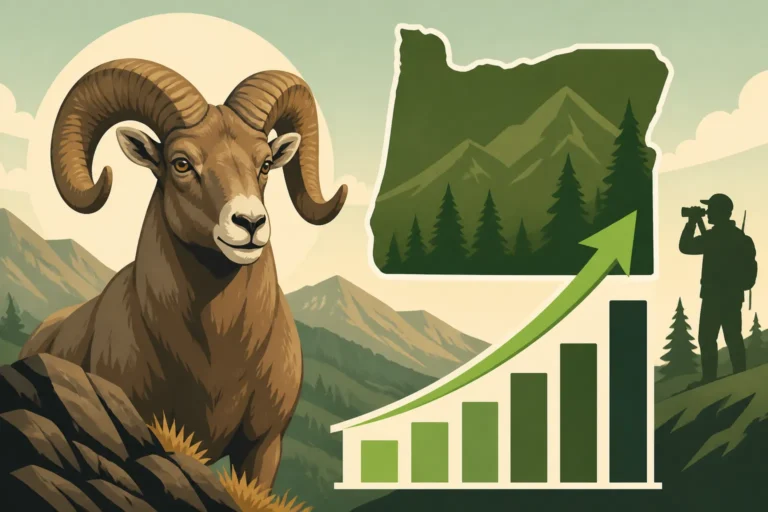
While CWD and elk hoof disease receive significant attention, ODFW monitors a broader spectrum of wildlife health issues. One example is pneumonia, which can occasionally impact bighorn sheep herds. You might recall reports of Bighorn Pneumonia Die-Offs in Oregon, which highlight how quickly disease can decimate a vulnerable population, particularly in these smaller, isolated herds. Hunters in bighorn units play a vital role in reporting any signs of sick sheep.
Another localized concern is hair loss syndrome in blacktail deer, often observed in western Oregon. This condition, which can cause significant hair loss, particularly in winter, is thought to be associated with lice infestations and other factors, and can lead to increased vulnerability for affected deer. While generally not fatal on its own, it reflects a stressor on the herd. Hair Loss Syndrome in Oregon Blacktails is something ODFW continues to monitor, and hunter observations help track its distribution and prevalence. These are just a few examples; the larger picture involves constant monitoring for various parasites, bacterial infections, and other stressors that can affect everything from pronghorn to black bears, contributing to the broader Predator Prey Balance in Oregon Units.
What Hunters Can Do to Help and Stay Informed
As hunters, we're not just users of the resource; we're stewards. And when it comes to wildlife health, our involvement is absolutely indispensable. By adopting best practices in the field and staying engaged with current information, we become key partners in ODFW’s efforts to keep Oregon's wildlife healthy and thriving for generations to come.
Best Practices for Field Dressing and Meat Handling
Your actions in the field, particularly during field dressing and meat handling, can significantly reduce the risk of disease transmission, both to yourself and to other animals. The golden rule is always to practice good hygiene. Wear disposable gloves when field dressing any animal, and wash your hands thoroughly with soap and water (or hand sanitizer if water isn't available) after handling game. Carry a small kit with you that includes these items; it’s a small addition to your pack but a big step for safety, especially when you're working quickly, like during Field Dressing in 70-Degree September Heat.
When you're dealing with a harvested animal, pay attention to its internal organs and lymph nodes. If you notice anything unusual – lesions, cysts, or abnormal color – it’s always best to contact ODFW. They can advise you on whether to collect samples or if the animal should be processed differently. Dispose of any carcass remains responsibly, preferably by burying them deeply or leaving them in a location where scavengers will disperse them quickly, away from water sources or high-traffic areas. This prevents the concentration of potential pathogens. If you're hunting in an area with CWD concerns, always adhere to the specific carcass handling guidelines for that region to avoid inadvertently spreading prions.
Staying Up-to-Date on Regulations and Health Advisories
The landscape of wildlife health is dynamic, with new information and advisories emerging regularly. Therefore, making it a habit to check official sources before and during your hunting season is crucial. The ODFW website is your primary resource for the latest information on wildlife diseases, specific testing requirements, and any health advisories that might be in effect for your hunt area. They also release an annual Oregon Regulation Pamphlet Release Date, which is essential to review each year.
Additionally, reputable hunting information platforms like GoHunt often share critical updates and insights into wildlife disease concerns, summarizing official releases and offering practical advice. Subscribing to ODFW newsletters or following their social media channels can also keep you in the loop. This vigilance helps you understand any changes in Oregon Mule Deer Plan and Tag Numbers that might be influenced by herd health. By staying informed, you not only protect yourself and your family but also contribute to the collective knowledge that helps protect Oregon's incredible wildlife.
Here's a quick reference for common signs to look for and actions to take:
| Symptom / Observation | Potential Concern | Action to Take |
|---|---|---|
| Visible lesions, tumors, or abscesses | Bacterial infection, parasites, other pathogens | Report to ODFW; use gloves, consider submitting samples. |
| Severe lameness, difficulty moving | Hoof disease (e.g., elk hoof disease), injury | Report to ODFW; if harvested, inspect hooves carefully. |
| Emaciation, extreme thinness | Chronic illness, CWD (deer/elk), malnutrition | Report to ODFW; if harvested, consider testing, especially for CWD. |
| Unusual behavior (lethargy, disorientation) | Neurological disease (e.g., CWD), other illness | Report to ODFW immediately; do not approach or handle. |
| Excessive salivation, foaming at mouth | Rabies (rare in big game but possible), other illness | Report to ODFW; avoid contact. |
| Hair loss, rough coat | Hair loss syndrome (blacktail), parasites, malnutrition | Report to ODFW, especially for blacktails in western Oregon. |
| Deformed antlers or atypical growth | Injury, disease (less common but possible) | Note observation; if harvested, may not indicate disease but still report. |
Disclaimer
This article is for general informational purposes only and does not constitute professional advice. Laws, prices and regulations vary by location and change over time. Consult a qualified professional for guidance on your specific situation.