Oregon Youth Hunt Weekend
It’s easy to feel overwhelmed when you’re trying to introduce a young person to the joys of hunting in Oregon. The regulations can seem like a tangled mess, and finding an opportunity that truly sets a new hunter up for success can be a real challenge. This comprehensive guide will walk you through everything you need to know about the Oregon Youth Hunt Weekend, from understanding eligibility and licensing to practical tips for preparing, executing, and making the most of this special opportunity to get kids into the field.
Understanding Oregon’s Youth Hunt Weekend
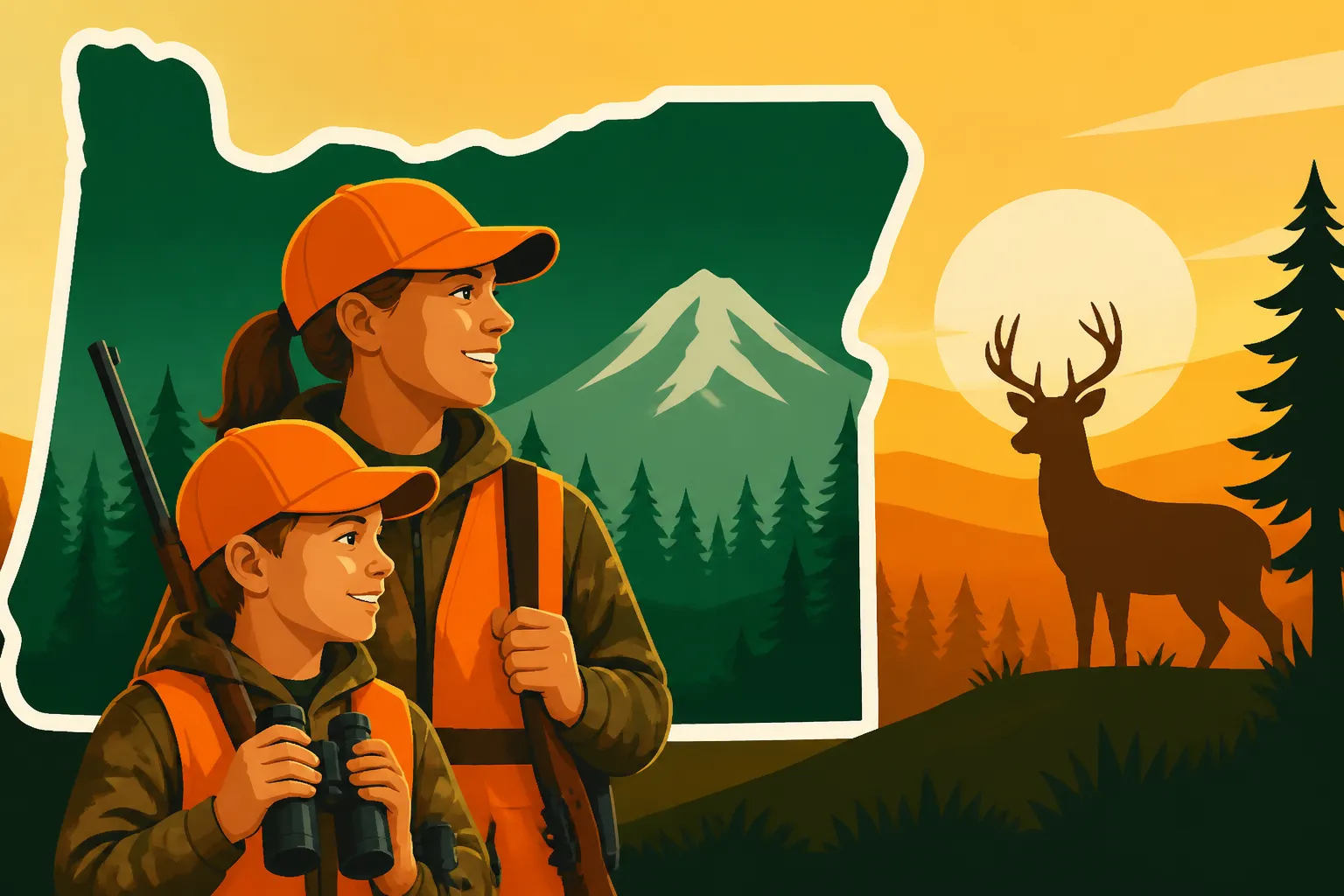
The Oregon Youth Hunt Weekend is a fantastic initiative designed to give young hunters a dedicated opportunity to pursue big game, often with less pressure than during general seasons. It’s a chance for them to learn, build confidence, and create lasting memories in the outdoors, typically focused on deer, but sometimes including elk or other species depending on the year and unit. This isn't just another hunt; it’s a foundational experience for the next generation of conservationists.
What Makes These Hunts Unique
Unlike the general season hunts where competition for prime spots can be fierce and the woods are often bustling with adult hunters, the youth hunt weekends offer a calmer, more focused environment. The Oregon Department of Fish and Wildlife (ODFW) schedules these hunts specifically for youth, often before or during specific general seasons, which can translate to fewer people in the field. This reduced pressure is invaluable for a new hunter who might still be getting comfortable with the rhythm of the woods and the intensity of a hunt. Imagine a young person trying to make a clean shot while feeling rushed or crowded; it's a recipe for frustration. The youth weekend aims to minimize that, allowing mentors to truly focus on teaching and guiding.
Another unique aspect is the emphasis on mentorship. While adults are always present as mentors, the hunt is squarely centered on the youth. This helps to instill a sense of ownership and responsibility in the young hunter. They're not just tagging along; they're the primary participant, making decisions (with guidance), learning tracking, shot placement, and field dressing. These weekends often see higher success rates for youth because the focus is on providing a quality opportunity, rather than being solely about harvesting a trophy. It's about building a positive, encouraging experience that keeps them coming back to the outdoors year after year.
Eligibility and Hunter Education Requirements
To participate in an Oregon Youth Hunt Weekend, the young hunter typically needs to be 17 years of age or younger by the start of the hunt. This age cut-off is firm, so it's crucial to check the current year's regulations to ensure your mentee qualifies. The most fundamental requirement, however, is completing a certified hunter education course. This isn't just a formality; it’s about safety, ethics, and responsible hunting practices. Many parents and mentors find the process of completing hunter education a bonding experience in itself.
Oregon offers several ways to fulfill the hunter education requirement. There are traditional in-person courses, which are excellent for hands-on learning and interaction with experienced instructors. For those with busy schedules or limited local options, an Oregon Hunter Education Online Course is also available, followed by a required field day. Regardless of the method, passing the course is non-negotiable. Without a valid hunter education certificate, no hunting license or tag can be issued. This ensures that every young hunter has a baseline understanding of firearms safety, wildlife identification, and hunting regulations, setting them up for a safe and ethical career in the field. Make sure to check the Oregon Hunter Education Age Requirement for specific details, as there are minimum ages for certain activities.
Preparing for the Youth Hunt Weekend
Getting ready for a youth hunt weekend involves more than just packing a rifle and some snacks. It’s a comprehensive process that includes proper licensing, scouting, gear preparation, and mental readiness. Overlooking any of these steps can lead to a less enjoyable, or even unsuccessful, experience for everyone involved. The goal is to set the young hunter up for success, and that starts long before opening morning.
Licensing and Tag Acquisition
Before anything else, you need to ensure the young hunter has all the necessary licenses and tags. This can be one of the most confusing parts of hunting for newcomers. First, the youth will need a valid annual hunting license. Oregon offers a significantly reduced Oregon Youth Hunting Licence Cost, making it more accessible. For a truly integrated outdoor experience, consider the Oregon Sports Pac, which combines various licenses and tags at a discounted rate, potentially including fishing and upland bird hunting, encouraging participation in multiple outdoor activities throughout the year.
Once the license is secured, you'll need the appropriate tag for the Youth Hunt Weekend. These are often general season tags, but sometimes there are specific controlled hunt opportunities. Always consult the current year's Oregon Big Game Regulations pamphlet, which is usually released in late spring or early summer. This critical document will detail the specific dates, units, and species available for youth hunts. You can typically Buying an Oregon Licence Online or through an authorized vendor. The process is straightforward through the Oregon Electronic Licensing System Login, but it pays to do it well in advance to avoid any last-minute technical glitches or missed deadlines, especially since the Oregon Regulation Pamphlet Release Date can vary slightly each year. Remember, no valid tag, no hunting, even during a youth weekend.
E-Scouting and Physical Scouting
Scouting is paramount for any hunt, and youth hunts are no exception. In fact, for a new hunter, thorough scouting can make the difference between a frustrating walk in the woods and an exciting encounter. Start with e-scouting from home. Platforms like GoHunt offer incredible tools for this. Their detailed maps, public land overlays, and historical data can help you identify potential bedding areas, feeding zones, water sources, and travel corridors specific to the units open for youth hunting. You can mark waypoints, measure distances, and get a lay of the land without ever leaving your couch. This is an invaluable step for narrowing down your focus before you even step foot in the field. Using satellite imagery, you can pick out terrain features that might hold game, or identify clearcuts that Blacktail Deer Habitat in Oregon Clearcuts.
After initial e-scouting, it’s time for boots on the ground. Take the young hunter with you for some pre-season scouting trips. These don't have to be long, arduous hikes. Even short walks to potential access points or glassing knobs can be incredibly educational. During these trips, you can teach them about reading sign, identifying rubs and scrapes, and understanding animal behavior. This is also a great opportunity to practice still-hunting techniques and learn how to move quietly through different types of terrain. Focusing on Public Land Scouting in Oregon Before the Draw Results can give you a significant advantage. Consider placing trail cameras in promising areas, following the Trail Camera Placement on Public Land guidelines, to gain intelligence on game movement patterns and confirm the presence of your target species. These scouting trips build excitement and familiarity, making the actual hunt weekend feel less intimidating and more like a continuation of their learning journey.
Essential Gear and Safety
Having the right gear is crucial for a comfortable and safe hunt, especially when you're bringing a young person along. The specific gear will depend on the species and the weather, but some universals apply. Layered clothing is key for Oregon's unpredictable weather. Good waterproof boots are non-negotiable, particularly in Western Oregon's often wet conditions. For optics, a good pair of binoculars is essential for spotting game and understanding their behavior from a distance. While a high-powered scope is important for the rifle, teaching a young hunter to use binoculars for scanning saves energy and reduces movement. This is a great opportunity to discuss Optics for Dark Timber Versus Open Sage and why different tools are better suited for various environments.
Safety should always be the top priority. Beyond hunter education, ensure the young hunter is proficient and comfortable with their chosen firearm or bow. Practice at the range until they can consistently place accurate shots from various positions. Bring a well-stocked first-aid kit, and always have a communication plan, especially if you're venturing into areas with spotty cell service. A GPS device or a navigation app like those found on GoHunt, downloaded for offline use, is vital for staying oriented. Familiarize yourself and the youth with the local regulations regarding blaze orange requirements. Remember, the goal is to make this a positive, memorable, and above all, safe experience.
What to Expect During the Hunt Weekend
The Oregon Youth Hunt Weekend is a chance to put all that preparation into practice. Knowing what to expect regarding hunt specifics, where you can go, and the critical role of the mentor will ensure a smooth and educational experience for the young hunter.
Common Species and Hunt Areas
While the specific game animals available for the Youth Hunt Weekend can vary by year and unit, the primary focus is typically on deer, with Columbian Blacktail Deer of Western Oregon being a common target in the western half of the state and mule deer in Eastern Oregon. In some years, ODFW might offer youth-specific controlled hunts for elk or other species, but these are often separate from the general youth weekend for deer. Always check the current year's regulations pamphlet for precise details on which species are open and in which hunt units.
For Western Oregon blacktails, popular areas include national forests like the Siuslaw, Willamette, and Umpqua, as well as vast tracts of BLM land and even some timber company lands if access permits are obtained. These areas often feature a mix of clearcuts, regenerating timber, and mature forest. In Eastern Oregon, youth hunts for mule deer might occur in units like the Maury, Paulina, or White River, which offer more open sagebrush and juniper habitats. The key is to match the youth's skill level and physical capabilities to the terrain. A hunt in steep, brushy Coast Range timber for blacktails is a very different experience than glassing open draws for mule deer in the high desert. Tailor the experience to ensure success and enjoyment.
Rules and Regulations Specific to Youth Hunts
While youth hunters must adhere to all general hunting regulations, there are often specific rules that apply to them. For example, some youth hunts may have unique weapon restrictions or designated hunt boundaries not open to adult hunters. The current year's ODFW Big Game Regulations pamphlet is your bible for this. Pay close attention to the section on youth opportunities. These regulations are designed to provide a safe and controlled environment for new hunters.
Additionally, remember that any harvest during these hunts is typically counted against the youth’s annual bag limit for that species. This means if a youth fills their deer tag during the Youth Hunt Weekend, they cannot harvest another deer during a later general season unless they have a separate, valid tag for an additional deer (which is rare for youth). Understanding these nuances is part of responsible hunting. It’s also crucial to remember the Oregon's 300-Foot Rule Beside an Open Road and other safety zones, especially when hunting near developed areas or private property. Always double-check boundary lines using a reliable mapping system, like those offered by GoHunt, to avoid accidental trespass.
The Mentor's Crucial Role
The mentor's role during a Youth Hunt Weekend extends far beyond simply getting the young hunter to a spot. You are the teacher, the guide, the safety officer, and the chief encourager. This means setting realistic expectations – a successful hunt isn't always about punching a tag. It's about learning, having fun, and spending quality time outdoors. If the young hunter doesn't harvest an animal, it's an opportunity to teach resilience, tracking skills, and the importance of ethical hunting.
A good mentor models patience and respect for wildlife and the land. They teach the young hunter to be observant, to move slowly and quietly, and to recognize ethical shot opportunities. They also handle the practicalities, like setting up camp, navigating to and from hunting spots, and ensuring all regulations are followed. For many youth, this weekend is their first deep dive into the hunting tradition, and the mentor sets the tone for their entire future in the sport. Take the time to explain why you do things a certain way, whether it's Field Dressing an Elk in Warm Early-Season Weather or simply how to approach a new area. Your enthusiasm and knowledge are contagious and will leave a lasting impression.
Maximizing the Youth Hunt Experience
Beyond the technical aspects of hunting, the Youth Hunt Weekend is a prime opportunity to build a deeper connection with nature, instill conservation ethics, and create invaluable family memories. It’s about more than just the pursuit of game; it’s about nurturing a lifelong passion for the outdoors.
Focusing on Learning and Engagement
While harvesting an animal is certainly a thrill, the true success of a Youth Hunt Weekend lies in the learning and engagement it fosters. Encourage the young hunter to ask questions, to point out signs of wildlife, and to participate in every step of the process. This might mean pausing frequently to identify tracks, droppings, or different types of vegetation. Explain the "why" behind your actions: why you're walking slowly, why you're glassing a particular ridge, or why you're staying downwind. These are the fundamental skills that build a competent and confident hunter.
Involve them in all aspects, from reviewing E-Scouting Oregon Units With Satellite Imagery at home to packing gear and choosing a stand site. Let them lead sometimes, even if it means taking a less optimal route. Their ownership of the experience will make it far more memorable. Discuss the animal's behavior, its habitat, and its role in the ecosystem. This broader understanding cultivates respect and appreciation, transforming the hunt into a deeper, more meaningful experience. Even if an animal isn't harvested, the lessons learned and the bond strengthened will be the greatest trophy.
Building Confidence and Skill Development
The youth hunt provides an unparalleled environment for skill development. Under the guidance of a mentor, young hunters can practice their shooting skills in a real-world scenario, learn to identify game, and understand shot placement. The reduced pressure of a youth-only season can make all the difference here, allowing them to focus without feeling rushed or overwhelmed. Discuss Shot Placement on a Bull at Close Range, even if you're deer hunting, to reinforce ethical harvest practices.
Beyond shooting, these weekends are perfect for developing observation skills, patience, and woodsmanship. Teach them how to use a compass or GPS, how to read a map, and how to identify different tree species. Encourage them to sit quietly and simply observe nature. The ability to sit still and be patient is often one of the hardest lessons for young hunters, but it's invaluable. These are life skills that extend beyond hunting, fostering a deeper connection to the natural world and building self-reliance. Every small success, from spotting a distant deer to quietly navigating a brushy trail, builds confidence that will serve them well in all aspects of life.
Creating Lasting Memories and Traditions
Ultimately, the Oregon Youth Hunt Weekend is about creating memories and forging traditions. These experiences become the stories told around campfires for years to come. It might be the story of the first deer spotted, the nervous excitement before a shot, or even the comical mishap that taught a valuable lesson. It's these shared moments, the challenges overcome, and the natural beauty witnessed together that truly define the hunt.
Establish rituals around the hunt: a special meal the night before, a particular route to the hunting spot, or a quiet moment of reflection after a successful harvest. These traditions cement the experience in the young hunter's mind. Consider starting a hunting journal with them, where they can record observations, feelings, and details of their hunts. This not only encourages reflection but also provides a tangible record of their journey. Whether it's the thrill of seeing a Columbian Blacktail Deer of Western Oregon or simply sharing a thermos of hot chocolate on a crisp morning, these are the moments that truly matter and foster a lifelong love for hunting and the outdoors.
Disclaimer
Hunting is an inherently dangerous activity. Always prioritize safety, follow all local, state, and federal regulations, and understand your physical limitations. This guide is for informational purposes only and should not replace official hunting regulations or professional instruction. Laws and regulations can change, so always consult the most current ODFW publications before heading afield.