Oregon Hunter Education Age Requirement
The world of hunting regulations can feel like a maze, especially when you're trying to figure out what's required for yourself or a budding young hunter. Many folks find themselves scratching their heads, wondering at what age someone absolutely needs to complete hunter education in Oregon. This guide is here to clear up that confusion, diving deep into Oregon's hunter education age requirements, including important exemptions and how the popular Mentored Youth Hunter Program works, so you can hit the field confidently and legally.
Understanding Oregon's Hunter Education Mandate
Navigating the rules and regulations for hunting in Oregon can sometimes feel like trying to track a mature buck through a dense clearcut – there are a lot of twists and turns. One of the most fundamental requirements, and often a source of questions, revolves around hunter education. It’s not just a hoop to jump through; it's a critical foundation for safety, ethics, and conservation that every new hunter in our beautiful state needs to understand.
Who Needs to Take Hunter Education?
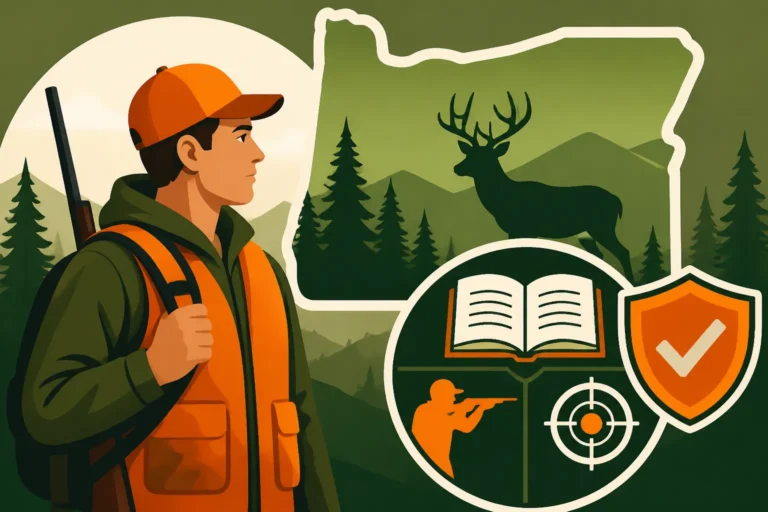
In Oregon, the rule is pretty straightforward for most new hunters: if you were born on or after January 1, 1969, and you plan to hunt with a firearm or bow, you absolutely must complete an approved hunter education course. This isn't some arbitrary date; it's the state's way of ensuring that hunters coming into the sport have a baseline understanding of safety protocols, wildlife identification, ethical hunting practices, and the legal framework that governs our cherished tradition. It means that whether you're 12 or 52, if your birth year falls into that category, you'll need to roll up your sleeves and get certified.
Think about it this way: hunting involves powerful tools and responsibilities. Just as you wouldn't let someone drive a car without understanding traffic laws and how to operate the vehicle, the Oregon Department of Fish and Wildlife (ODFW) wants to ensure hunters know how to handle firearms or bows safely, identify game correctly, and understand shot placement for a humane harvest. This training is about preventing accidents in the field, reducing conflicts with landowners and other outdoor enthusiasts, and ensuring the long-term health of our wildlife populations. It's truly about setting you up for success and ethical participation in the field.
The certification is a lifetime requirement once earned, recognized across North America thanks to reciprocal agreements with other states and provinces. So, if you've moved to Oregon from, say, Idaho, and you completed their hunter education course after January 1, 1969, your certification will generally be accepted here. Always double-check with ODFW if you have an out-of-state certificate, but for the most part, a single certification is all you need for your entire hunting career. For those diving into the details of getting certified, resources like GoHunt can provide valuable insights into regulations and how they might affect your hunt planning.
Age-Based Exemptions and the Mentored Youth Program
Now, while the January 1, 1969, rule covers a vast majority of hunters, there are important exemptions. If you were born before that date, you are generally exempt from the mandatory hunter education requirement. This acknowledges that many experienced hunters from older generations learned through different means and have proven their safety and ethical commitment over decades in the field. However, even if exempt, a refresher course or an online ethics module can never hurt, especially as regulations and conservation practices evolve.
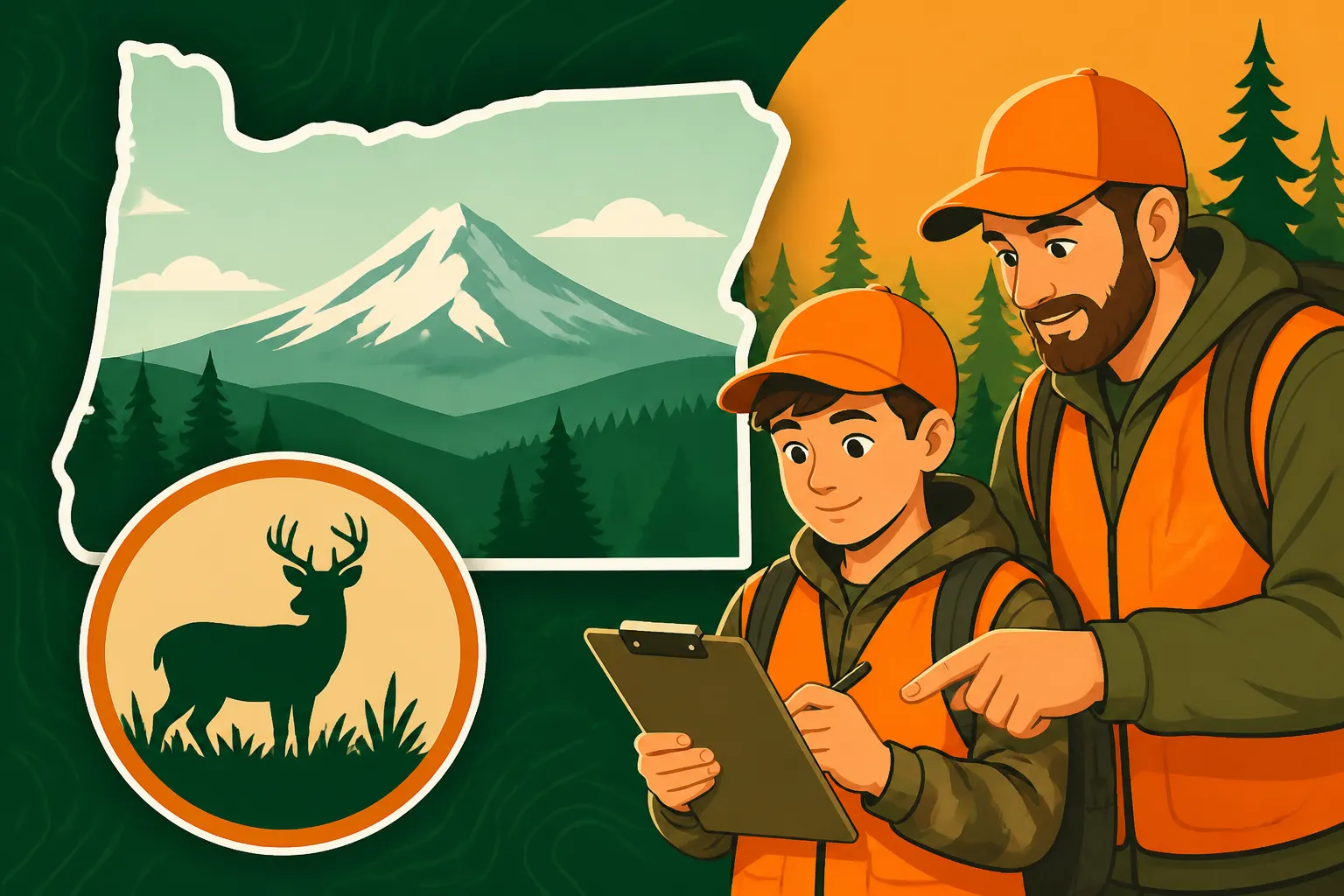
One of the most fantastic opportunities for getting young hunters started in Oregon is the Mentored Youth Hunter Program. This program allows youth between the ages of 9 and 15 (inclusive) to hunt without first completing hunter education, provided they are accompanied by a qualified adult mentor. It's designed to provide a hands-on, direct learning experience in the field, fostering a love for hunting and the outdoors under watchful, experienced eyes.
The mentor plays a crucial role here. To qualify, a mentor must be at least 21 years old and possess a valid hunting license. If they were born on or after January 1, 1969, they must also have their own hunter education certification. This ensures that the mentor themselves has the necessary knowledge and experience to safely and ethically guide a young hunter. The mentor and mentee must remain in close physical proximity, ensuring direct supervision at all times. The mentee can only hunt with a single, un-encumbered weapon (no crossbows unless they have a disability permit, and specific rules apply to firearms and bows). The mentor and mentee also share a single weapon, meaning the mentor is not allowed to carry a loaded firearm or nocked arrow while the youth is hunting, focusing all their attention on guiding the youth. This system truly makes the mentor the responsible party, teaching vital skills like proper shooting stance, understanding animal behavior, and the importance of ethical shot placement on a bull at close range.
This program is a game-changer for families, eliminating the barrier of immediate certification for very young hunters and allowing them to gain real-world experience and develop skills alongside a trusted adult. Many seasoned hunters will tell you that some of their fondest memories are teaching a youngster the ropes, and this program facilitates that connection. It’s an excellent stepping stone before a child commits to the full hunter education course, providing invaluable exposure to the realities and joys of hunting. This mentorship is particularly effective for topics like Tracking Bucks in Fresh Eastern Oregon Snow or understanding Reading Clearcut Edges for Blacktail Bucks.
The Hunter Education Course Experience in Oregon
Once you or your young hunter decides to pursue full hunter education certification, understanding the course itself is the next step. It's more than just a dry lecture; modern hunter education in Oregon is designed to be engaging, informative, and practical, covering a wide array of topics essential for becoming a responsible hunter.
Course Formats and Content
Oregon offers a few different pathways to complete hunter education, catering to various learning styles and schedules. You can choose from traditional, in-person classroom courses, self-paced online courses, or a hybrid option that combines online learning with a mandatory field day. The availability of these options can vary by region and time of year, so planning ahead is crucial, especially if you're aiming for a course before a specific hunting season.
Regardless of the format, the core content remains consistent and comprehensive. Students will delve into firearm and archery safety, covering everything from proper handling and storage to safe shooting techniques and how to prevent common accidents. Ethical hunting practices are a huge component, emphasizing fair chase, respect for wildlife, and the importance of public perception. You’ll learn about wildlife identification, not just of game species like Roosevelt Elk in Western Oregon or Oregon Mule Deer and the Herd Range Decline, but also non-game animals to avoid mistaken identity. Game care and field dressing are also covered, ensuring hunters know how to properly handle their harvest to preserve meat quality and prevent spoilage. First aid and survival skills are integrated, recognizing that hunters often find themselves in remote environments where self-reliance is key.
Moreover, a significant portion of the course is dedicated to Oregon-specific hunting regulations, including seasons, bag limits, licensing, and reporting requirements. This is where you’ll learn about concepts like Oregon's 300-Foot Rule Beside an Open Road and the specifics of Oregon Mandatory Harvest Reporting and the $25 Penalty. The goal is to produce well-rounded, knowledgeable hunters who not only know how to hunt safely but also understand their role in conservation and responsible land use. GoHunt can be an excellent supplementary tool to research specific units and understand the regulatory landscape even further after you've completed your education.
What to Expect from the Field Day
For those who complete the online portion of hunter education, a mandatory field day is the final hurdle to full certification. This isn't just another classroom session; it's the critical hands-on component where theoretical knowledge is put into practice. Typically lasting several hours, field days are designed to assess a student's practical skills and safe judgment in a controlled environment.
You can expect to participate in exercises focusing on safe firearm or archery handling, including proper loading, unloading, carrying, and storage techniques. There will likely be a shooting proficiency test, not necessarily to gauge marksmanship for Rifle Calibers That Suit Oregon Elk, but to ensure a basic level of accuracy and, more importantly, consistent safe handling on the range. Instructors will observe how students react in various simulated hunting scenarios, testing their ethical decision-making, such as identifying safe zones of fire and knowing when not to take a shot.
The field day is also an excellent opportunity to ask experienced instructors any lingering questions about hunting in Oregon. It’s where you might get practical tips on everything from reading game sign to navigating public lands. Active participation and a willingness to learn are key. Instructors are looking for students who demonstrate not just knowledge, but a deep understanding of safety principles and an ethical mindset. Successfully completing the field day signifies that a hunter is ready to carry their certification into the field, prepared for the responsibilities that come with it.
Practical Considerations for Young Hunters and Their Families
Getting into hunting as a youth, or introducing your children to it, is an incredibly rewarding experience that strengthens family bonds and teaches invaluable life skills. However, like any outdoor pursuit, it requires careful planning and continuous education to ensure safety and success.
Planning for the Course and Beyond
The first practical step is to locate and register for an Oregon hunter education course. The most reliable source for course schedules and registration is the official ODFW website. They list all available in-person, online, and hybrid courses, including locations and dates. It’s wise to plan well in advance, especially for popular times like late spring or summer, as courses, particularly youth-focused ones, can fill up quickly. Many people look to enroll in the Oregon Hunter Education Online Course for flexibility.
Beyond the initial certification, the learning journey for a hunter never truly ends. Regulations change, wildlife patterns shift, and new gear comes out. Encourage continuous learning through resources like ODFW pamphlets, online forums, and mentorship from experienced hunters. This includes knowing how to interpret Reading an Oregon Hunting Map Online and understanding specific unit characteristics. Whether it's practicing Sighting In Before the Season Opens or brushing up on First Aid Kit Items for a Remote Hunt, staying sharp is crucial.
For families, involving children in all aspects of hunt planning – from scouting to understanding the regulations and even discussing the ethical implications – can deepen their appreciation and understanding. This goes beyond just pulling a trigger; it's about stewardship, respect for the animals, and responsible participation in a time-honored tradition. Tools like GoHunt can help you research specific hunting units in Oregon, providing data on success rates and public land access, which is invaluable when planning hunts with a young, certified hunter.
Frequently Asked Questions About Youth Hunting
New and young hunters often have specific questions as they navigate the regulations and prepare for their first hunts. Here are some common ones and their answers:
What if a youth turns 18 mid-season?
If a youth hunter turns 18 during the course of a hunting season, their youth license remains valid for the remainder of that specific season. However, for any subsequent seasons, they would be required to purchase an adult hunting license and any necessary tags. This applies even if they secured a Oregon Youth Hunting Licence Cost at the youth rate earlier in the year.
Are hunter education certifications from other states accepted in Oregon?
Yes, generally. Oregon has reciprocity with all other U.S. states and Canadian provinces. If you completed a state-approved hunter education course in another jurisdiction, your certification should be recognized here. Always carry proof of your certification when hunting.
What is the importance of a mentor setting a good example?
The influence of a mentor cannot be overstated. A good mentor not only teaches safe gun handling and marksmanship but also instills patience, respect for wildlife, adherence to regulations, and the importance of ethical decision-making. They demonstrate responsible conservation practices and proper field etiquette, ensuring the young hunter develops a strong moral compass in the outdoors, helping them understand concepts like Oregon Wildlife Violation Penalties.
What about safety equipment and gear for youth?
Safety gear, especially hunter orange, is non-negotiable for youth hunters during rifle seasons. Beyond that, ensure they have properly fitting firearms or bows, appropriate ammunition, and comfortable, weather-appropriate clothing and footwear. Ill-fitting gear can lead to discomfort, poor shooting, and a diminished experience. Starting with simpler hunts, perhaps on Oregon Open Fields Properties and How to Find Them, can build confidence.
What are the rules around archery education?
While general hunter education covers bow safety, some states have specific bowhunter education requirements. In Oregon, general hunter education covers the requirement for bowhunting if born after Jan 1, 1969. However, for those interested in advanced bowhunting techniques, dedicated Oregon Bowhunter Education Rules courses are available, though often optional, offering deeper insights into shot placement, tracking, and specific equipment considerations like broadhead choice for heavy bone.
| Hunter Education Pathway | Age Requirements | Mentorship Required? | Hunter Education Certification Needed? | Description |
|---|---|---|---|---|
| Standard Hunter Education | Born on or after Jan 1, 1969 (no minimum age for course, but typically 9+ recommended for comprehension) | No | Yes (for all born on/after 1/1/1969) | Comprehensive classroom or online course with a mandatory field day for online students. Leads to full certification. |
| Mentored Youth Hunter Program | 9-15 years old (inclusive) | Yes (adult 21+ with valid license and, if born after 1/1/69, their own hunter ed cert) | No (for mentee while in program) | Allows youth to hunt under direct supervision of a qualified mentor without prior certification. |
| Exempt Hunter | Born before Jan 1, 1969 | No | No | Experienced hunters from older generations are exempt from mandatory certification. |
Disclaimer
The information provided in this guide is for general informational purposes only and does not constitute legal advice. Hunting regulations in Oregon can change, and it is the hunter's responsibility to review the most current Oregon Department of Fish and Wildlife (ODFW) regulations pamphlet and relevant laws before participating in any hunting activity. Always confirm specific requirements and season dates directly with ODFW.