Why Oregon Moved to Herd Ranges
It's completely understandable if you've felt a bit lost or frustrated trying to make sense of Oregon's hunting regulations in recent years. The shift from familiar, numbered hunting units to the new "herd range" system has certainly caused a fair amount of head-scratching and bewilderment for many of us who've spent decades in the field. This guide aims to pull back the curtain on why Oregon made this significant change, explain what herd ranges actually are, and help you navigate this new, more complex, but ultimately more precise, approach to wildlife management.
The Evolution of Oregon's Wildlife Management
For many years, Oregon, like most states, relied on a system of large, geographically defined hunting units. These units were often based on features like major rivers, highways, or county lines, making them relatively easy to identify on a map. But as the challenges facing our wildlife populations grew more complex, and our understanding of animal behavior deepened, it became clear that this traditional approach had some serious limitations.
The Limitations of the Old System
Think about it: a line on a map, whether it’s a county boundary or a major highway, means absolutely nothing to a migratory herd of mule deer or a sprawling group of elk. Animals don't stop at arbitrary lines. This meant that wildlife managers were often trying to manage a single, dynamic herd that might span two or three different hunting units. Data collected within one unit might not accurately reflect the health or trends of the entire herd, leading to less effective management decisions.
For example, a hunt unit might have strong elk numbers in one corner but declining numbers in another, yet the tag allocation for the entire unit had to be a blanket decision. This broad-brush approach often resulted in missed opportunities for focused conservation efforts or, conversely, over-pressuring localized groups of animals while others remained under-hunted. The old system was simple, yes, but its simplicity was becoming a hinderance to truly effective, modern wildlife conservation.
Growing Pressures on Wildlife Managers
Wildlife agencies like the Oregon Department of Fish and Wildlife (ODFW) are facing unprecedented pressures. We're seeing habitat fragmentation due to development, the impacts of a changing climate affecting forage and water availability, increased human-wildlife conflicts, and the persistent challenge of managing predator populations alongside game species. On top of that, hunter numbers fluctuate, and the public demand for robust, healthy wildlife populations is stronger than ever.
All these factors require a much more nuanced and adaptable approach to wildlife management. The old system, while familiar and comfortable for hunters, just didn't provide ODFW with the granularity of data and management flexibility needed to respond effectively to these rapidly evolving challenges. They needed a way to manage animals not just where they were hunted, but where they lived year-round, through all their seasonal movements and life cycles.
Understanding the Shift to Herd Ranges
The move to herd ranges, while initially confusing, represents a fundamental shift towards a more biologically sound and data-driven approach to managing Oregon's big game. Instead of focusing on arbitrary lines, ODFW is now focusing on the actual populations themselves.
What Exactly is a Herd Range?
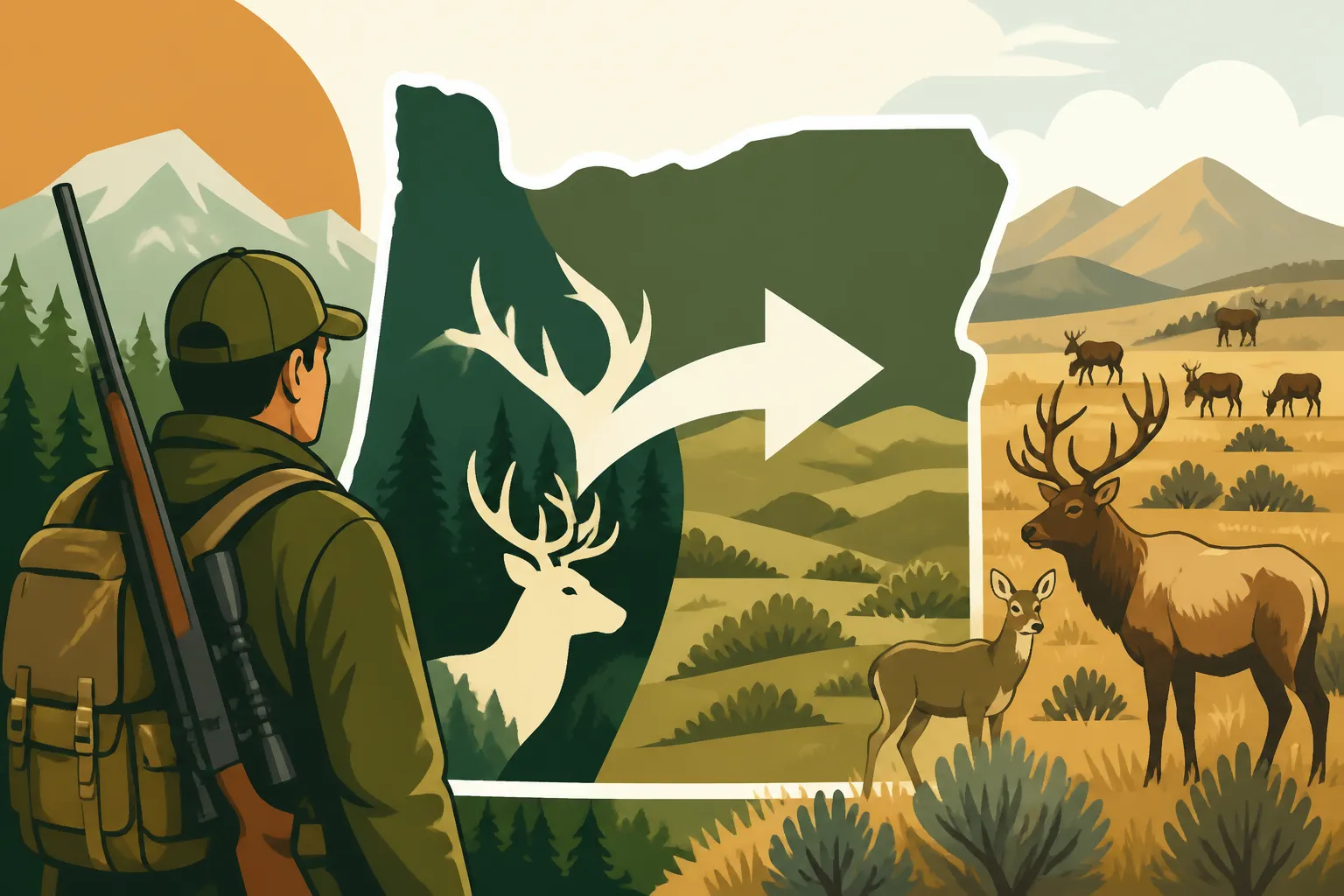
At its core, a "herd range" is a specific geographical area that encompasses the year-round habitat of a distinct population of deer or elk. This includes their breeding grounds, summer and winter foraging areas, and the migratory corridors they use to move between them. For instance, the ODFW now identifies 22 distinct mule deer herd ranges across the state, each with its own unique characteristics and management needs. These new designations are a direct reflection of years of research, tracking, and understanding how these animals truly live and move across the landscape.
Unlike the old units, which were often human-defined polygons on a map, herd ranges are defined by the animals themselves. This means that if a particular herd of Rocky Mountain elk primarily inhabits a specific valley and mountain range in Eastern Oregon, that entire area, regardless of old unit boundaries or highways, becomes its designated "herd range." This holistic view allows managers to consider all factors impacting that specific herd when making decisions, from habitat projects to tag allocations.
The Data-Driven Approach
The real power of the herd range system lies in its ability to facilitate a data-driven approach to wildlife management. With specific herd ranges identified, ODFW can now collect and analyze data – like population counts, fawn recruitment rates, and harvest success – directly related to that particular herd. This provides a much clearer, more accurate picture of the health and trends of individual populations. This targeted data is crucial for developing management plans that are tailored to the unique needs of each herd, rather than applying a one-size-fits-all solution across a broad region.
For hunters, this means that while the maps might look different, the underlying intent is to ensure healthier, more sustainable game populations in the long run. Resources like GoHunt, for example, have adapted to these new structures, offering hunters valuable insights and mapping tools to research specific herd ranges. By focusing on the biology of the animals rather than human-drawn lines, ODFW hopes to make more informed decisions that benefit both the wildlife and the hunting community.
The Benefits for Wildlife Management and Hunters
While the transition has been a bit bumpy, the shift to herd ranges offers tangible benefits that are crucial for the future of Oregon hunting and wildlife conservation. It’s about more than just changing names; it’s about changing how we interact with and protect our state's incredible game animals.
Better Conservation and Healthier Herds
One of the primary drivers for this change was the need for more effective conservation. When you can manage a specific herd based on its actual range and biological needs, you can implement more targeted conservation strategies. This might include specific habitat improvement projects in their winter range, managing predator impacts more precisely, or adjusting tag numbers to support specific population goals. For example, understanding Mule Deer Fawn Recruitment Rates within a particular herd range allows ODFW to implement very specific measures if recruitment is low, rather than making broad assumptions for a larger region.
This localized approach is designed to lead to more resilient and healthier game populations over time. It allows ODFW to be more responsive to factors like drought, wildfire, or disease outbreaks that might affect one herd differently than another. Ultimately, healthier herds mean a more sustainable future for hunting in Oregon. This proactive, data-informed management is a significant step towards ensuring that future generations have the same, or even better, hunting opportunities we enjoy today.
More Precise Hunting Opportunities
While it might feel more complicated upfront, the herd range system is intended to lead to more precise and, in the long run, more successful hunting opportunities. By understanding the specific dynamics of each herd, ODFW can allocate tags more accurately, ensuring that hunting pressure is appropriately distributed and aligned with population goals. This doesn't necessarily mean more tags overall, but it means tags are allocated where they can have the most positive impact on herd health and hunter experience.
This refined approach can also lead to a more consistent hunting experience. Instead of a unit having wildly varying success rates based on where a migratory herd happened to be that year, management can be more finely tuned. For hunters who do their homework, tools like GoHunt can help decipher the data available for specific herd ranges, allowing for more informed decisions on where to apply and hunt. By linking tag allocations directly to the health and capacity of individual herds, the system aims to optimize both conservation and ethical harvest.
Navigating the New System as a Hunter
Adapting to the herd range system requires a bit more homework than before, but the resources are there to help you make sense of it all. It’s an investment in your hunting future and the health of Oregon’s game.
Using Tools and Resources to Adapt
The first step in understanding the new system is to dive into the resources available. ODFW provides detailed maps and information on the new herd ranges, often linked to their annual Oregon Regulation Pamphlet Release Date. Many hunters find it invaluable to use digital mapping applications like GoHunt, which overlays these new boundaries onto satellite imagery and topographical maps. These tools make it much easier to visualize where these ranges are and how they relate to the terrain you plan to hunt.
When you're trying to figure out where to hunt, especially if you’re used to the old units, comparing the "How Oregon Numbers Its Wildlife Units" with the new herd range names is critical. This will help you understand how your familiar hunting grounds now fall within these new management areas. Utilizing digital tools for E-Scouting Oregon Units With Satellite Imagery allows you to virtually explore these new ranges from the comfort of your home, identifying potential access points, water sources, and bedding areas before you ever set foot in the field. Don't forget to check out Reading a Travel Management Area Map Before You Drive to understand specific vehicle access rules within these new boundaries.
Understanding the Impact on Preference Points and Tag Allocations
One of the most common questions revolves around how these changes affect your hard-earned preference points and the actual draw. The core mechanics of the Oregon Controlled Hunt Draw Explained still apply, but now you’re applying for tags that are tied to specific herd ranges, or combinations of them, rather than the old units. It's crucial to understand how Oregon Preference Points and How They Work within this new framework, as some hunt codes and their associated point requirements may have shifted with the boundary realignments.
The ODFW website and platforms like GoHunt are your best friends for researching draw odds under the new system. You'll want to pay close attention to the specific hunt codes associated with the new herd ranges to ensure you're applying for the correct ones. It's also worth noting that some of Oregon's 22 Mule Deer Herd Ranges have seen adjustments to tag numbers based on their specific management plans, so staying informed about the Oregon Mule Deer Plan and Tag Numbers is essential before you fill out your application. Remember, the goal is better management, which hopefully translates into more consistent, if potentially different, hunting opportunities down the line.
The Future of Oregon Hunting
While change can be uncomfortable, especially in something as traditional as hunting, ODFW's move to herd ranges is a forward-looking strategy. The aim is not to make hunting more difficult, but to ensure that Oregon's incredible big game populations remain robust and healthy for generations to come. This system provides wildlife managers with the tools they need to make science-based decisions in a rapidly changing world.
Staying engaged, learning the new system, and utilizing the advanced tools available to hunters will be key to continued success. Attend Oregon Commission Meetings on Hunting Rules if you can, or read their summaries, to understand the ongoing discussions and adjustments to the hunting framework. Embrace the learning curve; it’s an opportunity to deepen your understanding of the animals we pursue and the landscapes they inhabit. The future of hunting in Oregon, with its beautiful Roosevelt elk and challenging mule deer, depends on our collective adaptation and commitment to sound wildlife management.
Disclaimer
Please remember that hunting regulations, seasons, and unit boundaries can change. Always consult the most current Oregon Department of Fish and Wildlife (ODFW) regulations pamphlet and official website before planning any hunting trip. This guide is for informational purposes only and should not be considered a substitute for official ODFW publications.