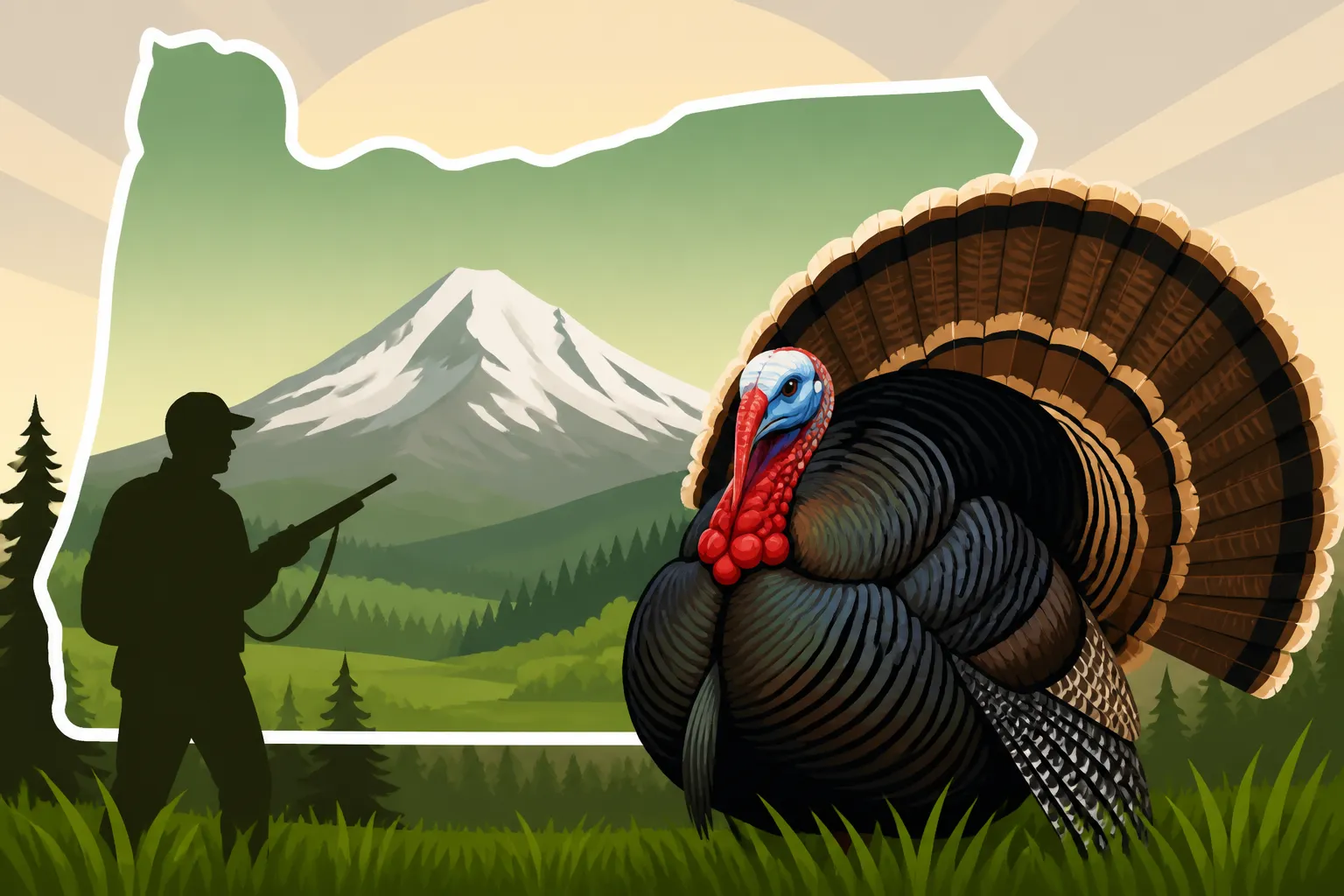
Oregon Spring Turkey Season Dates
There's nothing quite like the sound of a gobbler hammering at first light, announcing his presence from a distant ridge on a crisp spring morning. It's a sound that gets your heart pumping, but before you can even think about setting out a decoy or practicing your diaphragm calls, you need to know when you can legally pursue these incredible birds. Many hunters, new and seasoned alike, get frustrated trying to track down the exact, up-to-date Oregon spring turkey season dates and navigate the various regulations. This comprehensive guide will meticulously break down the spring turkey season in Oregon, help you understand the tag requirements, and offer essential preparation tips so you're ready when that first gobble rings out.
Pinpointing the Dates: Oregon's Spring Turkey Seasons Explained
Getting the season dates right is the absolute first step for any successful spring turkey hunt in Oregon. Unlike some big game species that have complex controlled hunts with specific draw results, Oregon's general spring turkey season is typically straightforward, operating on a statewide basis for over-the-counter tags. However, knowing the exact start and end dates, along with any special youth opportunities, is paramount to planning your trips and avoiding any potential misunderstandings.
General Season Dates for Spring Turkeys
The general spring turkey season in Oregon usually kicks off in mid-April and runs through the end of May. For instance, in recent years, the general season has consistently been from April 15th through May 31st. This six-week window provides ample opportunity to get out and chase gobblers across various landscapes, from the oak savannas of western Oregon to the Ponderosa pine forests of the east. It’s a generous season length that allows hunters to adjust for weather, scout different areas, and maximize their chances, especially if they have multiple tags. Always double-check the current year's Oregon Department of Fish and Wildlife (ODFW) regulations pamphlet, which is typically released in late winter, to confirm these dates, as they can occasionally shift.
Special Youth Hunt Opportunities
Oregon places a high value on introducing the next generation to hunting, and the spring turkey season is a fantastic opportunity for young hunters. Each year, there's a dedicated youth-only spring turkey hunt that takes place on the weekend immediately preceding the general season opener. For example, if the general season starts on April 15th, the youth hunt would typically be held on April 13th and 14th. This gives young hunters, usually those 17 years of age or younger, a special chance to hunt turkeys without the added pressure of a full complement of adult hunters in the woods. It's a wonderful tradition that often leads to unforgettable first-hunt experiences. Adults who are properly licensed can accompany mentored youth hunters, providing guidance and assistance, but they cannot carry a firearm or hunt themselves during this youth-only period. For families looking to participate in the Oregon Mentored Youth Hunter Program, this early season offers a unique and less crowded experience.
Getting Your Tag and Navigating the Rules for Spring Turkeys
Understanding when to hunt is just one piece of the puzzle; knowing how to legally secure your tags and adhere to the regulations is equally important. Oregon's system for turkey tags is fairly simple for the general spring season, but a few key details can make all the difference between a legal, ethical hunt and a frustrating mistake.
License and Tag Requirements
To hunt spring turkeys in Oregon, every hunter, regardless of age, must possess a valid Oregon hunting license. In addition to your annual hunting license, you'll need to purchase specific turkey tags. Oregon allows hunters to purchase up to three turkey tags per calendar year. Each tag is valid for one gobbler or bearded hen. This means you could potentially harvest three birds during the spring season if you purchase three tags and are successful.
Purchasing your license and tags is a straightforward process through the Oregon Department of Fish and Wildlife's electronic licensing system. You can access the Oregon Electronic Licensing System Login from the comfort of your home. It's always a good idea to handle this well in advance of the season opener to avoid any last-minute technical glitches or delays. Once purchased, you can often print your tags directly at home. Remember, each tag needs to be immediately validated and attached to your bird after harvest, so carrying a pen or pencil and zip ties is crucial.
Bag Limits and Legal Shooting Hours
As mentioned, the bag limit is one gobbler or bearded hen per tag, with a maximum of three tags allowed annually. This is important: you cannot harvest a hen unless it has a visible beard, which is a fairly uncommon occurrence but does happen. The intent is to protect the breeding population of hens.
Legal shooting hours for spring turkeys typically begin a half-hour before sunrise and extend to a half-hour after sunset. This generous window covers the prime gobbling times and allows hunters to be in the woods when turkeys are most active and vocal. However, always verify these times in the current year's regulations pamphlet. Sunrise and sunset times vary throughout the season and across different parts of Oregon, so using a reliable app or chart that adjusts for your specific location is incredibly helpful. For instance, first light in the Willamette Valley Open Fields Properties might differ slightly from the higher elevations of Eastern Oregon.
When hunting, it’s critical to remember the importance of clearly identifying your target. While calling can bring birds close, always confirm it’s a legal bird (a gobbler or bearded hen) and that you have a safe, ethical shot before pulling the trigger.
Beyond the Calendar: Preparing for Your Oregon Spring Turkey Hunt
Knowing the dates and rules is foundational, but true success in the Oregon spring turkey woods comes from thorough preparation. This involves everything from scouting your hunting areas to understanding turkey behavior and having the right gear. Many hunters, even with the dates nailed down, struggle with the "how-to" of finding and calling in these wily birds.
E-Scouting and Locating Roosting Areas
Before you even step foot in the woods, the best way to prepare for your spring turkey hunt is through extensive e-scouting. Tools like GoHunt's mapping system or other satellite imagery applications are invaluable for identifying potential turkey habitat. Look for areas with a mix of mature timber (especially pines and firs for roosting), open clearings, agricultural fields, and consistent water sources. Turkeys are creatures of habit, and they often roost in the same trees or areas year after year. Focus on areas with good southern exposure, as these often warm up faster in the morning, drawing birds out to feed. You're trying to find patterns in the landscape that suggest where turkeys will feed, water, and ultimately, roost. Pay close attention to ridge lines, creek bottoms, and property boundaries that might offer natural travel corridors. For more detailed insights, you can often find great information on E-Scouting Oregon Units With Satellite Imagery.
Once you've identified promising locations, it's time for some boots-on-the-ground scouting. Listen for morning and evening gobbling, look for tracks, droppings, and shed feathers. Finding fresh sign, especially near potential roosting sites, can significantly increase your odds. Remember, knowing Where Oregon Turkeys Roost is half the battle, as they are often most vulnerable shortly after flying down from their roosts.
Calling Techniques and Decoy Use
Spring turkey hunting is often a game of communication. Mastering a few basic turkey calls—yelps, clucks, purrs, and gobblers—can be the difference between an empty vest and a successful hunt. There are various types of calls: diaphragm calls, box calls, slate calls, and push-pull calls. Each has its strengths and weaknesses, and most successful hunters carry a combination. Start simple, practice consistency, and learn to "read" the bird you're calling to. Sometimes a soft cluck is all it takes; other times, an aggressive series of yelps and cutts can bring a tom running.
Decoys can also be incredibly effective, especially a lone hen or a jake/tom combination. Placing decoys in an open field or clearcut, where they are visible from a distance, can draw in curious gobblers. However, always exercise extreme caution when using decoys, especially on public land. Ensure you have a clear understanding of your surroundings and that your decoys are placed in a safe manner to prevent accidental shooting by other hunters. Understanding Oregon Turkey Subspecies and Range can also help tailor your calling strategy, as some subspecies might respond differently.
Public Land Access and Hunter Etiquette
Oregon boasts a significant amount of public land accessible for hunting, including national forests, BLM lands, and state forests. However, navigating these areas requires a good understanding of regulations and maps. Websites and apps with detailed land ownership maps, such as those provided by GoHunt or the ODFW's online mapping tools, are invaluable. They help you quickly identify public land boundaries and avoid trespassing. For a deep dive into using these resources, consider our guide on Reading an Oregon Hunting Map Online.
When hunting public land, hunter etiquette is crucial. Be mindful of other hunters, respect their space, and avoid setting up too close to an active gobbler another hunter is working. This is especially true during the busy opening weeks of the season. Also, familiarize yourself with specific rules regarding motorized travel. Many areas, particularly timber company lands and some state forests, may have gates or seasonal road closures. The Oregon Regulation Pamphlet Release Date is something to watch for, as it provides the most current information. Always ensure you are following all state and local regulations, including the often-overlooked Oregon's 300-Foot Rule Beside an Open Road for shooting near roads. Being courteous and respectful not only ensures a safer hunting experience for everyone but also preserves the access we all value. Remember, spring turkey hunting is a fast-growing sport, and good sportsmanship helps maintain positive relationships among hunters and with landowners.
Table: Typical Oregon Spring Turkey Season Overview
| Hunt Type | Season Start Date | Season End Date | Legal Weapons | Bag Limit (per tag) | Additional Notes |
|---|---|---|---|---|---|
| Youth Season | Mid-April Weekend | Mid-April Weekend | Shotgun, Bow, Crossbow | 1 Gobbler/Bearded Hen | 17 years and younger, accompanied by non-hunting adult |
| General Season | April 15 | May 31 | Shotgun, Bow, Crossbow | 1 Gobbler/Bearded Hen | Up to 3 tags per hunter per year |
| Shooting Hours | 1/2 Hour Before Sunrise | 1/2 Hour After Sunset | N/A | N/A | Varies by specific location and date |
Please note: These dates are typical and based on recent regulations. Always refer to the current year's official Oregon Big Game Regulations for precise dates and rules.
Final Preparations and Important Reminders
With the season dates in mind, your tags purchased, and scouting underway, there are just a few more things to consider to ensure your Oregon spring turkey hunt is a success.
Gear and What to Pack
Your gear list for spring turkeys doesn't need to be extensive, but a few essentials are critical. Beyond your weapon of choice (shotgun with appropriate turkey choke and shells, or a bow/crossbow), make sure you have good camouflage from head to toe. Turkeys have incredible eyesight, and breaking up your outline is paramount. A comfortable turkey vest with plenty of pockets for calls, water, snacks, and a harvested bird is a huge plus. Don't forget bug spray, especially as the season progresses and ticks and mosquitoes become more prevalent. A cushion to sit on for long waits can also make a huge difference in comfort. For hunters new to the game, remember that Oregon Hunter Education Requirements are mandatory before you can purchase your first adult hunting license.
Reporting Your Harvest
One critical step that many hunters overlook, or simply forget about in the excitement of a successful hunt, is harvest reporting. In Oregon, mandatory harvest reporting applies to all big game species, including turkeys. Even if you don't harvest a bird, you still need to report your tag as "unfilled." The deadline for reporting spring turkey tags is typically in January of the following year. Failing to report can result in a $25 penalty added to your next license purchase. It's a simple process that helps ODFW manage wildlife populations effectively, so please take the time to do it.
Spring turkey hunting in Oregon offers some incredible opportunities to connect with nature and experience the thrill of the chase. By staying informed on the season dates, understanding the regulations, and putting in the effort to prepare, you'll be well on your way to a memorable hunt.
Disclaimer
The information provided in this guide is for general informational purposes only and is subject to change. While we strive to offer accurate and up-to-date content, hunting regulations, season dates, and access rules can be updated by the Oregon Department of Fish and Wildlife (ODFW) at any time. It is the sole responsibility of every hunter to consult the most current official ODFW hunting regulations pamphlet and relevant land management agency rules before participating in any hunting activity. Always prioritize safety, ethical hunting practices, and compliance with all applicable laws.