Pack Stock and Outfitter Camps in Oregon
Venturing deep into Oregon's vast, untamed backcountry for a big game hunt is a dream for many, but the sheer logistics of reaching remote areas, establishing a comfortable camp, and then, most importantly, packing out a hard-earned animal can quickly turn that dream into a daunting challenge. This comprehensive guide will walk you through the world of pack stock and outfitter camps in Oregon, explaining how these services can transform an otherwise impossible wilderness hunt into a successful and truly memorable experience.
The Lure of Oregon's Backcountry: Why Pack Stock Becomes Essential
Oregon boasts an incredible amount of public land, from the dense, wet coastal timber to the rugged, high-desert rimrock of the east. While access points like trailheads and forest roads exist, the really prime hunting grounds often lie miles beyond where a vehicle can go, presenting a significant barrier for many hunters. This is where the enduring partnership with pack stock—horses, mules, and llamas—truly shines, opening up a world of possibilities that are simply out of reach for a solo hunter with a backpack.
Beyond the Trailhead: Accessing Remote Hunting Grounds
Imagine staring at a map, seeing vast swaths of roadless country or designated wilderness areas, and knowing that's exactly where the biggest bulls and bucks are hiding. The problem is, getting yourself and all your gear several miles into that country, over rough terrain, through thick timber, or across steep drainages, can be an exhausting endeavor. For many, especially those not in peak physical condition or with limited time, a multi-day backpack hunt where you carry everything on your back is simply not feasible. Pack stock eliminates this limitation. They can cover significant distances daily, navigate challenging trails with ease, and carry loads that would break a human back, allowing you to venture much deeper into areas that see far less hunting pressure. This isn't just about comfort; it's about expanding your effective hunting range exponentially and truly getting away from the crowds that tend to stick close to the roads.
Hauling Heavy Loads: The Reality of an Elk or Deer Pack Out
Let's talk about the moment of truth: you've finally connected with a bull elk in some remote basin, five miles from the nearest road. The adrenaline is pumping, but then the cold, hard reality sets in. A mature bull elk can weigh upwards of 700-800 pounds live, and even when quartered, you're looking at hundreds of pounds of bone, meat, and hide. Trying to pack that out in multiple trips, often over uneven ground, through thick brush, or up steep slopes, can take days, risking meat spoilage and serious physical strain. We've all heard the stories, or perhaps lived them, of hunters making five, six, seven trips with heavy packs, absolutely destroyed by the effort.
With pack stock, this monumental task becomes manageable. An experienced packer with a string of mules or horses can often get an entire elk, or at least the bulk of it, out in one or two trips. This preserves the quality of your meat by reducing the time it spends in the field and saves your body for the actual hunting. The relief of knowing that once you've harvested your animal, the heavy lifting will be handled by four-legged professionals is immense, allowing you to focus on the hunt itself rather than the grueling extraction plan.
Setting Up a Comfortable, Strategic Base Camp
Anyone who has spent a week or more in the backcountry knows the difference a comfortable camp makes. When you're carrying everything on your back, every ounce counts, meaning luxuries like a spacious tent, a comfortable sleeping pad, a proper cooking setup, and fresh food are often left behind. This can lead to exhaustion, poor nutrition, and a general decline in morale over a long hunt.
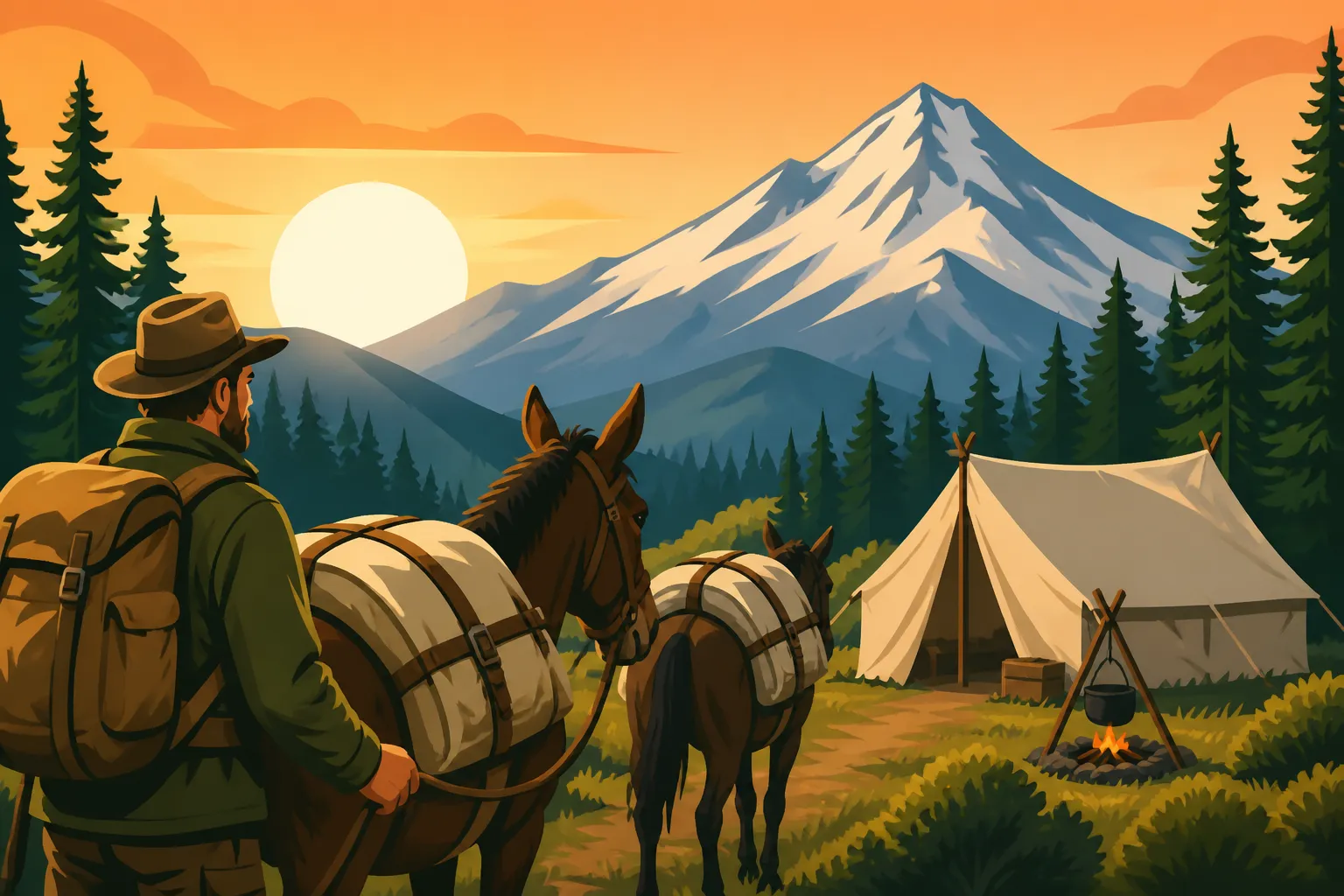
Pack stock changes this equation entirely. With animals doing the heavy lifting, you can bring in a larger wall tent, cots, a wood stove for warmth on chilly mornings, a propane cookstove, and a much wider variety of fresh food and drinks. An outfitter's camp becomes a true home-away-from-home, a strategic base camp from which you can launch your daily hunts, recover comfortably each evening, and stay focused and energized for the duration of your trip. These camps are often established in prime hunting areas, minimizing travel time to your hunting grounds each morning and maximizing your time actually spent hunting.
Understanding Pack Stock Services in Oregon
When you decide to leverage pack stock for your Oregon hunting adventure, you generally have a few different options, ranging from fully guided and outfitted experiences to more independent arrangements. Understanding these distinctions is key to choosing the service that best fits your hunting style, budget, and desired level of comfort and support.
Full-Service Outfitted Camps vs. Drop Camps
The primary offerings in Oregon, especially for big game hunting, usually fall into two categories: full-service outfitted camps and drop camps.
Full-Service Outfitted Camps
This is the "done-for-you" experience. With a full-service hunt, the outfitter provides everything from the horses or mules to pack you and your gear into a remote, pre-set camp, to the camp itself (often large wall tents with stoves, cots, and cooking areas), all your meals, and experienced guides to lead you on daily hunts. They handle all the camp chores, cook the food, and, importantly, pack out any game you harvest. This option is perfect for hunters who want to maximize their hunting time, appreciate comfort in the backcountry, or are less experienced in navigating rugged wilderness on their own. It's truly an immersive experience where your focus can remain almost entirely on the hunt and enjoying the wilderness, without the distractions of logistics and camp management. These types of hunts are common for Archery Elk Hunting Oregon's August and September Seasons or for chasing Rocky Mountain elk in the more rugged units of Eastern Oregon.
Drop Camps
A drop camp service is a more independent option. Here, the outfitter uses their pack stock to transport you, your hunting partners, and all your gear (tents, food, sleeping bags, etc.) into a pre-determined remote location. They "drop" you and your gear off, and then typically return at a pre-arranged date to pack you and any harvested game back out. You are responsible for setting up your own camp, cooking your own meals, and doing all your own hunting. This option is ideal for experienced backcountry hunters who prefer to hunt independently but need help getting into deep wilderness areas with more gear than they could carry on their backs. It’s also often a more budget-friendly alternative to a full-service hunt. You get the advantage of reaching truly remote areas with comfortable gear, without the daily presence of a guide, giving you a greater sense of self-reliance.
The Role of Horses, Mules, and Llamas in Oregon's Terrain
Each type of pack stock brings its own set of advantages and considerations, particularly when navigating the diverse and often challenging terrain found across Oregon.
Horses
Horses are excellent for riding, offering comfort for hunters covering long distances to and from camp or during daily excursions. They can carry significant weight, though usually a bit less than a mule on their back. Their speed and agility make them effective for covering large areas, and they are generally well-suited for established trails and less extreme mountainous terrain. Many outfitters will use horses for client riding and mules for packing gear.
Mules
Often considered the workhorses of the backcountry, mules are hybrids of horses and donkeys, inheriting the best traits of both. They are incredibly strong, sure-footed, and known for their endurance. Mules excel at carrying heavy, awkward loads over rough, steep, and rocky terrain that would challenge a horse. Their natural caution and intelligence make them exceptionally reliable for packing gear into the most remote and rugged areas, like those found in the Wallowa Mountains or Hells Canyon. If you're looking to get into truly gnarly country with maximum gear, mules are often the preferred choice.
Llamas
Llamas are a unique and increasingly popular choice for pack stock, especially for hunters who prefer a quieter, lower-impact experience. They are known for their gentle disposition, relatively low food and water requirements, and their ability to navigate rough trails with incredible agility. While they can't carry as much weight as a mule or horse (typically 60-80 pounds per animal), they are very quiet, leave a minimal footprint, and can be led easily by an individual hunter. For a smaller hunting party looking for a quieter, more intimate backcountry experience, particularly in sensitive wilderness areas where minimizing impact is paramount, llamas can be an excellent option.
Certified Weed-Free Feed: A Critical Requirement
If you plan to use pack stock, whether your own or an outfitter's, in most of Oregon's public lands, particularly National Forests and Wilderness Areas, a crucial regulation you need to be aware of is the requirement for Certified Weed-Free Feed Requirements. This isn't just a bureaucratic hurdle; it's a vital measure designed to protect Oregon's delicate ecosystems from the spread of invasive, non-native plant species.
Invasive weeds can outcompete native vegetation, destroy wildlife habitat, alter fire regimes, and disrupt natural ecological processes. The seeds of these weeds can easily be transported in hay, straw, or other feed used for pack animals. To combat this, land management agencies require that any forage brought onto public lands be certified as "weed-free" by a state inspection program. This means the feed has been inspected and found to be free of noxious weed seeds. Outfitters operating in these areas will always comply with this, using only certified feed, and they will expect their clients to understand the importance of this regulation. As a hunter utilizing these services, you won't typically need to source this yourself, but it's important to understand why it's a rule and respect the care your outfitter takes to uphold it.
What to Expect from an Oregon Outfitter Camp Experience
Deciding to go with an outfitter for a pack stock hunt means you're investing in an experience. While every outfitter and every camp will have its unique flair, there are some general expectations you can hold regarding comfort, daily operations, and the overall hunting experience. Understanding these can help you better prepare and ensure your trip meets your expectations.
Camp Amenities and Comfort Levels
Outfitter camps vary wildly in their "luxury" factor, but even a basic drop camp will be far more comfortable than a minimal backpack setup. At the more comfortable end of the spectrum, you can expect well-appointed wall tents that serve as sleeping quarters, often with cots and even wood stoves for heating. There might be a separate dining tent where meals are served, and a dedicated cooking area. Some camps might feature a shower tent, or at least a washing station.
Even in more rustic camps, the sheer ability to bring in more gear means warmer sleeping bags, thicker sleeping pads, and enough space to comfortably move around and store your personal items. Your clothes will likely stay drier, and you'll have a more consistent routine. The key takeaway is that an outfitter camp provides a robust, weather-resistant shelter and a centralized place to regroup, dry out, and recharge after a long day in the field, which is invaluable when hunting in Oregon's unpredictable weather.
Food, Logistics, and Daily Operations
Food is often a highlight of an outfitted camp. Forget dehydrated meals for a week! Outfitters pride themselves on providing hearty, delicious, and plentiful meals to fuel strenuous hunting days. Think fresh eggs and bacon for breakfast, substantial sandwiches or wraps for lunch in the field, and a full, hot dinner every evening, often featuring Dutch oven cooking or grilled meats. Dietary restrictions can usually be accommodated if communicated in advance.
Logistically, the outfitter or lead guide will typically outline the daily hunting plan each evening or morning. This includes assigning hunting areas, discussing tactics like Calling Bull Elk During Oregon's Archery Season or Spot-and-Stalk Spring Bear on Oregon's Green Slopes, and coordinating rendezvous points. Water sources are usually identified and made accessible, and strict camp hygiene protocols are followed to ensure health and minimize impact. All the details that take up a significant portion of a DIY hunter's mental energy are handled for you, allowing you to wake up, eat a good meal, and head directly into the hunt.
Managing Expectations for Success Rates and Hunt Experience
It's crucial to approach any guided or outfitted hunt with realistic expectations. While an outfitter provides the best possible opportunity for success by putting you in prime areas with expert guidance, they do not guarantee a harvest. Hunting is inherently unpredictable; animals don't always cooperate, weather can turn, and shots can be missed. A good outfitter will be transparent about their success rates, but these often reflect "opportunity rates" (how many clients had a legitimate shot opportunity) as much as actual harvest rates.
The true value of an outfitter camp experience often extends far beyond the kill. It's about immersing yourself in some of Oregon's most stunning wilderness, learning from experienced outdoorsmen, forming camaraderie with fellow hunters, and pushing your own limits. The challenge, the pursuit, and the time spent in nature are often the most memorable aspects of the trip. Focus on the adventure, the learning, and the unique experience of hunting deep in Oregon's wilderness supported by pack stock, and you'll come away with memories that last a lifetime, regardless of whether you punch your tag.
Choosing the Right Pack Stock Service and Outfitter
Selecting the right pack stock service or outfitter is one of the most critical decisions you'll make for a successful and enjoyable hunting trip in Oregon. This isn't just about finding someone with horses; it's about finding a reputable professional who aligns with your hunting goals and values.
Researching and Vetting Oregon Outfitters
The first step is thorough research. Start by looking for outfitters who specialize in the species and region you're interested in, whether that's Roosevelt Elk in Western Oregon or Oregon Mule Deer and the Herd Range Decline in the east. Online platforms like BookYourHunt can be a great starting point, as they often list multiple outfitters with client reviews and detailed service descriptions. Websites like GoHunt also provide a wealth of information on units and species, which can help inform your choice. Once you have a shortlist, the real vetting begins.
It is absolutely imperative to verify an outfitter's credentials. In Oregon, all hunting guides and outfitters must be registered with the Oregon State Marine Board. You can and should ask for their registration number and confirm they are in good standing. This ensures they meet professional standards and carry the necessary insurance. Beyond official registration, ask for references—and actually call them. Speak to past clients about their experiences: Were the guides knowledgeable? Was the camp as described? How was the food? How were the animals handled? Pay attention to how the outfitter communicates with you; professionalism and clear, prompt responses are good indicators. Look for an outfitter with a long track record and a reputation for ethical hunting practices and animal welfare. For more detailed insights, you can review Checking an Oregon Guide's Registration.
Understanding Contracts, Pricing, and Inclusions
Before you commit to any service, thoroughly review the outfitter's contract. This document should clearly outline the services provided, hunt dates, the species targeted, group size, and, critically, the financial terms. When it comes to pricing, understand what's included and what's not. The base price typically covers the guide's services, pack stock, camp, and meals. However, be aware of potential additional costs:
- Tags and Licenses: You are almost always responsible for purchasing your own Oregon hunting license and tags.
- Travel: Getting to the outfitter's meeting point or trailhead is usually your responsibility.
- Gratuities: Tipping guides and packers is customary and expected. Discuss this with your outfitter beforehand to understand typical percentages or amounts.
- Meat Processing/Taxidermy: While the outfitter will pack out your animal, the costs for professional meat processing or taxidermy are usually separate.
- Trophy Fees: Some outfitters, particularly on private land, might charge additional "trophy fees" for animals over a certain size. Ensure this is explicitly stated in the contract.
Don't hesitate to ask specific questions about the Cost of a Guided Oregon Elk Hunt or any other hunt you're considering. Get a clear breakdown of the total cost so there are no surprises down the line. A reputable outfitter will be happy to answer all your questions and ensure you understand every aspect of the agreement.
Preparing Yourself for a Pack Stock Hunt
While pack stock handle the heavy lifting, a backcountry hunt in Oregon is still a demanding endeavor. Your physical and mental preparedness significantly impacts your enjoyment and success.
Physical Fitness: You might not be carrying a 70-pound pack, but you'll still be hiking, often for miles, over rugged terrain, sometimes at elevation. Being in good physical condition will allow you to keep up with guides, endure long days, and make the most of your hunting opportunities. Start a fitness regimen well in advance, focusing on cardio, strength, and endurance. Read up on Physical Training for an Oregon Elk Hunt for specific exercises and tips relevant to hunting in steep, challenging country.
Gear: Outfitters usually provide a gear list. Adhere to it meticulously. Pay close attention to clothing for layering, suitable footwear for rugged and potentially wet conditions, and essential personal items. Reliable rain gear is paramount in much of Oregon's hunting country. If you're going on a drop camp hunt, you'll need to provide all your own camping gear and food, so plan carefully.
Mental Preparedness: Backcountry hunting involves early mornings, long days, varying weather, and the inherent uncertainty of hunting. Be prepared for potential discomfort, setbacks, and the mental grit required to stay focused and positive. A positive attitude, even when the hunting is slow, makes a huge difference to your experience and that of the crew.
Permits, Regulations, and Ethical Considerations for Pack Stock
Operating pack stock, whether for commercial outfitting or personal use, within Oregon's public lands comes with a set of specific rules and ethical responsibilities designed to protect both the environment and the animals. Understanding these is crucial for ensuring a legal and respectful hunt.
Wilderness Area Rules and Stock Use
Oregon is home to numerous stunning wilderness areas, such as the Eagle Cap, Hells Canyon, and Strawberry Mountain Wilderness. These areas are managed to preserve their wild character, meaning strict regulations apply to all users, especially those with pack stock. While pack stock are generally allowed in designated wilderness areas, certain restrictions are in place:
- Group Size Limits: Many wilderness areas have limits on the number of people and stock animals in a single group. Outfitters are keenly aware of these, but it's good for clients to know as well.
- "Leave No Trace" Principles: The principles of Leave No Trace are paramount. This includes proper waste disposal (human and animal), minimizing impacts at campsites, staying on established trails, and avoiding sensitive areas.
- Stock Highlining: Often, stock must be "highlined" (tied to a rope strung between trees) or picketed in designated areas away from water sources and heavy use areas to prevent damage to vegetation and water quality.
- Motorized Equipment: Wilderness areas strictly prohibit motorized equipment. This means no ATVs, e-bikes, or even motorized game carts. This rule can be particularly important for hunters to remember. For more details, you can consult Oregon Wilderness Rules That Ban Motorized Carts.
- Special Permits: Outfitters operating commercially within wilderness areas require special use permits from the managing agency (e.g., Forest Service or BLM).
If your hunt takes you into one of these pristine regions, like the Eagle Cap Wilderness Hunting Access, your outfitter will be intimately familiar with these rules, but your cooperation is essential to maintaining these wild spaces.
Public Land Access and Outfitter Permits
Beyond wilderness areas, outfitters operating on other public lands, such as National Forests or BLM acreage, also need to secure specific permits. These Special Use Permits authorize commercial operations on public land and ensure that outfitters are operating legally, responsibly, and are accountable for their activities. These permits often dictate:
- Area of Operation: Which specific areas an outfitter can guide in.
- Client Limits: The maximum number of clients they can take.
- Environmental Compliance: Adherence to various environmental regulations, including proper camp management and waste disposal.
These permits are a layer of protection for public land resources and ensure fair access for all users. When an outfitter is properly permitted and registered with the Oregon State Marine Board, it provides a level of assurance that they are operating ethically and legally. Outfitters are also responsible for mandatory harvest reporting, ensuring that all successful hunts are properly documented with the state.
Leave No Trace and Stock Animal Welfare
The ethical use of pack stock extends beyond just following rules; it embodies a commitment to the animals themselves and the environment.
Leave No Trace with Stock: This means planning ahead to minimize impact, selecting appropriate campsites, dispersing stock to prevent overgrazing, protecting water sources, and packing out all trash, including any grain sacks or other feed waste. Proper stock management ensures that trails and campsites remain pristine for future users and that sensitive vegetation isn't damaged.
Stock Animal Welfare: Reputable outfitters prioritize the health and well-being of their animals. This means animals are well-fed, properly shod, and not overloaded. They are given appropriate rest, and their gear is well-maintained to prevent sores or injuries. A healthy, happy string of stock is not only ethical but also essential for a safe and successful pack trip. As clients, respecting the animals and following the outfitter's instructions regarding their handling is part of being a responsible hunter.
Packing Out Your Harvest from a Remote Camp
The moment of truth—harvesting an animal in the backcountry—is quickly followed by the crucial task of packing it out. When you're using a pack stock service, this process is significantly streamlined, but it still requires careful planning and execution to ensure your hard-earned meat makes it home in prime condition.
The Gutless Method and Meat Care in the Backcountry
When you harvest a big game animal like an elk or a large deer deep in the backcountry, the first priority is immediate field dressing and cooling. Many outfitters and experienced hunters employ the "gutless method" for larger animals. This technique allows you to remove all the prime cuts of meat (quarters, backstraps, tenderloins, neck meat, etc.) without having to eviscerate the entire animal, saving time and energy, especially on steep terrain. Learn more about it with Gutless Method on a Bull Elk.
Outfitters and their guides are highly skilled at this process, working quickly and efficiently to break down the animal into packable portions. Once the meat is off the bone (or bone-in, depending on preference and weight limits), it needs to be cooled as rapidly as possible. This often involves hanging the quarters in game bags in the shade, allowing air to circulate, and keeping them off the ground. In warmer early-season hunts, this cooling is absolutely critical to prevent spoilage. Your outfitter will have strategies for this, but understanding the importance of quick action is key for you as a hunter. For additional tips on protecting your meat, check out Getting Meat Out Before It Spoils.
Coordinated Pack Out Logistics
Once the animal is processed into packable loads, the outfitter orchestrates the pack out. For full-service hunts, the stock might already be with the camp, or they might be brought in specifically for the recovery. For drop camps, the outfitter will return at the pre-arranged time with their pack string. The guides will expertly load the meat, cape, and antlers onto the pack saddles, balancing the weight carefully to ensure the animals' comfort and safety, as well as the integrity of your trophy.
A mature bull elk can easily require multiple trips with a string of pack animals, even with their impressive carrying capacity. Understanding How Many Pack Trips a Bull Elk Takes will give you a realistic expectation of the timeline. The coordination involved—getting the stock to the kill site, loading them, and safely navigating them back to the trailhead—is a testament to the outfitter's skill and experience. This is where their intimate knowledge of the trails and terrain truly shines.
Transporting Meat Home from the Trailhead
After the stock has delivered your precious cargo back to the trailhead, the final leg of the journey begins: getting it home. Your outfitter will usually have a designated area where the meat can be transferred from the game bags into your coolers. You'll need to have enough large, sturdy coolers and plenty of ice, especially for warmer weather, to keep the meat chilled for the drive. Good quality coolers, combined with ice management (draining water and replenishing ice), are essential. Find tips here: Coolers, Ice and the Drive Home From Eastern Oregon.
Many hunters opt to take their meat directly to a local butcher or wild game processor near the hunting area. This is a convenient option, especially if you have a long drive home or if you prefer professional processing. It's wise to research these processors in advance, as they can get extremely busy during peak hunting season. Sometimes, finding a processor during these times can be a challenge; see Finding a Processor During Peak Season for advice. Alternatively, you might choose to transport the meat home and process it yourself, a rewarding task for many hunters. Either way, the outfitter ensures your meat makes it from the remote backcountry to a point where you can take over, significantly simplifying what would otherwise be a monumental undertaking.
Comparison of Pack Stock Services in Oregon
| Feature | Full-Service Guided Camp | Drop Camp | DIY with Personal Stock |
|---|---|---|---|
| Outfitter Role | Provides guides, camp, food, stock | Provides stock transport to/from location | None, you manage your own stock |
| Hunting Style | Guided daily hunts, expert assistance | Self-guided, independent hunting | Self-guided, fully independent |
| Camp Setup & Chores | Outfitter sets up camp, cooks, cleans | You set up camp, cook, and manage chores | You set up camp, cook, and manage chores |
| Gear Provided | Tents, cots, cooking gear, some personal | Stock for your gear, you bring everything | You provide all your gear and stock |
| Food & Meals | Prepared meals provided | You bring and prepare all your own food | You bring and prepare all your own food |
| Physical Demands | Moderate to High (for hunting) | High (for hunting & camp management) | Very High (for hunting, camp, & stock care) |
| Experience Level | Beginner to Experienced | Experienced backcountry hunters | Highly Experienced in backcountry & stock |
| Cost | Highest | Moderate | Lowest (after initial stock investment) |
| Time Commitment | Less personal prep, more hunting time | More personal prep, full hunting time | Most personal prep, constant stock care |
| Ideal For | Max comfort, learning, maximizing opportunity | Independent hunters needing deep access | Ultimate self-reliance, long-term hobby |
Disclaimer
This article is for general informational purposes only and does not constitute professional advice. Laws, prices and regulations vary by location and change over time. Consult a qualified professional for guidance on your specific situation.