Drop Camp Services in Oregon Wilderness
For many Oregon hunters, the dream of accessing truly remote, untouched wilderness for a challenging hunt is a powerful draw. Yet, the sheer logistics of packing in all your gear, food, and then a potentially heavy animal can feel overwhelming, especially if you don't own stock. This guide dives deep into drop camp services in Oregon's wilderness areas, explaining how these valuable services work, what to expect, and how to determine if they're the right fit for your next big adventure.
What Exactly is an Oregon Drop Camp Service?
Imagine standing at a remote trailhead, staring up at a daunting mountain pass or into dense timber, knowing that miles of rugged country lie between you and the prime hunting grounds. You've got your rifle, your pack, and your buddies, but the thought of hauling a week's worth of food, sleeping gear, and then, hopefully, hundreds of pounds of elk meat back out yourself is a back-breaking prospect. That's precisely where a drop camp service shines, offering a crucial bridge between your hunting ambition and the wilderness reality.
The Basic Concept: Stock and Supplies
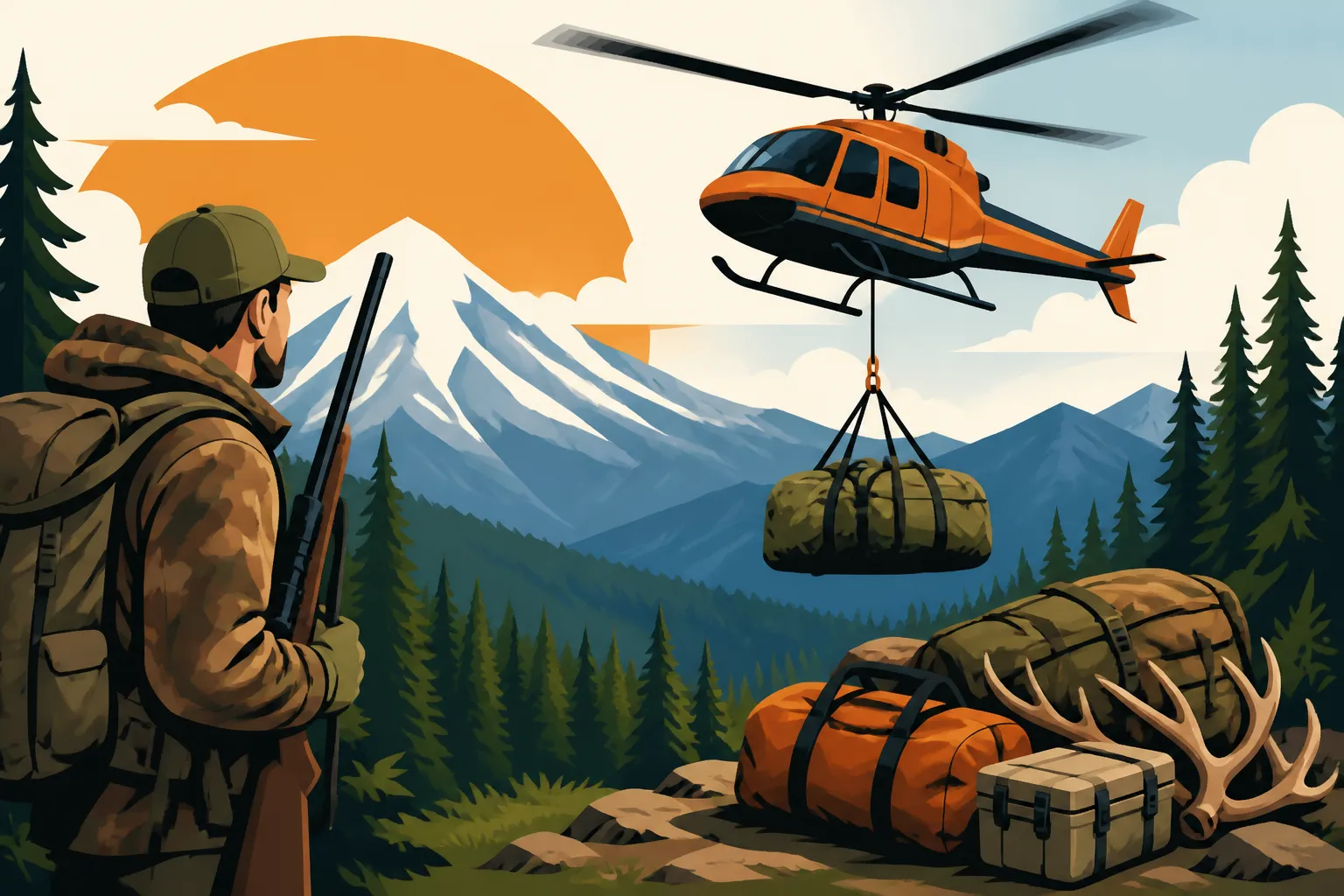
At its core, a drop camp service is about transport. Outfitters provide the heavy lifting, quite literally, by using pack stock – typically mules or horses – to haul your pre-packed gear and supplies into a pre-arranged, designated backcountry camp location. They'll drop off your tents, cooking equipment, food coolers, and anything else you need for a comfortable, self-sufficient stay in the wilderness. Once everything is set up to your liking, the outfitter and their stock head back out, leaving you and your hunting party to hunt on your own terms. When your hunt is over, or on a pre-determined date, they return to pack you and your harvest out. It’s essentially a wilderness taxi and freight service rolled into one, designed to get you deep into areas you might otherwise struggle to reach with a full camp. This allows hunters to focus their energy on the hunt itself, rather than the arduous task of moving camp.
How It Differs from a Fully Guided Hunt
It's crucial to understand that a drop camp is not a fully guided hunt. With a fully guided hunt, an experienced outfitter or guide is with you every step of the way, from scouting and calling to tracking and field dressing. They provide expertise, decision-making, and direct assistance in the field. They usually furnish all the camp equipment, meals, and often even your hunting strategy. On the other hand, a drop camp leaves all the hunting decisions and responsibilities squarely on your shoulders. You are your own guide. You choose where to hunt, how to hunt, and when to hunt. You cook your own meals, set up your own sleeping arrangements, and handle all game recovery and processing. The outfitter's role is strictly logistical: getting you in, providing the base camp equipment (sometimes, though often you bring your own), and getting you and your harvest out. This distinction is vital for hunters who desire the challenge and independence of a DIY hunt but need help overcoming the physical barrier of accessing remote backcountry.
Common Scenarios for Choosing a Drop Camp
Drop camps are a fantastic option for a variety of hunting scenarios and hunter profiles. Perhaps you and your hunting partners are seasoned elk hunters with years of experience, a deep knowledge of your target unit, and the skills to find and take game, but you're getting a little older, or just don't want the physical toll of packing in a full wall tent camp on your back. Maybe you're a group of younger, physically capable hunters looking to tackle a remote Archery Elk Hunting Oregon's August and September Seasons in the Eagle Cap Wilderness, but don't own horses or the specialized gear required for a stock pack-in. A drop camp provides that perfect middle ground, granting access to expansive wilderness areas like the Wenaha-Tucannon or Strawberry Mountain Wilderness without the immense capital investment in pack stock and related gear. It's also ideal for those who value the solitude and challenge of a self-directed hunt but recognize the practical limits of human endurance when carrying heavy loads over several miles of rugged terrain. Think about areas where Packing Out an Elk in Oregon's Wilderness Units would be a nightmare without help.
The Logistics of Booking and Planning Your Drop Camp
Deciding to use a drop camp is just the first step. The real work begins with planning and booking, which demands careful consideration and thorough organization. Because you'll be self-sufficient once the outfitter leaves, every detail, from who you book with to what you pack, becomes incredibly important.
Finding a Reputable Outfitter
Finding the right outfitter is paramount to a successful drop camp experience. Oregon has many registered outfitters, but not all offer drop camp services, and their areas of operation might be restricted. Start by researching outfitters who specialize in the wilderness areas you're targeting, such as the Eagle Cap or Hells Canyon. Online platforms can be incredibly useful here. For instance, BookYourHunt often lists outfitters by region and type of service, allowing you to filter for drop camps specifically. You want to look for outfitters with a solid track record, positive client testimonials, and proper licensing. Always verify their registration with the Oregon Marine Board, which is the state agency responsible for outfitter and guide registration. Don't be shy about asking for references, especially from clients who have used their drop camp service. Inquire about their experience in specific units or wilderness areas. What kind of stock do they use? How many seasons have they been running drop camps? A reputable outfitter will be transparent and eager to answer your questions, understanding that your success and safety depend on their reliability.
Understanding Contract Terms and Deposits
Once you've identified a potential outfitter, carefully review their contract. This document is your roadmap and protection. Pay close attention to the details:
- Pricing Structure: Drop camp costs can vary significantly based on distance, duration, number of hunters, and whether the outfitter provides camp gear (tents, cooking supplies) or simply transports yours. Ensure you understand what's included and what's not.
- Deposit and Payment Schedule: Most outfitters require a non-refundable deposit to secure your booking, with the balance due closer to the hunt date. Understand their cancellation policy – unexpected events happen, and knowing your options is important.
- Weight Limits: Pack animals have limits. Your contract should specify the maximum weight per hunter or per animal load. Exceeding this can lead to additional fees or items being left behind. Be realistic about what you need versus what you want.
- Pickup and Drop-off Locations and Times: These need to be precise. You don't want to be waiting at a trailhead for hours, or worse, realize the outfitter is expecting you at a different spot.
- Emergency Protocols: What happens if there's a medical emergency in camp? How do you contact the outfitter? This leads into the crucial discussion of communication.
- Harvest Retrieval: Confirm the process for packing out your game. Is there an extra charge if you tag out early and need an unscheduled pickup? Does the outfitter guarantee retrieval of your game if it's more than a certain distance from camp? These details are critical.
Don't hesitate to ask for clarification on any clause you don't fully understand. It's better to be overly cautious now than to face a dispute later.
Essential Gear and Supply Planning
Your gear list for a drop camp will be extensive, but remember those weight limits! Since the outfitter is only providing transport, you are responsible for virtually everything else.
- Shelter: Sturdy tents or a wall tent with a wood stove are common choices for comfort and warmth, especially if you're hunting during Oregon Roosevelt Elk Rifle Seasons in November when temperatures can plummet.
- Sleeping System: Quality sleeping bags rated for expected nighttime lows, along with insulated sleeping pads, are non-negotiable for a good night's rest.
- Cooking & Food: Plan all your meals. Dehydrated meals are lightweight, but you can also bring fresh food in coolers for the first few days. Don't forget cooking stoves, fuel, pots, pans, and utensils. Bear-resistant food storage is essential in wilderness areas; discuss this with your outfitter.
- Hunting Gear: Your rifle or bow, ammunition, optics, rangefinder, game bags, knives, and sharpening tools. Consider your Rifle Choice for Oregon Elk and Deer or Archery Setup for Wet Oregon Timber.
- Navigation: GPS, detailed paper maps, compass, and knowledge of how to use them are vital. Even with a drop-off, you'll be navigating the hunting grounds yourself. A tool like GoHunt's mapping features can be invaluable for pre-scouting and identifying potential hunting spots around your proposed camp.
- First Aid: A comprehensive first aid kit is an absolute must. You'll be miles from immediate medical help. Include items for trauma, blisters, burns, and common ailments.
- Clothing: Layers, layers, layers! Focus on moisture-wicking synthetics and wool. Good rain gear is essential for Oregon's unpredictable weather, especially in the Coast Range or Cascades. Warm boots are also critical.
- Miscellaneous: Headlamps, extra batteries, fire-starting supplies, water purification methods (filters or tablets), rope, garbage bags, and personal hygiene items.
Make a detailed checklist and mark items off as you pack. Distribute weight evenly among your group's packs for the outfitter's stock, ensuring no single bag is excessively heavy.
Navigating Oregon's Wilderness and Regulations
Hunting in Oregon's wilderness areas with a drop camp isn't just about getting there; it's about understanding and respecting the unique environment and the specific regulations that govern these special places. These rules are designed to preserve the wild character of the land, and non-compliance can lead to serious consequences.
Understanding Wilderness Area Rules
Oregon has several stunning wilderness areas, from the vast Eagle Cap to the rugged Hells Canyon. Each offers incredible hunting opportunities, but they come with stringent regulations that you must adhere to.
- Motorized and Mechanized Travel: This is perhaps the most significant rule. Wilderness areas are strictly non-motorized and non-mechanized. This means no ATVs, dirt bikes, mountain bikes, or even game carts. Once the outfitter's stock drops you off, your only mode of transport is your feet or horseback, if you pack in your own stock (which negates the drop camp's primary purpose). This rule extends to packing out game. Any animal you harvest must be packed out on foot or with stock provided by your outfitter. This is a crucial consideration, as Where Oregon Bans Motorized Game Carts applies directly here.
- Group Size Limits: Many wilderness areas have limits on group size, typically 12 people and stock combined, to minimize impact. While your hunting party might be small, ensure your outfitter's total party size (including their packers and stock) adheres to these rules if they are staying with you for any duration.
- Leave No Trace Principles: This isn't just a suggestion; it's a way of life in the wilderness. Pack out everything you pack in, including all trash and food scraps. Minimize your impact on campsites, avoid cutting live trees, and properly dispose of human waste at least 200 feet from water sources and trails.
- Fire Restrictions: Always be aware of current fire restrictions. During dry periods, campfires may be prohibited. Even when allowed, use existing fire rings if possible, and ensure your fire is completely out before leaving camp or going to bed. Always check Checking Oregon Fire Closures Before the Season.
- Certified Weed-Free Feed: If your outfitter is using stock, they will be aware of and comply with Certified Weed-Free Feed Requirements to prevent the spread of invasive plant species. This is generally the outfitter's responsibility, but it's good to be aware of.
Game Retrieval and Meat Care in Remote Camps
One of the biggest challenges of a wilderness drop camp is handling your harvest. Unlike a front-country hunt where you might drive to your downed animal, you'll be far from roads.
- Field Dressing: You'll need to know how to field dress an animal quickly and efficiently. Given that many elk hunts occur in September when temperatures can be warm, mastering the Field Dressing an Elk in Warm Early-Season Weather is essential. Many hunters opt for the gutless method in remote areas to reduce weight and expedite cooling.
- Quartering and Packing: An elk or deer must be quartered and placed in breathable game bags to cool. This is physically demanding work. You and your partners will need to be proficient in Quartering and Packing an Elk Alone or as a team.
- Meat Preservation: In warm weather, getting meat cooled down is paramount. Hang quarters in the shade, off the ground, where air can circulate. Consider bringing plenty of quality game bags that protect the meat while allowing it to breathe. Ice can be packed in for initial cooling, but it won't last the entire trip. The outfitter will pick up your packed-out meat, but ensuring it's in good condition before they arrive is your responsibility.
- Scheduling Pickup: Coordinate with your outfitter about when they will return for pickup. If you tag out early, communicate immediately. Having a satellite communicator (like an InReach or Garmin Messenger) is invaluable for this, as cell service is nonexistent in many wilderness areas. Be clear on the outfitter's policy regarding early pickups or delayed retrievals.
Communication and Emergency Protocols
In remote wilderness, reliable communication is not a luxury, it's a necessity. Cell service is generally non-existent deep in Oregon's backcountry.
- Satellite Communicators: A satellite messenger or phone is highly recommended. Devices like Garmin inReach or Zoleo allow you to send and receive text messages, share your location, and, critically, send an SOS in an emergency. Leaving a Trip Plan With Someone at Home is also vital, including your planned route, intended camp location, and expected return date.
- Two-Way Radios: For communication within your hunting party, two-way radios can be useful, especially in dense timber or rugged terrain. However, understand their range limitations. Two-Way Radios and Legal Use While Hunting generally allows their use for basic communication between hunters.
- First Aid Training: At least one member of your party should have advanced first aid knowledge, if not wilderness first responder certification. A severe injury or illness miles from medical help requires immediate, competent care.
- Emergency Plan: Before you go, discuss potential emergencies (injury, lost hunter, extreme weather) and how your group will respond. Who carries the first aid kit? Who knows how to use the satellite communicator? These conversations are crucial.
Pros and Cons: Is a Drop Camp Right for You?
Like any hunting strategy, drop camps come with their own set of advantages and disadvantages. It's important to weigh these carefully against your personal hunting style, experience level, and physical capabilities before committing.
The Advantages of Autonomy and Cost-Effectiveness
The primary allure of a drop camp for many hunters lies in the perfect blend of wilderness access and self-reliance.
- True Wilderness Experience: A drop camp puts you deep into unpressured territory, far from roads and day hunters. This means a more authentic, challenging, and often more rewarding experience. You get to immerse yourself in the wild, test your skills, and truly disconnect. It's often the only way for many hunters to experience a genuine Multi-Day Camps in Oregon's Roadless Country.
- Autonomy and Flexibility: You call the shots. You decide when to wake up, where to hunt, how long to sit on a glassing knob, and what to eat for dinner. There’s no guide dictating your movements or a camp schedule to follow. This freedom is highly valued by experienced DIY hunters.
- More Affordable than Fully Guided: While not cheap, a drop camp is almost always significantly less expensive than a fully guided hunt. You're paying for transport and possibly equipment rental, not for a guide's expertise and presence for the entire hunt. This makes remote hunting more accessible financially for many who might otherwise be priced out of fully guided options.
- Skill Development: Being entirely self-sufficient in the backcountry forces you to hone your hunting, navigation, survival, and game care skills. Every successful outing strengthens your confidence and competence as a hunter.
The Challenges of Self-Reliance and Risk
With great autonomy comes great responsibility. The very aspects that make drop camps appealing can also be their biggest drawbacks if you're not prepared.
- Complete Self-Reliance: Once the outfitter leaves, you're on your own. There's no one to lean on for hunting advice, to help track a wounded animal, or to provide comfort if you get discouraged. This requires a high level of self-sufficiency, confidence, and problem-solving ability within your group.
- Physical Demands: Even without packing in your main camp, hunting in wilderness areas is incredibly demanding. Steep terrain, dense cover, and the inevitable pack-out of an animal – sometimes over many miles – requires excellent physical conditioning. Physical Training for an Oregon Elk Hunt is a non-negotiable part of your preparation.
- Increased Risk: Being remote increases the stakes for everything. A minor injury that might be easily handled closer to civilization can become a serious emergency. Getting lost, encountering dangerous wildlife, or facing severe weather far from shelter are real possibilities. Your group must be prepared for these scenarios.
- Weather and Conditions: Oregon's weather can change rapidly and drastically, especially in the mountains. Rain, snow, high winds, and freezing temperatures are common during hunting seasons. You must be equipped and mentally prepared to endure these conditions without external support.
- No Guarantee of Success: The outfitter's job is to get you in and out. They are not there to help you find an animal. Your hunting success rests solely on your scouting, skills, and luck. This is the ultimate DIY test.
Comparing Drop Camps with DIY and Fully Guided Hunts
To help clarify if a drop camp is your ideal choice, let's briefly compare it to the other main hunting approaches:
| Feature | DIY Backpack Hunt | Drop Camp Service | Fully Guided Hunt |
|---|---|---|---|
| Access | Limited by personal endurance, gear weight & trail access | Access to deep wilderness with outfitter's stock | Deep wilderness access, guide handles logistics |
| Cost | Lowest (gear investment, but no service fee) | Medium (outfitter fee for transport/camp) | Highest (all-inclusive service) |
| Physical Demands | Very high (pack everything in/out) | High (hunt on foot, pack meat to camp) | Moderate (guide helps with tracking, packing) |
| Autonomy | Highest (100% self-reliant) | High (hunt yourself, outfitter provides logistics) | Low (guide makes most hunting decisions) |
| Skill Level | Expert (navigation, survival, game care, hunting) | Advanced (hunting, navigation, game care critical) | Beginner to Advanced (guide fills skill gaps) |
| Equipment | All personal, ultralight focus | Mostly personal (outfitter may provide camp gear) | Mostly provided by outfitter (camp, food, some gear) |
| Risk Factor | Very high (no outside help) | High (remote, but limited emergency contact) | Moderate (guide manages risk, emergency comms) |
| Comfort | Basic (minimalist camp) | Medium (larger camp with more amenities possible) | High (comfortable camps, cooked meals) |
This table makes it clear: a drop camp is for the independent hunter who craves the backcountry experience but needs a practical solution for getting their base camp into truly remote areas. It's a bridge between the ultralight backpacker and the fully outfitted client.
Making the Most of Your Wilderness Experience
Committing to a drop camp means committing to a significant adventure. To ensure it's a positive and successful one, preparation extends beyond just booking the service and packing your bags.
Physical and Mental Preparation
Physical fitness is non-negotiable for a drop camp hunt in Oregon's wilderness. You'll be walking miles each day, often uphill, through challenging terrain, and potentially carrying heavy loads of meat. Start your Physical Training for an Oregon Elk Hunt months in advance. Focus on cardio, strength training (especially legs and core), and hiking with a loaded pack. Don't forget ankle stability; a rolled ankle miles from help can end a hunt.
Mental preparation is equally important. Wilderness hunting can be tough. The weather can be miserable, animals might be elusive, and fatigue will set in. You need resilience, patience, and a positive attitude. Discuss potential challenges with your hunting partners beforehand and commit to supporting each other. Understanding that success isn't guaranteed, but the experience itself is valuable, helps maintain perspective.
Respecting the Environment and Other Users
As wilderness hunters, we are stewards of these incredible places. Our actions directly impact the health of the ecosystem and the experience of others. Always practice strict Leave No Trace principles. Pack out all garbage, bury human waste properly, and minimize your impact on vegetation and water sources. Consider the Group Size Limits in Wilderness Areas and ensure your camp operates within these guidelines.
Remember that wilderness areas are multi-use. You may encounter backpackers, hikers, or other hunters. Be courteous and respectful. Keep noise levels down, especially around trails and other camps. Maintain a low profile to preserve the wild nature of the area for everyone. This includes managing any stock you might bring or that the outfitter uses to avoid conflicts.
Post-Hunt Logistics and Reporting
After your hunt, whether successful or not, there are still responsibilities to fulfill.
- Cleanup: Before the outfitter returns, ensure your camp is meticulously clean. Pack up all your gear, food, and trash. Leave the campsite better than you found it. This helps ensure outfitters can continue to operate in these areas.
- Outfitter Communication: Confirm your pickup time with your outfitter, especially if you had to change plans due to an early harvest or unforeseen circumstances. Be ready when they arrive.
- Meat Handling and Transport: Once your meat is packed out by the outfitter, you'll need a plan for getting it home. This might involve coolers and ice for the drive, or arranging for a local processor. Plan for Coolers, Ice and the Drive Home From Eastern Oregon or Getting Meat Out Before It Spoils as soon as you're out of the backcountry.
- Mandatory Harvest Reporting: Don't forget Oregon's mandatory harvest reporting. Whether you filled your tag or not, you must report your hunt. Failure to do so incurs a penalty. Your outfitter might remind you, but it's ultimately your responsibility. Understand Oregon Mandatory Harvest Reporting and the $25 Penalty to avoid unnecessary fines.
- Gratuities: If your outfitter and their packers provided excellent service, a gratuity is customary and appreciated.
A well-executed drop camp hunt can be one of the most memorable and rewarding experiences in an Oregon hunter's life. It offers the best of both worlds: deep wilderness access and the satisfaction of a self-reliant hunt. Plan thoroughly, prepare diligently, and embrace the challenge, and you'll be well on your way to an unforgettable adventure.
Disclaimer
This article is for general informational purposes only and does not constitute professional advice. Laws, prices and regulations vary by location and change over time. Consult a qualified professional for guidance on your specific situation.