Walk-In Access on Oregon Industrial Timber Land
For many Oregon hunters, the dream of finding unpressured game often leads to frustration when faced with crowded public lands or inaccessible private timber gates. Trying to navigate the patchwork of industrial timber properties and figure out which ones actually allow walk-in access can feel like solving a complex puzzle, especially when you've invested time and money in a tag and just want a fair shot. This guide will help you understand the ins and outs of walk-in access on Oregon's vast industrial timber lands, providing practical advice to help you unlock more hunting opportunities.
Understanding Industrial Timber Lands in Oregon
Oregon is a state rich in forests, and a significant portion of this landscape is owned and managed by private timber companies. These aren't just small woodlots; we're talking about massive tracts of land, often sprawling for tens of thousands of acres, sometimes even hundreds of thousands. While their primary purpose is timber production, many of these companies have historically allowed some form of public access, including hunting, which can be an absolute game-changer for hunters seeking less crowded areas or different types of habitat.
The challenge comes from the sheer scale and the varying policies of these companies. One company might have an open-gate policy in certain areas, while another might require a paid permit, and yet another might restrict access entirely, especially during active logging operations or fire season. This complexity is often what drives hunters away, but with a little research and understanding, these lands can become some of your most productive hunting grounds.
The Business of Timber and Recreation
At its heart, industrial timber land is a working forest. Companies like Weyerhaeuser, Hancock Forest Management, and many smaller players are in the business of growing and harvesting trees. This means active logging, road building, reforestation, and ongoing forest management activities. For them, allowing public access is a secondary consideration, often weighed against operational safety, fire risk, liability, and the potential for trespass or misuse.
However, many companies recognize the value of good public relations and the traditional use of their lands for recreation. Some even see it as a way to manage wildlife populations that might impact their reforestation efforts. This delicate balance means access policies can shift and change, sometimes annually, and often vary dramatically from one region of the state to another, even within the same company's holdings. It's not a static environment, and what worked last year might not work this year, which is a common source of frustration for many dedicated hunters.
Varying Access Policies by Company
It's crucial to understand that there isn't a single, statewide rule for hunting on private industrial timber land. Each major timber company, and even some smaller ones, will have its own set of rules. Some companies, for example, might have vast areas designated as "walk-in only," where motorized vehicle access is strictly prohibited beyond a certain gate, but foot traffic is welcome. Others might operate a permit system, where you purchase an annual or seasonal permit for specific areas, which can grant you gate keys or simply permission to enter.
Then there are areas that might be totally closed to public access, perhaps due to active logging operations, young plantations that are easily damaged, or specific agreements with landowners. This patchwork means you can't assume that if you have access to one Weyerhaeuser tract, you'll have the same access to another across the state. It always pays to do your homework on the specific company and location you're interested in. You can also look into Timber Company Access Fees and Gates in Oregon for more specific information on permits.
Navigating Walk-In Access Programs
So, how do you actually find these walk-in opportunities and avoid accidentally trespassing or running afoul of company rules? It really comes down to diligent research and paying close attention to maps and signage. Many hunters get overwhelmed by the sheer amount of land, but with the right approach, you can narrow down your focus and identify promising areas. The key is to think of these lands as managed resources, and your access is a privilege, not a right.
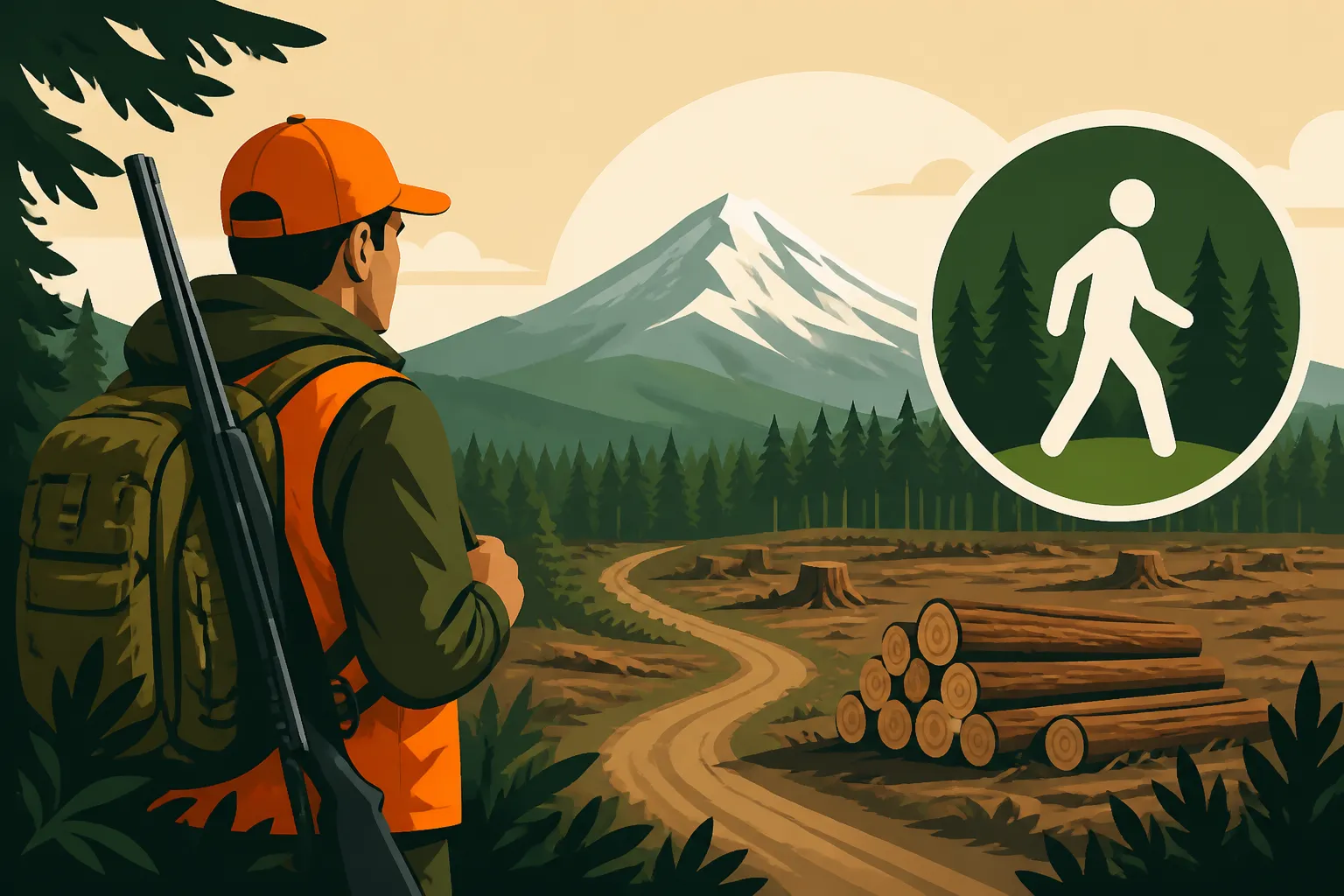
Identifying walk-in only areas usually involves looking for gates or barriers on roads that are clearly marked with signs indicating "foot traffic only," "no motorized vehicles," or similar language. These are your golden tickets to potentially unpressured ground, as many hunters won't commit to walking miles back into an area. This commitment is often what separates successful hunters from those who complain about crowded public land.
Where to Find Walk-In Opportunities
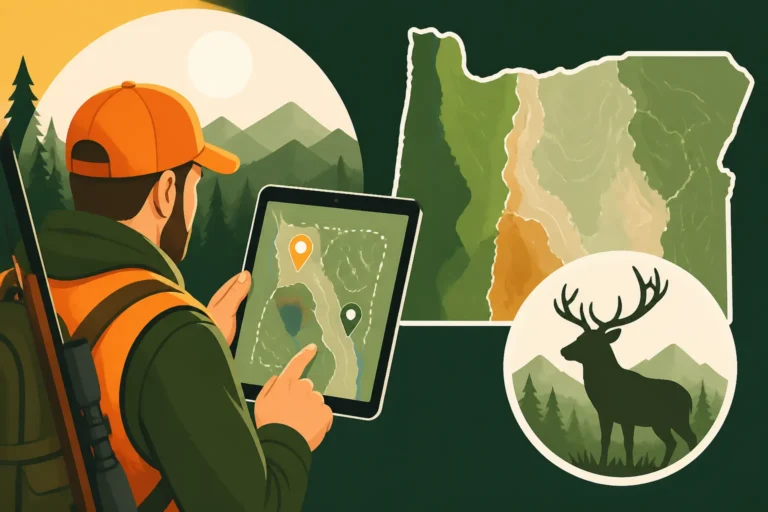
The first step in finding walk-in access is often digital scouting. Tools like onX Hunt and GoHunt are invaluable for this. They allow you to overlay land ownership maps onto topographic and satellite imagery, clearly showing you which parcels are owned by private timber companies. Once you've identified these areas, you can zoom in and look for access roads that dead-end into private timber, or where a gate might restrict vehicle access but allow foot traffic. These mapping applications can often show roads, trails, and sometimes even company-specific access notes. For more on digital scouting, check out E-Scouting Oregon Units With Satellite Imagery.
Beyond digital tools, the Oregon Department of Fish and Wildlife (ODFW) often collaborates with timber companies through programs like the Access and Habitat Program. While many of these are focused on vehicular access or specific permit draws, some parcels within these programs might also offer walk-in opportunities that are clearly designated. It's always a good idea to check the ODFW website and their annual hunting regulations for any specific private land programs. Remember, Hunting Clearcuts on Private Timber Land can be incredibly productive, and many of these are on private timber.
Another approach is to simply look at physical maps or drive accessible roads during the off-season. When you see a gate, especially one that doesn't look like it's guarding a residential property, pay attention to the signage. Sometimes, a simple sign is all you need to know if walk-in access is permitted.
Deciphering Signage and Regulations
Reading and understanding signage on industrial timber land is paramount. This isn't just about avoiding a ticket; it's about respecting the landowner and ensuring continued access for all hunters. Look for signs that explicitly state "Walk-In Access Only," "Foot Traffic Only," or "No Motorized Vehicles Beyond This Point." If there's any ambiguity, it's always safer to assume no access or call the timber company directly to clarify.
Beyond access type, pay attention to specific regulations posted on signs or online. These often include:
- Fire Season Restrictions: During dry months, especially late summer and early fall, many timber companies will implement complete closures to prevent wildfires. These closures can be sudden and widespread, so always check before you go.
- Hours of Access: Some areas might only be open during daylight hours, or have specific entry/exit times.
- Prohibited Activities: Things like camping, target shooting, or littering are almost universally prohibited on private timber land.
- Specific Logging Operations: If an area is actively being logged, it will almost certainly be closed for safety reasons. Never enter an active logging site.
It's not uncommon to see signs simply stating "Private Property" or "No Trespassing" without further explanation. If a sign like this is present at a gate or entrance, and there's no indication of walk-in access, then it means exactly what it says: no entry. Don't risk it.
Here’s a simplified breakdown of typical industrial timber land access categories:
| Access Type | Description | Common Hunter Experience | Key Action for Hunter |
|---|---|---|---|
| Walk-In Only | Motorized vehicles prohibited beyond a certain point; foot traffic allowed. | Generally lower pressure, requires physical effort to get deep. | Look for explicit "Walk-In" signs; use mapping apps to find access points; plan for long hikes. |
| Permit Required | Access granted via purchase of a permit (daily, seasonal, annual). | Varies, some permits allow gate access for vehicles, others are still walk-in. | Check company websites for permit availability and cost; understand what the permit covers (vehicle vs. foot). |
| Open Gate Access | Roads are open to public vehicles, often with seasonal or conditional closures. | Can be higher pressure, similar to public land; usually restricted during fire season. | Verify current status before going; look for signs indicating any closures or restrictions. |
| No Public Access | Property entirely closed to all public entry. | Avoid at all costs; often active logging, sensitive areas, or leased to private parties. | Respect all "No Trespassing" or "Private Property" signs; do not attempt to enter. |
Always remember that timber companies can change their policies with little notice, so staying informed is crucial.
Planning Your Hunt on Walk-In Timber Land
Once you've identified a promising walk-in access area, your planning shifts to the actual hunt. Since you're often covering more ground on foot and venturing into areas that might see less pressure, there are some specific considerations to keep in mind. The physical demands can be significant, especially in steep, brushy coastal timber or high-desert canyons, so preparing your body and your gear for a challenging day or multi-day excursion is key.
These lands offer fantastic opportunities for species like Blacktail Deer Hunting in Oregon's Coastal Clearcuts or even elk if you're in the right zone. Because you're likely going deeper than the road hunters, your chances of encountering less disturbed animals often increase.
Essential Gear for a Walk-In Hunt
A successful walk-in hunt starts with being properly equipped. You won't have the luxury of a vehicle nearby to grab forgotten items, and you'll be relying on your own two feet to cover ground and pack out any game.
- Mapping and Navigation: While you used apps like onX Hunt and GoHunt to find the access, they are even more critical for navigation once you're on the ground. Download offline maps, carry a compass, and know how to use them. Cell service is often non-existent in these remote timber parcels.
- Appropriate Footwear: Boots for Wet Coastal Hunting are essential if you're hitting the Coast Range. For Eastern Oregon, sturdy, comfortable hiking boots with good ankle support are a must. You'll be covering varied terrain, from old logging roads to thick brush and possibly steep slopes.
- Rain Gear: Oregon weather is famously unpredictable. Even if the forecast looks clear, a high-quality, genuinely waterproof rain gear system is non-negotiable, especially for western Oregon hunts. Don't cheap out here; staying dry means staying comfortable and safe. Check out Rain Gear That Actually Stays Dry for tips.
- Pack System: A good hunting pack, ideally with a frame, is vital. You need enough space for your day's essentials – water, food, extra layers, first-aid – but also the capacity to pack out meat. If you harvest an animal, you'll be doing the hard work yourself. Consider how you'll manage quartering and packing.
- First Aid Kit: Always carry a comprehensive First Aid Kit Items for a Remote Hunt. Scrapes, sprains, and minor cuts are common when pushing through tough terrain.
Respecting the Land and the Rules
Hunting on private industrial timber land is a privilege, and ensuring that access continues for future generations means adhering strictly to all posted rules and practicing ethical hunting behavior. This means more than just following game laws; it means treating the land with respect.
- Leave No Trace: Pack out everything you pack in, and then some. This includes all trash, spent casings, and even biodegradable items like fruit peels. Timber companies are less likely to grant access if their lands are used as a dumping ground.
- Stay on Designated Areas: If an area is marked "Walk-In Only," that means only walk-in. Do not try to find ways around gates with ATVs or other motorized vehicles. These rules are often in place for safety, fire prevention, or to protect sensitive areas.
- Fire Safety: Be extremely careful with any open flames, including campfires (which are generally not allowed) or even heat sources like internal combustion engines (if you're on an open road section). Always check for current fire restrictions before you leave home, especially during critical fire seasons.
- Gate Etiquette: If you encounter a gate that is open, leave it open unless explicitly told to close it. If it's closed, leave it closed. Never block gates or roads, even temporarily, as timber operations require clear access at all times.
- Report Concerns: If you witness illegal activity, trash dumping, or other misuse of the land, consider reporting it to the timber company or ODFW. Protecting access for everyone means being a good steward.
Tools and Resources for Locating Access
Navigating the complexities of industrial timber land access might seem daunting, but thankfully, there are excellent tools and resources available today that make it significantly easier than it used to be. Gone are the days of relying solely on paper maps and vague directions; digital mapping has revolutionized how hunters can research and plan their hunts.
The goal is to gather as much information as possible before you ever set foot on the ground. This not only increases your chances of success but also ensures you're hunting legally and ethically. Remember, this isn't just about finding any private land; it's about finding permissible private land.
Digital Mapping and Scouting Aids
Modern digital mapping applications are your best friends when it comes to locating and understanding walk-in access on timber lands.
- onX Hunt: This application is incredibly popular for a reason. It offers detailed property boundaries, landowner names (including major timber companies), and often highlights public land designations like Forest Service, BLM, and ODFW Access & Habitat lands. You can overlay different layers, mark waypoints, and most importantly, download maps for offline use, which is critical in areas without cell service. Using onX Hunt, you can quickly identify large blocks of private timber and then zoom in to look for potential walk-in access points along public roads.
- GoHunt: While often more focused on drawing odds and hunt planning for Western states, GoHunt's Insider platform provides detailed unit data, including public/private land breakdowns. When combined with their mapping features, it can help identify large landholders and potentially guide your research toward specific timber companies operating in a unit you're interested in.
Both of these tools allow you to virtually scout areas, identify roads that turn from public to private, and look for geographical features that might indicate a gate or a natural barrier that would suggest walk-in access is the only option. They are invaluable for Reading a Travel Management Area Map Before You Drive and understanding property boundaries.
Direct Communication and Local Knowledge
While digital tools are powerful, they are a complement to, not a replacement for, direct communication and local knowledge. Sometimes, the most accurate and up-to-date information comes straight from the source or from people who live and hunt in the area.
- Call the Timber Company: This might seem old-fashioned, but it's often the most reliable way to get current access information. Look up the specific timber company that owns the land you're interested in and call their local forestry or public relations office. Ask about their access policies, specific closures, and designated walk-in areas. They appreciate hunters who do their homework. Be polite, be specific, and thank them for their time and for any access they provide.
- Check Company Websites: Many larger timber companies maintain dedicated sections on their websites detailing public access policies, permit information, and current closures, especially during fire season. Weyerhaeuser and Hancock Forest Management, for instance, often have clear guidelines.
- Local ODFW Offices: Your regional ODFW office can be a great resource. While they might not know the intricate details of every private timber parcel, they often have general knowledge about access trends in their units, especially for lands participating in programs like Access and Habitat.
- Talk to Locals: Gas station attendants, small-town cafe owners, and local gear shop employees often have a pulse on what's happening in the woods. They might know about long-standing walk-in areas or recent changes to access. Just be respectful and don't press for secret spots.
By combining the power of digital mapping with good old-fashioned research and communication, you'll significantly increase your chances of successfully finding and hunting walk-in access on Oregon's industrial timber lands. It takes a little extra effort, but the reward of less crowded woods and potential for a memorable hunt is more than worth it.
Disclaimer
This article is for general informational purposes only and does not constitute professional advice. Laws, prices and regulations vary by location and change over time. Consult a qualified professional for guidance on your specific situation.