Umpqua and Rogue River-Siskiyou Forests
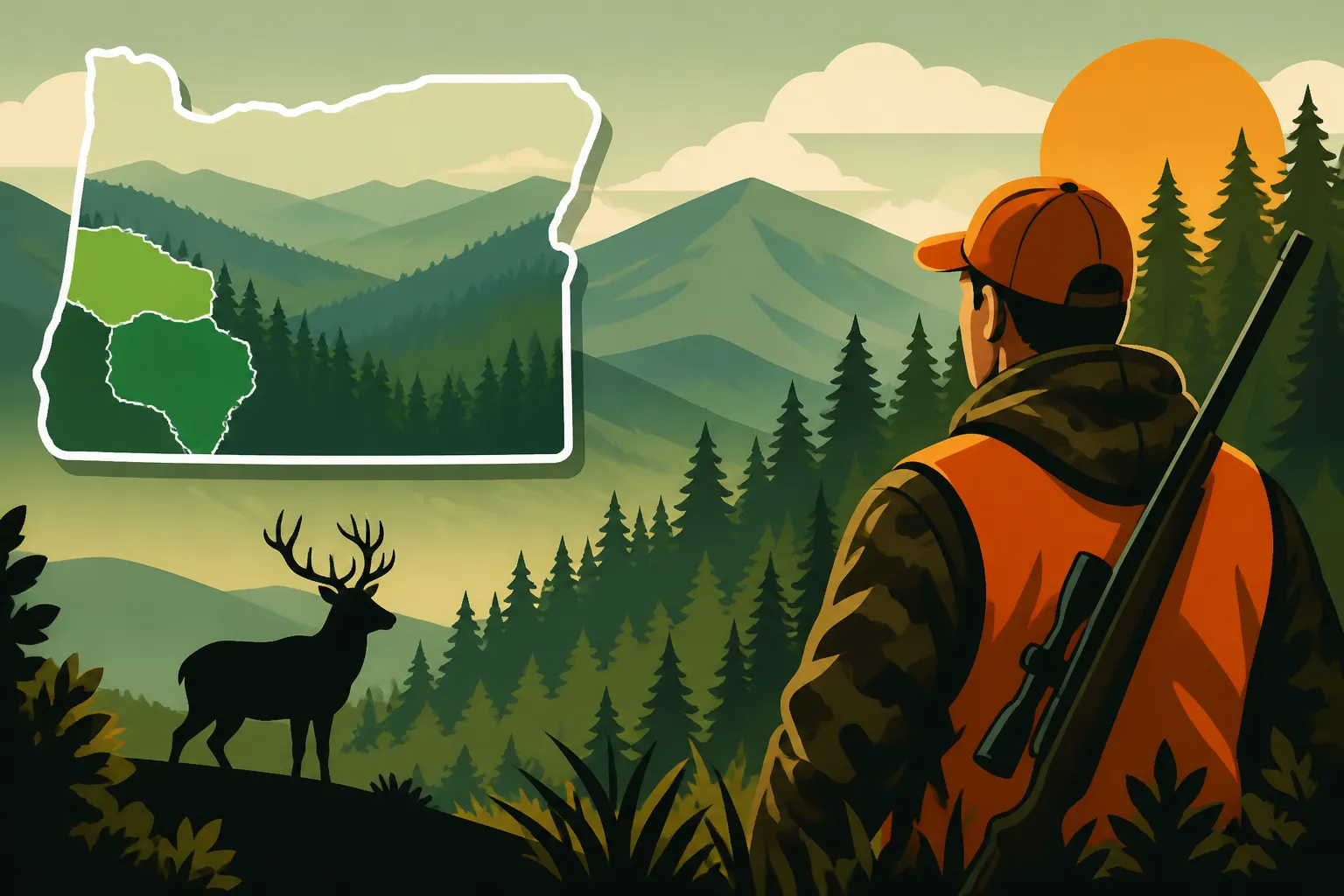
For anyone who’s ever stared at a sprawling map of Oregon, the Umpqua and Rogue River-Siskiyou National Forests represent vast, daunting, yet incredibly promising hunting grounds. These massive western Oregon forest systems are notorious for their challenging terrain, dense timber, and the sheer effort required to unlock their secrets, but they hold some of the state’s best opportunities for big game. This guide will walk you through what to expect, how to prepare, and how to maximize your chances in these rugged landscapes.
Understanding the Umpqua National Forest for Hunting
The Umpqua National Forest, sprawling across nearly a million acres in southwestern Oregon, is a hunter's paradise and a test of endurance all rolled into one. It’s a place where majestic Roosevelt elk roam thick timber, and elusive blacktail deer navigate the brushy clearcuts. The forest is characterized by its dramatic elevation changes, from the river valleys to high Cascade peaks, offering a diverse array of hunting experiences.
Diverse Habitats and Game Species
Within the Umpqua, you'll encounter a mosaic of habitats, each presenting unique hunting scenarios. Lower elevations and river drainages feature dense old-growth forests, perfect for still-hunting or calling elk. As you climb, you move into younger timber stands, regenerating clearcuts, and more open ridge tops that can be excellent for blacktail deer. The deep canyons and creek bottoms are often escape routes and bedding areas for game, especially during high-pressure times. Understanding these micro-climates and vegetation types is crucial for locating animals consistently.
The primary big game species here are Roosevelt elk and Columbian blacktail deer. Roosevelt elk in Western Oregon are legendary for their size and the difficulty of hunting them in such thick cover. They are often found in tight-knit herds, and locating them often involves covering a lot of ground and listening for their distinctive calls. Roosevelt Elk in Western Oregon is a good read for more on this. Blacktail deer, while smaller than their mule deer cousins, are incredibly agile and masters of camouflage in the dense undergrowth. Their secretive nature makes them a true challenge, but the rewards are significant.
Beyond elk and deer, the Umpqua is also home to healthy populations of black bears and cougars. Bear hunting is a popular pursuit, especially in the spring when bears emerge from dens and feed on green-up slopes. Cougar hunting is possible year-round, and while challenging without hounds, it offers a unique big game experience for those dedicated to tracking and calling.
Navigating Access Points and Roads
Accessing the vastness of the Umpqua National Forest can feel like a labyrinth if you're not prepared. The forest is crisscrossed by a complex network of Forest Service roads, some well-maintained gravel roads, and others barely more than overgrown two-tracks. Many of these roads are behind locked gates, part of the extensive Travel Management Area system designed to protect wildlife and reduce road impacts. Knowing which roads are open, which are seasonally closed, and which require special permits is paramount.
You’ll often find yourself driving miles of gravel roads to reach a preferred hunting unit or trailhead. It's not uncommon for hunters to experience flat tires or other vehicle issues, so always be prepared with a good spare, tools, and emergency supplies. Dispersed camping is generally allowed, but check specific regulations for fire restrictions and stay limits, especially during peak hunting seasons. Planning your routes ahead of time, checking for road closures, and having backup access points are strategies that will save you headaches and wasted hunting time.
Another critical aspect of navigation is understanding private timberlands intermixed with public forest. Companies like Weyerhaeuser or Hancock often own large tracts within or adjacent to the national forest, and while some offer public access programs, many require permits or are strictly closed. Utilizing a robust mapping tool like onX Hunt is invaluable here, as it clearly delineates property boundaries and allows you to confirm public access status instantly. This prevents accidental trespass and helps you pinpoint legal entry points.
Key Units and Hunt Areas within Umpqua
The Umpqua National Forest encompasses several distinct hunt units, each with its own characteristics and draw odds. Popular units like the Indigo, Tioga, and Dixon are often discussed among elk and deer hunters. The Indigo Unit, for instance, offers diverse terrain from river bottoms to high country, while the Tioga unit is known for its dense coastal timber and significant Roosevelt elk populations.
When applying for controlled hunts or planning general season hunts, it's wise to study the harvest reports and unit-specific regulations. Some units may have specific antler point restrictions for deer or elk, or different season dates depending on elevation and habitat. For example, some higher elevation areas might have later deer seasons due to snow accumulation. Understanding these nuances before you even apply for a tag, or before you step foot in the woods, can significantly impact your hunt success. Oregon Controlled Hunt Draw Explained can help demystify the application process for these units.
Each unit presents its own challenges. Some are heavily roaded, making them more accessible but also potentially subject to more hunting pressure. Others are designated as roadless or wilderness areas, demanding more physical effort to access but offering a more remote experience and potentially less pressured animals. Researching these specific unit characteristics, often found in the Oregon Department of Fish and Wildlife (ODFW) regulation pamphlets, is a crucial first step for any hunter looking to explore the Umpqua.
Exploring the Rogue River-Siskiyou National Forest for Hunters
South of the Umpqua, stretching towards the California border, lies the rugged and often unforgiving Rogue River-Siskiyou National Forest. This expansive wilderness, covering roughly 1.8 million acres, is characterized by its steep, broken terrain, deep canyons, and diverse ecosystems ranging from old-growth conifer forests to oak woodlands and chaparral. Hunting here is an adventure that requires physical stamina, meticulous planning, and a deep respect for the wild.
Unique Terrain and Wildlife Opportunities
The Rogue River-Siskiyou presents an entirely different set of challenges and rewards compared to the Umpqua. Its terrain is often more rugged, with steeper slopes, rockier outcrops, and a greater prevalence of brushy clearcuts that can be incredibly difficult to navigate. This is particularly true in the Siskiyou Mountains, known for their unique biodiversity and challenging access. The vegetation can be incredibly dense, making visibility limited and tracking difficult. This forest, however, provides prime habitat for resilient big game.
The primary draw for big game hunters in the Rogue River-Siskiyou are Columbian blacktail deer and Roosevelt elk. Blacktail deer thrive in the mosaic of recovering timberlands and dense brush, often found higher up on benches and ridges. Elk populations, while present, tend to be more scattered and often require hunters to penetrate deeper into roadless areas to find them. The wilderness character of much of this forest means that animals can often escape hunting pressure by simply moving a few miles away from roads and trails.
Just like the Umpqua, black bears and cougars are also present throughout the Rogue River-Siskiyou. The vast, remote nature of this forest provides excellent habitat for these predators, and opportunities exist for dedicated hunters. The sheer scale of the forest allows game to spread out, offering a more wilderness-like hunting experience for those willing to put in the effort to find them.
Identifying Public vs. Private Boundaries
Navigating the ownership patchwork within the Rogue River-Siskiyou is arguably even more complex than in the Umpqua. Private timberlands are intricately woven with public Forest Service and BLM lands, creating a challenging landscape for hunters to decipher. A seemingly endless logging road might suddenly turn private without warning, or a promising ridge line could quickly cross into non-access land. This complexity makes precise boundary identification absolutely critical to avoid trespassing.
Tools like onX Hunt or GoHunt maps become non-negotiable necessities here. They provide detailed land ownership overlays that can be downloaded for offline use, which is essential given the limited cell service in many remote areas. Before venturing out, studying these maps to identify public access corridors, isolated public parcels, and to mark "no-go" private sections is time well spent. E-Scouting Oregon Units With Satellite Imagery is a great way to prepare. Don't rely solely on outdated paper maps or guesswork; the fines for trespassing can be substantial, and you certainly don't want to inadvertently sour landowner relations for other hunters.
Many hunters operating in this region develop relationships with local landowners or timber companies, seeking permission for access to otherwise closed private lands. These opportunities can be golden, providing access to less-pressured areas. However, always remember to be respectful, leave gates as you found them, and adhere strictly to any conditions set by the landowner. Maintaining positive relationships is vital for continued access for everyone.
Major Hunt Areas and Their Challenges
Within the Rogue River-Siskiyou National Forest, units such as the Rogue, Applegate, Evans Creek, and Melrose are frequently mentioned. The Rogue Unit, for example, is known for its steep topography and dense cover, which can hold good numbers of blacktail deer. The Applegate Unit, with its mix of forest and chaparral, offers diverse habitats, but also presents significant challenges in terms of navigating the dense brush.
One of the biggest challenges in these areas is simply covering ground. The topography means that a mile on the map can feel like three miles on the ground, with steep ascents and descents constantly testing your resolve. Hunters must be in excellent physical condition and prepared for long, arduous days afield. Physical Training for an Oregon Elk Hunt could be very relevant. Additionally, finding reliable water sources, especially in the late archery or early rifle seasons when conditions can be dry, requires careful planning. Many remote areas simply don't have readily available water, so packing it in or using filters becomes essential.
Another common challenge is the limited visibility due to thick timber and dense brush. This often necessitates still-hunting strategies or focused calling techniques rather than long-range glassing. For Roosevelt elk, learning Calling Roosevelt Elk in Oregon Rainforest Timber becomes a critical skill. Success in the Rogue River-Siskiyou often comes down to intimate knowledge of smaller drainages, saddles, and benches where deer and elk frequently travel or bed, rather than trying to cover vast expanses from a distance.
Common Challenges and Strategic Planning for Both Forests
Hunting in Western Oregon's national forests like the Umpqua and Rogue River-Siskiyou is not for the faint of heart. These areas demand a certain level of commitment, preparation, and resilience. Understanding the shared challenges and having a strategic plan to tackle them can make all the difference between a frustrating trip and a rewarding one.
Steep Terrain and Dense Vegetation
The most immediate and undeniable challenge in both the Umpqua and Rogue River-Siskiyou is the terrain. We're talking seriously steep country. Hills that look manageable on a map quickly turn into lung-busting climbs in person. This steepness is often compounded by thick, unforgiving vegetation. Sword fern, salal, devil's club, and dense rhododendron create a jungle-like environment in many areas, making every step a battle. You'll find yourself pushing through brush, climbing over blowdown, and navigating slick, moss-covered rocks.
This kind of environment dictates your hunting style. Long-range shooting opportunities are rare; most encounters will be at close quarters. Patience, stealth, and keen woodsmanship are far more valuable than the ability to shoot across a canyon. Still-hunting becomes a primary tactic, moving slowly, pausing frequently, and using the dense cover to your advantage. Proper footwear is absolutely essential; invest in high-quality, waterproof boots with excellent ankle support. Boots for Wet Coastal Hunting are a must-have. You'll be traversing uneven ground, often wet and slippery, for miles each day.
Preparing physically for these hunts is not just about strength, but also endurance. Regular hiking, especially with a weighted pack on steep trails, will serve you well. Don't underestimate the energy drain of constantly climbing and pushing through brush. It's not just about getting to your spot; it's about being able to effectively hunt once you're there, and then having the energy to pack out an animal.
Weather Variability and Preparedness
Western Oregon weather is notoriously unpredictable, even outside of the traditionally "wet" seasons. While early archery seasons in August and September can be hot and dry, things can change quickly. By rifle season in November, you can expect anything from crisp, sunny days to torrential downpours, strong winds, and even early snow at higher elevations. This variability demands a layered clothing system and bombproof rain gear. There's nothing worse than being cold, wet, and miserable miles from your truck. Rain Gear That Actually Stays Dry is critical for your comfort and safety.
Beyond personal comfort, weather also significantly impacts hunting conditions and game behavior. Rain can make tracking easier but can also make trails slick and dangerous. Fog can limit visibility, making navigation tricky, but can also help conceal your approach. Early snow can push animals down to lower elevations, concentrating them, but can also make road access impossible. Always check the forecast leading up to your hunt, but be prepared for the unexpected. Bring extra layers, a dry change of clothes for camp, and waterproof bags for all your essential gear.
Fire season is another major consideration, especially during the late summer and early fall archery seasons. Forest fires can lead to area closures, smoke-filled air that reduces visibility, and sudden changes in hunting plans. Always check fire restrictions and closures with the Forest Service or ODFW before heading out. Having a contingency plan, even if it means shifting to a different unit or postponing a trip, is a wise move in fire-prone years.
Water Sources and Camp Logistics
Finding reliable water in these forests, particularly in the later seasons, can be a real challenge. While there are numerous creeks and rivers, many smaller drainages can dry up by late summer. Carrying enough water for a day's hunt is paramount, and for multi-day trips, knowing your water sources or planning to pack in all your water is essential. A good water filter or purification tablets are wise additions to your pack, even if you plan on packing in water, as a backup.
Camp logistics also require careful consideration. Dispersed camping is generally allowed, but you'll need to be mindful of fire restrictions, leaving no trace, and any local regulations regarding camp size or duration. If you're setting up a base camp, consider proximity to your hunting areas, but also factors like level ground, shelter from wind, and water access. For backpack hunts, keeping your gear light and efficient is key. Every ounce counts when you're climbing those steep hills.
Many hunters choose to utilize established campgrounds or even local motels if they are hunting areas closer to towns. This allows for more comfort and less hassle with camp setup, but it means you might be driving further to your hunting spots each day. Whichever approach you take, planning your food, water, and shelter needs well in advance will contribute significantly to a successful and enjoyable hunting experience in these demanding environments.
Essential Tools and Resources for Navigating These Forests
Hunting in the vast and rugged Umpqua and Rogue River-Siskiyou National Forests demands more than just grit and a good rifle; it requires smart preparation and the right tools. Modern technology, combined with traditional woodsmanship, can dramatically improve your success and safety in these challenging landscapes.
Mapping and GPS Technologies
Gone are the days when a crumpled paper map and a compass were your only navigational aids. While still vital backups, digital mapping and GPS technologies have revolutionized how hunters navigate these complex forests. Applications like onX Hunt are indispensable. They provide detailed topographic maps, private and public land ownership overlays, identified wilderness boundaries, and the ability to mark waypoints, tracks, and potential hunting spots—all downloadable for offline use when cell service inevitably disappears. Reading a Travel Management Area Map Before You Drive becomes much easier with these tools.
Beyond simply knowing where you are, these tools allow for meticulous e-scouting. You can identify potential bedding areas on north-facing slopes, locate promising clearcut edges where blacktail deer feed, or pinpoint saddles and benches that serve as travel corridors for elk. With the ability to measure distances and elevations, you can plan your approach to a likely area, minimizing unnecessary climbing and maximizing your hunting time. Some hunters also use platforms like GoHunt for their detailed unit breakdowns and historical harvest data, which can inform unit selection and strategy.
Even with these powerful digital tools, always carry a physical map and a compass, and know how to use them. Batteries die, devices get wet, and technology can fail. A backup plan is not just recommended; it's a critical safety measure in these remote areas. Plotting your intended routes and escape routes on both digital and physical maps before you even leave home is a habit every serious hunter should adopt.
Forest Service Regulations and Permits
Both the Umpqua and Rogue River-Siskiyou National Forests operate under specific Forest Service regulations that hunters must understand in addition to state hunting laws. These often pertain to camping, fire restrictions, motorized vehicle use, and special use permits for certain activities. For instance, specific roads might be closed seasonally to protect wintering wildlife, or year-round as part of a Travel Management Area (TMA). Ignoring these rules can lead to fines, damage to habitat, and frustration for other users.
It's also essential to be aware of any designated wilderness areas within these forests. Hunting is permitted in Oregon's wilderness areas, but special rules apply. Motorized vehicles, including electric bikes and game carts, are typically prohibited. Group size limits and specific "Leave No Trace" principles are often more strictly enforced. Oregon Wilderness Areas Open to Hunting provides valuable insights into these rules. Always check the specific wilderness area's regulations with the Forest Service before planning a hunt there.
For some activities, like packing in stock or establishing long-term camps, specific permits might be required. While most general hunting activities don't need additional permits beyond your state hunting license and tag, it's always best to check the local Forest Service district office websites or call them directly if you have any doubts. Being informed and compliant ensures you're hunting legally and responsibly.
Local Knowledge and Scouting
No amount of digital mapping can replace boots-on-the-ground scouting and the invaluable wisdom of local knowledge. If you're new to these forests, spending time in the off-season exploring potential areas, learning the lay of the land, and identifying game sign will give you a significant advantage. Drive the roads, hike the trails, and simply observe. Look for rubs, tracks, scat, and bedding areas. Note water sources and natural funnels.
Talking to locals, whether they are other hunters, Forest Service personnel, or residents of nearby towns, can sometimes yield golden nuggets of information. They might share insights into common travel patterns of elk, specific areas that hold blacktail bucks, or recent changes in forest conditions that aren't apparent on a map. Be respectful and understand that not everyone will share their secret spots, but often people are willing to offer general advice about an area.
Ultimately, the best resource is your own experience. Keep a hunting journal, documenting where you saw animals, what the weather was like, and what tactics worked or didn't work. Over time, you'll build your own personal knowledge base of the Umpqua and Rogue River-Siskiyou, transforming these intimidating landscapes into familiar and productive hunting grounds. This blend of personal experience and shared wisdom is invaluable for improving your hunting success each season.
Respecting Wildlife and the Environment
As hunters, we are stewards of the land and its wildlife. Our actions in the Umpqua and Rogue River-Siskiyou National Forests have a direct impact on the environment and the perception of hunting. Practicing ethical hunting and adhering to Leave No Trace principles are not just good ideas; they are essential responsibilities.
Practicing Ethical Hunting
Ethical hunting goes beyond simply following the law; it encompasses a deeper respect for the animals we pursue and the land they inhabit. This means striving for clean, humane kills, making every effort to recover wounded game, and knowing your effective range. In the dense cover of these Western Oregon forests, shot placement on a quartering bull can be extremely challenging, so practice and patience are paramount. Never take a shot you're not confident in, especially when hunting in areas where blood trailing in sword fern and salal can be an absolute nightmare.
It also means respecting other users of the forest—hikers, campers, anglers, and other hunters. Maintain a low profile, avoid disrupting their experiences, and share the resource courteously. Adhering to all ODFW regulations, from tag reporting to weapon specific rules, is also a fundamental aspect of ethical hunting. Oregon Hunter Education Requirements covers many of these principles. Reporting your harvest accurately and on time, for example, helps biologists manage wildlife populations effectively.
Furthermore, ethical hunting extends to how we portray ourselves and our sport. Be an ambassador for hunting by demonstrating responsible behavior, clean camps, and a genuine appreciation for nature. Your actions can influence public opinion about hunting, for better or worse.
Leave No Trace Principles
The vastness of the Umpqua and Rogue River-Siskiyou National Forests makes it easy to think your actions won't have an impact, but collectively, they do. Adhering to the seven Leave No Trace principles is crucial for preserving these wild places for future generations.
- Plan Ahead and Prepare: This means everything from checking weather forecasts and road conditions to packing appropriate gear, like a First Aid Kit Items for a Remote Hunt, and knowing local regulations. It also means preparing your meals to minimize waste.
- Travel and Camp on Durable Surfaces: Stick to established trails and campsites whenever possible. If you must travel off-trail, spread out to minimize impact. When camping, choose existing sites rather than creating new ones.
- Dispose of Waste Properly: Pack it in, pack it out—every scrap of garbage, including food scraps. Bury human waste in catholes 6-8 inches deep, at least 200 feet from water, camp, or trails.
- Leave What You Find: Resist the urge to take natural objects or alter anything you encounter. Leave rocks, plants, and other natural objects as they are.
- Minimize Campfire Impacts: Use established fire rings. Keep fires small. Burn all wood and coals to ash, then put fires out completely. In many dry years, campfires might be prohibited altogether, so always check restrictions.
- Respect Wildlife: Observe animals from a distance. Never feed wildlife. Store food and garbage securely to prevent animals from getting into it.
- Be Considerate of Other Visitors: Yield to others on the trail. Avoid loud noises. Respect privacy.
Understanding Winter Range Closures
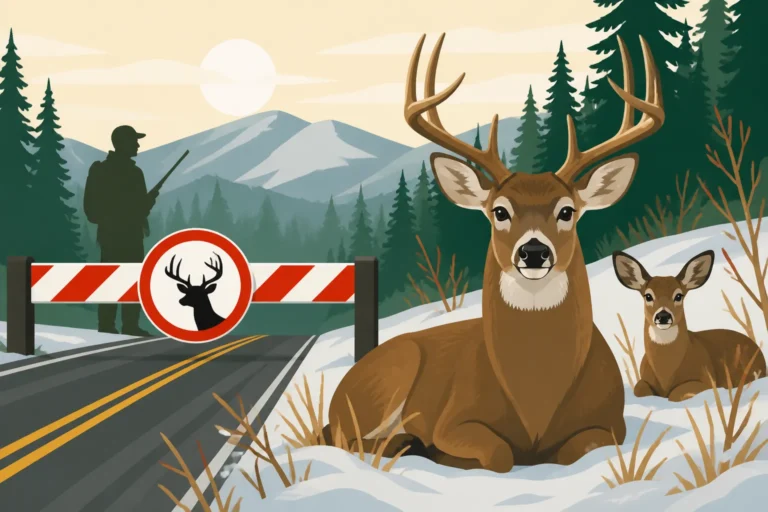
Many areas within both national forests serve as critical winter range for deer and elk. To protect these animals during the most vulnerable time of year, certain roads and areas are often closed seasonally. These winter range closures are vital for allowing deer and elk to conserve energy, find forage, and survive the cold months without unnecessary disturbance from humans.
These closures are typically well-marked with signs, and maps indicating these restrictions are usually available from the Forest Service and ODFW. It's imperative to respect these closures, even if they limit access to a favorite hunting spot. Violating these closures can result in significant fines and, more importantly, can have detrimental impacts on wildlife populations. Always check the most current regulations and maps before heading into the field, especially if you're hunting during late season hunts when these closures might already be in effect. Knowing when and where these closures occur is another testament to responsible hunting and good stewardship.
Disclaimer
This article is for general informational purposes only and does not constitute professional advice. Laws, prices and regulations vary by location and change over time. Consult a qualified professional for guidance on your specific situation.