Sauvie Island Wildlife Area Hunting
For many hunters in Oregon, especially those living in or around the Portland metropolitan area, finding accessible public land can feel like a constant uphill battle. The dream of a quick morning hunt without a multi-hour drive often seems out of reach. But nestled at the confluence of the Willamette and Columbia rivers lies a truly unique opportunity: the Sauvie Island Wildlife Area. This guide will walk you through everything you need to know to successfully navigate and hunt this exceptional, albeit complex, public land gem.
Why Sauvie Island is a Unique Oregon Hunting Destination
Sauvie Island isn't just another patch of public land; it's a dynamic ecosystem managed specifically for wildlife, with a strong emphasis on providing hunting opportunities, particularly for waterfowl. Its proximity to a major urban center makes it incredibly popular, but its diverse habitat and intricate permit system set it apart from many other hunting areas in the state. Understanding its unique characteristics is the first step to a successful outing.
The Lay of the Land: Geography and Habitat
Sauvie Island is Oregon's largest island, a sprawling landscape of approximately 24,000 acres, with the Sauvie Island Wildlife Area making up a significant portion of that. It’s a fascinating mix of habitats: vast open agricultural fields, dense timber patches, brushy riparian zones, and an extensive network of sloughs, wetlands, and ponds. The island is bordered by the mighty Columbia River on its north and west, and the picturesque Willamette River on its east. This confluence of major rivers creates ideal conditions for migratory birds, making it a critical stopover point on the Pacific Flyway.
The sheer variety of terrain means that depending on where you are on the island, you could be setting decoys in a flooded cornfield, jump-shooting ducks along a narrow slough, or walking through thick cover for pheasants. The low elevation means water levels are highly influenced by river flows and rainfall, constantly changing the landscape and dictating access. This dynamic environment requires hunters to be adaptable and to pay close attention to conditions, often right up until the morning of their hunt. It's not a place you can just show up to without doing your homework; the conditions from one week to the next can be dramatically different.
Managed Access and Controlled Entry Systems
Unlike many "walk-in whenever you want" public lands, much of the Sauvie Island Wildlife Area operates under a carefully managed, controlled access system, particularly for waterfowl hunting. This system is designed to distribute hunting pressure, protect wildlife, and enhance the quality of the hunting experience. It's a double-edged sword: it means you can't always just pull off the road and go, but it also means that the areas you do get into might not be completely overrun.
For prime waterfowl areas, hunters typically need to participate in a daily lottery or reservation system to secure a hunting blind or designated spot. There are also specific "fee areas" where a daily or seasonal permit might be required, separate from your standard hunting license and tags. This can be a bit of a hurdle for newcomers, and it requires planning. You'll often hear veteran Sauvie Island hunters talking about the early morning lottery draw, the anticipation of their number being called, or the frustration of not getting their preferred spot. It’s part of the island's unique charm and challenge. Areas are clearly delineated, with maps showing huntable units, no-hunt zones, and refuge areas. Always respect these boundaries, as violating them can lead to serious consequences.
Species and Seasons: What You Can Hunt on Sauvie Island
Sauvie Island is primarily renowned for its exceptional waterfowl hunting, but it offers opportunities for other game as well. Knowing what to target and when is crucial for planning your trips.
Waterfowl Hunting: A Premier Destination
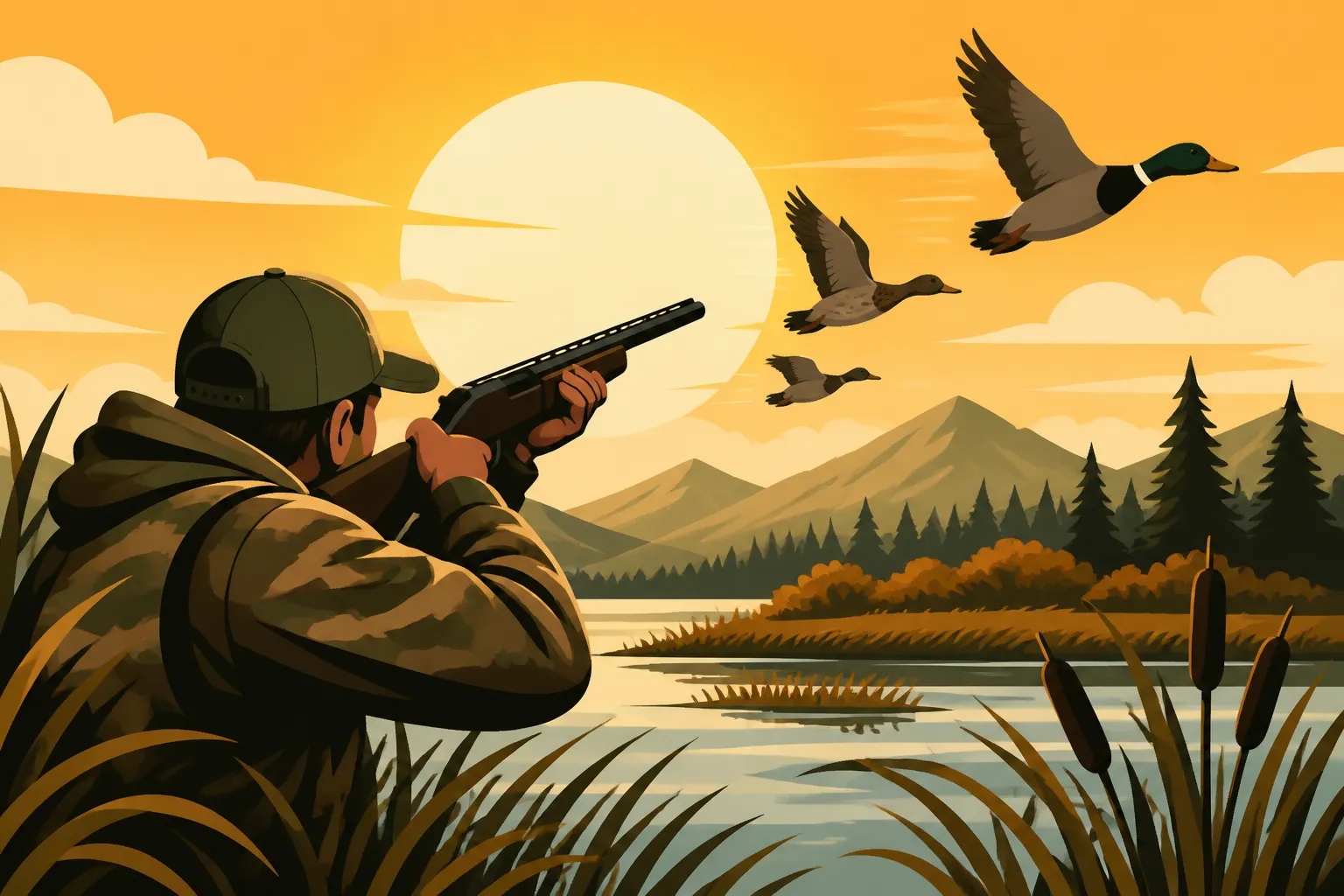
When most people think of hunting Sauvie Island, they think of waterfowl. The island is a magnet for ducks and geese, drawing in vast numbers during the fall and winter migration. You'll find a wide variety of duck species, including mallards, wigeon, pintail, gadwall, and shovelers, often feeding in flooded fields or resting in the numerous sloughs and ponds. Geese, particularly Canada geese, are also abundant, offering thrilling hunting experiences.
Successful waterfowl hunting here often hinges on proper decoy spreads, effective calling, and a well-hidden blind. Many hunters utilize small boats, canoes, or layout boats to access prime locations within the sloughs or to retrieve downed birds from the numerous waterways. Others prefer dry-land blinds in fields. The key is understanding bird behavior, scouting flight paths, and adapting to changing conditions like water levels, which can make or break a hunt. Early season might see more puddle ducks in agricultural fields, while colder weather pushes more birds into protected sloughs or deep water. It's a place where a good retrieving dog really shines, as dense cover and cold water make finding birds difficult. If you're looking to dive deeper into this, you might find valuable insights in Oregon Waterfowl and Upland Birds as a Second Season.
Upland Bird and Other Game
While ducks and geese get the most press, Sauvie Island also provides opportunities for upland bird hunting, primarily pheasants. The Oregon Department of Fish and Wildlife (ODFW) often releases pheasants in designated areas on the island, particularly for youth hunts and during the general pheasant season. This can be a fantastic opportunity, especially for hunters without access to private land.
Pheasant hunting here is typically a walk-in affair, often involving covering extensive fields, brushy edges, and fence rows. A good bird dog is a huge asset for locating and flushing these wily birds, as well as retrieving them from thick cover. Hunters often wear blaze orange for safety, as popular release sites can attract a fair amount of foot traffic. It's a physically demanding hunt, requiring a good pair of Boots for Wet Coastal Hunting and the stamina to cover many miles over varied terrain.
Deer hunting, specifically for Columbian blacktail deer, is also an option on Sauvie Island, though it tends to be more limited and challenging. These deer utilize the timber patches and dense riparian cover. Success often requires meticulous scouting, understanding deer movement patterns in fragmented habitat, and often involves still-hunting or stand hunting specific pinch points. It's not a high-density deer area like some other parts of western Oregon, but dedicated hunters do find success. Additionally, predators like coyotes are present and can be pursued, offering another hunting opportunity for those interested.
Navigating the Sauvie Island Wildlife Area Permit System and Rules
Hunting on Sauvie Island requires more than just a valid hunting license and tag; you absolutely must understand its unique permit system and area-specific regulations. Failure to do so can quickly turn a hopeful day into a frustrating one, or worse, lead to a citation.
Understanding the Sauvie Island Permit System
The heart of hunting access on Sauvie Island lies in its daily and seasonal permit system. For most prime waterfowl areas, you'll need a Sauvie Island Wildlife Area hunting permit, which can be acquired in various ways depending on the specific unit and season. Some units operate on a daily lottery draw, where hunters show up before dawn to draw for an available blind or zone. Other areas might offer reservations or first-come, first-served access for designated walk-in zones. It's paramount to check the current year's ODFW regulations pamphlet for Sauvie Island, or visit the ODFW website for specific instructions, as these systems can vary and are subject to change.
There's often a central check-in station where you'll sign in, get your assigned area, and check out after your hunt, reporting your harvest. This data helps ODFW manage the resource effectively. For pheasant hunting, there are often specific pheasant release areas that also require a daily or seasonal permit. Remember, these permits are generally in addition to your state hunting license and any required federal or state migratory bird stamps. This complexity is why many hunters rely on tools like onX Hunt, not just for property boundaries, but to visualize the specific hunting zones and refuge areas marked on official ODFW maps, ensuring they are always in a legal area. E-Scouting Oregon Units With Satellite Imagery can be hugely beneficial here.
Key Rules and Restrictions
Beyond the permit system, Sauvie Island has a host of important rules you need to be aware of.
- Non-Toxic Shot: This is non-negotiable for all waterfowl and upland bird hunting on the wildlife area. Lead shot is strictly prohibited. Make sure you're stocked up on steel, bismuth, or tungsten shells.
- Shooting Hours: Waterfowl hunting hours are often specific, usually from legal shooting light until a certain time in the afternoon, often 1:00 PM or 2:00 PM, to allow birds to rest undisturbed in the afternoons. Always confirm the exact times for your specific hunt unit.
- Motorized Vehicle Restrictions: Many areas of the wildlife area have restrictions on vehicle access. Some roads might be closed seasonally, or certain units might be walk-in only. Pay close attention to signage.
- Boat Use: While boats are essential for some waterfowl hunts, there might be speed limits or restrictions on motor size in certain sloughs or shallow waters to minimize disturbance to wildlife and other hunters.
- Dog Use: Dogs are generally allowed for hunting and retrieving, but there are often designated dog training areas and rules about when and where dogs can be off-leash outside of active hunting.
- Safety Zones: Always be aware of Oregon's 300-Foot Rule Beside an Open Road and other safety buffer zones around residences, buildings, and roads. There are also specific refuge areas where hunting is completely prohibited year-round; these are vital resting spots for wildlife and must be respected.
- Decoy Restrictions: Some units might have limits on the number of decoys or the type of motorized decoys allowed.
The sheer volume of regulations can feel overwhelming, but they are in place to ensure a sustainable and fair hunting experience for everyone. Always consult the official ODFW regulations pamphlet for the current year. This document, often released in late spring or early summer, contains all the pertinent details, including season dates, permit requirements, and specific unit rules. You can find out more about when this information becomes available in Oregon Regulation Pamphlet Release Date.
| Game Species | Primary Season Type | Key Gear Considerations | Access Method | Special Rules/Notes |
|---|---|---|---|---|
| Ducks & Geese | Fall/Winter Migratory | Waders, decoys, calls, boat (optional), blind material, non-toxic shot | Daily lottery/reservation, walk-in, boat access | Non-toxic shot, specific shooting hours, refuge zones |
| Pheasant | Fall (often released) | Blaze orange, good walking boots, bird dog, non-toxic shot | Walk-in access, specific release sites | Dog training rules, specific hunt units |
| Blacktail Deer | Fall Archery/Rifle (limited) | Camouflage, scent control, binoculars, deer tag | Walk-in, often dense cover hunting | Check specific unit regulations, limited opportunities |
| Coyote | Year-round (unregulated) | Calls, binoculars, predator rifle/shotgun | Walk-in, general hunting areas | Check specific area rules regarding firearms |
Using Technology for Enhanced Access and Navigation
Modern hunting tools can significantly enhance your experience on Sauvie Island. GPS-enabled mapping apps like onX Hunt are incredibly valuable. They allow you to:
- Verify Boundaries: Instantly see property lines, clearly differentiating between huntable ODFW land, private property, and no-hunt refuge zones. This is crucial for staying legal and avoiding trespass.
- Mark Waypoints: Save locations of your blind, vehicle, or areas where you've seen activity.
- Track Your Movement: See exactly where you've walked, which is especially useful when still-hunting deer or covering extensive pheasant fields.
- Scout from Afar: Utilize satellite imagery to identify potential water sources, access points, and cover before you even step foot on the island.
While GoHunt might be more geared toward Western big game draw odds and unit strategies, its general mapping features can also provide a supplemental layer of information. For any hunting adventure, leveraging these digital tools alongside traditional maps and the official regulations can give you a significant advantage, helping you navigate the complex landscape and rules of Sauvie Island with confidence.
Gear, Tactics, and Etiquette for a Successful Sauvie Island Hunt
Having the right gear and adopting smart tactics, coupled with respectful etiquette, will make your Sauvie Island hunting experience much more enjoyable and effective.
Waterfowl Specific Gear
Waterfowl hunting on Sauvie Island is often a wet and cold affair, so your gear needs to be up to the challenge.
- Waders: Chest waders are almost a non-negotiable item. You'll be wading through flooded fields, crossing sloughs, and setting decoys in cold water. Look for durable, insulated waders. Paired with waterproof boots, you'll stay much more comfortable.
- Decoys: A good spread of duck and/or goose decoys is essential. The specific numbers and types will depend on the area you're hunting and the species you're targeting. Motion decoys can also be highly effective.
- Calls: Proficiency with a duck or goose call can greatly improve your success. Practice beforehand!
- Blind Material: Whether you're hunting from a permanent blind, a layout blind in a field, or improvising natural cover, effective concealment is key. Be prepared with camouflage netting, natural vegetation, or other materials to break up your outline.
- Boat: For accessing certain sloughs or deeper water units, a small boat (like a Jon boat, kayak, or canoe) can be critical. Ensure it's stable and you know its limits.
- Non-Toxic Shot: As mentioned, this is mandatory. Have plenty on hand.
- Waterproof Outerwear: Even if you're in a blind, the weather can turn quickly. A reliable, truly Rain Gear That Actually Stays Dry is invaluable.
- Headlamp: For those pre-dawn setups and post-hunt pack-outs.
Upland Bird Considerations
Pheasant hunting on Sauvie Island, especially after ODFW releases birds, is a fantastic opportunity, but it requires different gear and a different approach than waterfowl.
- Sturdy Boots: You'll be covering miles of varied terrain – fields, brush, muddy tracks. Good, waterproof hiking boots with ankle support are essential. Think about what you'd wear for a long day in wet Boots for Wet Coastal Hunting.
- Brush Pants or Chaps: Thick vegetation can tear up normal pants and scratch your legs. Brush pants or chaps will save your attire and skin.
- Blaze Orange: For safety, especially in areas with other pheasant hunters, wear a blaze orange vest or hat.
- Bird Vest or Game Bag: For carrying your harvested birds, water, and extra shells.
- Water: Long walks mean you'll get thirsty. Carry plenty of water for yourself and any dog you bring along.
- Bird Dog: While not strictly required, a well-trained bird dog significantly increases your chances of finding and retrieving pheasants, especially in thick cover.
General Island Hunting Tips and Etiquette
Regardless of what you're hunting, a few general tips and a strong sense of ethical hunting and courtesy will serve you well on Sauvie Island.
- Scout, Scout, Scout: Spend time on the island before the season opens, if allowed. Observe bird patterns, find potential deer sign, identify access points, and understand the terrain. This is where your onX Hunt app can really shine.
- Know Your Regulations: We can't stress this enough. The rules for Sauvie Island are specific and strictly enforced. Get the current ODFW pamphlet, read it thoroughly, and follow it.
- Be Flexible: Weather, bird movement, and hunting pressure can change daily. Be prepared to adapt your plans on the fly. If your first choice blind is taken, have a backup.
- Respect Other Hunters: Sauvie Island is popular, especially during peak seasons. Give other hunters ample space, avoid sky-busting (shooting at birds too far out), and keep your dog under control. A polite wave and a quiet demeanor go a long way.
- Leave No Trace: Pack out everything you pack in, including spent shell casings. Leave the area cleaner than you found it.
- Report Your Harvest: If you're using a check-in system, be honest and accurate with your harvest report. This data is vital for wildlife management.
- Physical Fitness: Whether you're wading through muck for ducks or walking miles for pheasants, hunting on Sauvie Island can be physically demanding. Be prepared for the effort.
- Safety First: Always handle firearms safely, be aware of your surroundings, and know your target and what's beyond it.
- Consider exploring other local opportunities for comparison, such as Hunting the Willamette Valley Open Fields Properties or understanding the broader Willamette Valley Private Land Hunting landscape. This can help you appreciate the unique niche that Sauvie Island fills for public land hunting near populated areas.
Sauvie Island Wildlife Area, with its unique blend of accessible public land, diverse species, and complex regulations, offers an unparalleled hunting experience near a major urban center. It demands preparation, respect for the rules, and a willingness to adapt, but for those who put in the effort, it can be an incredibly rewarding place to pursue game.
Disclaimer
This article is for general informational purposes only and does not constitute professional advice. Laws, prices and regulations vary by location and change over time. Consult a qualified professional for guidance on your specific situation.