Willamette Valley Private Land Hunting
Hunting in Oregon's Willamette Valley often feels like trying to navigate a dense fog – you know there's game around, but finding clear, legal access can be incredibly frustrating. Unlike the vast public lands in the Cascades or Eastern Oregon, the valley floor is a patchwork of farms, timber holdings, and rural residences, making traditional "walk-in" hunting a rarity. This guide is here to cut through that fog, offering real strategies and insights for successfully hunting private land in the Willamette Valley.
Understanding the Landscape: Willamette Valley's Private Land Dominance
The Willamette Valley, stretching from Portland south to Eugene, is the heart of Oregon's population and agricultural industry. This reality means that hunting here is a fundamentally different experience than, say, chasing elk in the vast national forests of the Blue Mountains or glassing for mule deer on BLM land in the high desert. The sheer lack of readily available public land is the biggest hurdle, and it's a frustration many hunters feel deeply. You can scout for days, see deer and geese everywhere, only to find "No Trespassing" signs at every turn.
This isn't to say there's no public land at all; there are state wildlife areas and some limited state forest lands, but they are often heavily pressured and don't represent the bulk of the opportunities. The vast majority of huntable ground for species like blacktail deer, waterfowl, and even predators is privately owned. We're talking about sprawling hazelnut orchards, grass seed farms, small timber company holdings, and large rural residential properties that, while technically private, often have pockets of cover that hold game.
Therefore, the key to success in the Willamette Valley isn't about finding the elusive public parcel, but rather about understanding and navigating the private land landscape. It requires a different mindset, a different set of skills, and a good dose of persistence. You can't just drive out and expect to wander; you need a plan for gaining legitimate access.
Strategies for Gaining Private Land Access
Since public land is so scarce, your hunting success in the Willamette Valley hinges almost entirely on securing permission to hunt private property. This often feels daunting, but with the right approach and a bit of perseverance, it's absolutely achievable. It's about building relationships and proving yourself as a responsible hunter.
Asking Permission Directly and Respectfully
This is the oldest, most reliable, and often most rewarding method. Don't just show up on opening morning. Plan ahead. Start knocking on doors or sending letters weeks, or even months, before the season. The best times to approach landowners are typically in the off-season, like late summer or early fall, long before the chaos of hunting season truly begins. Farmers are busy during planting and harvest, so be mindful of their schedules.
When you approach a landowner, dress neatly, be polite, and introduce yourself clearly. State your purpose immediately: "Hello, my name is [Your Name], and I was wondering if you ever allow respectful hunters on your property for deer (or geese/coyotes)." Be prepared to offer references, show proof of hunter education, and discuss your experience. Make sure you understand their rules explicitly: where you can and cannot hunt, what types of game, specific dates, parking instructions, and if vehicles are allowed off main access roads. Always ask about nearby residences and livestock. A crucial part of this is building trust, and that starts with your first impression. Many landowners have had bad experiences with disrespectful hunters in the past, so differentiating yourself is paramount. Consider offering to help with chores or minor maintenance on their property in exchange for access; this can build immense goodwill. For more detailed advice, check out our guide on Asking a Landowner for Access.
Leveraging Programs and Digital Tools
Oregon offers a few programs designed to connect hunters with private landowners, and these can be goldmines in areas like the Willamette Valley. The Access and Habitat Program, for instance, provides incentives for landowners to open their property to public hunting. While many of these properties are larger timber or ranch lands outside the immediate valley floor, some opportunities might exist closer to home. You'll often find specific areas listed as "Welcome to Hunt" sites, or "By-Permission" properties. Look for details on Oregon Access and Habitat Welcome to Hunt Sites.
Another valuable resource is the Oregon Open Fields Program. This program specifically targets properties with goose damage, often in the Willamette Valley's agricultural heartland, and can be an excellent way to get access for waterfowl hunting. Landowners get compensated for opening their fields, and hunters get a place to hunt. Our article on Hunting Willamette Valley Goose Damage Ground dives deeper into these opportunities.
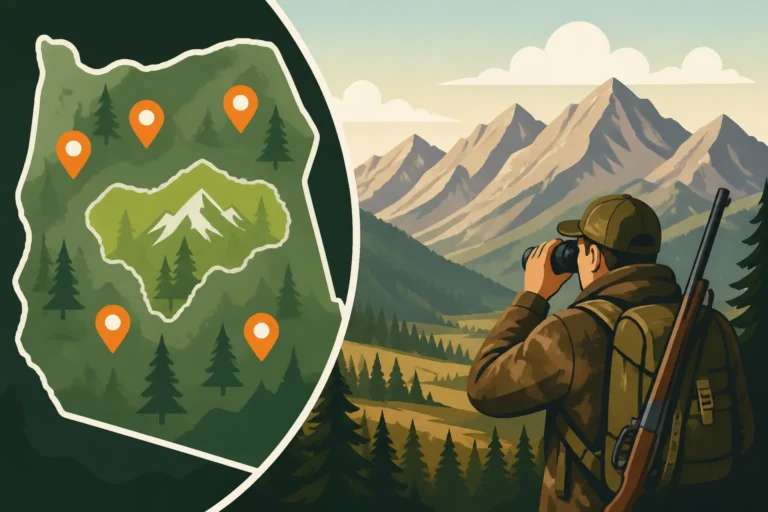
In today's world, digital mapping tools are non-negotiable for hunting private land. Services like onX Hunt are invaluable. They allow you to instantly see property boundaries, landowner names, and even contact information for many parcels. This means you can identify potential hunting spots from home and accurately determine who to contact. You can mark access points, safe shooting lanes, and even note areas where you've seen game or gained permission. This digital scouting capability saves countless hours and prevents accidental trespass, which is crucial for maintaining a good reputation and future access. GoHunt also provides valuable scouting tools and data that can inform your strategy, particularly if you're looking at specific hunt units that might overlap with the valley's edges.
| Access Method | Description | Pros | Cons |
|---|---|---|---|
| Direct Approach | Knocking on doors, sending letters, or calling landowners identified via mapping apps. | Builds personal relationships, high potential for repeat access, tailored rules. | Time-consuming, requires social skills, risk of rejection, limited property discovery. |
| Access & Habitat (A&H) | State-run program providing incentives for landowners to allow hunting. | Legally guaranteed access (once registered), often for specific seasons/species, landowner trusts ODFW. | Spots can be competitive, limited number of properties, specific rules/registration required. |
| Open Fields Program | Focuses on properties with crop damage, primarily for waterfowl. | Direct solution for landowners, high chance of waterfowl success, often less competition than big game. | Limited to specific properties and often specific species (geese), seasonal. |
| Commercial Outfitters | Hiring a professional guide who has pre-existing private land access agreements. | Guaranteed access, expert guidance, higher success rates. | Significantly more expensive, less DIY experience, can be booked years in advance. |
| Word of Mouth | Networking with other hunters, farmers, or community members for leads. | Can lead to "hidden gem" properties, builds on existing trust. | Unreliable, takes time to build network, highly dependent on social connections. |
What to Hunt in the Willamette Valley on Private Land
While the Willamette Valley isn't known for trophy elk or vast mule deer herds, it offers excellent opportunities for specific game species, especially when you secure private land access. Knowing what to target and why certain landowners might grant permission is a key part of your strategy.
Blacktail Deer: The Valley's Elusive Big Game
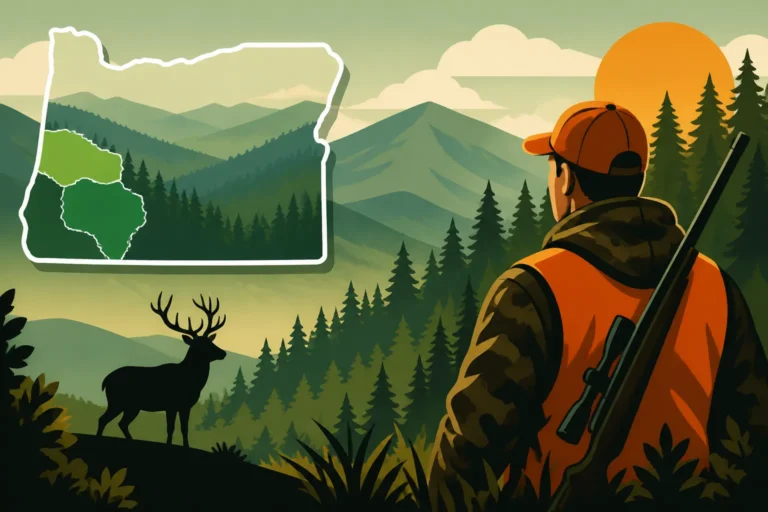
The Columbian Blacktail Deer is the primary big game species you'll find throughout the Willamette Valley. These deer thrive in the mosaic of small woodlots, riparian corridors, brushy clearcuts on smaller timber parcels, and the edges of agricultural fields. They are masters of cover and can seem to vanish into surprisingly small patches of brush. Hunting blacktails on private land can be incredibly rewarding because the deer often go unpressured compared to public land spots.
Landowners might be willing to grant access for deer hunting if they have concerns about deer browsing on crops or ornamentals, or if they simply enjoy seeing responsible hunters utilize their land. The general season for buck deer is your most likely opportunity, though controlled hunts occasionally pop up on the fringes of the valley in surrounding units. Understanding Columbian Blacktail Deer of Western Oregon and their habits, especially during the Blacktail Rut Timing in Western Oregon, will greatly increase your chances of success. These hunts often involve still-hunting small patches of timber or setting up on travel corridors between feeding and bedding areas.
Waterfowl and Upland Birds: Abundant Opportunities
If there's one area where Willamette Valley private land truly shines for hunting, it's waterfowl and upland birds. The valley is a major flyway for ducks and geese, and its vast agricultural fields provide ideal feeding grounds. Canada geese, in particular, can be a major nuisance for farmers, causing significant crop damage. This creates fantastic opportunities for hunters to offer a service to landowners. Often, permission for goose hunting is easier to secure than for deer, as it addresses a direct problem for the farmer. Our detailed guide on Hunting Willamette Valley Goose Damage Ground can provide you with more specifics on how to target these birds.
Beyond waterfowl, there are opportunities for pheasants, California quail, and even some mountain quail in the brushier edges. These birds often inhabit the same hedgerows, field edges, and creek bottoms that blacktails frequent. Small game and bird hunting can be a great way to "get your foot in the door" with a landowner, building trust that might lead to big game access down the road. It’s a perfect example of how Waterfowl and Upland Birds as a Second Season can extend your hunting calendar and relationships.
Predators: Helping Landowners with Coyote Control
Don't overlook predator hunting. Coyotes are abundant throughout the Willamette Valley and can be a significant problem for livestock owners and even some small farmers. Landowners are often very receptive to hunters who offer to help control coyote populations. This can be a year-round opportunity and another excellent way to build a rapport. Showing up with a predator call, being respectful, and demonstrating safe firearm handling can quickly turn a "no" into a "yes" for future opportunities. Learning Coyote Calling in Open Sage Country techniques can be adapted for the valley's mixed terrain.
Best Practices for Hunting Private Land
Gaining private land access is a privilege, not a right. How you conduct yourself on that land directly impacts your ability to hunt it again, and frankly, the chances for other hunters to gain access elsewhere. It’s all about being a good ambassador for hunters and respecting the landowner’s property and generosity.
Safety and Situational Awareness
The Willamette Valley, especially on its fringes and in rural subdivisions, can be much more populated than the remote backcountry. This means heightened awareness is paramount. Always know what's beyond your target. Ensure you have a clear backstop that will safely contain a bullet or arrow. Be acutely aware of property boundaries, especially if adjacent to other residences or busy roads.
Always treat every firearm as if it were loaded, keep the muzzle pointed in a safe direction, and keep your finger off the trigger until you are ready to shoot. These are basic tenets of firearm safety, but they take on even greater importance when you're hunting near homes, livestock, or other human activity. If you’re hunting with a bow, ensure you have a clear path of flight and that any arrow will safely impact the ground within the landowner’s property.
Respecting the Property and the Landowner's Trust
This goes beyond just not littering. It means leaving everything exactly as you found it, or even better. If you open a gate, close it securely. If you drive on a two-track, stick to the defined path. Never drive through fields unless explicitly permitted, and even then, be extremely careful about crop damage. Pay attention to fence lines and ensure you don't damage them. Our guide on Leaving Gates and Fences as You Found Them emphasizes these critical points.
The core of private land hunting is trust. The landowner is trusting you with their property, their livelihood, and potentially the safety of their family and animals. Uphold that trust. If you say you'll hunt only on certain days, stick to it. If you promise to only target specific animals, follow through. And critically, if you harvest an animal, make every effort to recover it quickly and efficiently, even if it runs onto an adjacent property (though you'll need to gain permission from that landowner before pursuing). Being a responsible hunter minimizes impact and maximizes goodwill.
The Indispensable Role of Technology
As mentioned, digital mapping tools like onX Hunt are game-changers. They are not just for finding landowners; they are essential for ethical hunting on private land. Use them to confirm property boundaries while you're hunting. It's easy to get disoriented in new terrain, and accidentally crossing a boundary, even by a few yards, can destroy years of trust. Mark your parking spot, your access route, and any specific areas the landowner has asked you to avoid. This isn't just a convenience; it's a critical tool for preventing Trespass Law and Posted Land in Oregon violations and maintaining a good reputation. Always have your phone charged, or better yet, carry a portable battery pack.
Maintaining Open Communication
The golden rule of private land hunting: communicate. Always inform the landowner when you plan to be on their property and when you've left. A quick text or phone call is usually sufficient. This not only shows respect but also provides them peace of mind, knowing who is on their land. If you decide not to hunt on a given day, let them know. If you see something unusual or concerning on their property (like a damaged fence, trespassers, or an injured animal), report it to them. This demonstrates that you are a valuable steward of their land, not just a taker. This level of communication can transform a one-time permission into a long-term hunting friendship.
Disclaimer
This article is for general informational purposes only and does not constitute professional advice. Laws, prices and regulations vary by location and change over time. Consult a qualified professional for guidance on your specific situation.