What Replaced the Sumpter Unit
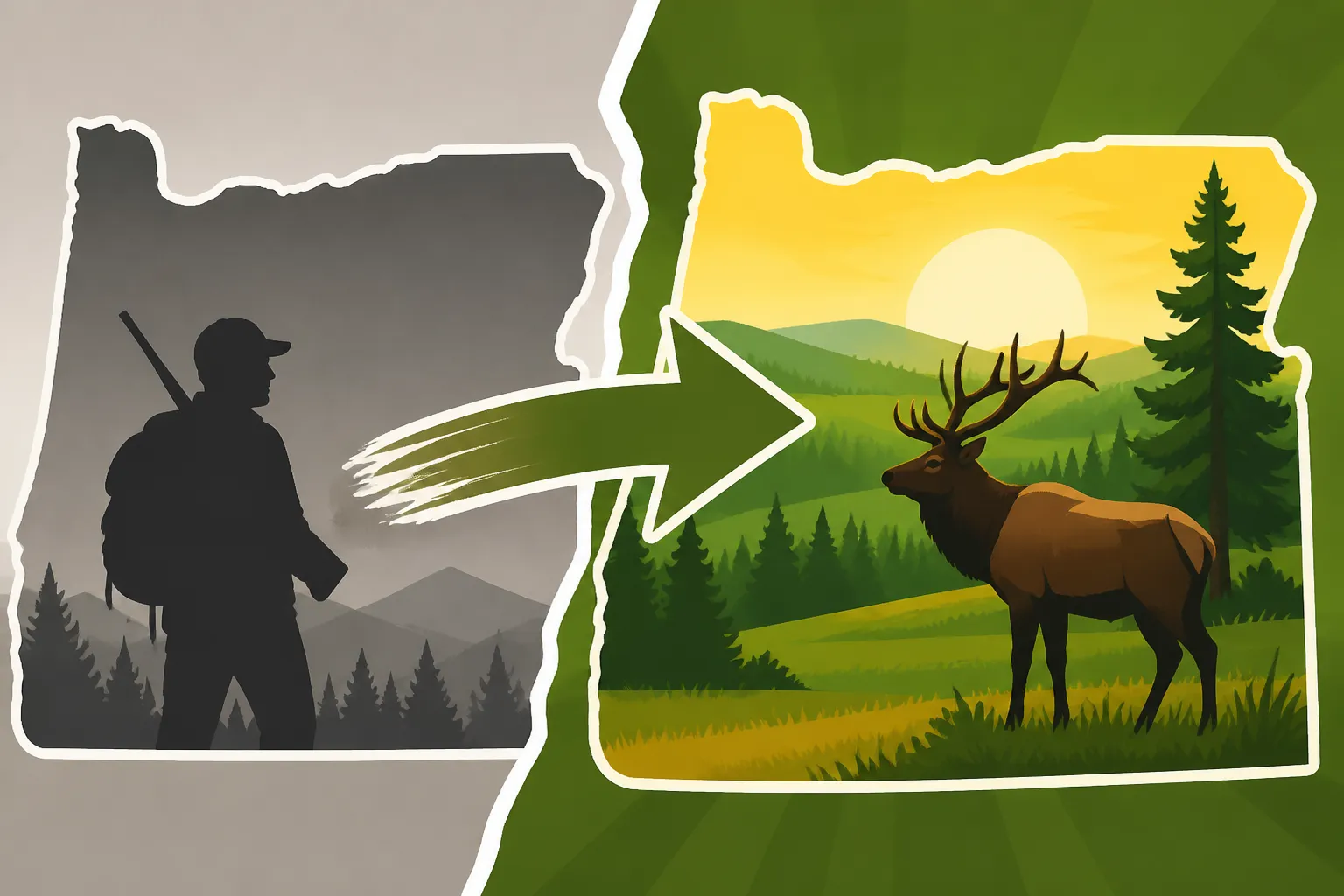
For many years, the Sumpter Unit was a familiar name on the Oregon hunting maps, a place where many of us chased elk and deer, forming cherished memories and traditions. However, the Oregon Department of Fish and Wildlife (ODFW) has revamped its big game hunting unit system, leading to a fair bit of confusion and frustration for hunters trying to figure out where their beloved Sumpter Unit went. This guide is here to untangle that knot, explaining the shift to the new herd range system and helping you understand exactly what replaced the Sumpter Unit, so you can plan your next hunt with confidence.
Understanding Oregon's Shift to Herd Ranges
The change from individually named units to larger "herd ranges" wasn't just a bureaucratic whim; it was a significant shift aimed at better managing Oregon's big game populations. For decades, traditional hunting units, like the Sumpter Unit, were defined by arbitrary boundaries that often didn't align with how animals actually live and move across the landscape. Animals don't stop at a county road or a river just because the unit map says so.
Why the Change? Better Management Through Biology
The ODFW transitioned to the herd range system primarily to align hunting regulations and management efforts more closely with the biological realities of big game populations. Think about it: a specific herd of elk or mule deer might migrate across several traditional hunting units throughout the year, utilizing different areas for calving, summer grazing, and wintering. Managing these animals as distinct populations within artificial boundaries often meant that conservation efforts in one unit might be undermined by decisions in an adjacent unit, even if it was the same group of animals.
By defining larger "herd ranges," ODFW aims to manage entire populations as cohesive units, taking into account their full seasonal movements and habitat needs. This means a more holistic approach to setting tag numbers, evaluating habitat health, and addressing challenges like disease or predation. It’s an effort to look at the bigger picture, moving beyond fragmented management to a more integrated, biologically sound strategy. For hunters, it means that while the names might have changed, the intent is to ensure healthier, more sustainable game populations for the long haul. It's a fundamental change in philosophy that, while initially jarring, promises to be beneficial for the animals we pursue.
What is a Herd Range?
At its core, a "herd range" is a larger geographical area designed to encompass the primary habitats and movement patterns of a specific big game herd. Instead of many small, often disjointed units, you now have fewer, much larger ranges. These ranges are intended to reflect the actual home range and migratory routes of an entire population of animals, whether that's a specific elk herd or a mule deer population.
Imagine a large basin or mountain range where a particular group of deer spends its entire year, moving from high-country summer grounds to lower-elevation winter ranges. Under the old system, this single herd might have been split across three or four different named units. Now, it's likely contained within one or two larger herd ranges. This makes it easier for biologists to track population trends, assess impacts from hunting, disease, or habitat loss, and make more informed management decisions across the entire span of that herd's life cycle. This new approach should lead to more stable and predictable hunting opportunities over time, as management is no longer trying to fit a square peg into a round hole. You can find more details about this shift in Oregon's 22 Herd Ranges and Old Unit Names.
The New Northeast Oregon Hunting Landscape
Now, let's get to the heart of the matter for those who remember the Sumpter Unit. The old system, while familiar, often caused more headaches than it solved when it came to tracking animal populations. The new herd range system directly addresses this by grouping geographically linked areas under new, broader designations.
Where Did Sumpter Go? It's Now Part of NE-02
The Sumpter Unit, as a standalone entity, no longer exists on the Oregon hunting map. It, along with several other historical units in northeastern Oregon, has been consolidated into the much larger NE-02 Herd Range. This new designation covers a significant portion of what was once known as the Sumpter, Keating, and Starkey units, among others. It's a vast area, encompassing diverse habitats from timbered mountains to sagebrush flats, reflecting the diverse terrain these herds navigate.
This change means that when you're looking at controlled hunt applications or general season information, you won't see "Sumpter Unit" listed anymore. Instead, you'll be applying for or hunting within NE-02. This can feel like learning a new language, but the intention is to simplify things in the long run by managing the entire herd within its natural range. If you were used to a particular drainage or ridge in the old Sumpter, you'll now need to mentally place that spot within the broader NE-02 boundaries. It’s a challenge that many experienced hunters are currently facing as they adapt their tried-and-true scouting methods.
The NE-02 Herd Range in Detail
The NE-02 Herd Range is a substantial piece of hunting country. It's designed to encompass key areas for both mule deer and Rocky Mountain elk. This includes the high-elevation summer ranges, important migration corridors, and critical wintering areas. For example, some of the very productive elk winter range that historically fell within the Sumpter Unit is now firmly within NE-02. Similarly, much of the public land accessible via National Forest roads that you might have known in the old Sumpter area is now part of this larger herd range.
Understanding the NE-02 means wrapping your head around a much bigger map. Instead of focusing on smaller, distinct unit lines, you're now looking at how this massive range functions as a single ecosystem for big game. This area is home to some of Oregon's most iconic hunting experiences, from chasing big bulls in timber to glassing for mule deer across open sage. It means that a tag for NE-02 offers a much wider scope of potential hunting grounds than a tag for the old Sumpter Unit ever did. For a deeper dive into the specific units it covers, check out NE-02 and the Oregon Units It Covers.
Let's look at a simplified comparison to help visualize the change:
| Old Oregon Unit Name | New Oregon Herd Range Name | Primary Species | General Habitat Type |
|---|---|---|---|
| Sumpter | NE-02 | Elk, Mule Deer | Mountains, Timber, Sage |
| Keating | NE-02 | Elk, Mule Deer | River Valleys, Foothills |
| Starkey | NE-02 | Elk, Mule Deer | Forests, Experimental Area |
| Walla Walla | NE-02 | Elk, Mule Deer | Timber, Agricultural Edges |
| Wenaha | NE-02 | Elk, Mule Deer | Rugged Canyons, Timber |
This table shows a few of the significant units that have been absorbed into the NE-02 Herd Range. While not exhaustive, it illustrates how a familiar name like Sumpter is now part of a much larger, more biologically defined hunting area.
Specific Unit Overlaps and Boundaries
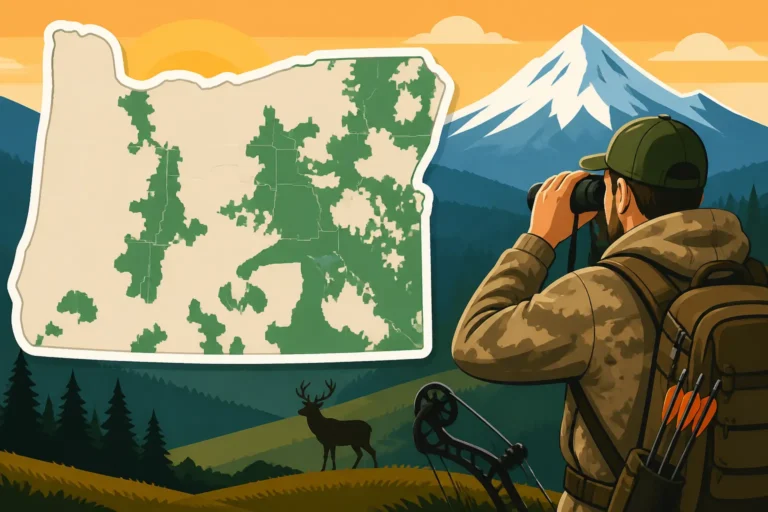
The boundaries of NE-02 generally follow major geographic features, making them a bit more intuitive than some of the old, arbitrary unit lines. However, it's still crucial to study the new maps thoroughly. The NE-02 is bordered by other herd ranges, and knowing where one ends and another begins is paramount, especially when you're on the ground. You might find that a favorite ridge or drainage that you always thought of as "Sumpter" might now technically be on the edge of NE-02, potentially even bordering another herd range like NE-01 (which absorbed units like Ukiah and Heppner).
The change means that hunters need to be more diligent than ever in studying current regulations and maps. What was once clear in your mind as "Sumpter" might now span into areas you previously considered separate. This is where modern mapping tools become absolutely indispensable. Applications like onX Hunt or GoHunt are fantastic for overlaying the new herd range boundaries onto detailed topographic and satellite maps. This allows you to pinpoint your exact location relative to the new hunt areas, ensuring you're always within the legal boundaries of your tag. Familiarizing yourself with Reading an Oregon Hunt Area Boundary is a crucial skill in this new era.
Navigating the Changes for Your Next Hunt
This transition to herd ranges, while aimed at better management, inevitably puts the onus on us, the hunters, to adapt. It requires a bit more homework, but it’s an investment that will pay off in knowing where and how to hunt effectively within the new system.
Applying for Hunts in the New System
The most immediate impact for many hunters is on the controlled hunt application process. Instead of applying for a specific unit like "Sumpter Elk," you'll now select "NE-02 Elk." This means your application choices need to reflect the new herd range names. It's critical to review the current ODFW hunting regulations pamphlet each year, as the codes and choices will have updated to reflect these herd ranges. The application process itself remains largely the same in terms of deadlines and how points accumulate, but the hunt choices are now based on these larger areas.
This also means that drawing a tag for NE-02 might involve different odds than what you were used to for the smaller Sumpter Unit, simply because the area it covers is so much larger. It’s important to research the draw odds for NE-02 specifically, considering its expanded boundaries and the total tag allocations for that herd range. Websites like GoHunt provide excellent resources for breaking down these odds and helping you make informed application choices. Remember to account for Oregon's May 15 Application Deadline and ensure your application correctly reflects the new herd ranges.
Scouting and Planning Under the New System
Your scouting efforts will also need to adjust. If you previously focused your pre-season scouting on the specific geographic footprint of the old Sumpter Unit, you now have a larger area to consider. This isn't necessarily a bad thing; it means more country to explore and potentially more opportunities. However, it requires a shift in mindset. Instead of looking for "Sumpter elk," you're now looking for "NE-02 elk," which might mean expanding your scouting trips into areas that were previously part of the Keating or Starkey units.
Start by getting your hands on the most current ODFW hunting maps that show the new herd range boundaries. Then, layer those over your preferred digital mapping tools. This is where detailed satellite imagery and topographic maps become invaluable. Look for historical hunting pressure points, potential migration routes, water sources, and bedding areas across the broader NE-02 range. This detailed planning can be done from your armchair long before you ever step foot in the woods. Consider learning more about E-Scouting Oregon Units With Satellite Imagery to hone these skills.
Practical Tools for the Modern Oregon Hunter
Adapting to these changes doesn't have to be a monumental task. There are excellent tools and resources available today that can make navigating the new herd range system much easier than it might seem.
Digital Mapping Advantages
The advent of digital mapping applications has revolutionized how hunters interact with the landscape, and they are especially crucial when dealing with significant boundary changes like the transition to herd ranges. Tools like onX Hunt are game-changers for identifying property lines, understanding land ownership (public versus private), and most importantly, delineating hunting unit or herd range boundaries directly on your phone or GPS device.
With onX Hunt, you can download offline maps, which means you have access to detailed terrain features and those critical herd range boundaries even when you're deep in the backcountry with no cell service. You can mark waypoints for past kill sites, potential game crossings, or even a favorite glassing knob. This eliminates the guesswork of trying to interpret paper maps in the field, especially when traversing complex terrain or approaching unit borders. Understanding Reading a Travel Management Area Map Before You Drive is also greatly enhanced with these digital tools, as they often include layers for road restrictions.
Leveraging Online Resources and Communities
Beyond mapping software, there's a wealth of information available online to help you understand and adapt to the new herd range system. The ODFW website is the official source for all regulations, hunt area maps, and controlled hunt statistics. Make it a point to visit their site regularly for updates.
Additionally, online hunting forums and communities dedicated to Oregon hunting are fantastic places to ask questions, share insights, and learn from other hunters who are also navigating these changes. While always cross-referencing information with official ODFW sources, these communities can provide valuable anecdotal evidence and local knowledge that isn't always found in official pamphlets. Services like GoHunt also offer detailed analytics on draw odds, unit breakdowns (now herd range breakdowns), and general hunting information that can guide your application strategy and scouting efforts. They often provide insights into Oregon Mule Deer Plan and Tag Numbers, giving you context for the changes you're seeing.
The disappearance of the Sumpter Unit might feel like losing an old friend, but its integration into the NE-02 Herd Range is part of a larger, more biologically sound approach to managing Oregon's incredible big game resources. By embracing the new mapping, understanding the intent behind the changes, and leveraging modern tools, you'll not only adapt but thrive as a hunter in this evolving landscape. The spirit of hunting in those familiar eastern Oregon mountains remains; it just has a new name on the map.
Disclaimer
This article is for general informational purposes only and does not constitute professional advice. Laws, prices and regulations vary by location and change over time. Consult a qualified professional for guidance on your specific situation.