Oregon Drop Camps and Pack-In Services
One of the biggest hurdles many Oregon hunters face when dreaming of a true backcountry experience is the sheer physical demand of getting deep into remote areas, especially when you factor in packing out an animal. Hauling heavy gear, setting up a comfortable camp, and then facing the monumental task of packing out hundreds of pounds of meat is enough to deter even the most dedicated among us. This guide will walk you through how Oregon drop camps and pack-in services can be your secret weapon, offering a vital bridge between hardcore DIY and fully guided hunts, allowing you to access prime wilderness areas with a logistical helping hand.
Understanding Oregon Drop Camps: A Wilderness Lifeline
The allure of hunting deep in the wilderness, far from the road and the crowds, is powerful. But the reality of carrying everything you need for a multi-day trip on your back, then potentially an entire elk or deer, can be daunting. That's where drop camps and pack-in services truly shine, offering a flexible solution that keeps the "DIY" spirit alive while taking the edge off the most strenuous parts of the logistics. It's about empowering you to focus on the hunt itself, rather than just the physical struggle of getting there and back.
What Exactly is a Drop Camp?
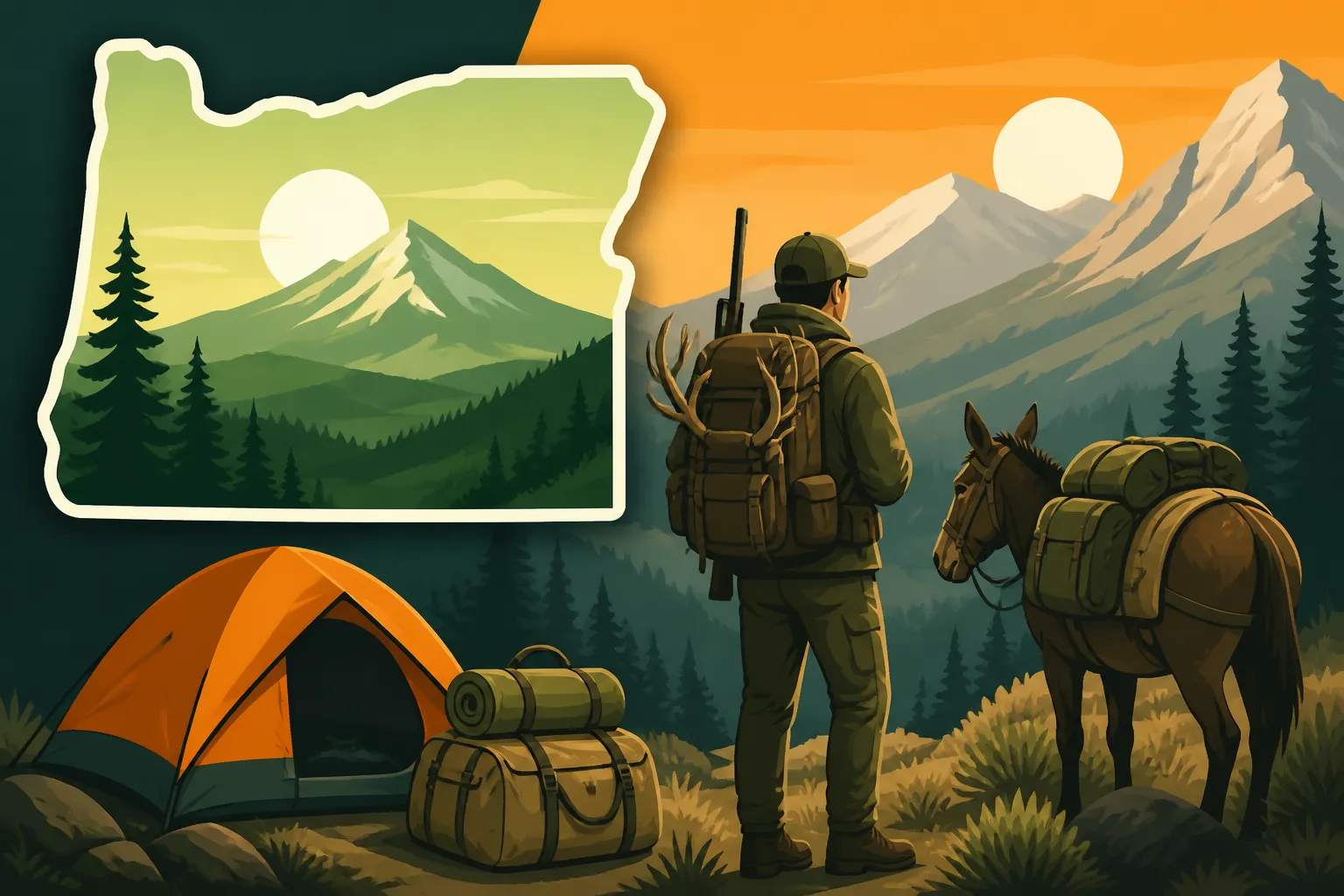
Imagine this: you've got your hunt plan dialed, your gear is ready, but you don't own a string of horses or mules, nor do you have the decades of experience required to safely navigate them into the rugged Oregon backcountry. This is precisely the gap a drop camp fills. A drop camp involves a licensed outfitter using pack animals (horses, mules, llamas, or a combination) to transport you and your hunting gear, along with pre-established camp supplies, to a remote, pre-arranged location deep within a wilderness area. They drop you off, leave you with your camp and supplies for a set number of days, and then return at a predetermined time to pack you and your harvest out.
The key difference from a fully guided hunt is that once you're dropped off, you're on your own. You are responsible for all aspects of your hunt: finding game, making the stalk, field dressing, navigation, cooking, and camp chores. The outfitter provides the transportation and sometimes the camp infrastructure (like a wall tent, stove, cots, cooking gear, and water containers), but the hunting itself is entirely self-sufficient. This setup appeals greatly to experienced hunters who love the challenge of independent hunting but need to overcome the logistical barrier of accessing truly remote, roadless country without the huge investment of time and money in maintaining their own stock. It lets you get past the trailheads that are often hammered with hunters, pushing into areas that see far less pressure.
Where Drop Camps Operate in Oregon
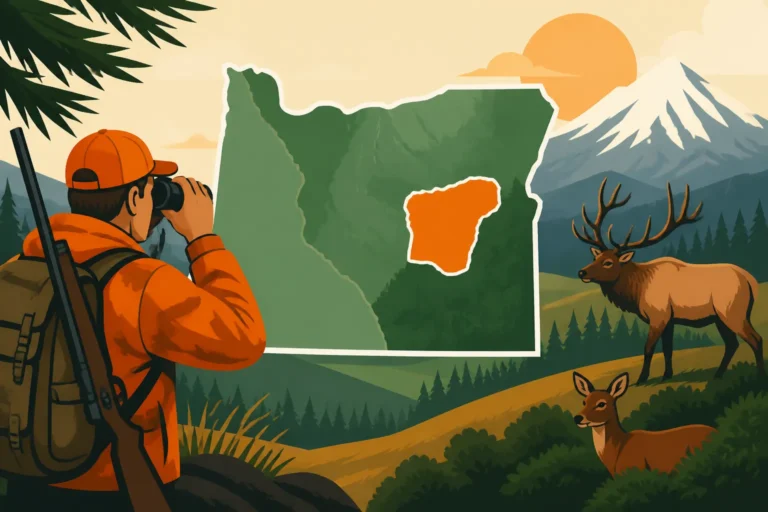
Oregon's landscape offers incredible opportunities for wilderness hunting, and these are often the sweet spots for drop camp operations. When you look at areas like the Wallowa-Whitman National Forest, particularly within the vast Eagle Cap Wilderness, or the more rugged Hells Canyon and Wenaha-Tucannon Wilderness areas in northeast Oregon, you're talking about massive tracts of land with very limited road access. These are the places where pack strings are not just helpful, but often essential to reach prime habitat that holds elk and mule deer.
Further south, areas like the Strawberry Mountain Wilderness within the Malheur National Forest also offer incredible backcountry hunting, though they might see fewer dedicated drop camp operations compared to the more renowned elk country to the north. Outfitters specializing in drop camps will typically have established sites or permits to operate within these wilderness boundaries, ensuring they can legally access and maintain a presence in these remote areas. When considering a drop camp, you're often targeting specific units known for their wilderness components, such as the Minam, Imnaha, or Wallowa units for elk, where the game is less accustomed to human pressure and exhibits more natural behavior. Oregon Wilderness Areas Open to Hunting provides a deeper dive into the regulations for these unique areas. This kind of access can literally put you miles beyond where most hunters on foot ever venture, dramatically increasing your chances of finding unpressured animals.
The Allure of True Backcountry Hunting with Support
There's an undeniable magic to being deep in the backcountry, disconnected from the daily grind and immersed in the raw beauty of Oregon's wilderness. For many, a drop camp offers the best of both worlds: the profound solitude and challenge of a self-reliant hunt, coupled with the critical logistical support that makes it feasible. Imagine waking up to frost on your wall tent, brewing coffee over a wood stove, and then stepping out directly into prime elk or deer country, knowing you're miles from the nearest road hunter. This kind of experience is often what fuels the passion for hunting.
The feeling of self-reliance, even within a supported framework, is incredibly satisfying. You're making all the hunting decisions, reading the sign, calling to elk, and executing the stalk. The outfitter simply provided the means to get you to the starting line and ensures you can get your hard-earned harvest out. This allows you to truly focus on honing your hunting skills, rather than being constantly preoccupied with the monumental task of hauling gear up steep ridges or worrying about how you'll manage hundreds of pounds of meat if you get lucky. It's a balance that many find ideal, allowing for a deeper immersion in the hunt without completely breaking the bank or requiring years of personal stock management experience.
The Practicalities of Pack-In and Pack-Out Services
Beyond full drop camps, many outfitters offer more modular pack-in and pack-out services. These options can be incredibly valuable for hunters who prefer to backpack in themselves but need help with specific heavy loads, or, more commonly, need to get an animal out of rugged terrain. Understanding these distinct services and their logistics is crucial for maximizing your chances of a successful and manageable backcountry hunt in Oregon. It’s all about working smarter, not harder, when the moment of truth arrives.
Defining Pack-In Services
A pack-in service is exactly what it sounds like: an outfitter uses pack animals to transport your gear from a trailhead to a predetermined spot, allowing you to hike in with just a light daypack. This is an excellent option for hunters who love to hike but have extensive or heavy gear they don't want to carry themselves. Perhaps you're planning a base camp hunt where you want more comfort items than your backpack can reasonably hold – think larger tents, a bigger stove, more food, or even a comfortable chair for evenings by the fire. The outfitter brings it all in, and you meet them at your desired campsite.
This service can be especially useful for early season archery elk hunts where comfortable camps make a big difference, or for late-season rifle hunts when you might need more robust shelter and heating to combat cold, wet Oregon weather. It cuts down on the physical exertion during the approach, allowing you to arrive at your hunting grounds fresh and ready to scout or hunt immediately. This can make multi-day hunts more enjoyable and sustainable, particularly when facing the steep elevation changes common in much of Oregon’s prime hunting country.
The Critical Role of Pack-Out Services for Success
If a pack-in service is convenient, a pack-out service is often absolutely critical, especially when hunting large game like elk in remote areas. Even the most physically fit hunter can be overwhelmed by the task of packing out a mature bull elk, which can yield 200-300 pounds of boned-out meat, plus a heavy head and cape. Attempting to do this alone or with an inexperienced partner can lead to exhausted hunters, wasted meat, or even dangerous situations. Getting Meat Out Before It Spoils is a serious concern, especially if you're hunting during Oregon's warmer archery seasons.
Outfitters offering pack-out services will meet you at a designated spot (often the kill site itself, if accessible by stock) and pack out your meat and trophy. This ensures the meat is handled properly, cooled quickly, and transported efficiently, preserving its quality. Coordinating this aspect is paramount: you'll need a clear communication plan with your outfitter to notify them of a successful kill, relay your precise location, and arrange a rendezvous. Many hunters will pack out a first load of critical items, like the tenderloins and backstraps, while waiting for the outfitter to arrive. The peace of mind knowing you have this support system in place allows you to hunt more aggressively and efficiently, rather than constantly conserving energy for a potential multi-day pack-out. For detailed guidance on preparing your harvest, refer to Quartering and Packing an Elk Alone.
Understanding Load Limits and Equipment
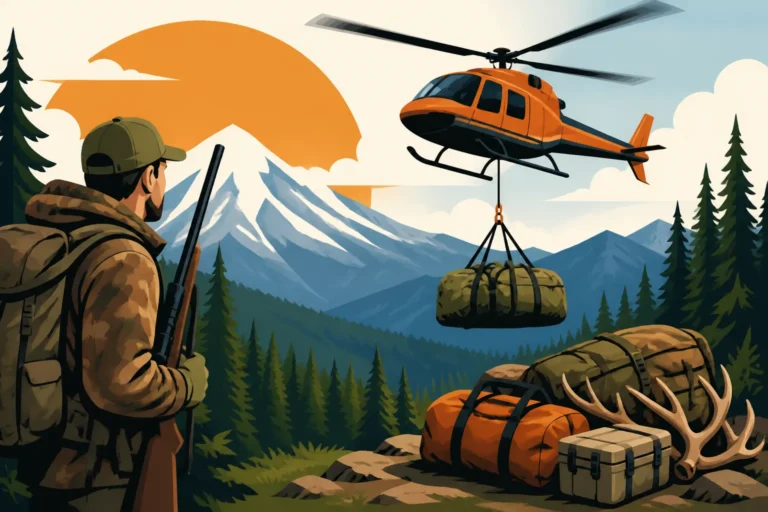
When utilizing pack services, it's essential to understand the capabilities and limitations of pack animals. While a mule or horse can carry substantial weight, there are practical limits, usually around 150-200 pounds per animal, depending on the terrain and distance. Outfitters will typically specify their per-animal load limits, and it's your responsibility to adhere to them. Overloading an animal is unsafe and can lead to injuries for the stock and delays for your trip.
For pack-in services, your gear should be organized into durable, soft-sided duffels or large, heavy-duty dry bags that can withstand being strapped onto a pack saddle. Hard cases for rifles are also common. Label everything clearly with your name. For pack-out services, meat should be quartered and placed into sturdy, breathable game bags. Avoid plastic bags as they trap heat and promote spoilage. If you plan to cape your animal for a shoulder mount, ensure the cape is properly handled and cooled. Furthermore, any feed brought in for pack animals, especially into wilderness areas, must often meet "certified weed-free" requirements to prevent the introduction of invasive plant species. Always confirm these specifics with your chosen outfitter, as they are crucial details for a smooth operation. More information on feed requirements can be found in Certified Weed-Free Feed Requirements.
The Pros and Cons of Opting for Drop Camps and Pack Services
Deciding whether a drop camp or pack service is right for your next Oregon hunt involves weighing several factors. It's not a one-size-fits-all solution, and understanding the advantages and disadvantages can help you make an informed decision that aligns with your hunting style, budget, and physical capabilities. Every hunter's situation is unique, and what works for one might not work for another.
Advantages: Deeper Access and Reduced Physical Strain
The primary, undeniable advantage of using drop camps and pack-in services is the ability to access truly remote, less-pressured hunting grounds. In many popular units, game animals become highly educated and nocturnal close to roads and trails. By venturing several miles into roadless wilderness with the help of pack stock, you're entering areas where animals are often more relaxed and follow more natural patterns. This deeper access can significantly increase your opportunities for success, especially on trophy-class animals that tend to avoid human disturbance.
Beyond access, the reduction in physical strain is a huge benefit. Instead of slogging in with a 60-pound pack, you can hike with a light daypack, saving your energy for the actual hunt. This is particularly valuable for multi-day trips, older hunters, or those with physical limitations. You arrive at camp fresh, ready to scout and hunt, rather than being exhausted before the hunt even begins. When you do make a kill, the knowledge that an outfitter can assist with the heavy pack-out removes a major source of stress and ensures your hard-earned meat doesn't spoil. This allows for a more focused and enjoyable hunting experience where you can truly appreciate the wilderness around you.
Disadvantages: Cost, Scheduling, and Dependency
While beneficial, drop camps and pack services do come with their own set of considerations. The most obvious is the financial investment. While generally more affordable than a fully guided hunt, these services still represent a significant expense compared to a completely self-sufficient backpack hunt. You're paying for the outfitter's time, expertise, equipment, and the maintenance of their pack animals, which isn't cheap. Budgeting for these services requires careful planning.
Another factor is the rigid schedule. Once dropped off, you are committed to a specific pick-up date and time. This means you need to be prepared for all weather conditions and potential hunting lulls, as there's no easy bail-out option if things get tough. You are also dependent on the outfitter for transportation. While reputable outfitters are highly reliable, unforeseen circumstances like extreme weather, trail closures, or even issues with their stock could theoretically lead to delays. While rare, understanding this dependency is important. Lastly, while you gain access, you lose some of the ultimate flexibility of a purely DIY trip where you can change your camp location on a whim.
When a Drop Camp is the Right Choice for You
A drop camp or pack-in service is an ideal solution for a specific type of hunter. If you are an experienced hunter who knows how to navigate, scout, track, field dress, and possesses the skills to hunt independently but lacks the means (or desire) to pack in heavy gear or pack out a large animal, this option is tailor-made for you. It’s perfect for those who crave the deep wilderness experience without the multi-year commitment of owning and training pack animals.
It's also a fantastic choice for groups of friends or family who want to establish a comfortable base camp in a remote area, allowing them to hunt different directions each day but return to a well-equipped central location. For hunters with limited time off, maximizing hunting time by minimizing pack-in fatigue is a huge bonus. Essentially, if you value deeper access, more comfortable camps, and reduced physical strain on your body, but still want the challenge and satisfaction of a self-directed hunt, a drop camp or pack service could be the perfect fit for your next Oregon adventure.
| Feature | Fully Guided Hunt | Drop Camp Hunt | DIY Backpack Hunt |
|---|---|---|---|
| Cost | Highest (all-inclusive) | Moderate (logistics support) | Lowest (personal gear & food only) |
| Effort (Physical) | Low to Moderate (guide does heavy lifting) | Moderate (you hunt, outfitter packs) | Highest (you carry everything) |
| Access | Deepest (guide takes you to game) | Deep (outfitter gets you far in) | Limited by personal carrying capacity |
| Comfort | High (outfitter provides camp, meals) | Moderate (outfitter provides camp basics) | Low (minimalist, lightweight camp) |
| Independence | Low (guide makes many decisions) | High (you hunt independently) | Highest (complete self-reliance) |
| Logistics | Handled by guide | Outfitter handles transport, you manage camp | All handled by you |
| Hunting Skill | Can be adapted for all skill levels | Requires significant independent skill | Requires significant independent skill |
Choosing the Right Outfitter for Your Oregon Adventure
The success of your drop camp or pack-in service experience hinges almost entirely on the quality and reliability of the outfitter you choose. This isn't a decision to take lightly. A good outfitter can make your hunt unforgettable for all the right reasons, while a poor choice can lead to frustration, wasted money, and a ruined trip. Taking the time to do your homework and ask the right questions is paramount.
Researching and Vetting Outfitters
Start your search early, sometimes a year or more in advance, especially for popular seasons and areas. The first and most critical step is to ensure any outfitter you consider is properly licensed and registered with the Oregon State Marine Board. This registration is a legal requirement for anyone providing guiding or outfitting services in Oregon. Don't be shy about asking for their registration number; a reputable outfitter will provide it without hesitation. You can verify this information directly with the Marine Board to ensure they are in good standing. Checking an Oregon Guide's Registration is a simple, essential step that protects you.
Once you've confirmed their legal status, delve into their experience. How long have they been offering drop camps or pack services in the specific unit you're interested in? Ask for references from past clients who used their drop camp or pack services, not just fully guided hunts. Speak to these references directly and ask detailed questions about their experience. Websites like BookYourHunt or hunting forums like GoHunt can also be great resources for finding potential outfitters and reading reviews, but always cross-reference with personal contact and direct verification. Look for consistency in reviews and clear communication from the outfitter.
Key Questions to Ask About Drop Camp Logistics
When you're talking to potential outfitters, have a list of specific questions ready to ensure there are no misunderstandings. For drop camps, clarify exactly what is included in the camp setup. Will there be a tent (what size?), a stove for heat and cooking, cots, cooking utensils, or water containers? Some outfitters provide a fully stocked camp, while others expect you to bring most personal items. Understanding the division of labor and supplied equipment is crucial.
Secondly, discuss the exact location of the drop camp. How far in will it be? What is the terrain like around camp? Is there a reliable water source nearby, and what are the plans for water purification? In the event of an emergency, what is their communication protocol? Do they provide a satellite phone or an inReach device for check-ins or emergencies? Finally, and crucially, discuss their meat care policy. Especially for early season hunts, ask about their plan for retrieving meat quickly and ensuring it stays cool. Field Dressing an Elk in Warm Early-Season Weather is important, but getting the meat off the mountain quickly can be just as vital. A good outfitter will have clear, detailed answers to all these logistical questions.
Understanding Contracts, Deposits, and Expectations
Before you commit to anything, ensure you receive a clear, written contract detailing all aspects of the service. This contract should explicitly state the dates of service, the exact services being provided (drop camp, pack-in only, pack-out only), the total cost, and a clear breakdown of what is and isn't included. Pay close attention to the cancellation policy and any potential refund clauses. Most outfitters require a significant deposit upfront, often 50%, with the balance due closer to the hunt date. Understand their payment schedule and methods. For more detail on financial commitments, check out Deposit Amounts on an Oregon Booking.
It's also important to set realistic expectations with your outfitter. While they are providing access and support, they are not guaranteeing a kill. Discuss their success rates (and how they measure them – opportunity vs. harvest). Understand that weather, game movement, and hunting pressure are all variables beyond their control. Finally, clarify their policy on gratuities for guides and packers. Tipping is customary in the outfitting industry for good service, and it's helpful to know what to budget for in advance. A transparent outfitter will be open about all these details, ensuring you embark on your hunt with confidence and a clear understanding of what to expect.
Planning Your Drop Camp Hunt: Gear, Food, and Fitness
Even with the support of a drop camp or pack-in service, success in Oregon's backcountry still heavily relies on your preparation. This includes bringing the right gear, planning your food and water meticulously, and ensuring your body is physically ready for the demands of hunting in rugged terrain. Remember, once you're dropped off, you're the one in charge of your daily survival and hunting efforts.
Essential Gear for a Self-Sustained Camp
While the outfitter might provide a basic camp setup, your personal gear list will still be extensive. Start with your primary hunting equipment: your rifle or bow, appropriate ammunition or arrows, and high-quality optics suited for the varied terrain you'll encounter, whether it's dark timber or open sage. Your hunting pack should be comfortable and capable of carrying your daily essentials, plus extra layers and perhaps a portion of a load of meat if you're successful.
Beyond hunting specifics, consider your sleeping system. You'll need a sleeping bag rated for temperatures significantly colder than you expect, as mountain nights can be surprisingly chilly. A comfortable sleeping pad is also crucial for a good night's rest. If the outfitter doesn't provide a cooking system, you'll need a reliable backpacking stove, fuel, and cookware. Don't forget essential safety items: a comprehensive first aid kit First Aid Kit Items for a Remote Hunt, a reliable navigation system (GPS, map, compass), fire starters, a headlamp with extra batteries, and a water filter. Rain gear that actually performs in Oregon's notoriously wet weather is also non-negotiable. Think layers, and think durable.
Food and Water Management in the Backcountry
Food planning for a drop camp needs a strategic approach. You'll be burning a lot of calories daily, so your meals need to be high in energy and easy to prepare. Focus on non-perishable, lightweight foods that don't require refrigeration. Dehydrated meals are popular, but also consider things like oatmeal, nuts, dried fruit, jerky, and energy bars. Bring more food than you think you'll need; it's always better to have extra in case of unexpected delays or extended hunts. Don't forget coffee or tea for those chilly mornings!
Water management is equally, if not more, critical. While some drop camps might be located near a water source, you'll still need a reliable way to filter or purify it. A good quality water filter or purification tablets are essential. Ensure you have enough capacity to carry water for your daily needs while hunting. In areas known for bears, strict food storage protocols are a must. Bear-resistant containers or proper food hanging techniques (away from camp) are not just recommendations but vital safety practices to prevent unwanted visitors. Always check with your outfitter about specific bear activity in your camp area.
Physical and Mental Preparation
Even if you're not packing in your main camp, a drop camp hunt in Oregon's rugged mountains demands a high level of physical fitness. You'll be covering miles of steep, uneven terrain daily, often at elevation. This isn't a stroll in the park. Start a dedicated fitness regimen months before your hunt, focusing on cardiovascular endurance, leg strength, and core stability. Incorporate hiking with a loaded daypack, inclines, and even stair climbing. Physical Training for an Oregon Elk Hunt offers excellent guidance on this.
Mental preparation is just as important as physical. Backcountry hunting can be solitary, challenging, and at times, frustrating. You might face bad weather, missed opportunities, or long days without seeing game. Being mentally tough, persistent, and resilient is crucial. Practice problem-solving, develop patience, and understand that not every hunt ends with a harvest. Embrace the solitude, enjoy the process, and be prepared for both the highs and lows that wilderness hunting inevitably brings. Having a positive mindset can make all the difference when the going gets tough.
Navigating Oregon's Wilderness and Regulations
Hunting in Oregon's designated wilderness areas, often accessed via drop camps, comes with a specific set of rules and environmental ethics you absolutely must adhere to. Understanding these regulations is not just about staying legal; it's about preserving these invaluable wild places for future generations of hunters and outdoor enthusiasts. Beyond the wilderness-specific rules, general game retrieval and reporting regulations are paramount.
Wilderness Area Rules and Restrictions
Oregon's wilderness areas, like the Eagle Cap or Hells Canyon, are managed under strict federal guidelines to preserve their pristine nature. This means there are fundamental restrictions on what you can and cannot do. Critically, no motorized equipment is allowed. This includes ATVs, e-bikes, chainsaws, or even motorized game carts. If you're looking for information on this, you'll find details in Oregon Wilderness Rules That Ban Motorized Carts. This also extends to mechanized tools like wheeled carts. You're reliant on foot traffic, pack stock, and human power. Group size limits are often in place to minimize impact, so check with the specific wilderness area's regulations.
"Leave No Trace" principles are the absolute law of the land here. This means packing out everything you pack in, including all trash, food scraps, and even human waste in some sensitive areas. Burying human waste properly is essential. Fire restrictions are also common, especially during dry seasons. Always check the current fire danger and restrictions before heading out. Sometimes, only contained fires in established fire pans are allowed, or fires may be banned entirely. Hunting Camp Fire Restrictions in Dry Years is a key resource to consult. Selecting a camp site should minimize impact, using existing sites if possible, or choosing durable surfaces away from water sources.
Game Retrieval and Mandatory Reporting
Successfully harvesting an animal in a remote wilderness area means you're now faced with the monumental task of retrieval. Oregon law requires hunters to make a reasonable effort to retrieve all edible portions of game meat. This is a non-negotiable ethical and legal responsibility. With a pack-out service, you'll work with your outfitter to coordinate this, but the initial field dressing and quartering will be on you. Ensuring the meat is clean, cooled, and ready for transport in game bags is vital.
Another crucial legal requirement in Oregon is mandatory harvest reporting. Whether you harvest an animal or not, you are legally obligated to report your hunt results by a specific deadline. Failure to do so results in a penalty, so it's not something to forget about after a long hunt. Oregon Mandatory Harvest Reporting and the $25 Penalty explains the process and consequences in detail. Your outfitter might assist with this, but ultimately, the responsibility rests with you, the tag holder. In the challenging conditions of low light or thick timber, Using a Tracking Light Legally at Night in Oregon can be immensely helpful for game recovery, but remember to always check current regulations for legal use.
Wildlife Interactions and Safety
Hunting in Oregon's wilderness means you are a guest in a wild ecosystem, and interactions with other wildlife are common. While your primary target might be elk or deer, you'll be sharing the landscape with black bears and cougars. Understanding their behavior and practicing bear-aware camping (like proper food storage) is crucial for safety. Bear Hunting in Oregon Without Bait or Hounds details how to approach hunting for these species without relying on common methods banned in Oregon, and reinforces being aware of them.
You will also likely encounter other hunters, even in remote areas. Courtesy, respect, and clear communication are key. Make your presence known, especially in dense cover, and always be aware of your backdrop. Finally, always have an emergency plan. Leave a detailed trip plan with someone reliable back home, including your drop-off/pick-up points and dates. Carry emergency signaling devices, and know basic first aid. Cellular service is almost nonexistent in most Oregon wilderness areas, so a satellite communication device is a smart investment for peace of mind and genuine emergencies.
Disclaimer
This article is for general informational purposes only and does not constitute professional advice. Laws, prices and regulations vary by location and change over time. Consult a qualified professional for guidance on your specific situation.