Non-Hunting Companions in Camp
Bringing a non-hunting companion along on your Oregon hunting trip can feel like a great way to share a passion, or it can quickly become a recipe for frustration and resentment if not planned carefully. We all want to share the beauty of Oregon's wild places, but the reality of a hunting camp often clashes with the expectations of someone not focused on the pursuit of game. This guide will walk you through the essential considerations, planning tips, and practical advice to make sure both you and your non-hunting companion have a positive, memorable experience in the field, whether that's in a wall tent in the Blue Mountains or a cozy cabin near the Coast Range.
Why Bring a Non-Hunting Companion? Understanding the Motivation
Before you even start packing, it's crucial to understand why you or your companion are considering this trip. Is it a romantic gesture, a family bonding experience, or simply a desire for company? Misaligned expectations are the number one cause of disappointment in these situations.
Sharing the Experience and Scenery
Many hunters feel a deep connection to the outdoors, and they want to share that with loved ones. Oregon offers truly stunning landscapes, from the dense, misty rainforests of the Coast Range to the vast, sage-covered expanses of the high desert. For a companion who appreciates nature photography, wildlife viewing (beyond just game animals), or simply quiet contemplation, the scenery itself can be a huge draw. Imagine watching an Eastern Oregon sunrise paint the rimrock orange while sipping coffee, even if you’re about to go glassing for mule deer and they're pulling out a sketchbook. It's about immersion in the environment, not necessarily the kill. This can be a wonderful way to introduce someone to the hunting lifestyle's broader appeal, fostering appreciation for conservation and wild places, even if they never pick up a rifle or bow.
Desire for Company and Support
Let's be honest, hunting can be a solitary pursuit, especially on longer trips. Having a trusted companion in camp can be a huge morale booster. They can help with camp chores, offer a fresh perspective after a long day of still-hunting Still-Hunting Speed in Wet Brush, or simply provide a listening ear. For hunters who appreciate social interaction after hours of quiet focus, a companion can transform a lonely camp into a shared adventure. This can be particularly true if you’re tackling physically demanding hunts or going deep into Multi-Day Camps in Oregon's Roadless Country where another set of hands and eyes is invaluable for safety and comfort, even if they aren't directly participating in the hunt itself.
Setting Expectations and Planning for Success
The key to a successful trip with a non-hunting companion lies in rigorous, honest communication and meticulous planning. Nothing derails a trip faster than one person expecting a rustic adventure and the other envisioning a relaxing vacation.
Honest Communication About the Hunt's Reality
This is arguably the most important step. Don't sugarcoat the realities of a hunting trip. Be upfront about:
- Hours of solitude: Emphasize that you will be gone for long stretches, often from before dawn until after dark. Your companion will be alone for much of the day.
- Camp conditions: Is it a comfortable wall tent with a stove, or a minimalist backpacking tent? Is there cell service? Running water? Electricity? Lay it all out. What might be "roughing it" for you could be outright miserable for them.
- Physical demands (for you): Explain that you'll be tired, possibly dirty, and focused. This isn't a leisure cruise for the hunter. They need to understand your priorities will be on the hunt.
- The hunt itself: Explain what hunting entails – the patience, the tracking, the potential for no success, the field dressing. Even if they aren't participating, they should understand the process.
- Your schedule: Detail your early mornings, late nights, and often unpredictable returns. This helps them plan their own days around your absence.
Talk about the worst-case scenarios, too. What if it rains for three days straight? What if you're on a remote spike camp far from main roads? Understanding these possibilities beforehand can prevent nasty surprises and reduce friction when they inevitably arise.
Choosing the Right Type of Camp and Hunt
Not all hunting trips are created equal when it comes to accommodating non-hunting companions. The choice of camp style and hunt type will heavily influence their experience.
Front-Country Camps and Cabins
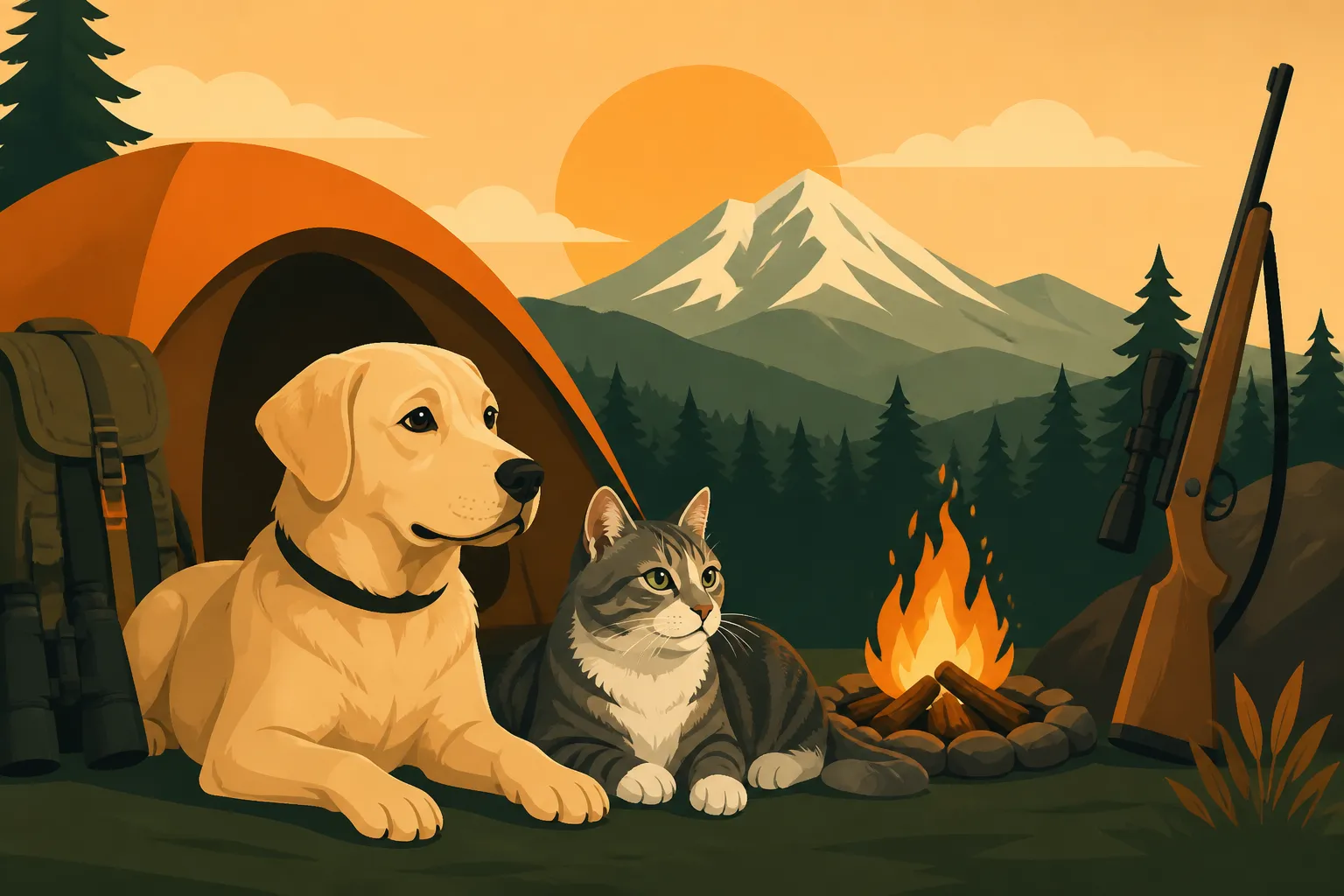
If comfort and amenities are high priorities, consider a front-country camp where you can park a trailer or RV, or even rent a small cabin. These locations often have better access to towns, which means more options for your companion during the day. Think of some of the more accessible areas bordering National Forests or BLM lands. A cozy base camp with a proper Wall Tent and Stove Camp Setup can make a huge difference in comfort levels and provide a warm, dry retreat.
Backcountry or Primitive Camps
These are generally not ideal for non-hunting companions, unless they are exceptionally self-reliant and comfortable with true solitude and primitive conditions. If you're Horse and Llama Packing Into Oregon Backcountry for an extended period, the companion needs to be as prepared and physically capable as the hunter, and have a clear role or plan for their time.
Guided Hunts
A guided hunt can sometimes offer a better experience for non-hunters, especially if the outfitter provides a comfortable lodge or specific activities for companions. Many reputable outfitters understand this dynamic and may even offer packages. This is where researching outfitters through platforms like BookYourHunt can be beneficial, as you might find guides who specifically mention "non-hunter rates" or "family-friendly accommodations" in their descriptions. They often have staff that can help with meals and camp upkeep, freeing up your companion from those chores. You might also find outfitters familiar with What an Oregon Guided Hunt Package Includes which detail companion options.
Here's a quick look at how different camp types stack up:
| Camp Type | Hunter's Focus (Primary) | Companion's Experience (Potential) | Pros for Companion | Cons for Companion |
|---|---|---|---|---|
| Car Camp/RV | Accessible hunting | Comfort, convenience | Easy access to amenities, towns, comfort | Still alone during hunt hours, potential boredom |
| Wall Tent/Base Camp | Semi-remote hunting | Rustic comfort, nature immersion | Shared meals, campfires, more nature, good shelter | More isolated, fewer amenities, more camp chores |
| Backpack/Spike Camp | Deep wilderness hunting | Extreme solitude, primitive | Absolute wilderness experience (if desired) | Very isolated, no amenities, high discomfort, risky |
| Guided Lodge/Outfitted | Success, logistics handled | Comfort, services, structure | Meals provided, comfortable lodging, potential activities | Less personal, structured schedule, cost |
Packing Considerations Beyond Hunting Gear
Your companion's packing list will look very different from yours. Don't just hand them a list of hunting essentials.
- Warm, dry clothing: Oregon weather is unpredictable. They need layers, waterproof outerwear, and suitable footwear, even if just staying in camp. Think about Rain Gear That Actually Stays Dry for Western Oregon or serious cold-weather gear for Eastern Oregon in late seasons.
- Entertainment: Books, e-readers, sketchpads, binoculars for bird watching, camera gear, journals, puzzles, portable games. Anything to occupy long stretches of time.
- Comfort items: A good camp chair, a comfortable sleeping pad, a favorite mug, good coffee or tea supplies.
- Personal care: They might appreciate toiletries beyond what you'd consider "camp basic."
- Emergency kit: A small, personal first aid kit, any necessary medications, a headlamp, and a signaling device. This overlaps with a hunter's First Aid Kit Items for a Remote Hunt, but they need their own accessible version.
- Snacks and drinks: Things they enjoy that might not be on the general camp menu. Consider Camp Food and Dietary Requests if you're planning communal meals.
Remember, a happy companion is a comfortable companion. Their gear list should prioritize personal enjoyment and safety during your absence.
Activities for the Non-Hunting Companion
Boredom is the enemy of a successful trip with a non-hunter. Having a plan for their daylight hours is crucial.
Exploring the Local Area
Before the trip, research what's around your hunting unit.
- Hiking trails: Many National Forests and State Parks have well-marked trails suitable for casual walks.
- Scenic drives: Oregon boasts incredible scenic byways. A drive through a local area can be a beautiful way to spend a day.
- Small towns: Does a quaint town with a coffee shop, antique store, or local museum exist nearby? A short excursion can break up the day.
- Wildlife viewing: Even if not hunting, many areas are fantastic for observing other wildlife like birds, squirrels, or even non-game deer. A good pair of binoculars can make this enjoyable.
Encourage them to explore safely. Provide maps, show them boundaries, and ensure they know how to contact you or camp in an emergency. Reading a Travel Management Area Map Before You Drive might be useful for them to understand where they can legally and safely drive or walk.
Camp Life and Personal Pursuits
For many, camp is part of the experience.
- Photography: Oregon offers endless photographic opportunities, from sweeping landscapes to intricate details of flora and fauna.
- Reading and writing: A quiet camp is an ideal place to get lost in a book or work on a personal project.
- Art and crafts: Sketching, painting, or knitting can be perfect camp activities.
- Cooking: If they enjoy it, they might take pride in preparing a hot meal for your return.
- Camp chores (optional): Some companions might enjoy helping with firewood, setting up solar chargers, or organizing camp supplies. This needs to be genuinely optional, not an expectation.
Ensure they have a comfortable and safe space within the camp to pursue these interests. For example, a dry, well-lit corner in a wall tent can become a temporary art studio or reading nook.
Joining in Non-Hunting Aspects of the Trip
Some parts of the hunting experience can be shared without actually hunting.
- Scouting: Before or after your hunt, they might enjoy a drive or hike to new areas, helping you look for sign or simply enjoying the scenery.
- Campfires: Evening campfires are often the highlight of any trip. Sharing stories, cooking s'mores, and star-gazing are universal pleasures. Just be mindful of Hunting Camp Fire Restrictions in Dry Years in Oregon.
- Sharing meals: The communal aspect of preparing and eating meals together can be a wonderful bonding experience.
- Driving to hunting spots: They might enjoy being driven to a trailhead, even if they stay in the truck reading while you hike in.
These shared moments are critical for preventing them from feeling completely excluded from the trip's purpose.
Camp Logistics and Practical Considerations
Making a non-hunting companion comfortable requires thoughtful attention to detail, especially regarding safety and sustenance.
Food, Water, and Amenities
Beyond the basic camp food, consider your companion's preferences.
- Meal planning: Involve them in meal planning. Do they have dietary restrictions or favorite snacks? Having food they enjoy is a huge morale booster.
- Water access: Ensure easy access to potable water, whether it's filtered, boiled, or brought in. Don't assume they'll hike to a distant water source.
- Bathroom facilities: Discuss the plan for latrines or outhouses. For many, this is a major comfort factor. A private pop-up shelter for a portable toilet can make a world of difference.
- Power: If they have electronics, how will they charge them? Portable power banks or a small solar setup can be invaluable. This can be particularly true if you're out for multiple days and need to keep headlamps, phones, or e-readers charged.
Think about how you manage Coolers, Ice and the Drive Home From Eastern Oregon for your game meat, and apply a similar level of planning for the companion's food and drinks.
Safety and Emergency Preparedness
Your companion's safety is paramount, especially when they are alone in camp or exploring on their own.
- Communication plan: Establish a clear communication protocol. When will you check in? What if there's no cell service? Consider a satellite messenger or two-way radios, and teach them how to use it.
- Emergency contacts: Ensure they have a list of emergency contacts, including yours and local services.
- Wildlife awareness: Educate them on local wildlife, especially bears and cougars. Discuss food storage, making noise while hiking, and what to do in an encounter. Oregon does have both Oregon Black Bear Population Estimate and Oregon Cougar Population Estimates, so awareness is key.
- First aid: Make sure they know where the primary first aid kit is and how to use basic items.
- Navigation: Provide them with a physical map of the immediate area and teach them basic navigation if they plan to walk away from camp.
Always leave a detailed trip plan with someone back home, indicating your location and expected return, and ensure your companion knows this information too. Leaving a Trip Plan With Someone at Home is critical for everyone's safety.
Addressing Potential Challenges and Keeping the Peace
Even with the best planning, challenges can arise. Being proactive and empathetic can help smooth things over.
Managing Expectations vs. Reality
Reality rarely matches perfectly with expectations.
- Boredom: Despite planning, your companion might get bored. Validate their feelings. Suggest a new activity or offer to spend an hour together before you head out again.
- Discomfort: If conditions are tougher than expected (cold, rain, bugs), acknowledge their discomfort. Brainstorm solutions together, like an extra blanket or moving the fire closer to the tent.
- Loneliness: Being alone for long stretches can be tough. Make sure your returns to camp are moments of connection. Ask about their day, listen, and share a meal.
It's important to remember they're doing you a favor by coming along, so their comfort and happiness should be a priority within the constraints of the hunt.
Respecting Boundaries and Hunter's Focus
While you want to be a good host, you also need to respect your own need to focus on the hunt.
- Your hunting schedule: Don't let guilt over leaving your companion disrupt your hunting strategy. Stick to your plan for early mornings and long days.
- Quiet time: Explain that there might be times you need quiet in camp, especially during prime hunting hours or when preparing for the next day.
- Post-hunt processing: If you're fortunate enough to harvest an animal, field dressing, quartering, and packing out are physically demanding and time-sensitive tasks. Prepare your companion for this intense period and their potential role, if any. Having a clear plan for Field Dressing an Elk in Warm Early-Season Weather or Quartering and Packing an Elk Alone will reduce stress on everyone.
If you decide to use a booking platform for a guided hunt, you can even filter options to find guides that explicitly cater to non-hunting companions, or those with more amenities. GoHunt, while primarily focused on drawing odds and strategy for self-guided hunters, does offer tools for e-scouting that can help identify areas with amenities or points of interest for non-hunters near your chosen unit, contributing to a more well-rounded trip plan.
Debriefing After the Trip
A post-trip debrief is invaluable for future adventures.
- What worked well? Discuss the highlights from both perspectives.
- What could have been better? Honestly assess areas for improvement. Was the camp too cold? Were there enough activities?
- Would they do it again? The most important question. If not, understand why. If yes, what would they change?
This open conversation ensures that if you decide to share your hunting camp again, you're building on lessons learned and improving the experience for everyone involved. Sharing your passion is a gift, but it requires careful planning and empathy to ensure it's truly enjoyed by all.
Disclaimer
This article is for general informational purposes only and does not constitute professional advice. Laws, prices and regulations vary by location and change over time. Consult a qualified professional for guidance on your specific situation.