Working With a Packer Instead of a Guide
For many Oregon hunters, the dream of a deep backcountry hunt, far from roads and crowds, is incredibly appealing. But the reality of packing out a large animal like an elk, especially solo or with a small group, can quickly turn that dream into a logistical nightmare, making a truly remote hunt seem out of reach. This guide delves into the practicalities of working with a professional packer, offering a detailed look at how these unsung heroes can make your wilderness hunting aspirations a reality without requiring a full guided experience.
Understanding the Role of a Packer in Oregon Backcountry
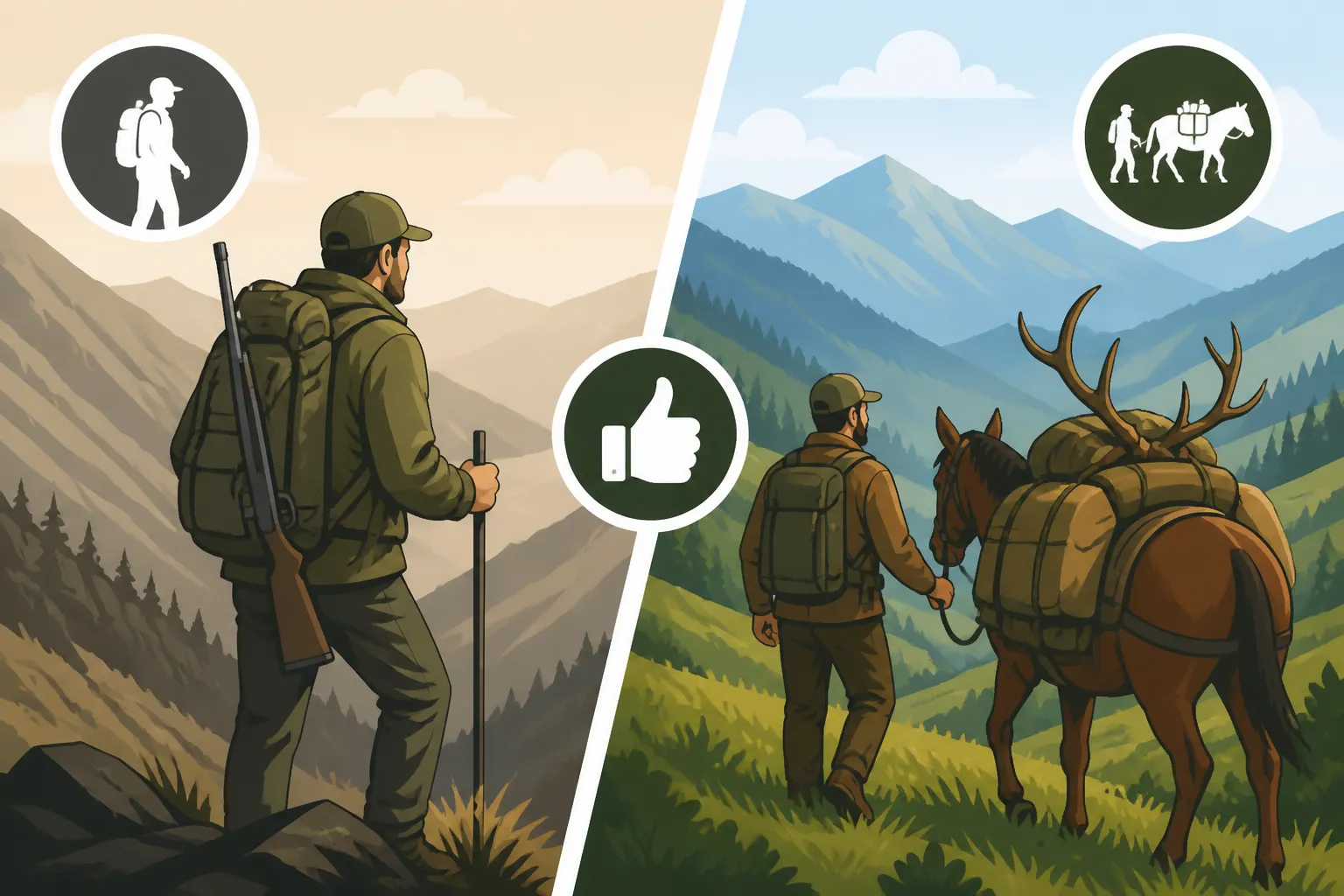
When you envision a hunting trip into Oregon's vast wilderness areas, the image often includes horses or llamas laden with gear, moving silently through the timber. That's the essence of what a packer provides: the invaluable service of transporting your equipment and, hopefully, your harvested animal, to and from remote locations. They are the logistical backbone for many do-it-yourself (DIY) hunters who want to access country miles from the nearest road.
What Exactly Does a Packer Do?
A packer's primary role is freight transportation using pack animals, typically horses, mules, or llamas. This isn't just about moving heavy loads; it's about navigating difficult terrain, ensuring the safety and well-being of the animals, and expertly securing complex loads. They often know the trail systems, water sources, and common game trails in their operating areas intimately, which can be an added bonus.
Imagine you're planning a week-long elk hunt deep in the Eagle Cap Wilderness. You need a wall tent, a stove, a week's worth of food, sleeping bags, extra clothing, and all your hunting gear. Trying to backpack all of that in on your back would be a Herculean effort, likely leaving you exhausted before the hunt even begins. A packer can haul this entire camp in, establish it for you, and then return at a predetermined date to pack out your camp and, if you're successful, your hard-earned elk meat and antlers. They handle the heavy lifting, literally, allowing you to focus your energy on hunting. This includes everything from initial gear transport to base camp, resupply trips if you're out for an extended period, and most critically, packing out your game. They are masters of their animals and the trails, ensuring your precious cargo arrives safely.
When a Packer is the Right Choice Over a Full Guide Service
Deciding between a full guide service and simply hiring a packer often comes down to two main factors: your hunting style and your budget. A full guide service means someone is actively hunting with you, providing expertise on finding game, tracking, calling, and making strategic decisions throughout the hunt. This can be fantastic for hunters new to an area, those seeking a very high-odds experience, or individuals who prefer not to manage the hunting strategy themselves.
However, many experienced hunters prefer the challenge and satisfaction of a true DIY hunt. They enjoy the scouting, the strategizing, and the independence of locating and pursuing game on their own terms. For these hunters, a packer is an ideal solution. You retain full control over your hunt, choosing where to go, how to hunt, and when to hunt. The packer simply provides the necessary muscle to get your gear and game where it needs to be. It's about maintaining your autonomy while still leveraging professional help for the physically demanding logistics of a backcountry trip. This approach is significantly more cost-effective than a fully guided hunt, making remote wilderness access attainable for many more hunters. If you've been doing your E-Scouting Oregon Units With Satellite Imagery and have a solid plan, a packer can simply extend your reach.
The Difference Between a Packer and a Guide
While there can be some overlap in services, the distinction between a packer and a guide in Oregon is quite clear, both legally and practically. An Oregon hunting guide is someone who, for compensation, instructs, assists, or accompanies another person in the taking of game. They are involved in the active pursuit of animals. This requires specific licensing and insurance through the Oregon Marine Board. Guides typically provide hunting expertise, sometimes even supplying the tags themselves in certain nonresident scenarios, and are intimately involved in the hunt's success.
A packer, on the other hand, is primarily a transportation specialist. While they might offer advice or local knowledge if asked, their contracted service is about moving gear and game. They are not typically involved in the strategic aspects of the hunt itself. You hire them to get your stuff in and out, not to show you where the elk are bedding or how to call a bull. They handle the horses, mules, or llamas, the packing saddles, and the intricate art of securing loads that can withstand miles of rugged trail. This specialization means they often have deep expertise in animal care and backcountry logistics, but not necessarily in hunting tactics or game behavior. They make sure you can get your Multi-Day Camps in Oregon's Roadless Country set up and taken down efficiently.
Finding and Vetting a Packer Service in Oregon
Finding a reliable packer can feel a bit like searching for a hidden gem, especially if you're new to the world of backcountry hunting. But with a bit of due diligence, you can connect with experienced professionals who will be a huge asset to your hunt.
Where to Look for Reputable Packers
The first place to start your search is usually online. Many reputable outfitters and guides in Oregon offer packer-only services as a separate offering. Websites like BookYourHunt and GoHunt often list services that include packing, even if their main focus is full guided hunts. You can filter for pack services or inquire directly with outfitters listed in the units you plan to hunt. These platforms can be a great starting point for finding contact information and getting an initial feel for available services.
Beyond dedicated hunting platforms, a simple web search for "Oregon pack services," "wilderness packers Oregon," or "horse packing Eastern Oregon" can yield results. Look for outfitters who primarily focus on areas known for extensive wilderness, like the Wallowas, Eagle Cap Wilderness, or parts of the Blue Mountains. Word-of-mouth is also incredibly powerful in the hunting community. Ask fellow hunters on forums, at local sporting goods stores, or at hunting club meetings. Someone you know might have a great recommendation based on their own experiences. Additionally, attending hunting expos or sportsman's shows, even if out of state, can be a way to meet outfitters and packers face-to-face and gather information. Remember, a good packer will have strong references and be eager to share details about their operations.
Key Questions to Ask Before Hiring
Once you've identified a few potential packers, it's crucial to ask thorough questions to ensure they are the right fit for your trip and that you understand exactly what their service entails.
Here are some essential questions:
- Experience and Areas of Operation: How long have they been packing? What specific areas or wilderness units do they typically work in? Do they have experience in the particular terrain or unit you plan to hunt? Someone familiar with the steep, rocky trails of the Hells Canyon Wilderness might have different expertise than someone primarily working in the gentler slopes of the Ochoco National Forest.
- Availability and Booking Lead Times: Oregon's hunting seasons are short, and good packers book up quickly. Inquire about their availability for your desired hunt dates and how far in advance you typically need to book. For popular elk seasons, you might need to book a year or more out.
- Type and Number of Pack Animals: Do they use horses, mules, or llamas? What are the advantages of each for your specific trip? How many animals do they typically bring, and how does that affect load capacity? Knowing the capabilities of their stock will help you plan your gear more realistically.
- Load Limits and Weight Restrictions: This is critical. Packers will have strict weight limits per animal and for your total gear. Get these figures upfront. You'll need to know Pack Frame Load Weight for One Hunter for comparison to what their animals can handle. They'll also explain how to prepare your gear for packing, such as using durable duffel bags or specialized containers.
- Meeting Logistics: Where is the designated trailhead or meeting point? How will you communicate leading up to the trip and on the day of departure? Clear communication is paramount, especially when dealing with remote locations and potentially limited cell service.
- Insurance and Safety: Ask about their insurance coverage, especially for accidents involving their stock or your gear. Inquire about their safety protocols for both you and their animals while on the trail.
- Emergency Plans: What is their plan if there's an emergency, such as a severe injury to a person or animal, or unexpected severe weather?
- References: Always ask for references from past clients who used their packing services. A reputable packer will be happy to provide them. Actually calling these references is a vital step in vetting.
Understanding Packer Contracts and Fees
Just like any professional service, a packer should provide a clear contract outlining the scope of work, dates, costs, and terms. Don't be afraid to ask for a sample contract before committing. The contract should specify the exact services: pack-in only, pack-out only, full round trip, or a full drop camp service which includes setting up your camp.
Packer fees vary widely based on the length of the trip, the distance traveled, the number of pack animals required, and the specific services requested. Expect to pay a daily rate per animal or a flat rate for the entire trip. For specific costs, you'll need to contact individual services directly, as prices are dynamic, but this article on What a Packer Charges Per Trip can give you an idea of the structure.
Typical Cost Considerations for Packer Services:
| Service Type | Description | Pricing Structure (General Shape) |
|---|---|---|
| Basic Pack-In | Transporting hunter's gear from trailhead to agreed-upon camp location. | Per animal, per day, or flat rate. |
| Basic Pack-Out | Transporting harvested game and camp from camp to trailhead. | Per animal, per day, or flat rate. |
| Round Trip | Combined pack-in and pack-out of gear and/or game. | Often a discounted rate over two one-way trips. |
| Drop Camp | Packer sets up a complete camp (tent, stove, water) and returns for pickup. | Package rate, higher than basic. |
| Resupply | Mid-hunt trip to bring fresh supplies or pick up early game. | Additional fee, often daily rate. |
| Waiting Time | If you're delayed, additional charges may apply for the packer waiting. | Hourly or daily rate. |
Most packers will require a deposit to secure your booking, with the remaining balance due before or upon completion of the service. Clarify cancellation policies – what happens if you cancel, or if the packer needs to cancel due to unforeseen circumstances like severe weather or animal health issues. Always get everything in writing to avoid misunderstandings down the line.
Logistics of a Pack Trip: What to Expect
A successful pack trip relies on good communication and preparation from both sides. Understanding the practical logistics will help you ensure a smooth operation from trailhead to hunting camp and back.
Meeting Your Packer at the Trailhead
The rendezvous at the trailhead is where your hunting adventure truly begins. Your packer will specify the exact location and time, usually early in the morning. Punctuality is key. The packer has a schedule to keep, and animals need to be packed and on the trail efficiently. This is where the article Meeting Your Packer at the Trailhead offers detailed advice.
When you arrive, your gear should be organized and ready to load. The packer will likely have specific requirements for how items are bagged or boxed to ensure they can be securely tied onto the pack saddles. Loose items, dangling straps, or flimsy containers are a no-go. Imagine trying to secure a wobbly load of plastic grocery bags to a horse that's navigating a narrow, steep trail. It just won't work. The packer will oversee the loading, balancing the weight carefully across the pack animals to prevent rubs or injuries. They'll show you how they distribute everything, and why. This is also your last chance to grab anything you might need for the hike in, as your day pack will be the only gear you carry on your person.
Once the animals are packed, you'll either hike in with the packer, following the stock, or you'll be given directions to your camp location if the packer is just dropping off gear and returning. Always confirm this plan beforehand. If you're hiking in with the packer, pay attention to their pace and stick together, especially in unfamiliar territory.
Load Limits and Gear Preparation
This is perhaps the most critical logistical aspect: understanding and adhering to load limits. Pack animals are capable of carrying significant weight, but there are strict limits to prevent injury and ensure the animals' welfare. A general rule of thumb for mules and horses might be around 150-200 pounds per animal, properly balanced, on reasonable terrain. Llamas carry less, usually 60-80 pounds. However, these figures can vary depending on the terrain, the condition of the animals, and the packer's specific policies. Always confirm the exact limits with your packer.
Your responsibility is to prepare your gear to meet these limits and facilitate efficient packing. This often means:
- Durable Containers: Use robust duffel bags, dry bags, or plastic totes that can withstand rough handling and potential weather. Avoid cardboard boxes or flimsy bags.
- Even Weight Distribution: Try to pack your gear into similarly sized and weighted bags. For example, if you have two duffels, try to make them weigh roughly the same, as they'll likely be paired on one side of a pack animal.
- Essential Items for Personal Carry: Keep your hunting essentials (weapon, optics, water, snacks, emergency kit, first-aid) in your day pack. You'll need these readily accessible, and they won't be on the pack animals.
- Consider Weight of Game: If you're successful, remember that the harvested animal will take up a significant portion of the pack capacity. A large bull elk can easily require several pack animals just for the meat and antlers. Plan your initial gear weight accordingly, knowing you'll need space for the return trip. The article How Many Pack Trips a Bull Elk Takes provides good context for this.
- Certified Weed-Free Feed: If your packer uses supplemental feed for their stock in wilderness areas, ensure it's Certified Weed-Free Feed Requirements. This is often a Forest Service regulation to prevent the spread of invasive species.
Animal Care and Ethical Considerations
Working with a packer means respecting their animals and their expertise in animal husbandry. These animals are a vital part of the operation, and their well-being is paramount.
- Do Not Approach Without Permission: Never approach or try to pet a pack animal without the packer's explicit permission. They are working animals, trained for their job, and unfamiliar interactions can be dangerous.
- Keep Noise Down: Sudden loud noises or movements can spook animals, especially on the trail.
- Follow Packer's Instructions: The packer is the expert on their animals. Follow all instructions regarding how to behave around the stock, how to help, or when to simply stand clear.
- Leave No Trace: When packing out, ensure you leave your campsite cleaner than you found it. This includes packing out all trash, burying human waste properly, and minimizing your impact on the land. In wilderness areas, there are often Wilderness Group Size Rules in Oregon and other specific regulations to follow, which packers are generally well-versed in.
- Game Handling: If you harvest an animal, have it field-dressed and quartered as quickly and cleanly as possible. The packer will appreciate meat that is ready to load, ideally in game bags, which helps keep it clean and cooled. Understanding the Gutless Method on a Bull Elk can be a huge time-saver and make the packer's job much easier. The faster you can prepare the meat, the better for its quality and the quicker you can get it on ice. Remember, getting your Getting Meat Out Before It Spoils is crucial, and a packer is your best friend in this scenario.
Benefits and Challenges of Using a Packer
Deciding to use a packer is a significant step that offers a unique blend of independence and support. It's important to weigh both the advantages and potential hurdles to ensure it's the right choice for your hunting adventure.
The Freedom of a DIY Hunt with Support
The primary benefit of a packer service is the unparalleled freedom it grants to the DIY hunter. You get to call your own shots – literally. You choose your unit, your specific hunting strategy, and your schedule. There's no guide telling you where to go or what to do; the success and challenge are entirely your own. This independence is what draws many hunters to the backcountry.
However, unlike a pure self-supported backpacking hunt, you're not limited by what you can carry on your back. This means you can bring more comfortable camp amenities like a wall tent, a cot, a robust cooking setup, and plenty of warm gear. This comfort can significantly enhance a multi-day wilderness hunt, making it more enjoyable and allowing you to hunt harder and longer. Imagine having a hot meal and a warm, dry tent to return to after a long day of still-hunting for blacktails in wet coastal brush or glassing sage and juniper for eastern Oregon mule deer. The packer handles the brutal logistics of heavy lifting, allowing you to conserve your energy for the hunt itself. This fusion of independence with logistical support is truly the best of both worlds for many seasoned hunters looking for a deeper wilderness experience without the full cost or prescriptive nature of a guided hunt.
Navigating Unforeseen Circumstances
While planning is essential, the backcountry is inherently unpredictable. Weather can change drastically, trails can become impassable, or you might find yourself in an unexpected situation. This is where the challenges of relying solely on a packer can emerge. Unlike a guide who is with you 24/7, a packer typically operates on a set schedule: drop-off and then pick-up at a specific date.
If you fill your tag early, you'll need a pre-arranged plan with your packer for an early pick-up, which might incur additional costs or simply not be possible if they're on another job. Conversely, if you're delayed due to unforeseen circumstances, like a breakdown in your vehicle on the way to the trailhead or an injury that prevents you from reaching the agreed-upon pick-up point, communicating with your packer can be difficult in areas without cell service.
It's vital to have a robust communication plan, perhaps including a satellite messenger or a two-way radio if allowed and practical, for emergency contact. Always leave a detailed trip plan with someone at home, including your packer's contact information and your planned rendezvous points and dates. Discuss potential contingencies with your packer beforehand – what if you need an emergency extract? What if bad weather makes the pick-up trail impassable on the scheduled day? A good packer will have contingency plans in place and be able to discuss them openly. Planning for these "what ifs" is crucial for a safe and successful wilderness experience.
Cost-Effectiveness Compared to Guided Hunts
One of the most compelling reasons to choose a packer over a full guide service is the significant cost difference. A fully guided hunt in Oregon, especially for elk or mule deer, can be a substantial financial investment, often ranging significantly depending on the species, duration, and level of luxury. These costs cover not only the guide's expertise but also their time, equipment, food, lodging, and logistical support throughout the entire hunt.
A packer service, by contrast, focuses primarily on transportation. While not inexpensive, it is a fraction of the cost of a fully guided hunt. You're paying for the use of their pack animals, their expertise in handling stock and navigating trails, and their physical effort in getting your gear and game in and out. You supply your own food, your own tent (unless it's a drop camp), and your own hunting strategy. This makes deep wilderness hunting accessible to a broader range of hunters who might not have the budget for a guided trip but still desire to experience remote, roadless country. It's a way to significantly extend your reach and comfort level for a DIY hunt without breaking the bank, offering an excellent value proposition for the services rendered.
Disclaimer
This article is for general informational purposes only and does not constitute professional advice. Laws, prices and regulations vary by location and change over time. Consult a qualified professional for guidance on your specific situation.