Bobcat Range and Harvest
For many hunters in Oregon, the thought of pursuing bobcats conjures images of an incredibly secretive and elusive animal, often glimpsed only as a fleeting shadow. It's truly frustrating when you're out in prime habitat, searching for signs, and feel like you're chasing ghosts, wondering where these cunning predators actually live and how on earth anyone manages to harvest one. This guide is here to unravel the mysteries of bobcat range and harvest opportunities across Oregon, offering a realistic look at where these fascinating felines live and what it takes to find success.
Understanding Oregon's Elusive Bobcats and Their Habitat
Bobcats are a remarkable part of Oregon's ecosystem, perfectly adapted to a variety of environments, yet they remain largely unseen by most people. Their solitary and nocturnal nature makes them incredibly challenging to find, but understanding their habitat preferences is the first step toward figuring out where to even begin looking.
Where Bobcats Roam Across the State
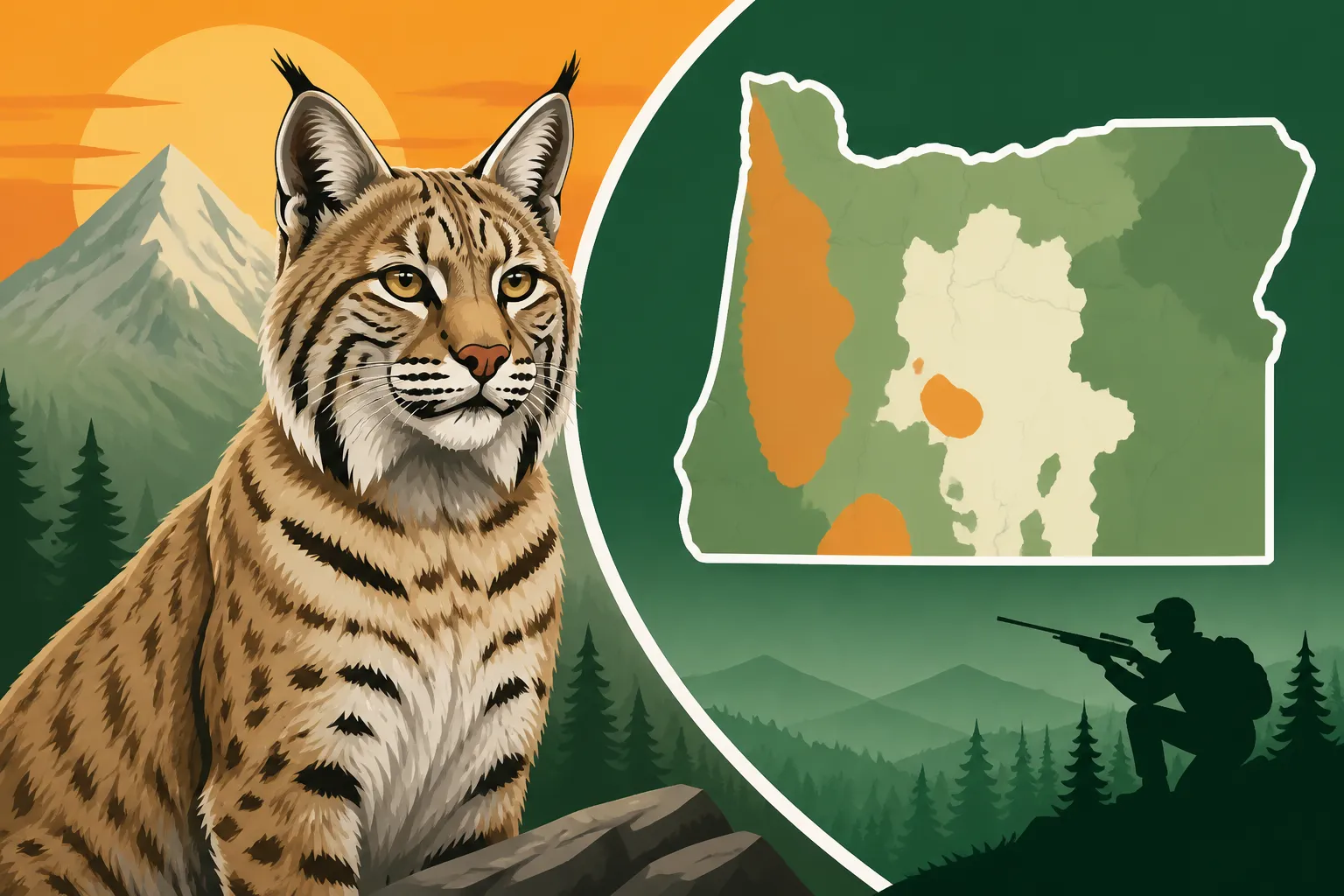
You might be surprised to learn just how widespread bobcats are in Oregon. They aren't confined to one specific corner; rather, they inhabit almost every corner of the state where suitable cover and prey exist. From the dense, wet forests of the Coast Range to the vast, arid sagebrush deserts of Eastern Oregon, and even into the foothills surrounding major population centers, bobcats have found a way to thrive. Their adaptability is truly impressive, allowing them to carve out a living in places as diverse as high-elevation timber and low-lying agricultural fields.
The key to their widespread distribution is their ability to utilize different types of cover for hunting, resting, and raising their young. While you might associate them with deep wilderness, they are surprisingly resilient and can often be found much closer to human activity than you'd expect, as long as there's enough natural cover and a consistent food source. Knowing this broad distribution helps narrow down your focus when you're looking at a map or scouting a new area; rather than ruling out entire regions, you can concentrate on finding the specific micro-habitats they favor within those regions.
Preferred Habitats and Terrain
While bobcats are widespread, they certainly have their favorite haunts. Think about areas that offer a mix of dense cover for ambush hunting and escape, rocky outcroppings for dens, and open areas for prey foraging. In Western Oregon, this often translates to younger clearcuts with regenerating brush, logging slash piles, riparian zones along rivers and creeks, and the edges of mature timber where deer and rabbits frequent. These areas provide both the concealment they need and the abundant small game that makes up the bulk of their diet.
Moving east, their preferences shift slightly to include more juniper woodlands, rimrock canyons, and extensive sagebrush flats with interspersed rock piles. These features provide similar benefits: dense pockets of cover, elevated vantage points, and shelter from the elements. Look for areas with a mosaic of these features, particularly where they converge with water sources, as these are often hotbeds of activity for all kinds of wildlife, including bobcats. Terrain that is difficult for humans to navigate, like steep, broken ground or thick, thorny brush, often provides excellent security for bobcats, which are remarkably agile.
Oregon's Bobcat Hunting Regulations and Seasons
Hunting bobcats in Oregon is a great opportunity for those who enjoy the challenge of predator hunting, but it's crucial to understand the regulations before you even think about heading out. These rules are in place to manage populations and ensure ethical harvest, and they can sometimes feel a bit complex if you're not used to predator seasons.
General Season Dates and Tag Requirements
Oregon typically offers a long general season for bobcats, often stretching from late fall through late winter or early spring. This extended season provides ample opportunity to pursue them, but the exact dates can shift, so always consult the most current Oregon Furbearer Regulations. Unlike deer or elk, where tags are limited by controlled hunts or specific units, bobcat tags are usually available over-the-counter and are relatively inexpensive. You'll need a valid hunting license, of course, and then purchase a furbearer tag specifically for bobcats.
It's important to understand that while the tag might be general, your hunting approach might need to adapt to different conditions throughout the season. Early season might mean less snow for tracking but more leaves on trees for cover, while late season could offer prime tracking snow but harsher weather. Always make sure your tag is properly validated and carried with you when you are in the field. This attention to detail is just as important for bobcats as it is for bigger game like elk or deer. For a deeper dive into how general seasons differ from controlled hunts, you might find Oregon General Season Versus Controlled Hunt Tags a helpful read.
Important Rules for Trapping and Calling
Oregon has specific rules for both trapping and hunting bobcats, and it's essential to know the differences and limitations, especially if you're considering trapping. While this guide focuses primarily on hunting, the regulations often intertwine. For hunters, the primary methods involve calling, often with electronic calls, and spot-and-stalk techniques. Unlike some states, Oregon has restrictions on certain types of electronic calls and how they can be used for predators, so be sure to check those specific details. Electronic Calls and What Oregon Allows provides general guidance that can be very applicable here.
Night hunting for furbearers, including bobcats, is also permitted under specific conditions in Oregon, but this comes with its own set of rules regarding lighting equipment and methods. Always verify the legalities for using artificial lights or thermal devices. If you're using bait, be aware that there are very strict regulations on what constitutes legal bait and how it can be used, if at all, for bobcats. Most bobcat hunting is done by calling, which relies on the animal's natural predatory instincts rather than bait. For those interested in the broader rules around predator hunting after dark, Night Hunting Rules for Predators in Oregon could offer valuable insights.
| Habitat Type | Preferred Features | Common Prey Species | Region Example |
|---|---|---|---|
| Dense Coniferous | Thick underbrush, logging slash, rock piles | Rabbits, hares, deer fawns | Coast Range, Western Cascades |
| Juniper Woodlands | Scattered juniper, broken topography, rimrock | Rabbits, ground squirrels, birds | Central/Eastern Oregon, Ochoco National Forest |
| Sagebrush Steppe | Tall sagebrush, rock outcrops, dry washes | Jackrabbits, rodents, ground birds | High Desert, Malheur National Forest |
| Riparian Zones | River/creek banks, dense shrubs, fallen timber | Small mammals, birds, beaver kits | Anywhere water meets varied cover across the state |
| Mixed Forest Edge | Transition zones between forest and open areas | Deer, rabbits, rodents, birds | Willamette Valley foothills, Umpqua National Forest |
Strategies for Successful Bobcat Harvest in Oregon
Hunting bobcats requires a blend of patience, stealth, and a deep understanding of their behavior. They are not always easy to find, let alone call into range, and many hunters experience the frustration of hours spent without a glimpse. With the right approach and some persistence, however, success is absolutely within reach.
Scouting for Bobcat Sign
Effective bobcat hunting begins long before you ever make your first call. Scouting is paramount, and it often involves looking for subtle clues that these secretive animals leave behind. Fresh tracks in mud, dust, or snow are always a dead giveaway, but you also want to look for scat, especially near common travel corridors or den sites. Unlike domestic cat scat, bobcat scat is often segmented and contains hair or bone fragments from their prey. Pay close attention to prominent features like ridgelines, canyon edges, and timber stringers that connect different habitat types. These act as natural travel routes.
Game trails that weave through thick brush, especially those showing signs of rabbit or deer activity, are also prime areas to investigate, as bobcats frequently use these to ambush prey. Rocky caves, overhangs, and dense brush piles can serve as daytime resting spots or den sites, so keep an eye out for these structures. Using trail cameras can be an invaluable tool for pinpointing activity, especially in areas you can't be in constantly. Scouting With Trail Cameras on Oregon Public Land offers excellent advice on placement and strategy that can easily be adapted for bobcats. Remember, bobcats are creatures of habit, and finding their preferred routes and resting areas is key. Just like a cougar hunter looks for fresh sign to confirm an animal is in the area, you'll want to do the same for bobcats. Finding Cougar Tracks Without Hounds gives a great overview of this type of forensic scouting.
Effective Calling Techniques for Bobcats
Calling is arguably the most popular and often most effective method for harvesting bobcats. These predators are highly attuned to sounds of distress from their prey, making various rabbit, bird, and rodent distress calls incredibly effective. The trick isn't just what call to use, but how and where you set up. You want to pick a location that offers good visibility downwind, as bobcats often circle to approach a call from that direction, using their keen sense of smell to verify the source. Ensure you have good cover to break up your silhouette.
Start with a low-volume call sequence, gradually increasing intensity if you don't get a response. Bobcats can be cautious, and too much volume right away can spook them. Varying your calls, mimicking a dying rabbit for a few minutes, then switching to a bird distress call, can sometimes pique their interest if they're hesitant. Patience is key; a typical calling sequence should last at least 20-30 minutes, as a bobcat might be a considerable distance away when it first hears the call and takes its time to investigate. Sometimes, just changing the rhythm or length of your calls can make all the difference. For more general calling tips that apply to other predators, check out Predator Calling for Coyotes in Eastern Oregon or even Cougar Calling Techniques That Work in Oregon. Many of the principles of predator calling are universal, even if the specific calls change.
Managing Expectations and Ethical Considerations
Hunting bobcats can be incredibly rewarding, but it's important to approach it with a realistic mindset. These animals are truly wild, and success is never guaranteed. Beyond the thrill of the chase, responsible hunting also includes adhering to ethical practices and properly handling your harvest.
Realistic Success Rates and Challenges
Let's be honest: bobcat hunting is tough. These animals are incredibly secretive, have small home ranges, and are masters of camouflage. Success rates are generally low, even for experienced predator callers. Don't go into a bobcat hunt expecting to come home with one every time. The challenge is a huge part of the appeal for many hunters, much like the difficulty of drawing a premier big game tag, which is discussed in Oregon Cougar Tag Rules and Quotas. Weather, terrain, time of year, and even lunar phases can all impact bobcat activity and your chances of success.
The real reward often comes from the experience itself: honing your scouting skills, perfecting your calling techniques, and spending time immersed in the wild places where these animals live. Every successful harvest is a testament to perseverance and skill, rather than a common occurrence. Think of it as a bonus to your regular hunting season, or a dedicated, challenging pursuit in its own right. It's truly a test of your woodsmanship.
Post-Harvest Requirements and Carcass Care
Once you are fortunate enough to harvest a bobcat, there are specific steps you need to follow. In Oregon, all furbearer harvests are generally subject to reporting requirements. This typically involves submitting information about your harvest to the state wildlife agency within a certain timeframe. Failing to report could result in penalties, so always double-check the current regulations. Proper care of the carcass is also important, especially if you plan to get the hide tanned or mounted. Bobcats have beautiful pelts, and good field care ensures the best possible outcome.
This usually means skinning the animal promptly, especially in warmer weather, and cooling the hide quickly. If you're interested in taxidermy, discuss the process with your taxidermist beforehand, as they might have specific requests for how the animal is prepared in the field. Remember, ethical hunting extends beyond the kill, encompassing respectful handling of the animal and adherence to all post-harvest regulations. These practices reflect well on all hunters and demonstrate a commitment to responsible wildlife management, a core principle in all hunting, from chasing bobcats to fulfilling your Oregon Hunter Education Requirements.
Disclaimer
This article is for general informational purposes only and does not constitute professional advice. Laws, prices and regulations vary by location and change over time. Consult a qualified professional for guidance on your specific situation.