When Oregon Bears Den and Emerge
There's a natural rhythm to the wilderness that every Oregon hunter and outdoor enthusiast eventually tunes into, and few rhythms are as vital (or as misunderstood) as those of our black bears. You might be out in the woods in late fall, wondering if you'll bump into a bear still gorging on berries, or in early spring, scanning green hillsides and wondering when those big boars will finally emerge. Knowing when Oregon's black bears typically enter and leave their dens isn't just a fascinating wildlife fact; it's crucial for everything from personal safety to planning your next hunting season or scouting trip. This guide aims to clear up the mystery, breaking down the factors that dictate these critical timings across our diverse state.
The Rhythmic Cycle of Oregon Black Bears: Denning and Emergence
Oregon's black bears are incredible creatures, masters of adaptation, and their annual cycle of denning and emergence is a testament to that. It’s a period of deep physiological change, allowing them to survive the lean months when food is scarce.
The Deep Sleep: When Bears Den Up
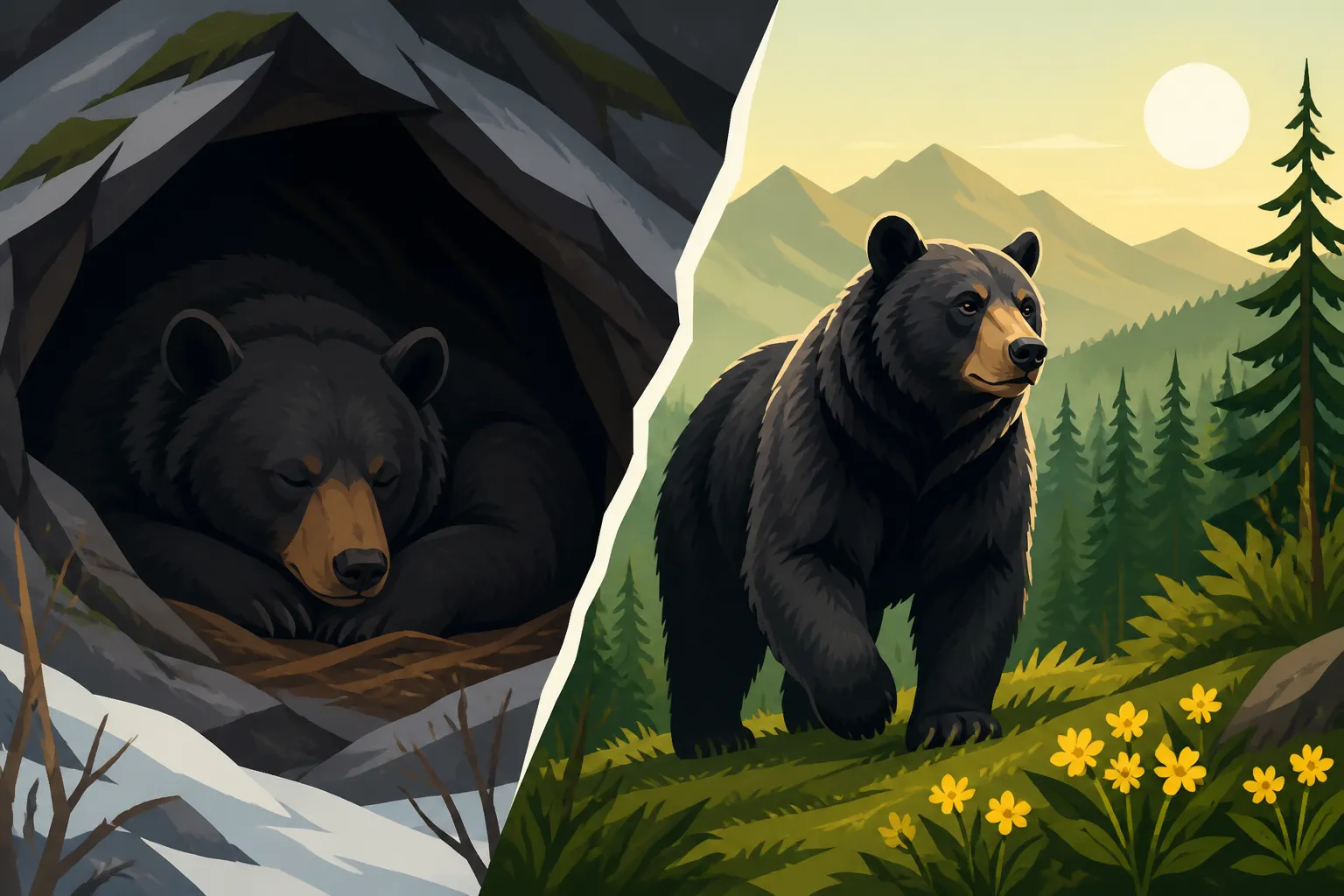
When we talk about bears "hibernating," it's a bit of a misnomer; what they truly undergo is a state called torpor. Unlike true hibernators whose body temperatures plummet to near freezing, a bear's body temperature only drops about 10-15 degrees, and they can be roused if disturbed. But don't let that fool you: it's still a period of profound inactivity.
Typically, Oregon black bears begin to seek out their dens in late fall, often transitioning into early winter. Think about late November, through December, and into January. This timing isn't a hard-and-fast rule, though. It's heavily influenced by how much food they've managed to pack away and, of course, the prevailing weather conditions. If we have a mild fall with plenty of acorns still dropping and berries still clinging to the bushes, bears might extend their active foraging much later. You might still see them moving about well into December in those conditions. Conversely, a sudden, brutal cold snap coupled with heavy, early snowfall can send them scrambling for their dens much faster.
Bears are resourceful den builders. They'll utilize whatever natural shelter is available: hollow logs, rock crevices, small caves, or even dig out an earthen den under a tangle of roots. Sometimes, it’s a simple bed in a dense thicket that offers enough overhead cover. Their preparation for denning is an epic eating spree called hyperphagia, where they consume vast amounts of calories to build up fat reserves, which is their energy source for the months ahead.
Waking Up: The Spring Emergence
Just as the sun starts to linger a little longer and the snow begins its slow retreat, Oregon's black bears begin to stir. The emergence from their dens typically happens in late winter to early spring, usually spanning from late February through May, depending heavily on the region and elevation.
The timing of emergence is a careful calculation by their internal clocks, again heavily influenced by external factors. Snowmelt is a big one; as the snow recedes, the first tender shoots of grass and forbs emerge, offering a much-needed green meal after months of fasting. If the spring is unusually cold and prolonged, bears might delay their emergence, conserving energy until better forage is available.
For sows, the timing of emergence is often tied to the welfare of their cubs. They typically give birth in the den in mid-winter, so they'll emerge with their vulnerable young in tow. These family groups often stay close to the den site for a week or two, allowing the cubs to acclimate and gain strength before venturing further afield. The first foods for emerging bears are critical – carrion from winter-killed deer or elk, along with those vital green-up plants. An early, warm spring means earlier green-up and potentially earlier emergence, leading to more active bears earlier in the season. On the flip side, a cold, late spring can mean bears emerge later, hungrier, and potentially more desperate for sustenance, which can sometimes lead to more conflicts near human settlements or simply greater competition for natural food sources, impacting early season hunting or hiking plans.
Key Factors Dictating Bear Activity Patterns
While we can talk about "typical" timings, bears are incredibly responsive to their environment. Several critical factors act as conductors in their annual symphony, dictating precisely when they'll pull the covers over their heads or stretch their legs for the first time in months.
Weather and Temperature's Heavy Hand
It might seem obvious, but the weather truly is the chief architect of denning and emergence schedules. Sustained cold snaps, deep snow accumulation, and plummeting temperatures are the primary triggers that tell a bear it’s time to find a cozy den. When the mercury drops and stays down, and a blanket of snow covers the ground, insulating food sources and making travel difficult, the physiological urge to den becomes undeniable.
Conversely, the gradual warming trends of late winter, coupled with significant snowmelt, are the signals for emergence. As the sun gains strength and temperatures consistently rise above freezing, the urge to leave the den and seek new forage grows. The variability of Oregon's climate means these patterns aren't static year to year. A series of mild, wet winters, which we've certainly seen in parts of Oregon, might mean bears have shorter denning periods, or even brief periods of activity if temperatures climb high enough for a few days. Imagine a bear in the Coast Range, typically experiencing a milder winter, compared to one enduring a harsh winter up in the Blue Mountains; their denning timelines will naturally diverge.
Food Availability: The Ultimate Driver
More than just comfort, it's calories that ultimately power a bear through its denning period. Therefore, the abundance or scarcity of food sources in the late summer and fall is an incredibly influential factor. Years with prolific berry crops—huckleberries, blackberries, salal—or heavy acorn and mast crop production in oak forests allow bears to engage in robust hyperphagia, packing on substantial fat reserves. The more weight they gain, the longer they can sustain their torpor, and thus, the longer they might delay denning, continuing to forage until the natural food sources are truly depleted or weather forces them in.
On the other hand, a year with poor food production due to drought or a late spring frost can mean bears struggle to put on enough weight. In these scenarios, they might den earlier out of necessity, or emerge earlier in the spring, driven by hunger. This can lead them to seek out alternative food sources, sometimes bringing them closer to human habitation. This is also where knowing your landscape really helps. You can utilize tools like GoHunt to scout areas with historical records of good mast production or early spring green-up zones, anticipating bear activity. Identifying these feeding areas is key to understanding Bear Diet Through the Oregon Seasons and predicting their movements. Any human-provided food sources like garbage bins, bird feeders, or pet food left outdoors can also disrupt natural denning patterns, keeping bears active longer and leading to potential conflicts, something we all want to avoid.
Biological Rhythms and Reproductive Status
Beyond environmental cues, a bear's own biology plays a significant role. Its internal clock, driven by hormones and genetics, dictates a broad seasonal framework for activity. However, within that framework, individual circumstances create variations.
One of the most significant biological influences is reproductive status. Pregnant sows typically den earlier than other bears. They need the security and warmth of a den to give birth, usually in January or February, to tiny, helpless cubs. They'll also often emerge later, ensuring their cubs are a bit more developed and the spring weather is more stable before venturing out. These family groups will often stay near the den for an extended period, moving only short distances as the cubs gain strength.
In contrast, boars (male bears) and non-breeding sows tend to have more flexible denning and emergence schedules. They might den later and emerge earlier, driven primarily by food availability and weather, without the added responsibility of newborn cubs. Younger, growing bears, much like non-breeding adults, will often try to maximize their caloric intake in the fall, which might lead to them delaying denning as long as possible. Understanding these nuances contributes to our broader knowledge of Oregon Black Bear Population Estimate and the factors affecting cub survival, which is vital for healthy bear populations.
Regional Nuances: Oregon's Diverse Bear Habitats
Oregon is a state of incredible ecological diversity, and what's true for a black bear in the misty Coast Range might be quite different for one living in the high desert plateaus of Eastern Oregon. These regional variations in climate, elevation, and food sources create distinct denning and emergence timelines.
Western Oregon's Coastal and Cascade Bears
Western Oregon, encompassing the lush Coast Range and the western slopes of the Cascades, presents a different set of environmental factors. This region experiences a milder, wetter climate with generally less severe winters and earlier spring green-up compared to the eastern half of the state.
As a result, bears in the Coast Range often exhibit a slightly later denning period, sometimes extending into early January if conditions are unseasonably warm and food sources like late-season berries or acorns are still abundant. Their emergence in the spring also tends to be earlier, often by late February or early March, as the snow melts quickly at lower elevations and the forest floor bursts with new growth. The abundant rainfall supports a rich understory of vegetation, providing consistent forage throughout the active months. Imagine a bear in the Siuslaw National Forest or the Trask Unit: they'll likely be active later into the year and emerge sooner than their cousins near the Wallowas. This milder climate and longer active season are key factors for those interested in Black Bear Populations Across Oregon.
Eastern Oregon's High Desert and Mountain Bears
Contrast that with Eastern Oregon, a vast landscape of high desert, sagebrush plains, and rugged mountain ranges like the Blues and Wallowas. Here, winters are typically much harsher, with prolonged periods of sub-freezing temperatures and significant snow accumulation that lingers well into spring. Summers, while hot, can also be drier, impacting food production.
For bears living in areas like the Blue Mountains or the Ochoco National Forest, denning generally occurs earlier in the fall, often by early to mid-November, sometimes even sooner if an early heavy snow blankets the higher elevations. The deeper snow cover and sustained cold make foraging impractical and survival more difficult outside a den. Their emergence in the spring is also typically later, often not until late April or even mid-May, waiting for the extensive snowpacks to recede and for the high-elevation green-up to begin. The food sources here also differ, with bears relying more on grasses, roots, and pine nuts in different seasons, as opposed to the abundant berries found in western Oregon. Understanding these variations is especially helpful if you're scouting specific Eastern Oregon units, like the Starkey Unit or Ukiah, where these patterns are distinctly observed.
Adaptations and Activity Windows for Hunters
These regional differences aren't just academic curiosities; they have very real implications for anyone venturing into bear country, especially hunters. The varying denning and emergence patterns create distinct activity windows across the state, which directly influence Spring Bear Hunting Timing by Elevation and success rates for Bear Hunting in Oregon Without Bait or Hounds.
For example, spring bear seasons in the milder, western parts of Oregon might open earlier to coincide with the bears' earlier emergence. Conversely, fall bear seasons in the colder, eastern regions might see bears beginning to slow down and seek dens earlier, impacting late-season hunting opportunities. This means that a hunter glassing a south-facing slope in the Rogue Unit in April might find active bears, while a hunter in the Wenaha-Tucannon Wilderness might need to wait until May for consistent activity.
The ability of bears to adapt to these regional climatic differences is truly remarkable. Hunters need to stay updated on local conditions and leverage resources like GoHunt, which can help visualize green-up patterns via satellite imagery, indicating where bears are likely to emerge earliest.
| Region | Typical Denning Period | Typical Emergence Period | Key Influences |
|---|---|---|---|
| Coast Range | Late Nov – Early Jan | Late Feb – Early Apr | Milder climate, consistent forage |
| Western Cascades | Mid Nov – Mid Dec | Early Mar – Late Apr | Moderate climate, elevation plays a role |
| Eastern Oregon | Early Nov – Early Dec | Late Apr – Mid May | Harsher winters, deeper snow, later green-up |
Practical Implications for Outdoor Enthusiasts and Hunters
Understanding when Oregon bears den and emerge isn't just about satisfying curiosity; it's about making informed decisions for your outdoor pursuits. These cycles directly influence how you plan a hunt, scout an area, and even how you ensure your safety in bear country.
Planning Your Hunts and Scouting Trips
For hunters, pinpointing these activity windows is absolutely critical. For example, during the spring bear season, knowing when bears are emerging means you'll focus your efforts on those early-season areas where green-up first appears. This often means concentrating on south-facing slopes at lower elevations that catch the most sun and shed snow earliest. This is precisely when and where you'll have the best chance of Spotting Bears on Green-Up Slopes. As spring progresses, bears will follow the green-up to higher elevations.
Similarly, in the fall, understanding the denning drive helps you strategize. Bears are intensely focused on consuming calories before denning, which makes areas with abundant mast crops (acorns, pine nuts) or berry patches prime hunting grounds. You can use mapping applications like GoHunt to identify these areas and overlay them with public land boundaries for effective scouting. Trail cameras, when placed strategically in these anticipated feeding corridors, can provide invaluable intelligence. Aligning your Trail Camera Placement on Public Land with these expected denning and emergence phases will significantly increase your scouting efficiency.
Safety Considerations in Bear Country
Whether you're hunting, hiking, or just enjoying Oregon's vast backcountry, understanding bear activity is paramount for your safety. Bears emerging from their dens in the spring are often incredibly hungry after months of fasting. While they're generally not looking for trouble, a hungry bear can be unpredictable. Furthermore, sows with new cubs are extremely protective, and encountering them during this period requires extra caution.
Always practice proper bear country etiquette: make noise when hiking, especially in dense cover, carry bear spray and know how to use it, and secure all food and scented items. This means hanging food from trees or using bear-resistant containers when camping. In late fall, as bears are preparing to den, be particularly mindful of potential denning sites—hollow logs, rock crevices—as disturbing a bear that's ready to bed down for winter can be dangerous. Knowing about Hunting Camp Fire Restrictions in Dry Years might not directly impact bear activity, but it's a reminder of human responsibility in the backcountry and how our presence can impact wildlife.
Conservation and Management Perspectives
The state's wildlife managers rely heavily on understanding bear denning and emergence cycles to set hunting seasons and quotas. This data helps them ensure sustainable populations while providing hunting opportunities. For instance, knowing the typical emergence timing helps set the start dates for spring bear seasons, aiming to overlap with peak bear activity without undue stress on reproducing sows.
Mandatory harvest reporting, which includes critical data on when and where bears are taken, provides valuable insights into the health and distribution of Oregon's bear populations. Non-compliance, which can result in the Oregon Mandatory Harvest Reporting and the $25 Penalty, impacts the quality of this data. This information indirectly reflects denning and emergence patterns, helping biologists track population trends and assess how environmental changes (like shifts in climate or food availability) are affecting the bears' annual cycle. By understanding these rhythms, we contribute not only to our personal success in the field but also to the broader conservation efforts that ensure healthy Black Bear Populations Across Oregon for generations to come.
Disclaimer
This article is for general informational purposes only and does not constitute professional advice. Laws, prices and regulations vary by location and change over time. Consult a qualified professional for guidance on your specific situation.