Rain Gear That Actually Stays Dry
There’s almost nothing worse than being out in the Oregon woods, miles from the truck, with rain gear that decides to give up the ghost. That bone-chilling dampness seeping through to your base layers can quickly turn a promising hunt into a miserable survival challenge. This guide is dedicated to every hunter who’s ever felt that despair, providing an in-depth look at what makes rain gear truly effective in Oregon’s often relentless weather, so you can stay dry and focused on the hunt.
The Frustration of Wet Hunts and Why Most Rain Gear Fails
We’ve all been there: a forecast promises light showers, and you grab your trusty "waterproof" jacket, only to find yourself soaked to the skin by noon. The reality of hunting in Oregon means confronting weather that laughs in the face of lesser gear. It’s not just a matter of discomfort; being wet can lead to hypothermia, reduce your scent discipline, and absolutely tank your morale, making you want to pack up and head home long before you’ve had a real chance at success.
Oregon's Unique Wet Weather Challenges
Oregon isn't just "wet"; it's a spectrum of wet, each demanding its own kind of resilience from your gear. On the west side, especially in the Coast Range and parts of the Cascades, you're looking at persistent, soaking drizzles that can last for days, interspersed with heavy downpours. This isn't your average summer sprinkle. We're talking about conditions where thick, wet brush — salal, sword fern, and devil's club — constantly rubs against your clothing, pushing water through any weakness. When you're Calling Roosevelt Elk in Oregon Rainforest Timber, or still-hunting through dense undergrowth, that constant friction is a huge test.
Then there's the internal moisture. You're climbing steep terrain, maybe packing a rifle for Oregon Elk Hunting Tactics for the November Rifle Seasons, or an archery setup. Even in cold rain, your body generates significant heat and sweat. If your rain gear can't breathe effectively, that sweat condenses on the inside, leaving you feeling just as wet as if the rain had soaked through. It’s a double-whammy: external moisture trying to get in, and internal moisture trapped trying to get out. The elevation changes in areas like the Blue Mountains or the Siskiyous only exacerbate this, forcing strenuous climbs followed by chilly descents.
Common Misconceptions About "Waterproof" Gear
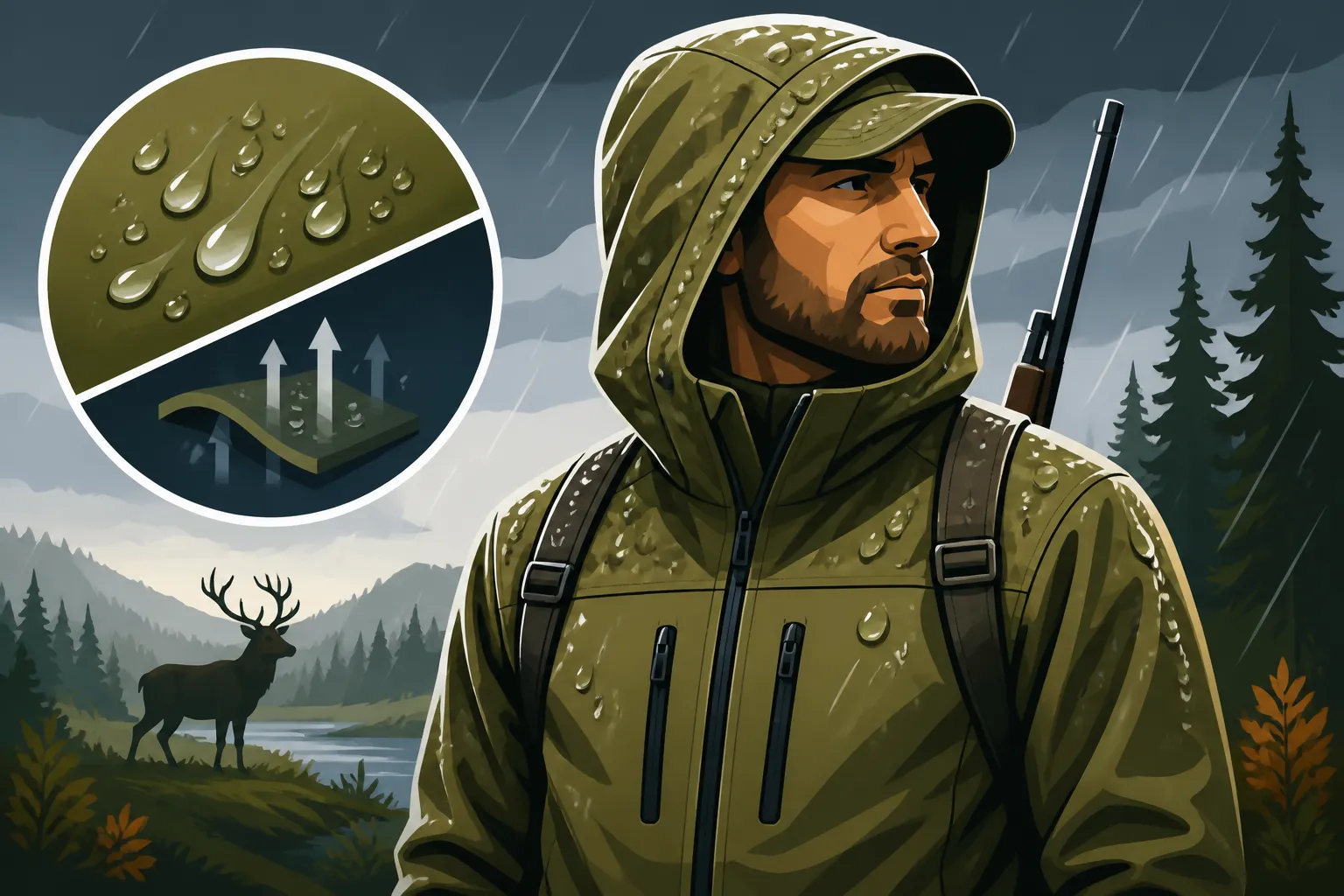
The biggest lie in outdoor gear is often the word "waterproof." Many cheaper jackets and pants are merely "water-resistant." They might shed a light drizzle for an hour or two, but put them to the test against a full Oregon downpour, especially with the constant abrasion of hunting, and they'll fail spectacularly. The DWR (Durable Water Repellent) coating on the outside is the first line of defense, causing water to bead up and roll off. But if that coating wears off or gets contaminated with dirt and oils, the fabric "wets out," meaning it absorbs water, and then relies solely on the internal membrane to keep you dry. This often reduces breathability, turning your jacket into a sweat lodge.
Another common failure point is construction. Many budget rain gear items have poorly taped seams, or worse, untaped seams. Every stitch hole is a potential entry point for water. Zippers, too, are notorious leak zones if they aren't properly waterproofed or protected by storm flaps. A quick glance at a jacket might suggest it's robust, but without these critical details, it's just a matter of time before the Oregon rain finds its way in. It’s the difference between gear designed for a dog walk and gear designed for a multi-day hunt where your comfort, and sometimes even your safety, depends on staying dry.
Key Features of Truly Dry Rain Gear for Oregon Hunters
When you’re investing in rain gear for serious Oregon hunting, you need to look beyond marketing buzzwords. It’s about understanding the technology and the meticulous construction that makes a real difference in keeping you dry. This isn't just any rain; it's the kind that can make or break your hunt, so your gear needs to be up to the task.
The Fabric Technologies That Deliver
At the heart of truly effective rain gear are advanced waterproof-breathable membranes. These are thin layers, often laminated to the outer fabric, that have billions of microscopic pores. These pores are too small for liquid water droplets to pass through, but large enough for water vapor (sweat) to escape. Think of them as a one-way street for moisture.
The gold standard in this category is often Gore-Tex. It's a widely recognized name for a reason, offering excellent waterproofness and breathability. Companies like Sitka Gear often integrate Gore-Tex into their high-end hunting lines, providing confidence in harsh conditions. Other top-tier membranes include eVent, known for its slightly higher breathability, and Pertex Shield, which balances performance with a lighter weight. Some brands also develop their own proprietary membranes, like Kuiu's Toray Dermizax, which can be highly effective. The key is to look for reputable brands that specify the membrane technology used.
Beyond the membrane, the Durable Water Repellent (DWR) coating applied to the exterior fabric is crucial. This is what causes water to bead up on the surface. While the membrane handles the bulk of the waterproofing, a functioning DWR prevents the outer fabric from soaking up water, which would otherwise reduce breathability and make the garment feel heavy and cold. It’s a critical first line of defense, though it does require periodic reapplication, which we’ll discuss later. When planning your trips, resources like GoHunt can help you research specific gear features and reviews relevant to the conditions in the unit you're targeting.
Construction Details That Matter Most
Even the best membrane can be compromised by poor construction. Here are the non-negotiable details for reliable rain gear:
- Fully Taped Seams: This is perhaps the most critical feature after the membrane itself. Every stitch made during construction creates tiny holes in the fabric. To prevent water ingress, all seams must be sealed with a waterproof tape on the inside. Look for "fully taped seams" – anything less will inevitably leak under sustained pressure, whether from heavy rain or the constant friction of Still-Hunting Blacktails in Wet Oregon Coastal Brush.
- Waterproof Zippers: Regular zippers are a series of small gaps. High-quality rain gear uses waterproof zippers, often featuring a polyurethane coating or a specific design that prevents water from passing through. Many top brands, including those you might find on GoHunt's gear lists, use YKK AquaGuard zippers, which are robust and reliable. Alternatively, zippers might be protected by generous storm flaps that cover and seal the zipper track. Don’t underestimate this detail; a leaky main zipper can quickly ruin an otherwise dry top.
- Adjustable Cuffs, Hoods, and Hems: These features aren't just about fit; they're about sealing out the elements. Adjustable cuffs with hook-and-loop closures or elastic help prevent water from running down your arm and into your gloves. A well-designed, adjustable hood is essential for visibility while keeping rain off your face and neck, ideally allowing you to wear a hat underneath. A drawcord hem keeps the bottom of your jacket snug, preventing drafts and preventing water from splashing up from your legs.
- Durable Face Fabric: While the membrane does the waterproofing, the outer fabric needs to withstand abuse. Oregon hunting, whether you're navigating dense timber or scrambling over rimrock, is tough on gear. Look for fabrics that balance weight with abrasion resistance. A ripstop nylon or polyester outer layer can significantly extend the life of your gear, preventing tears that would expose the membrane. This is particularly important if you’re frequently brushing against thick cover or if you’re Blood Trailing in Oregon Rainforest Understory, where snags are inevitable.
Choosing the Right Rain Gear System for Your Hunt
Selecting rain gear isn't a one-size-fits-all proposition. Your choice depends heavily on the specific conditions of your hunt, the time of year, and your activity level. A lightweight shell for an early archery season might not cut it for a late-season rifle hunt in the Coast Range.
Jackets and Pants: Shells, Hybrids, and Insulated Options
Most serious hunters opt for a shell system, which involves an outer waterproof layer (the shell) worn over insulating layers. This offers the most versatility.
- Lightweight, Packable Shells: These are typically made with thinner face fabrics and membranes, designed to be extremely packable and light. They’re perfect for early season hunts, like Archery Elk Hunting Oregon's August and September Seasons, where rain might be intermittent, or for hunts where every ounce counts. They offer excellent emergency protection against unexpected showers but might not hold up to days of relentless downpour and heavy brush. They shine when you need to quickly deploy protection and then pack it away.
- Heavier-Duty Shells: These feature more robust face fabrics and often thicker, more durable membranes. They’re built for sustained downpours, bushwhacking, and harsh conditions. If you're planning on Oregon Elk Hunting Tactics for the November Rifle Seasons in the Cascade foothills, or spending extensive time in the Coast Range, this is likely your go-to. They offer superior protection and durability but come with increased weight and bulk. These are the workhorses of Oregon hunting rain gear.
- Insulated Options (Hybrid): While less common for active hunting in Oregon due to overheating risks, some companies offer lightly insulated waterproof jackets. These are typically best for static activities in extremely cold, wet conditions, like waterfowl hunting, or for sitting in a blind. For active big game hunting, it’s almost always better to choose an uninsulated shell and manage your warmth through layering. This allows you to vent heat easily when moving and add insulation when stationary.
When building your rain gear system, remember that pants are just as important as the jacket. Often overlooked, waterproof pants are critical for preventing uncomfortable chafing and keeping your legs dry, especially when sitting or kneeling in wet vegetation. Look for features like full-length side zips, which allow you to put them on and take them off over boots without undressing, and to vent heat quickly while on the move.
Layering Strategies for Optimal Comfort and Dryness
Staying dry isn't just about the outer shell; it’s about managing moisture from the inside out. This is where a well-thought-out layering system truly shines.
- Base Layer: This is your skin's first contact. Its primary job is to wick sweat away from your body. Merino wool or synthetic fabrics are excellent choices. Cotton is a definite no-go for hunting in wet conditions, as it absorbs moisture and holds it against your skin, leading to rapid cooling and discomfort.
- Mid-Layer (Insulation): This layer provides warmth. Fleece, puffy jackets (down or synthetic), or merino sweaters work well. The thickness depends on the ambient temperature and your activity level. The beauty of a shell system is that you can add or subtract mid-layers as conditions change, ensuring you’re never too hot or too cold.
- Outer Layer (Rain Shell): This is your waterproof, windproof fortress. It protects your insulating layers from getting wet and shields you from the wind, which can strip away body heat.
The key to effective layering in Oregon’s variable weather is flexibility. You might start a morning climb with just a base layer and your shell, then add a mid-layer when you stop to glass, or for a colder afternoon descent. As you exert yourself, open pit zips on your jacket or uncinch your cuffs to vent excess heat and moisture. A good rule of thumb is to start slightly cool when you begin hiking, knowing your body will warm up. Overheating and sweating profusely is a direct path to getting cold once you stop. Don't forget to protect your head and hands; a good waterproof hat and gloves can make a huge difference in comfort and dexterity, especially if you're trying to quickly make adjustments to your Muzzleloader Loads and Wet-Weather Ignition in a downpour. Many hunters use apps or services like GoHunt for detailed weather forecasts, which helps plan layering more effectively.
Maintenance and Best Practices to Keep Your Gear Performing
Even the highest quality rain gear won't keep you dry if it's not properly cared for. Neglecting your waterproof garments is a surefire way to shorten their lifespan and compromise their performance, leaving you vulnerable to the Oregon elements.
Cleaning and Re-Waterproofing DWR Coatings
The most common reason high-quality rain gear starts to "leak" isn't a failure of the waterproof membrane, but rather a failure of the DWR coating on the outer fabric. When the DWR is compromised, the fabric "wets out." This means it absorbs water instead of shedding it. While the membrane might still technically be waterproof, the wet outer fabric can feel cold, heavy, and drastically reduce the garment’s breathability, making you feel clammy and wet from the inside out.
How DWR Fails: DWR wears off over time with abrasion, dirt, body oils, and repeated washing. Environmental contaminants and even bug spray can degrade it.
The Solution:
- Clean Your Gear: Start by washing your rain gear. This removes dirt and oils that can clog the membrane and prevent the DWR from functioning. Use a technical wash designed for waterproof-breathable fabrics, like Nikwax Tech Wash or Granger's Performance Wash. Avoid conventional detergents, fabric softeners, and bleach, as they can leave residues that impair performance and damage the membrane. Always follow the garment's care label.
- Reactivate DWR: Sometimes, a good cleaning is all it takes to reactivate the existing DWR. After washing, tumble dry on a low heat setting. The heat helps to redistribute and reactivate the DWR chemicals.
- Reapply DWR: If cleaning and heat don't restore the water-beading action, it's time to reapply DWR. There are two main types of DWR treatments:
- Wash-in treatments: These are added to the wash cycle and coat the entire garment.
- Spray-on treatments: These are applied to the exterior of the garment after washing. They allow for more targeted application and can be good for garments where you want maximum breathability on the inside, like a shell that's always worn over layers.
Again, products from Nikwax or Granger's are excellent choices. Follow the product instructions carefully. Reapplying DWR periodically is a simple step that significantly extends the effective life of your gear.
Field Care and Storage Tips
Proper care extends beyond just cleaning and re-treating; it includes how you handle your gear in the field and store it during the off-season.
- Drying in Camp: After a wet day, never stuff wet rain gear into a pack. Hang it to air dry as much as possible, even if it's just inside your tent or under a tarp. If you're in a multi-day camp situation, consider setting up a clothesline. Ensuring your gear is as dry as possible for the next day's hunt prevents unnecessary weight and cold spots. For backcountry trips, minimal drying space can be a challenge, so focus on airing it out.
- Avoiding Punctures and Tears: Oregon’s wilderness is full of snags. Be mindful of sharp branches, barbed wire fences, and even rough rock edges that can puncture or tear your delicate membrane fabrics. A small tear can quickly become a big leak. Always carry a small repair kit with tenacious tape or similar adhesive patches. A quick field repair can save a hunt. Consider also the overall wear and tear, especially when dealing with gear for Boots for Wet Coastal Hunting which will also face similar abrasion.
- Proper Storage: When the hunting season is over, don't just wad up your rain gear and throw it in a duffel bag. Ensure it's clean and completely dry before storing it in a cool, dark, well-ventilated space. Hanging it up is ideal, or folding it loosely. Avoid compressing it tightly for long periods, as this can degrade the membrane and DWR. Store it away from harsh chemicals or direct sunlight, which can also break down the fabric. Regular inspection, even during storage, can help you identify any issues before your next hunt. Always check your gear thoroughly before heading out on a trip, and consider running through GoHunt's comprehensive gear checklists to ensure you haven't forgotten any crucial maintenance or repair items.
| Feature / Membrane | Key Benefit | Ideal Use Case in Oregon | Considerations |
|---|---|---|---|
| Gore-Tex Pro | Max Durability, Waterproofness, Breathability | Rugged, multi-day hunts in heavy rain and brush (e.g., Coast Range elk hunts) | Can be stiffer and noisier than other options; higher price point |
| Gore-Tex Paclite | Lightweight, Packable, Waterproof | Early season hunts, emergency shell, when weight is critical (e.g., backpack hunts) | Less durable face fabric, not ideal for heavy brush; less breathable than Pro |
| eVent / Pertex Shield | Excellent Breathability, Waterproofness | High-exertion hunts in wet conditions, managing internal moisture is key | Durability can vary by brand; may wet out faster if DWR isn't maintained |
| Proprietary (e.g., Kuiu's Dermizax) | Tailored Performance | Brand-specific designs, often balancing weight, durability, and breathability for hunting | Performance tied to brand reputation; harder to compare directly |
| DWR Coating | First Line of Water Repellency | All quality rain gear | Requires regular maintenance and reapplication; wears off with use |
| Fully Taped Seams | Prevents Leaks at Stitch Holes | Essential for all truly waterproof garments | Critical, non-negotiable feature |
Disclaimer
The information provided in this guide is for general informational purposes only and does not constitute professional advice. Hunting involves inherent risks, and conditions in the outdoors can change rapidly. Always exercise caution, adhere to all local, state, and federal hunting regulations, and prioritize your safety. Consult with experienced professionals for specific gear recommendations tailored to your individual needs and hunt plans.