Rifle Versus Bow Success Rates
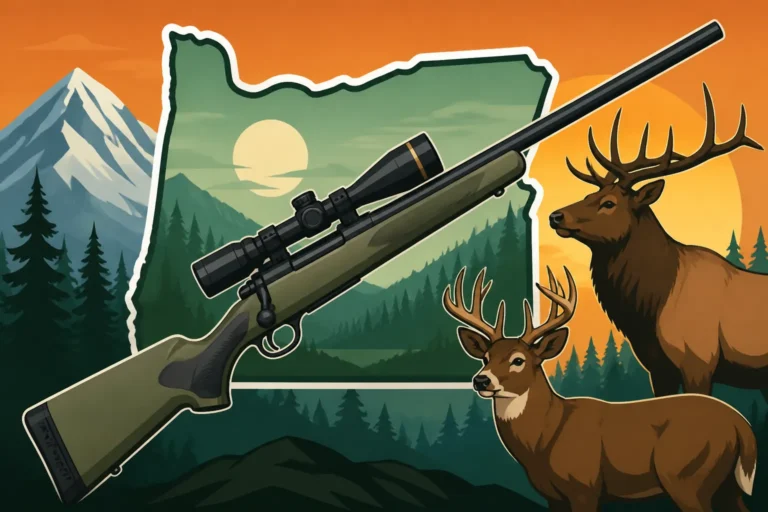
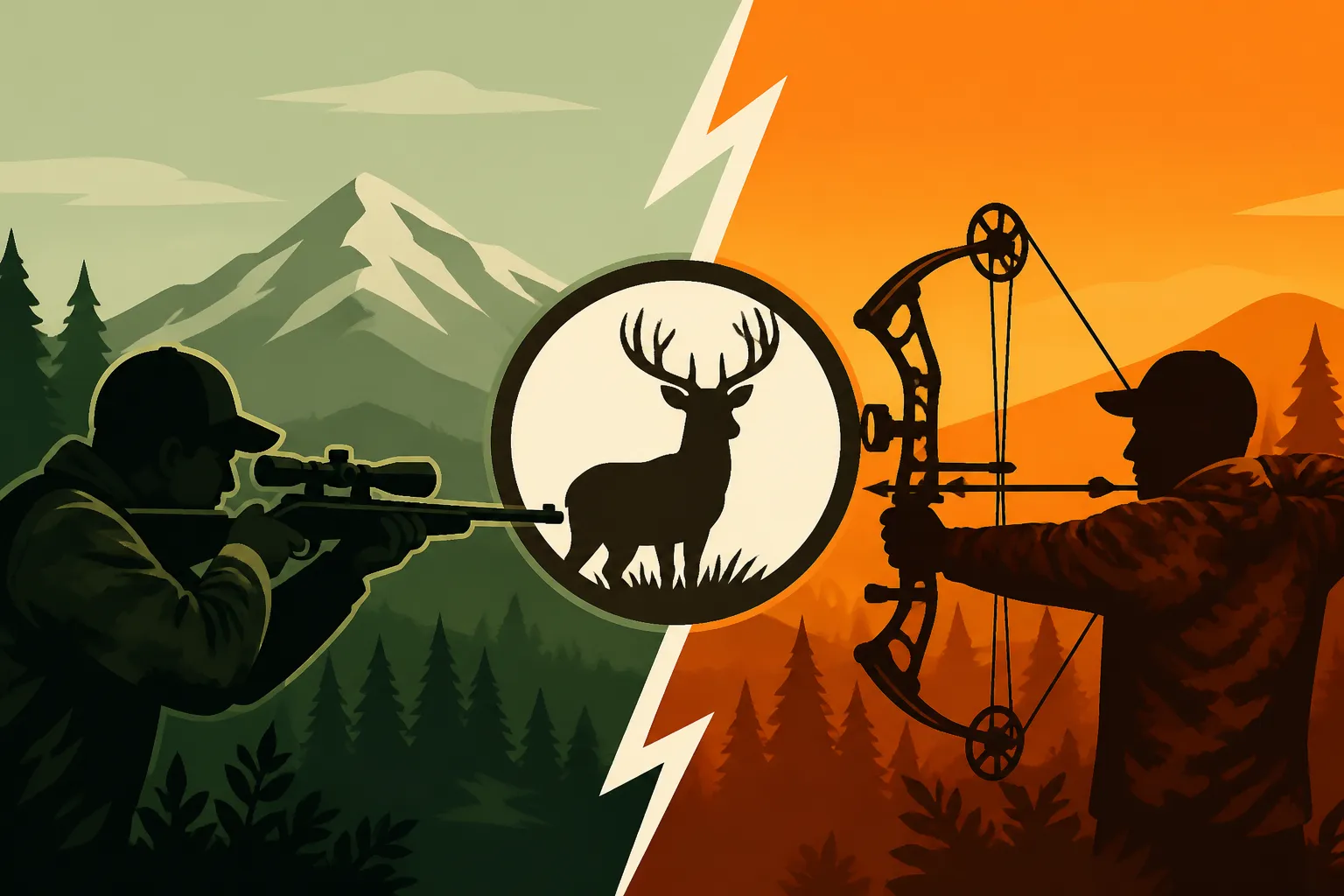
It’s a tale as old as time around Oregon hunting camps: the rifle hunter steadfastly defending their method, while the archer passionately advocates for the challenge and reward of close-range encounters. If you’ve ever found yourself wondering which weapon genuinely offers a higher chance of success when chasing Oregon’s big game, you're not alone. This guide is here to cut through the campfire chatter and dive deep into the real factors influencing success rates for both rifle and bow hunters across our diverse state.
Understanding Success Rates: What Do the Numbers Really Mean?
When you look at the Oregon Department of Fish and Wildlife (ODFW) harvest reports, it’s easy to get caught up in the raw percentages. You might see rifle success rates that appear significantly higher than archery rates for a given species or unit, and immediately conclude one method is inherently "better." But those numbers, while factual, often don't tell the whole story about what it actually takes to fill a tag. They’re a broad snapshot, not a personal prediction.
ODFW Data and Hunter Effort
ODFW compiles vast amounts of data from mandatory harvest reports, giving us insights into hunter effort and success. These reports are invaluable for understanding general trends. For instance, you might see that general season rifle elk hunts in some units have a 10-15% success rate, while archery elk hunts in the same units might hover around 5-8%. This seems like a clear win for rifles, right?
However, these figures don't differentiate between a seasoned hunter who spent 30 days in the field and someone who went out for a single weekend. They don't account for hunters who simply bought a tag but never stepped foot in the woods, or those who passed on smaller animals, holding out for a true trophy. The data also doesn't consider the varying physical and mental commitment each hunting method demands. Rifle season, particularly the later November rifle seasons for Roosevelt elk in Western Oregon, often coincides with much colder, wetter weather, which can deter some hunters while presenting new opportunities for others. Similarly, the early August and September archery seasons for elk in Oregon demand hunters be in peak physical condition to navigate steep, brushy terrain in often warm weather.
Factors Influencing Individual Success
Beyond the broad ODFW statistics, your personal success rate is a complex cocktail of variables. It's not just about the weapon; it's about you and where and how you hunt.
Consider the terrain: an open sagebrush flat in Eastern Oregon might lend itself to longer rifle shots, whereas the dense, wet timber of the Coast Range or Cascades often brings hunters into much closer quarters, favoring the stealth of an archer. Your species choice matters, too. Chasing a skittish Columbia blacktail deer in thick brush requires a different approach than trying to locate a Rocky Mountain elk herd in the Blue Mountains.
Weather plays a huge role. A surprise snowstorm during a late rifle season can concentrate animals and make tracking easier, while scorching early-season archery weather can make elk go nocturnal. Your own fitness level, your scouting efforts (both pre-season and in-season), and your ability to adapt to changing conditions are far more significant than the generalized success rates. The sheer "luck" factor – being in the right place at the right time – also cannot be discounted, no matter what weapon you carry.
Rifle Hunting in Oregon: Opportunities and Considerations
Rifle hunting is, for many, the traditional way to pursue big game, and for good reason. It offers distinct advantages that contribute to its generally higher statistical success rates.
The Range and Power Advantage
The most obvious benefit of a rifle is its effective range and knockdown power. A well-placed shot with a modern centerfire rifle can ethically dispatch an animal at distances well beyond what an archer can achieve. This can be a game-changer, especially in the expansive landscapes of Eastern Oregon where mule deer might be spotted across vast canyons, or when elk are feeding in distant clearcuts. Having the ability to make a clean shot at 200, 300, or even 400 yards greatly expands your opportunities in the field.
However, this advantage comes with a responsibility. Longer shots demand impeccable marksmanship, a thorough understanding of ballistics, and the discipline to know your personal and equipment limitations. It's not just about hitting the target; it's about hitting it precisely where it needs to be for a quick, humane kill. Learning about different Rifle Calibers That Suit Oregon Elk and deer, and practicing regularly at varying distances and angles, is crucial. If you’re looking to maximize your success, never let the range of your rifle tempt you into taking a shot you haven't practiced extensively.
General Season Versus Controlled Hunts
Oregon offers a mix of general season and controlled rifle hunts, each with its own characteristics that influence success. General rifle seasons, particularly for blacktail deer in Western Oregon, often provide more accessible opportunities, but they can also mean more hunting pressure and, consequently, lower individual success rates. Everyone with a general tag is out there at the same time, often concentrated in easier-to-access public lands. This can make animals much more wary and push them into thicker cover.
Controlled hunts, on the other hand, are limited by tag numbers determined through the Oregon Controlled Hunt Draw Explained. These hunts typically have much higher success rates because fewer hunters are allowed into specific units, often in prime habitat or during optimal times. For example, a controlled Rocky Mountain elk hunt might boast a 25-30% success rate or higher, while a general rifle season for Roosevelt elk in the Coast Range might be closer to 8-12%. The catch, of course, is drawing these tags, which can take many years of accumulating preference points. Using tools like GoHunt can help you research draw odds and historical success rates for specific controlled hunts, giving you a better idea of the commitment needed to eventually draw a coveted tag.
When planning your rifle hunt, consider whether you prefer the challenge and accessibility of a general season, where you can buy a tag over the counter, or if you're willing to play the long game for a controlled hunt with potentially better odds.
Archery Hunting in Oregon: The Close-Range Challenge
Archery hunting stands in stark contrast to rifle hunting. It's a method defined by intimacy, stealth, and an unwavering commitment to honing specialized skills. While overall success rates for archery tend to be lower than rifle, the satisfaction derived from a successful archery hunt is unparalleled for many.
The Intimacy of Archery
Archery hunting forces you to become an integral part of the environment. You can’t rely on long-distance shots; you have to get incredibly close to your quarry, often within 20-60 yards. This demands exceptional stealth, patience, and a deep understanding of animal behavior. It means mastering techniques like still-hunting through thick, wet Oregon coastal brush or becoming proficient in Calling Bull Elk During Oregon's Archery Season to draw a wary bull within bow range.
The beauty of archery often lies in its extended seasons. Oregon offers generous archery seasons for both deer and elk, often starting in late August and running through September. This provides more time in the field, allowing hunters to experience the early rut for elk when bulls are vocal, or to target deer before they become heavily pressured. While the success rate might be lower, the sheer number of days available to hunt can, in theory, increase your overall "opportunity rate" if you are dedicated. The challenge isn’t just about making the shot, it’s about navigating the myriad factors to even get a shot opportunity.
Equipment and Physical Demands
An archer’s equipment must be precise and tailored to the conditions. An Archery Setup for Wet Oregon Timber requires special attention to string wax, cam protection, and quiet accessories to ensure your bow functions flawlessly in the often-damp environments of Western Oregon. Broadhead choice for heavy bone is another critical consideration, as you need maximum penetration for a quick, ethical kill at close range.
Beyond the gear, archery hunting is incredibly physically demanding. Stalking quietly through dense forests, climbing steep hills, and waiting motionless for extended periods require significant endurance and mental fortitude. Pursuing an elk with a bow in Oregon’s rugged terrain is a true test of physical training for an Oregon elk hunt, often requiring months of preparation before the season even begins. You’ll cover more ground on foot, often carrying all your gear, and the close-range nature of the hunt means you might be stalking for hours to get into position. This level of engagement with the landscape and the animal creates a profound hunting experience, even if it doesn't always result in a filled tag.
Bridging the Gap: Maximizing Your Odds
Regardless of whether you choose a rifle or a bow, the most successful hunters in Oregon share common traits: preparation, skill, and an unwavering commitment to learning. While the success rates vary by weapon, your dedication can significantly tilt the odds in your favor.
Scouting and E-Scouting: The Foundation of Success
Successful hunting starts long before you ever step foot in the woods with your weapon. Pre-season scouting is paramount. This means getting out there, putting boots on the ground, and learning the terrain, finding game trails, identifying water sources, and locating bedding and feeding areas. For those who can't spend endless days in the field, tools like GoHunt and other mapping platforms have revolutionized the game. E-Scouting Oregon Units With Satellite Imagery allows you to virtually explore vast areas, mark potential hotspots, identify access points, and understand the lay of the land from the comfort of your home. You can look at historical burn areas, clearcuts that may attract blacktail deer, or rimrock country where mule deer might be glassing. This knowledge is invaluable, whether you’re planning a distant rifle shot or a close-quarters archery stalk.
Skill Development and Practice
It sounds obvious, but consistent practice is the single most important factor in increasing your individual success rate, regardless of your chosen weapon. For rifle hunters, this means not just sending rounds downrange at a flat target, but practicing from various field positions, at different ranges, and under simulated hunting conditions. Understand your rifle’s capabilities and your own limitations.
For archers, practice is even more critical. You need to be intimately familiar with your bow, consistently hitting your mark at varying distances, and practicing shooting from awkward positions you might encounter in the field. Simulating stressful hunting scenarios will help you maintain composure when that trophy animal finally steps out.
Understanding Your Unit
General ODFW success statistics are just that—general. Your real odds of success are far more tied to the specific unit you're hunting and the particular area within that unit you've chosen to focus on. Some units are simply tougher than others, either due to low animal densities, difficult terrain, or heavy hunting pressure. Dive into the unit-specific reports, talk to ODFW biologists if possible, and consult with local hunters who have experience in the area. Platforms like GoHunt can provide detailed unit information, including harvest data, population trends, and access maps, helping you make informed decisions about where to apply for tags or where to focus your general season efforts. Knowing your unit inside and out, from the best places for Public Land Scouting in Oregon Before the Draw Results to understanding specific travel management area rules, will always give you an edge.
Here's a generalized look at comparative success rates for big game in Oregon:
| Species / Method | General Rifle Season (Average Success Rate Range) | Controlled Rifle Hunt (Average Success Rate Range) | Archery Season (Average Success Rate Range) |
|---|---|---|---|
| Roosevelt Elk | 8-15% | 15-25% | 3-8% |
| Rocky Mtn Elk | 10-20% | 20-35% | 5-10% |
| Mule Deer | 10-20% | 20-40% | 5-12% |
| Blacktail Deer | 15-25% | 25-45% | 8-15% |
| Black Bear | 15-25% | N/A | 10-20% |
Note: These are generalized averages and can vary significantly based on unit, specific hunt type, weather, animal populations, and hunter effort. Controlled hunt success rates often reflect limited tag numbers in prime areas. Black bear archery success rates are often competitive with rifle due to extended seasons and close-range tactics like Spot-and-Stalk Spring Bear on Oregon's Green Slopes.
Ultimately, the choice between rifle and bow often comes down to personal preference, the type of challenge you seek, and the kind of experience you want to have in Oregon's incredible wild places. While rifle hunters generally see higher statistical success rates due to range and power, dedicated archers who master their craft can achieve comparable personal success through sheer persistence and skill. The most important factor isn't the weapon itself, but the hunter wielding it.
Disclaimer
The information provided in this guide is for informational purposes only and is not intended to replace official Oregon Department of Fish and Wildlife (ODFW) regulations or professional advice. Hunting regulations, seasons, and success rates can change frequently. Always consult the most current ODFW hunting regulations pamphlet and relevant agency websites before planning any hunting trip.