Cougar Hunting While Deer Hunting on the Same Trip
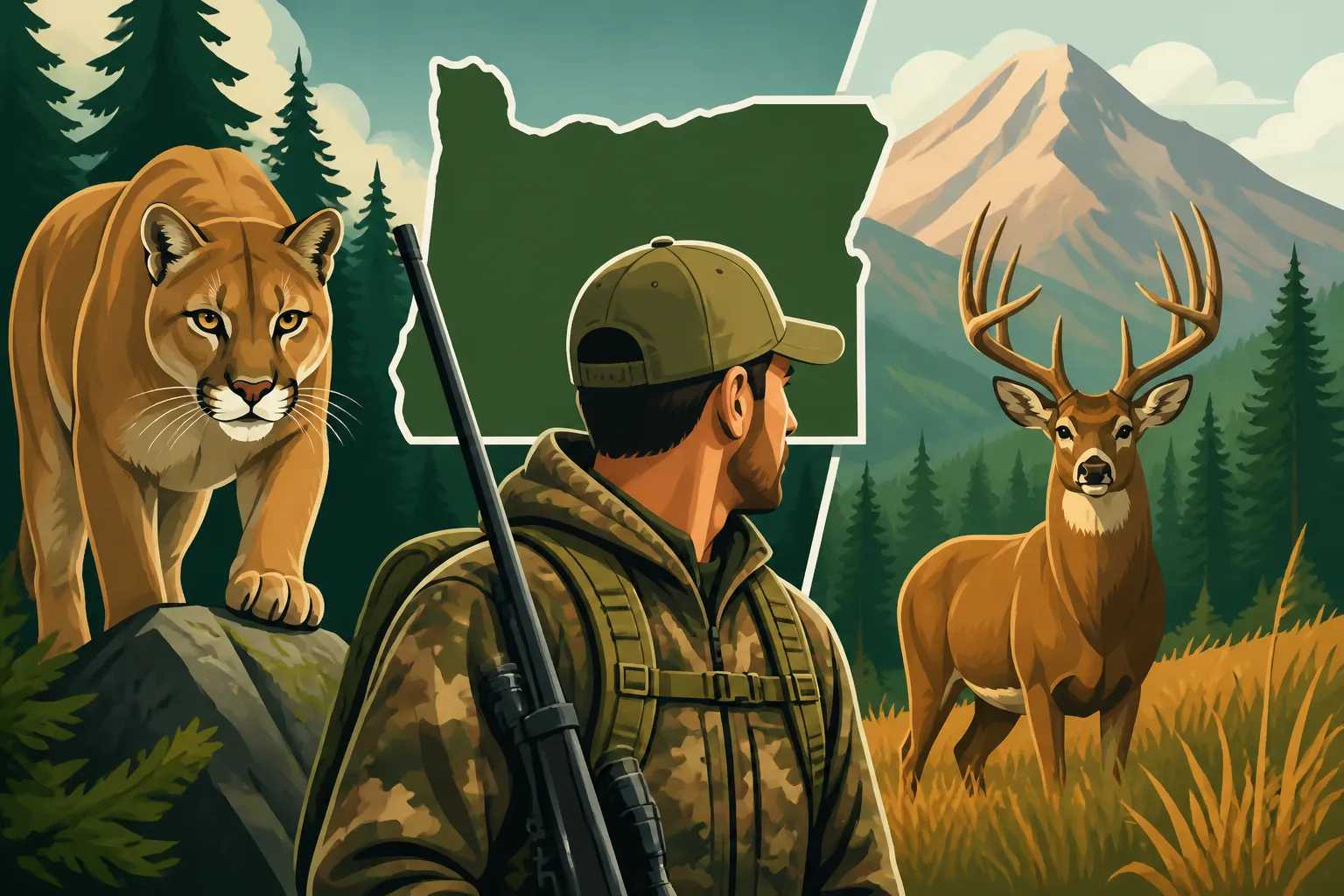
Many Oregon hunters have pondered the possibility of filling two tags on one trip – specifically, pursuing both deer and cougars simultaneously. It’s a common dream for those who spend precious days in the field, hoping to maximize their time and effort. The reality, however, involves navigating specific regulations, adapting your hunting strategy, and being prepared for the unique challenges each species presents. This guide will walk you through the practicalities, legalities, and strategic considerations for successfully combining a cougar hunt with your deer season in Oregon.
Understanding Oregon's Regulations for Dual Species Hunts
Combining hunts isn't just about throwing an extra tag in your pocket; it requires a clear understanding of Oregon's specific hunting regulations. Ignoring these details can lead to fines, loss of hunting privileges, and a generally miserable experience.
Licensing and Tagging Requirements for Cougar and Deer
First things first: you absolutely need the proper tags before you even step foot in the woods. This might seem obvious, but it's a critical detail often overlooked in the excitement of planning a combo hunt. For deer, you'll need your general season buck tag or a controlled hunt tag for the specific unit and season you plan to hunt. For cougars, Oregon offers an annual cougar tag that can be purchased over-the-counter. Unlike deer, there aren't specific controlled hunts for cougars in most areas; it's a general season tag.
The key here is understanding that possessing a deer tag does not authorize you to harvest a cougar, and vice-versa. You must have both valid tags in your possession while hunting. This means purchasing your annual hunting license and then adding both the appropriate deer tag and a cougar tag to your account, usually through the ODFW licensing system. Don't assume that because you're deer hunting, you can just decide to pick up a cougar tag if you see one – that's a recipe for trouble. Always check the current regulations, especially regarding Oregon Cougar Tag Rules and Quotas, as specific zones might have harvest limits or other restrictions that could close a season unexpectedly. It's always a good practice to double-check the ODFW website for any in-season changes before heading out.
Concurrent Seasons and Unit Overlap
One of the biggest advantages of combining a cougar hunt with a deer hunt is the extensive season overlap. Oregon's general cougar season runs for most of the year in many units, meaning it will almost certainly coincide with any deer season you draw or participate in. This long season is a boon for opportunistic cougar hunters. However, it's crucial to verify the specific unit boundaries and season dates for both species you intend to pursue.
While deer seasons are often unit-specific and have defined start and end dates (e.g., General Western Oregon Archery Deer, or a specific controlled rifle deer hunt), cougar seasons can also have unit-specific closures if harvest quotas are met. Using an up-to-date mapping application like GoHunt can be incredibly helpful here. You can layer different unit boundaries and season dates to visually confirm that your chosen deer hunting area is also open for cougars during your planned dates. You don't want to be deer hunting in the Wilson Unit of the Coast Range and assume that a cougar you spot there is fair game if that particular cougar zone has already closed due to quota. Always cross-reference the annual ODFW big game regulations booklet with any digital mapping tools you use to ensure complete accuracy.
Strategic Considerations for Combining Hunts
Successfully combining a deer and cougar hunt requires more than just legal tags; it demands a nuanced approach to scouting, gear, and even your mental hunting state.
Habitat Overlap and Scouting for Both Species
The beauty of a deer-cougar combo hunt lies in the inherent relationship between the two species: deer are a primary food source for cougars. This means that prime deer habitat is often also prime cougar habitat. Areas with abundant deer, such as clearcuts with good browse, timber edges, and transition zones between heavy cover and open feeding areas, are excellent places to find cougars.
When you're out Public Land Scouting in Oregon Before the Draw Results or during your pre-season deer scouting trips, don't just look for deer sign. Start training your eye to spot indicators of cougar presence. Look for tracks along old logging roads, game trails, or dusty patches. Cougar tracks are typically larger than those of dogs, lack claw marks (unless sliding), and have a distinct three-lobed heel pad. Keep an eye out for scat, which is often segmented and contains hair or bone fragments. Fresh deer kills that appear partially covered with debris can also be a tell-tale sign of a cougar kill. Ravines, rocky outcroppings, and dense timber thickets near consistent deer activity are common cougar hangouts. Services like GoHunt allow you to visualize habitat features and potential pinch points, helping you mark areas that look promising for both species. By actively looking for cougar sign while focused on deer, you significantly increase your odds.
Gear Adjustments for Dual Species
While you're not going to need a completely separate kit for a cougar hunt, there are a few considerations when packing for both.
- Rifle/Archery Setup: Most rifle calibers suitable for deer are more than adequate for cougars. A .243 Winchester, .270 Winchester, or a .30-06 Springfield that you'd use for blacktails or mule deer will certainly do the job on a cougar. Similarly, a bow set up for deer will work for cougars. The main point is to be proficient with whatever weapon you choose. If your deer rifle is perfectly sighted in, stick with it. Don't feel pressured to bring a heavier caliber unless you're truly uncomfortable. You can read more about Rifle Calibers That Suit Oregon Elk for a broader perspective on cartridge performance, which can also apply to cougars.
- Optics: Good binoculars and a spotting scope are indispensable for both. While deer hunting might involve long hours glassing distant ridges, cougar hunting often requires scrutinizing dense cover. High-quality optics will help you pick out details like a cougar's tawny hide against the forest floor. A rangefinder is always a good idea for ethical shot placement.
- Clothing: Stealth is paramount for both. Quiet, earth-toned clothing is best. You're unlikely to need specific "cougar camo" any different from your deer hunting attire. The critical factor is layers for Oregon's unpredictable weather. From the wet coastal range to the high desert, conditions can change rapidly.
- Tracking: If you down a cougar, accurate tracking is vital. Consider carrying a bright headlamp (and spare batteries) for blood trailing, especially if shooting late in the day. Oregon does have rules about Using a Tracking Light Legally at Night in Oregon, so be sure to know those limitations.
Shifting Tactics: From Deer to Cougar Mentality
This is perhaps the trickiest part of combining hunts. Deer hunting often involves long periods of patient waiting, still-hunting through timber, or carefully glassing open areas. Cougar hunting, especially without hounds (which are illegal for public cougar hunting in Oregon), is largely opportunistic.
- Opportunistic Encounter: The most common way hunters tag a cougar during a deer hunt is by simply encountering one. If you're walking a clearcut edge, still-hunting a timber patch, or sitting on a stand, and a cougar appears, you need to be ready to pivot. This means having your rifle or bow at the ready, being able to quickly identify the animal, and making an ethical shot.
- Active Cougar Hunting during Deer Down Time: If deer activity is slow, or if you've already filled your deer tag, you can shift gears to more active cougar hunting. This might involve checking known cougar sign, spending more time near fresh deer kills you've discovered, or even trying some Cougar Calling Techniques That Work in Oregon. While often associated with spring bear hunting, areas with good cover and active deer can sometimes draw a curious cat to a distress call.
- Understanding Cougar Behavior: Cougars are elusive and largely nocturnal or crepuscular, though they can be active any time. They are ambush predators, often stalking their prey from dense cover. If you're Still-Hunting Blacktails in Wet Oregon Coastal Brush, you're already in prime cougar country, and maintaining a high level of situational awareness for more than just deer movement is key.
Ethical and Practical Challenges of a Combo Hunt
While the idea of a combo hunt is appealing, there are real-world challenges that need to be addressed to ensure a successful and ethical experience.
Prioritizing Your Primary Target
It's easy to get distracted. If your main goal is deer, but you're also hoping for a cougar, you might find yourself constantly scanning for cougar sign, potentially missing opportunities for deer. It’s important to set realistic expectations. Most combo hunts will see you primarily focused on deer, with cougar opportunities arising as a bonus.
Decide before you go what your primary objective is. If you're after a specific deer, then let that be your focus. If a cougar presents itself, assess the situation calmly. Is it an ethical shot? Do you have time to field dress and pack out two animals, especially if you're hunting alone in remote country? Don't let the excitement of a potential cougar derail your well-planned deer strategy, especially if it means taking a risky shot or abandoning a promising deer stand.
Processing and Transport Considerations
This is where the rubber meets the road. Down a deer and a cougar, especially deep in the backcountry, and you've got a significant task ahead. Both animals are substantial, and proper game care is essential to prevent spoilage and ensure delicious table fare.
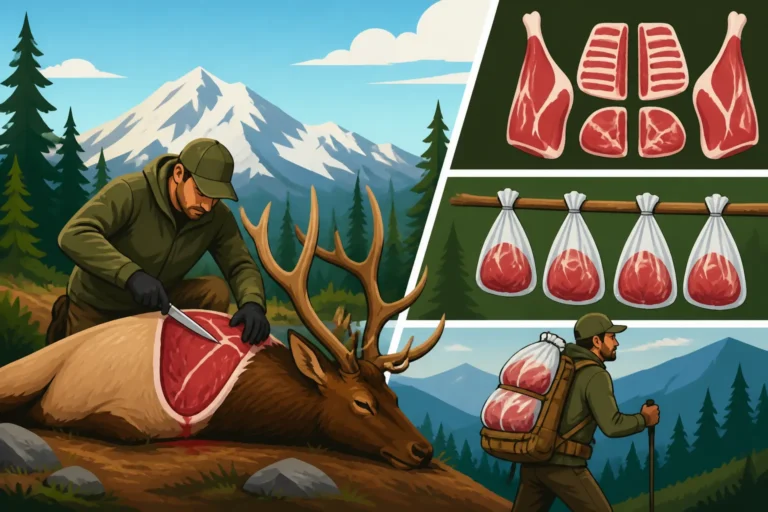
- Field Dressing: You'll need to know how to field dress both animals efficiently. Cougars, while smaller than deer, still require careful handling. Immediately after the harvest, focus on cooling the meat. If it's warm early season weather, this becomes even more critical. Getting the hide off and the viscera out quickly, and then elevating the carcass for air circulation, are vital steps. For larger animals, the gutless method can be a lifesaver. You can find more details on Field Dressing an Elk in Warm Early-Season Weather, which offers principles applicable to deer and cougars as well.
- Packing Out: Packing out a single deer can be tough; packing out two animals is a monumental task, especially if you're on a solo hunt. Consider the terrain, distance to your vehicle, and your physical fitness. If you harvest a cougar, remember the Cougar meat salvage requirement in Oregon; you cannot just take the hide. You'll need to pack out the edible portions of the animal, just like a deer. Having a good pack frame, game bags, and perhaps a partner for help is crucial. This is where pre-planning for extraction becomes more important on a combo hunt.
- Cooling and Transport Home: Once packed out, you'll need ample cooler space and ice, particularly if you're coming from Eastern Oregon's high desert heat or hunting early archery season in the Cascades. Factor in the space needed for both animals.
Safety and Situational Awareness
Hunting alone in Oregon's diverse and often rugged terrain always demands a high degree of safety awareness. Adding a cougar to the mix, even if opportunistically, means being prepared for a powerful predator.
- Predator Awareness: While cougar attacks on humans are exceedingly rare, being aware of your surroundings is paramount. If you're still-hunting quietly, constantly scan ahead and behind. Make noise as you walk, especially in thick cover, to avoid surprising any animal, including a cougar.
- Weapon Proficiency: Your ability to quickly and accurately deploy your weapon is critical. If you spot a cougar, you need to be confident in your shot placement. Reviewing resources like Shot Placement on a Quartering Bull can help reinforce ethical shooting angles, which apply across species.
- Emergency Preparedness: Carrying a first-aid kit, knowing your route, having a communication device (satellite messenger in areas without cell service), and leaving a detailed trip plan with someone at home are all non-negotiable for any Oregon hunt, and even more so when venturing into remote areas with multiple quarry in mind. The chance of a fall or injury increases with fatigue, which can compound when dealing with two animals.
Leveraging Technology and Resources
Modern hunting tools have revolutionized how we plan and execute hunts, and they are particularly valuable for maximizing success on a dual-species trip.
Mapping and E-Scouting for Dual Species
Digital mapping applications, such as GoHunt's Insider platform or onX Hunt, are game-changers for identifying habitat overlap and planning your approach. These tools allow you to:
- Layer Data: You can view public land boundaries, private timberlands (some with access permits), topographical features, and even historic burn areas on a single map. Knowing where Hunting Clearcuts on Private Timber Land is permitted can reveal prime deer and cougar habitat.
- Identify Travel Corridors: Cougars often use the same natural travel corridors as deer – saddles, ridge lines, river bottoms, and old logging roads. By identifying these on a map, you can pinpoint ambush points or areas to focus your still-hunting efforts.
- Mark Waypoints: As you scout, mark potential cougar sign (tracks, scat, kill sites) alongside your deer sign. This builds a rich database for future hunts. Learning E-Scouting Oregon Units With Satellite Imagery allows you to do a lot of homework from home, identifying areas that scream "deer" and "cougar" before you even hit the dirt. Look for dark timber bordering open areas, rocky bluffs, and dense riparian zones.
Trail Camera Strategies for Both Deer and Cougars
Trail cameras are incredibly versatile tools that can serve a dual purpose on a combo hunt. While primarily used for patterning deer, they can also capture invaluable evidence of cougar activity.
- Strategic Placement: Place cameras on game trails, pinch points, or near water sources where both deer and cougars are likely to travel. Setting them on fresh deer scrapes or rub lines can still show cougar activity, as cats often check these areas. Cameras near recent deer kills you've discovered can be especially effective for catching a cougar returning to its meal. For insights into effective camera use, check out Trail Camera Placement on Public Land.
- Behavioral Insights: Observing patterns of cougar movement on your trail cameras can inform your hunting strategy. Are they moving primarily at night? Are they using a specific trail? This data, combined with deer activity, helps you understand the local ecosystem.
- Camera Rules: Always ensure you're following Trail Camera Rules on Oregon Public Land, as regulations can vary regarding their use, especially on certain wildlife areas or federal lands.
Comparing Key Aspects of Cougar vs. Deer Hunting
| Feature | Deer Hunting (General Season) | Cougar Hunting (General Season) | Combined Hunt Strategy |
|---|---|---|---|
| Primary Goal | Harvest a buck (or doe in some seasons) | Harvest a cougar | Prioritize deer, remain opportunistic for cougar, or shift focus if deer tag filled. |
| Season Length | Typically 1-3 weeks (rifle), longer for archery | Often year-round or very long seasons | Exploit concurrent seasons; always verify unit-specific dates and quotas for both species. |
| Hunting Style | Still-hunting, stand hunting, glassing, calling (for elk/some deer) | Primarily opportunistic, calling, tracking sign | Blend patient deer tactics with constant vigilance for cougar sign; be prepared to react quickly. |
| Habitat Focus | Food sources (browse, clearcuts, agriculture), bedding cover | Deer bedding/feeding areas, dense cover, rocky outcrops, pinch points | Focus on areas where deer are abundant and cover is close; look for shared travel corridors and sign. |
| Sign to Look For | Tracks, scat, rubs, scrapes, beds, fresh browse | Tracks, scat, partially covered kills, scratching posts | Actively scout for both; fresh deer kills are a prime cougar indicator. |
| Weapon Needs | Rifle (.243-.30-06), bow (40-50#+), shotgun | Same as deer; adequate power and accuracy for ethical shot | Use your primary deer weapon; ensure proficiency and appropriate ammunition for both. |
| Post-Harvest Care | Field dress, cool, pack out meat | Field dress, cool, pack out meat (salvage required), hide/skull | Manage field dressing and pack-out for two animals; significant logistical challenge if solo and remote. |
| Legal/Ethical Note | Mandatory harvest reporting | Mandatory harvest reporting; no hounds allowed on public land | Ensure both tags are valid and in possession; understand reporting deadlines (e.g., Oregon Mandatory Harvest Reporting and the $25 Penalty). |
Disclaimer
Hunting is an inherently risky activity. This guide provides general information and recommendations but cannot substitute for official regulations, professional training, or personal judgment. Always consult the current Oregon Department of Fish and Wildlife (ODFW) regulations before any hunt. Ensure you have the proper licenses and tags, understand season dates and unit boundaries, and prioritize safety above all else. Hunt ethically, responsibly, and within the bounds of the law.